
Air fryers have become kitchen staples for their speed, efficiency, and ability to deliver crispy results with minimal oil. But if you've noticed smoke billowing from your appliance during use, it's more than just alarming—it can be a sign of underlying issues that need immediate attention. While occasional light vapor might be normal, consistent or heavy smoking is not. Understanding the root causes and knowing how to respond safely can protect both your appliance and your home.
Smoke from an air fryer typically stems from food residue, excess oil, improper cooking techniques, or mechanical faults. Left unchecked, this can lead to damaged components, fire hazards, or ruined meals. The good news is that most smoking problems are preventable and fixable with proper maintenance and usage habits.
Common Causes of Air Fryer Smoke
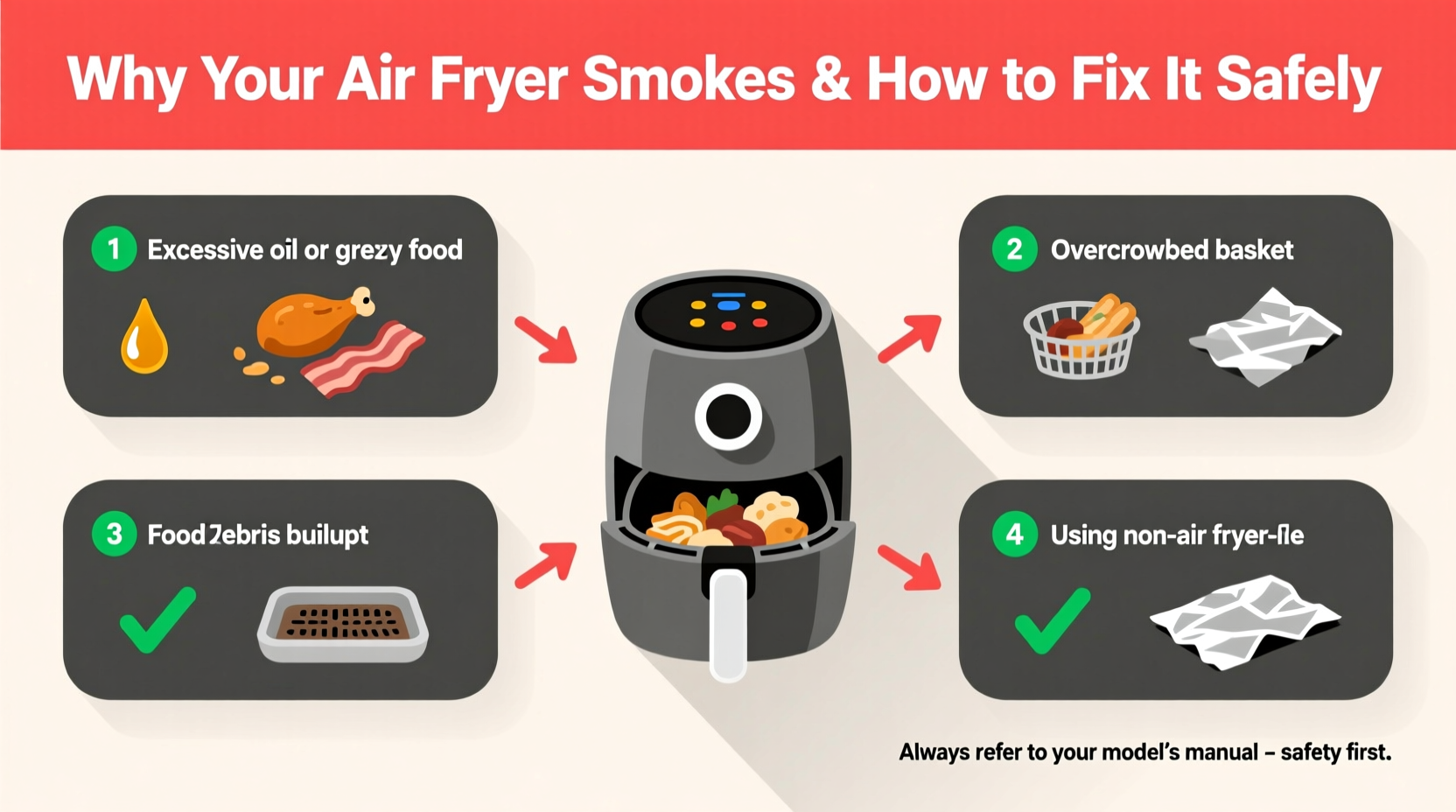
Before addressing solutions, it’s essential to identify what’s triggering the smoke. Unlike traditional ovens, air fryers rely on rapid convection heating in a compact chamber, which increases the risk of overheating food particles or grease buildup. Here are the most frequent culprits:
- Excess oil or fatty foods: Foods high in fat—like bacon, sausages, or marinated meats—can drip oil into the heating element or base, where it burns and produces smoke.
- Food debris buildup: Leftover crumbs or stuck-on bits from previous uses can carbonize over time and ignite during subsequent cooking cycles.
- Overcrowding the basket: Packing too much food restricts airflow, leading to uneven cooking and increased likelihood of grease splatter hitting hot surfaces.
- Non-preheated cookware or frozen items: Sudden temperature changes can cause moisture-heavy frozen foods to release steam rapidly, sometimes mistaken for smoke, or cause oil to splatter violently.
- Manufacturing residue (new units): Some new air fryers emit a slight odor or thin smoke during the first few uses due to protective coatings on internal components.
- Malfunctioning heating element or thermostat: In rare cases, electrical faults or defective parts may cause overheating and persistent smoke.
How to Stop Air Fryer Smoke Safely
If your air fryer starts smoking, act quickly but calmly. Never ignore smoke, even if it seems minor. Follow these safety-first steps to address the issue without risking injury or damage.
- Turn off and unplug the unit immediately. Do not open the basket until the smoke subsides and the appliance begins to cool. Opening it prematurely can feed oxygen to any smoldering residue, worsening the situation.
- Move the air fryer away from flammable materials. Ensure it’s on a heat-resistant surface, away from curtains, cabinets, or paper towels.
- Inspect the contents. Once cooled, remove the basket and drawer to check for burnt food, pooled oil, or debris caught near the heating coil.
- Clean thoroughly before reuse. Use warm, soapy water and a non-abrasive sponge to clean all removable parts. For stubborn grease, soak components for 10–15 minutes before scrubbing gently.
- Check ventilation areas. Most air fryers have vents on the back or sides. Make sure they’re not blocked by walls, appliances, or accumulated dust.
After cleaning, run a test cycle with no food inside at 350°F (175°C) for 5–10 minutes to burn off any residual oils or odors. This also helps verify whether the problem was temporary or requires further action.
Preventive Maintenance Checklist
Regular care significantly reduces the chances of smoke-related incidents. Use this checklist weekly—or after every few uses—to keep your air fryer operating safely and efficiently.
- ✔ Clean basket and drawer after every use
- ✔ Wipe interior walls and heating element (when cool) monthly
- ✔ Avoid using aerosol cooking sprays (they leave flammable residue)
- ✔ Pat dry meats and vegetables to reduce moisture and splatter
- ✔ Use a small silicone mat or parchment liner (if manufacturer-approved)
- ✔ Trim excess fat from meats before cooking
- ✔ Keep at least 4 inches of clearance around the unit for ventilation
- ✔ Replace worn baskets or trays showing signs of chipping or warping
Do’s and Don’ts When Using Your Air Fryer
Small behavioral adjustments can make a big difference in performance and safety. Refer to this table to avoid common mistakes that contribute to smoking.
| Do’s | Don’ts |
|---|---|
| Use a tablespoon or less of oil for frying | Never pour oil directly into the basket |
| Preheat the air fryer for dense foods | Don’t overload the basket—leave space for airflow |
| Line with perforated parchment paper (approved types only) | Avoid aluminum foil unless necessary—and never let it touch the heating element |
| Cook fatty foods on lower heat settings | Don’t use flammable cooking sprays like Pam |
| Check food halfway through cooking | Don’t leave the air fryer unattended when cooking high-fat items |
Real-World Example: How One User Fixed Persistent Smoke
Sarah, a busy parent from Austin, started noticing thick smoke every time she cooked frozen chicken tenders—her go-to weeknight meal. At first, she assumed it was normal, but after three occurrences, she grew concerned about potential fire risks.
She followed online advice to clean her air fryer, but still saw smoke. Then, she inspected deeper and discovered charred bits lodged beneath the heating coil—a spot she hadn’t cleaned before. After carefully removing the residue with a soft brush and damp cloth, she adjusted her method: she began blotting the tenders with paper towels to remove excess moisture and used a wire rack insert to elevate food above dripping grease.
The result? No more smoke, better browning, and longer-lasting appliance performance. Sarah now cleans under the coil monthly and keeps a log of maintenance tasks. Her experience highlights how overlooked details can cause recurring issues—and how simple fixes often resolve them.
“Many air fryer fires start as nuisance smoke. Regular cleaning isn’t just about hygiene—it’s critical fire prevention.” — Dr. Linda Ruiz, Home Appliance Safety Researcher, National Fire Protection Association
When to Suspect a Mechanical Issue
Even with perfect usage and cleaning, some air fryers may develop technical faults. If you’ve ruled out user error and cleanliness but still experience smoke, consider these red flags:
- Smoke occurs during empty test runs
- Burning smell persists after deep cleaning
- Heating element glows unevenly or flickers
- Unit shuts off unexpectedly or overheats rapidly
- Visible damage to cord, plug, or internal wiring
In such cases, discontinue use immediately. Contact the manufacturer or retailer for repair or replacement—especially if the unit is under warranty. Attempting DIY repairs on electrical components can void warranties and increase safety risks.
Additionally, older models (over 3–5 years) may suffer from degraded insulation or failing thermostats. Consider upgrading to a newer model with advanced safety features like auto-shutoff, cool-touch exteriors, and digital monitoring systems.
Frequently Asked Questions
Is it normal for a new air fryer to smoke?
Minimal smoke or odor during the first 1–2 uses is common due to factory-applied lubricants or protective coatings burning off. Run the air fryer empty at maximum temperature for 10 minutes with a drop of vinegar in the drawer to neutralize smells. If smoking continues beyond initial uses, it’s not normal and requires investigation.
Can cooking spray cause my air fryer to smoke?
Yes. Aerosol sprays often contain propellants and lecithin that leave behind sticky residues. These build up on the heating element and burn at high temperatures, creating smoke and potentially damaging the coil. Instead, use a pump-style oil sprayer with pure oil or apply oil directly to food with a brush or paper towel.
Why does my air fryer smoke when I cook bacon?
Bacon releases significant amounts of fat, which drips onto the heating element and combusts. To minimize smoke, cook bacon at a lower temperature (320–340°F), use a bacon tray or rack to elevate slices, and line the bottom drawer with a parchment sheet to catch drippings. Blotting cooked bacon with paper towels mid-cycle also helps.
Conclusion: Take Control of Your Air Fryer’s Performance
Smoke from your air fryer isn’t something to dismiss as “just part of the process.” It’s a warning signal—one that, when addressed promptly, can save you from appliance failure, kitchen fires, or ruined meals. By understanding the causes, adopting preventive habits, and responding correctly when smoke appears, you ensure safer, more enjoyable cooking experiences.
The key lies in consistency: regular cleaning, mindful ingredient preparation, and adherence to manufacturer guidelines. Whether you're reheating leftovers or crisping up a family-sized batch of fries, treating your air fryer with care extends its life and protects your home.




 浙公网安备
33010002000092号
浙公网安备
33010002000092号 浙B2-20120091-4
Comments
No comments yet. Why don't you start the discussion?