
After a long flight, stepping off the plane only to find your ankles swollen, tight shoes digging into your feet, and a feeling of heaviness in your legs is more common than many realize. This condition—medically known as peripheral edema—affects countless travelers every year. While usually temporary and harmless, it can be uncomfortable, alarming, and sometimes signal underlying health concerns. Understanding why it happens and what you can do immediately to relieve it is essential for frequent flyers, older adults, and anyone with circulatory sensitivities.
The cabin environment of an airplane plays a significant role in fluid retention and circulation. Low cabin pressure, limited movement, dehydration, and prolonged sitting all contribute to blood pooling in the lower extremities. The result? Swollen ankles and feet that may take hours—or even days—to fully resolve without intervention.
This article breaks down the physiological causes of post-flight ankle swelling, outlines immediate relief strategies, and provides preventive measures grounded in medical research and expert recommendations.
What Causes Ankle Swelling During and After Flying?
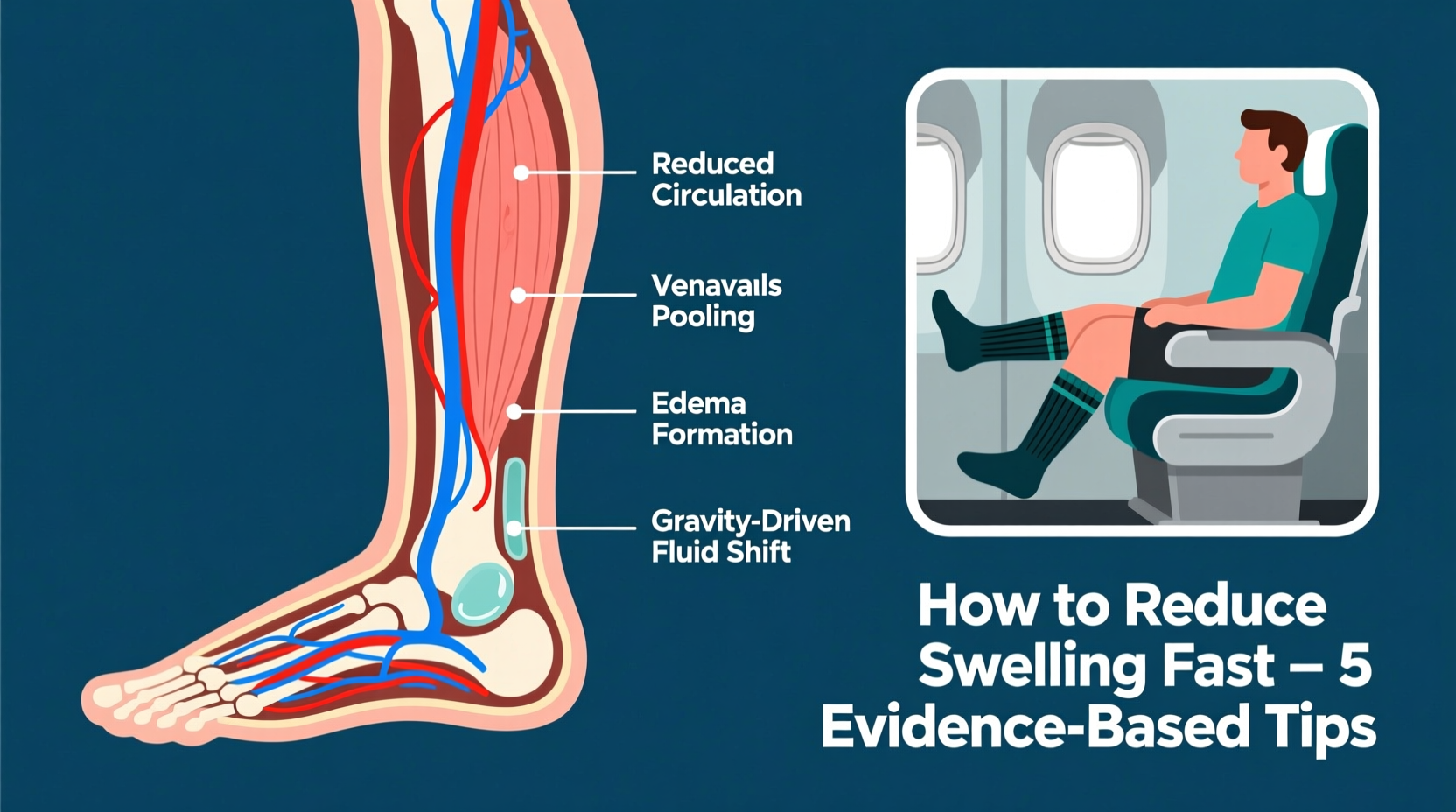
Swelling in the ankles after air travel stems from a combination of environmental, physiological, and behavioral factors unique to flying. The human body is not naturally adapted to spend several hours in a pressurized metal tube at 35,000 feet, and the consequences often show up in the lower limbs.
- Reduced cabin pressure: Airplane cabins are pressurized to simulate altitudes between 6,000 and 8,000 feet. This lower oxygen level causes blood vessels to dilate slightly, increasing fluid leakage into surrounding tissues.
- Immobility: Sitting for extended periods—especially over four hours—slows circulation in the legs. Without regular muscle contractions from walking, blood and lymphatic fluid struggle to return to the heart, leading to pooling in the feet and ankles.
- Dehydration: The dry cabin air (often less than 20% humidity) accelerates fluid loss through respiration and skin evaporation. Paradoxically, this dehydration triggers the body to retain more fluid in tissues as a protective mechanism.
- High sodium intake: Airline meals and snacks are typically high in salt, which increases water retention. Sodium pulls water into interstitial spaces, worsening swelling.
- Gravity: In seated positions, gravity naturally encourages fluid to settle in the lowest parts of the body—your feet and ankles.
These factors combine to create a perfect storm for edema. For most healthy individuals, the swelling resolves within a few hours of moving around and rehydrating. However, for those with pre-existing conditions such as heart disease, kidney issues, or venous insufficiency, the effects can be more severe and longer-lasting.
How to Reduce Swollen Ankles Fast After Landing
Once you’ve landed, swift action can dramatically shorten recovery time. The goal is to encourage fluid redistribution, improve circulation, and support natural drainage mechanisms. Here’s what works—backed by physiology and clinical observation.
1. Elevate Your Legs Immediately
Lying down with your legs raised above heart level uses gravity to help fluids return toward the core. Aim for 15–20 minutes as soon as you’re able—whether at the airport lounge, baggage claim, or upon reaching your hotel.
2. Hydrate with Electrolyte-Balanced Fluids
Replenish lost fluids with water or drinks containing potassium and magnesium, such as coconut water. Avoid alcohol and caffeine, which worsen dehydration. Drinking enough water signals the kidneys to excrete excess sodium and fluid.
3. Move and Walk Regularly
Muscle contractions in the calves act as a “second heart” for venous return. Walking briskly for 10–15 minutes stimulates the pump mechanism in your legs, pushing blood and lymph upward.
4. Use Compression Socks (Even Post-Flight)
Wearing graduated compression socks during and after the flight helps maintain venous pressure and reduces fluid buildup. They continue working after landing by supporting circulation during initial recovery.
5. Apply Cold Compresses
Cold therapy constricts blood vessels and reduces localized inflammation. Wrap an ice pack in a cloth and apply to swollen areas for 10–15 minutes at a time, with 20-minute breaks in between.
“Post-flight edema is largely preventable. The key is proactive movement and hydration—not just reacting after symptoms appear.” — Dr. Lena Patel, Vascular Health Specialist
Step-by-Step Timeline to Reduce Swelling Within 2 Hours
If you're dealing with noticeable swelling after a long-haul flight, follow this realistic timeline to see improvement quickly:
- Immediately after landing (0–15 min): Begin walking. Avoid sitting during layovers or while waiting for baggage.
- 15–30 minutes: Find a quiet area and elevate your legs against a wall or on luggage for 10–15 minutes.
- 30–45 minutes: Drink 500ml of water or an electrolyte beverage. Avoid salty foods.
- 45–60 minutes: Perform gentle ankle circles (20 clockwise, 20 counterclockwise per foot) and toe raises while seated or standing.
- 60–90 minutes: Apply a cold compress to each ankle for 10 minutes.
- 90–120 minutes: Take a short walk (10–15 minutes) outdoors or indoors. Continue wearing compression socks if available.
By following this sequence, most travelers experience visible reduction in swelling within two hours. Complete resolution may take up to 24 hours depending on flight duration and individual health.
Preventive Measures: What to Do Before and During Your Flight
Prevention is far more effective than treatment when it comes to post-flight swelling. Simple adjustments to your travel routine can eliminate discomfort altogether.
Pack Smart: Bring These Essentials
- Graduated compression socks (15–20 mmHg pressure)
- Refillable water bottle (to avoid sugary or dehydrating drinks)
- Healthy snacks (nuts, fruit, whole-grain bars—low sodium)
- Loose-fitting footwear (avoid tight shoes; bring slip-ons)
In-Flight Habits That Make a Difference
| Do’s | Don’ts |
|---|---|
| Walk the aisle every hour | Sit still for more than 2 hours straight |
| Perform seated calf pumps and ankle rotations every 30 minutes | Cross your legs (restricts circulation) |
| Drink water regularly (1 cup per hour) | Consume alcohol or excessive coffee |
| Wear compression socks | Wear tight clothing or restrictive waistbands |
| Elevate feet slightly if possible (use carry-on as footrest) | Ignore signs of numbness or tingling |
Avoiding sodium-heavy meals is especially important. A single airline meal can contain over 1,500 mg of sodium—more than half the recommended daily intake. Opt for low-salt options or bring your own food when possible.
When to Worry: Red Flags and Medical Concerns
While mild ankle swelling after flying is normal, certain symptoms suggest a need for medical evaluation. Deep vein thrombosis (DVT), heart failure, kidney disease, and lymphatic disorders can present with similar signs but require urgent care.
Seek immediate medical attention if you experience any of the following:
- One leg significantly more swollen than the other
- Pain, warmth, or redness in the calf
- Shortness of breath or chest pain after landing
- Swelling that persists beyond 24–48 hours despite rest and elevation
- History of blood clots or cardiovascular disease
DVT, though rare, affects approximately 1 in 4,000 long-haul flights. Risk increases with immobility, age over 60, recent surgery, pregnancy, or use of hormonal medications. If you're at higher risk, consult your doctor before flying. They may recommend anticoagulant medication or prescribe medical-grade compression stockings.
Mini Case Study: Sarah’s Long-Haul Flight Experience
Sarah, a 52-year-old teacher, flew from New York to Tokyo—a 14-hour journey. She wore tight jeans and heels, skipped water to avoid bathroom trips, and stayed seated the entire flight. Upon arrival, her ankles were visibly puffy, and her shoes wouldn’t fit. Alarmed, she visited a clinic where a physician diagnosed positional edema exacerbated by dehydration and lack of movement.
She was advised to elevate her legs, hydrate, and walk daily. Within 36 hours, the swelling subsided. For her return flight, Sarah packed compression socks, chose an aisle seat, brought a refillable bottle, and walked every hour. This time, she landed with no swelling at all.
Her experience highlights how simple behavioral changes can prevent discomfort—even on ultra-long-haul routes.
Frequently Asked Questions
Is ankle swelling after flying dangerous?
For most people, no. Mild swelling due to immobility and fluid shift is common and resolves quickly. However, sudden, one-sided swelling with pain or breathing difficulties could indicate DVT or another serious condition and requires immediate medical attention.
Can drinking more water really help reduce swelling?
Yes. Dehydration causes the body to hold onto sodium and fluid. Proper hydration supports kidney function, helping flush out excess sodium and reducing water retention. Aim for clear or light-yellow urine as a sign of adequate hydration.
Are there any natural remedies to reduce swelling?
Yes. In addition to movement and elevation, herbal supplements like horse chestnut extract have been studied for improving venous tone and reducing edema. Always consult a doctor before using supplements, especially if you have health conditions or take medications.
Final Checklist: How to Fly Without Swollen Ankles
Use this quick checklist before your next flight to stay comfortable and circulation-healthy:
- ✅ Wear compression socks (15–20 mmHg)
- ✅ Book an aisle seat for easier movement
- ✅ Pack water and low-sodium snacks
- ✅ Avoid alcohol and caffeine during the flight
- ✅ Perform ankle exercises hourly
- ✅ Walk the cabin every 60 minutes
- ✅ Stay hydrated throughout the journey
- ✅ Elevate legs upon arrival
“The best inflight medicine isn’t a pill—it’s movement. Even small motions make a big difference in preventing fluid accumulation.” — Dr. Rajiv Mehta, Travel Medicine Consultant
Conclusion: Take Control of Your Travel Comfort
Ankle swelling after flying doesn’t have to be an inevitable part of travel. With a clear understanding of its causes and practical steps to counteract them, you can step off every flight feeling light, mobile, and confident. Whether you're a weekly commuter or an occasional vacationer, prioritizing circulation and hydration transforms your travel experience.
Start applying these strategies today. Share your experiences, tips, or questions with others—because better travel health begins with awareness and action.




 浙公网安备
33010002000092号
浙公网安备
33010002000092号 浙B2-20120091-4
Comments
No comments yet. Why don't you start the discussion?