
Running is a powerful way to build endurance, strengthen the heart, and maintain overall fitness. But when you finish a run only to notice your ankle puffing up, it can be both alarming and discouraging. Swelling in the ankle post-run isn’t uncommon, but it shouldn’t be ignored. While some swelling may result from normal exertion, persistent or severe inflammation could signal an underlying issue that needs attention.
This article explores the physiological reasons behind post-run ankle swelling, identifies key risk factors, and provides science-backed strategies for prevention and recovery. Whether you're a seasoned marathoner or a weekend jogger, understanding what’s happening in your body helps you make smarter choices about training, footwear, and recovery.
Understanding Ankle Swelling: The Body’s Response to Stress
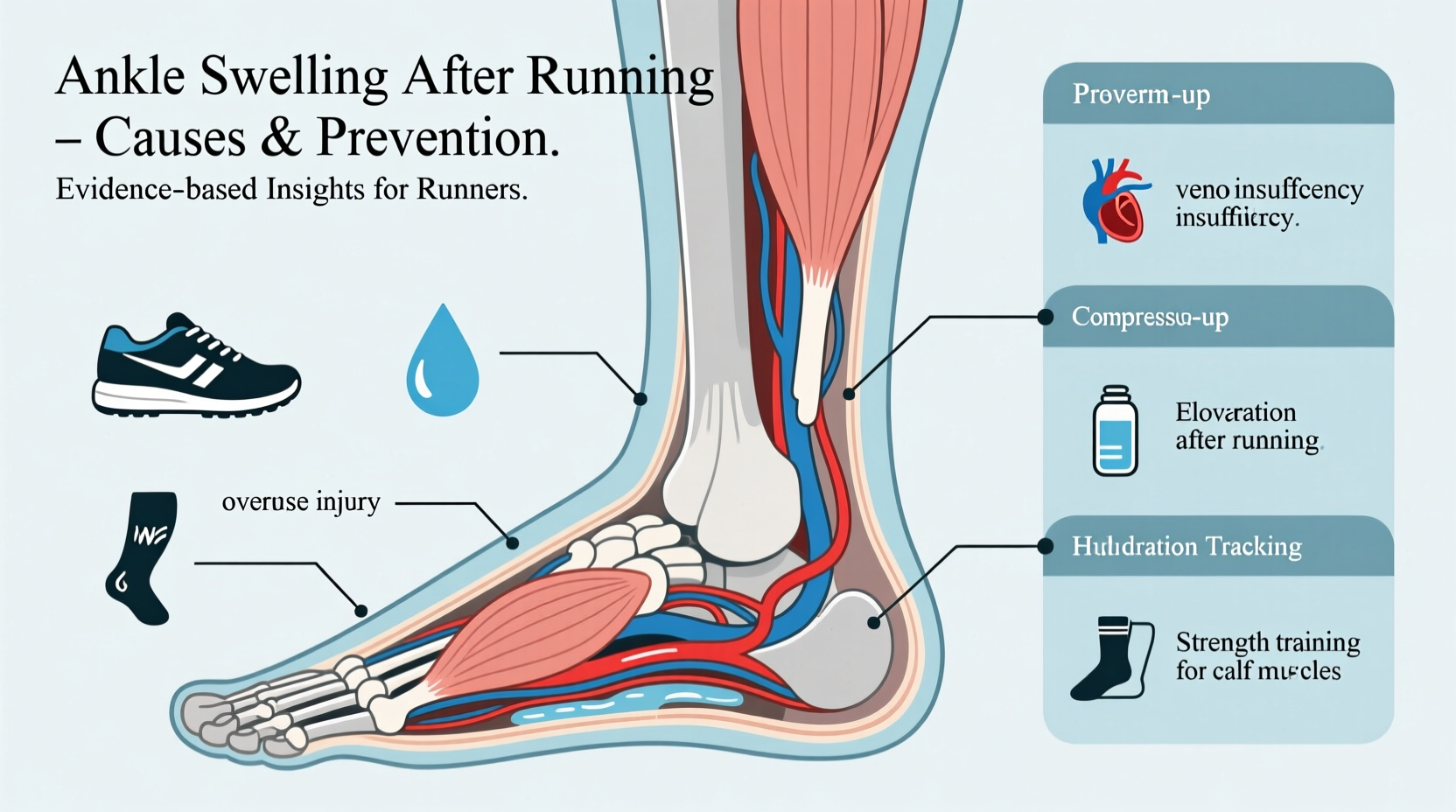
Ankle swelling, also known as edema, occurs when fluid accumulates in the tissues surrounding the joint. After running, this buildup is often a reaction to increased blood flow, minor tissue trauma, or inflammation caused by repetitive impact. The lower legs are especially prone to fluid pooling due to gravity and the extensive network of veins and capillaries involved in circulation.
When you run, your calf muscles contract rhythmically, helping pump blood back toward the heart. However, prolonged activity, especially on hard surfaces or uphill terrain, can temporarily overwhelm this system. This leads to minor leakage of fluid into surrounding tissues—particularly around the ankles, where venous pressure is naturally higher.
While mild swelling may resolve within hours, recurring or painful edema warrants deeper investigation. It’s important to differentiate between benign post-exercise inflammation and signs of injury or circulatory dysfunction.
Common Causes of Post-Run Ankle Swelling
Several factors contribute to ankle swelling after running. Some are related to biomechanics, others to environmental conditions or health status. Below are the most frequent causes:
- Overuse and microtrauma: Repetitive impact during running can cause tiny tears in soft tissues, leading to localized inflammation.
- Ankle sprains or previous injuries: Old ligament damage may not fully heal, making the joint more susceptible to fluid accumulation under stress.
- Poor footwear: Shoes with inadequate support or cushioning increase strain on joints and tendons, contributing to swelling.
- Hot weather: Heat expands blood vessels and reduces venous return efficiency, increasing fluid leakage into tissues.
- Excessive sodium intake: High salt levels promote water retention, which becomes noticeable in dependent areas like the ankles.
- Biomechanical imbalances: Overpronation, flat feet, or leg length discrepancies alter gait patterns and place uneven pressure on the ankle.
- Circulatory issues: Conditions like venous insufficiency or lymphatic obstruction impair fluid drainage, causing chronic swelling.
How Running Mechanics Influence Ankle Health
Your running form plays a critical role in how forces travel through your lower limbs. Even subtle inefficiencies—such as heel striking too hard or excessive inward rolling of the foot—can amplify stress on the ankle joint. Over time, these mechanical flaws lead to inflammation and compensatory swelling.
For example, runners who overpronate (roll their feet inward excessively) place extra tension on the posterior tibial tendon and deltoid ligament, both of which stabilize the inner ankle. This constant strain irritates tissues and triggers fluid release as part of the inflammatory response.
Likewise, tight calf muscles reduce ankle dorsiflexion—the ability to bend the foot upward—which increases ground reaction forces transmitted through the joint. Limited mobility forces other structures to absorb shock, raising the risk of swelling.
“Many runners overlook the connection between inflexible calves and recurrent ankle edema. Addressing range of motion early can prevent long-term joint instability.” — Dr. Lena Torres, Sports Medicine Physician
Prevention Checklist: Reduce Your Risk of Swelling
Proactive measures are the best defense against post-run ankle swelling. Use this checklist before, during, and after each run:
- Wear properly fitted running shoes with adequate arch support and heel cushioning.
- Replace shoes every 300–500 miles to maintain shock absorption.
- Warm up with dynamic stretches focusing on calves, Achilles, and ankles.
- Avoid running on cambered roads or uneven surfaces whenever possible.
- Stay hydrated but limit high-sodium foods before long runs.
- Cool down with walking and static stretching, including calf raises and ankle circles.
- Elevate legs above heart level for 15–20 minutes post-run if swelling tends to occur.
- Use compression socks during or after runs, especially in hot conditions.
When Injury Is the Real Culprit
Sometimes, ankle swelling isn't just a response to effort—it's a sign of injury. Common conditions that manifest with post-run swelling include:
- Acute ankle sprain: Stretching or tearing of ligaments, usually from rolling the foot inward.
- Tendonitis: Inflammation of tendons such as the peroneal or posterior tibialis, often due to overuse.
- Stress fractures: Tiny bone cracks in the talus or fibula, typically presenting with localized pain and swelling.
- Sinus tarsi syndrome: Inflammation in the small canal outside the ankle joint, common in runners with flat feet.
If swelling persists beyond 24–48 hours, worsens with activity, or is associated with bruising or difficulty bearing weight, medical evaluation is essential. Imaging tests like X-rays or MRIs may be needed to confirm diagnoses.
Mini Case Study: Recovering From Recurrent Swelling
Jamal, a 34-year-old recreational runner, began noticing his right ankle swelling consistently after 5K runs. At first, he dismissed it as normal fatigue. But after three months, the puffiness lasted for days, and he developed a dull ache along the outer ankle.
He consulted a sports physiotherapist, who identified weak peroneal muscles and mild chronic ankle instability from an old sprain he’d never properly rehabbed. Jamal was prescribed targeted strengthening exercises, custom orthotics, and advised to switch to a stability-focused running shoe.
Within six weeks of consistent rehab and improved footwear, his swelling decreased significantly. By addressing the root cause—not just the symptom—he regained confidence in his training without fear of flare-ups.
Effective Recovery Strategies After a Run
Recovery doesn’t end when you stop moving. What you do in the first hour post-run greatly influences how your body handles inflammation. Implement these evidence-based techniques to minimize swelling:
| Technique | How It Helps | Recommended Duration/Frequency |
|---|---|---|
| Elevation | Uses gravity to drain excess fluid from the lower extremities | 15–30 minutes, immediately after running |
| Compression | Improves venous return and limits fluid accumulation | Wear during or after long/hot runs; remove at night |
| Cold therapy | Constricts blood vessels and reduces acute inflammation | 10–15 minutes with ice pack (wrap in cloth) |
| Active recovery | Gentle movement keeps circulation flowing without adding strain | Light walk or cycling for 10–15 minutes post-run |
| Hydration with electrolyte balance | Supports kidney function and prevents fluid retention | Drink water + moderate sodium/potassium intake |
Long-Term Prevention: Building Resilience Into Your Routine
To truly prevent recurring ankle swelling, integrate preventive habits into your daily routine—not just on running days. Focus on building strength, improving mobility, and monitoring your body’s signals.
Step-by-Step Guide to Strengthening and Stability
- Assess your footwear: Visit a specialty running store for a gait analysis. Replace worn-out shoes promptly.
- Incorporate balance training: Stand on one foot for 1 minute daily, progressing to unstable surfaces like foam pads.
- Perform calf raises: 3 sets of 15 reps (double then single leg) to support ankle control.
- Stretch hamstrings and calves: Tightness here alters gait mechanics. Hold stretches for 30 seconds, twice daily.
- Add resistance band work: Use bands for ankle eversion/inversion exercises to strengthen lateral stabilizers.
- Monitor swelling trends: Keep a log of when and how much swelling occurs, noting potential triggers.
- Consult a professional: A physical therapist can design a personalized program based on your biomechanics.
“The strongest runners aren’t always the fastest—they’re the ones who listen to their bodies and address small issues before they become big problems.” — Rachel Kim, Certified Running Coach
Frequently Asked Questions
Is it normal for my ankles to swell slightly after running?
Yes, mild swelling can be normal, especially in warm weather or after longer runs. If it resolves within a few hours and isn’t painful, it’s likely due to temporary fluid redistribution. However, persistent or worsening swelling should be evaluated.
Can dehydration cause ankle swelling?
Paradoxically, yes. When dehydrated, the body may retain sodium and water to maintain blood volume, leading to fluid accumulation in the extremities. Proper hydration supports balanced fluid regulation.
Should I stop running if my ankle swells regularly?
Not necessarily—but you should modify your routine. Reduce mileage, avoid intense workouts, and focus on recovery and strengthening. Continuing to run without addressing the cause risks chronic injury.
Conclusion: Take Control of Your Ankle Health
Ankle swelling after running doesn’t have to be a routine part of your fitness journey. With awareness, proper preparation, and timely intervention, you can maintain healthy joints and continue running strong. Pay attention to your body’s cues, invest in quality gear, and prioritize recovery as seriously as your training.
Small changes—like upgrading your shoes, adding balance drills, or elevating your legs after a run—can make a lasting difference. Don’t wait for pain to force a pause. Start applying these strategies today to protect your mobility and keep every stride sustainable.




 浙公网安备
33010002000092号
浙公网安备
33010002000092号 浙B2-20120091-4
Comments
No comments yet. Why don't you start the discussion?