
Anal itching, medically known as pruritus ani, is a surprisingly common condition that affects millions of people worldwide. Despite its prevalence, it’s often shrouded in embarrassment, leading many to suffer in silence. The truth is, occasional irritation around the anus is normal, but persistent or severe itching can signal an underlying issue that requires attention. Understanding the root causes, effective relief methods, and warning signs can empower you to manage symptoms confidently and know when professional care is necessary.
Common Causes of Anal Itching
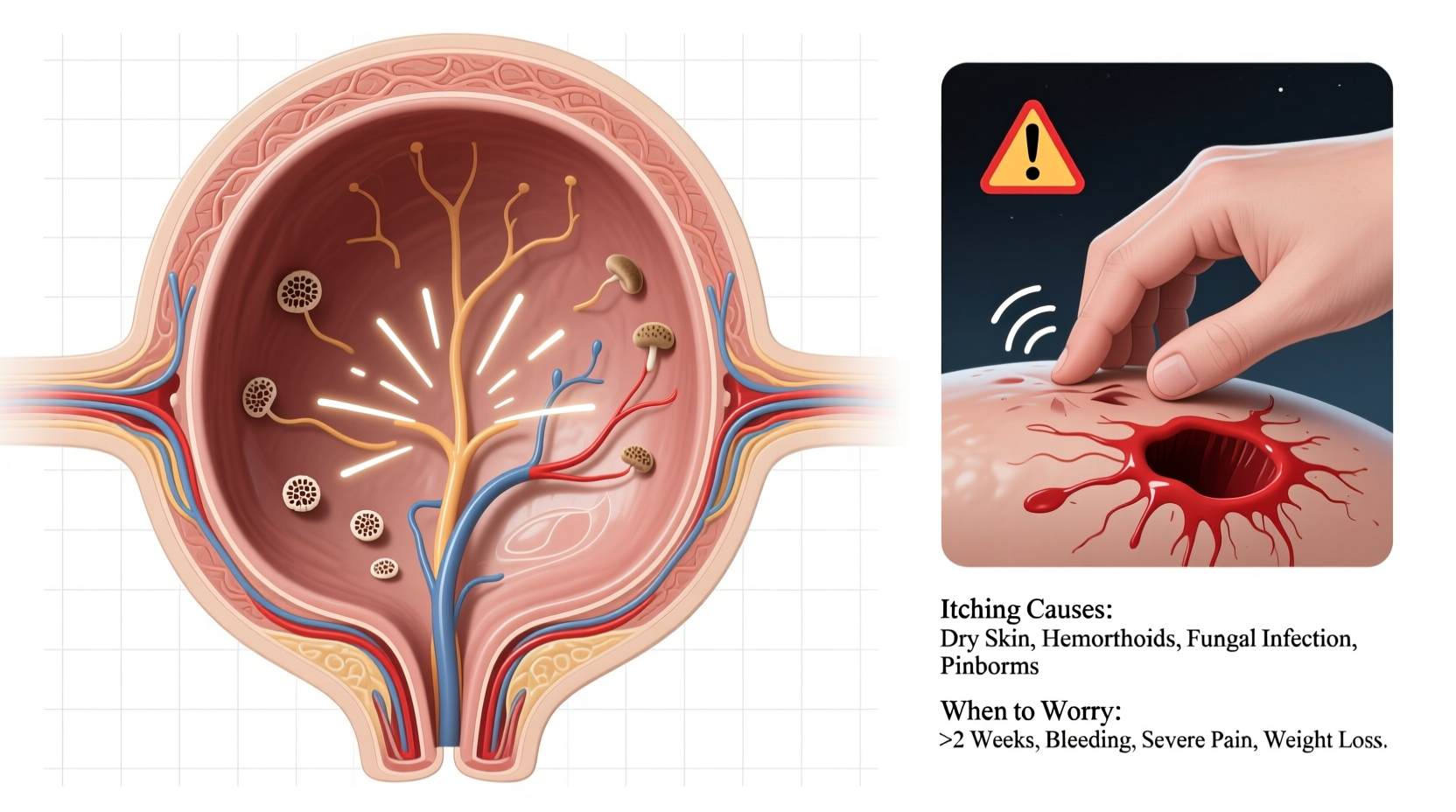
Anal itching isn’t a diagnosis—it’s a symptom with a wide range of potential causes. Some are simple and easily corrected; others may require medical evaluation. The most frequent culprits include:
- Poor hygiene: Incomplete cleaning after bowel movements leaves behind traces of stool, which can irritate sensitive skin.
- Excessive cleaning: Over-washing or using harsh soaps, wipes, or scrubbing can strip natural oils and damage the skin barrier.
- Moisture buildup: Sweat, mucus, or residual moisture from bathing can create a damp environment ideal for irritation and fungal growth.
- Dietary triggers: Spicy foods, caffeine, alcohol, citrus fruits, tomatoes, and dairy can increase rectal secretions or cause mild inflammation in sensitive individuals.
- Hemorrhoids: Swollen veins in the rectum or around the anus can produce mucus or cause minor leakage, leading to persistent moisture and itching.
- Fecal incontinence: Even minor leakage of stool can trigger irritation due to bacteria and digestive enzymes on the skin.
Infections and Skin Conditions That Trigger Itching
Beyond everyday habits, several medical conditions can directly cause or worsen anal itching. These require proper diagnosis and treatment:
- Fungal infections: Candida (yeast) thrives in warm, moist areas. Anal yeast infections often occur in people with diabetes, those taking antibiotics, or individuals with weakened immune systems.
- Pinworms: A common parasitic infection, especially in children. Pinworms lay eggs around the anus at night, causing intense nighttime itching.
- Skin disorders: Conditions like psoriasis, eczema, or lichen sclerosus can affect the perianal area, leading to dryness, cracking, and persistent itch.
- Sexually transmitted infections (STIs): Herpes, syphilis, HPV (genital warts), and trichomoniasis may present with anal itching, along with other symptoms like sores, discharge, or pain.
“Persistent anal itching should never be ignored. While often benign, it can be the first sign of an infection or inflammatory condition that needs targeted treatment.” — Dr. Lena Patel, Gastroenterology Specialist
Effective Relief Strategies and Home Care
For most cases of mild to moderate itching, conservative measures provide significant relief. The goal is to reduce irritation, restore skin health, and break the itch-scratch cycle.
Step-by-Step Guide to Soothe Anal Itching
- Keep the area clean and dry: After bowel movements, gently clean with water (use a peri-bottle or bidet) and pat dry—never rub.
- Avoid irritants: Stop using scented toilet paper, wet wipes with alcohol or fragrance, and harsh soaps.
- Apply a protective barrier: Use zinc oxide ointment (like diaper rash cream) or petroleum jelly to shield the skin from moisture.
- Wear breathable clothing: Choose loose-fitting cotton underwear and avoid tight pants to reduce sweating and friction.
- Use cold compresses: Apply a clean, cold cloth for 10–15 minutes to reduce inflammation and numb the itch.
- Consider over-the-counter treatments: Hydrocortisone cream (1%) can reduce inflammation but should not be used for more than 7–10 days without medical advice.
When to Worry: Red Flags That Need Medical Attention
Most cases of anal itching resolve within a few days with proper care. However, certain symptoms indicate a need for prompt medical evaluation:
| Symptom | What It Might Indicate | Action Step |
|---|---|---|
| Bleeding from the anus | Hemorrhoids, fissures, or colorectal issues | See a doctor for evaluation |
| Pain, swelling, or lumps | Anal abscess, fistula, or thrombosed hemorrhoid | Seek immediate care |
| Itching lasting more than 4 weeks | Chronic pruritus ani, infection, or skin disease | Consult a gastroenterologist or dermatologist |
| Visible worms or thread-like particles | Pinworm infestation | Treat with antiparasitic medication (prescription) |
| Open sores, blisters, or ulcers | STI or autoimmune skin disorder | Get tested and diagnosed |
Mini Case Study: When Relief Wasn’t Enough
James, a 42-year-old office worker, experienced worsening anal itching for six weeks. He tried gentle cleansing, zinc cream, and dietary changes—but the itching intensified at night. His partner noticed he was restless and irritable. Eventually, his doctor performed a tape test (placing clear tape on the anal area upon waking) and confirmed pinworms. After a single dose of mebendazole and strict household hygiene, symptoms resolved within days. This case highlights how even seemingly minor symptoms can have specific causes requiring medical intervention.
Prevention Checklist
Preventing recurrence is key, especially for chronic sufferers. Follow this checklist to minimize future episodes:
- ✅ Clean the anal area gently with water only
- ✅ Dry thoroughly after bathing or bowel movements
- ✅ Wear 100% cotton underwear and change daily
- ✅ Avoid spicy foods, coffee, and alcohol if they trigger symptoms
- ✅ Don’t scratch, even when the urge is strong
- ✅ Treat constipation or diarrhea promptly
- ✅ Schedule follow-ups if symptoms persist beyond two weeks
Frequently Asked Questions
Can stress make anal itching worse?
Yes. Stress doesn’t cause anal itching directly, but it can heighten skin sensitivity and lead to unconscious scratching. Additionally, stress impacts digestion and immune function, potentially worsening underlying conditions like hemorrhoids or IBS.
Is anal itching a sign of cancer?
Rarely, but it’s possible. Persistent itching, especially with changes in bowel habits, bleeding, or a lump near the anus, could indicate anal or colorectal cancer. While such cases are uncommon, prolonged unexplained symptoms warrant investigation.
Can hemorrhoids cause long-term itching?
Absolutely. Internal hemorrhoids may secrete mucus that irritates the surrounding skin. External hemorrhoids can trap moisture and make cleaning difficult, creating a cycle of irritation. Treating the hemorrhoids often resolves the itching.
Conclusion: Take Control of Your Comfort
Anal itching is more than just a nuisance—it can disrupt sleep, affect mood, and impact daily life. But with the right knowledge, most cases are manageable through simple hygiene adjustments and lifestyle changes. The key is consistency and awareness: treat the skin gently, identify triggers, and don’t hesitate to seek help when symptoms persist. Your health deserves attention, not silence. If you’ve been struggling with this issue, take action today—start with one small change, and build toward lasting relief.




 浙公网安备
33010002000092号
浙公网安备
33010002000092号 浙B2-20120091-4
Comments
No comments yet. Why don't you start the discussion?