
If you’ve noticed a foul, rotten-egg-like odor wafting into your apartment only during or after rainfall, you're not imagining things—and you're certainly not alone. This unsettling phenomenon affects countless urban and suburban dwellers, especially those in multi-unit buildings or older housing complexes. The sudden appearance of sewage smells when it rains can be alarming, but it's usually rooted in identifiable plumbing issues rather than something catastrophic. Understanding the mechanics behind this intermittent stench is the first step toward eliminating it permanently.
Sewage odors are typically caused by hydrogen sulfide gas, which forms as organic waste breaks down in drain systems. Under normal conditions, plumbing traps and vent systems prevent these gases from entering living spaces. But when rain alters pressure dynamics, overwhelms drainage capacity, or compromises system integrity, that protection can fail—allowing noxious air to seep indoors. The fact that the smell appears only during rain suggests a weather-dependent trigger, which narrows down the possible culprits significantly.
How Rain Affects Your Building’s Plumbing System
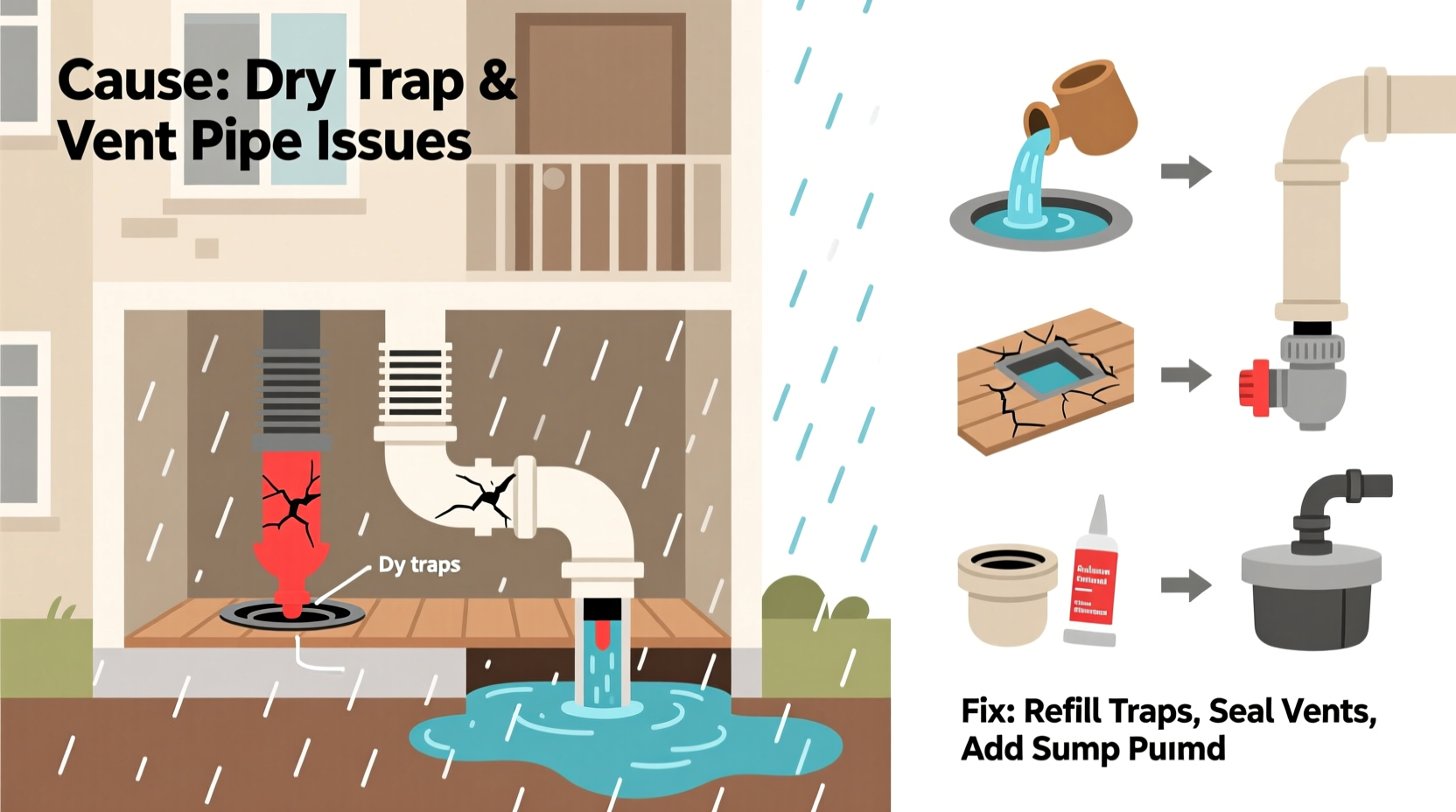
Rainfall doesn’t just soak the ground—it interacts with every part of a building’s infrastructure, including its plumbing. When heavy rain saturates the soil around sewer lines, several changes occur:
- Increased groundwater pressure: As water accumulates underground, it exerts hydrostatic pressure on buried pipes. Cracked or poorly sealed sewer lines can allow wastewater and gases to escape into surrounding soil—and potentially be drawn into your unit through floor drains or foundation cracks.
- Stormwater infiltration: In older buildings, storm drains and sanitary sewers may be improperly connected. Heavy rain can overwhelm combined systems, forcing sewage to back up or release gases into indoor spaces.
- Plumbing vent interference: Roof-mounted vent stacks allow sewer gases to escape safely outdoors. If rainwater floods these vents or wind drives rain down them during storms, negative pressure shifts can pull gases backward through traps and into your apartment.
The timing of the odor—only during or shortly after rain—is a critical diagnostic clue. It indicates that the issue isn't constant blockage or a dry trap (which would cause year-round smells), but rather a dynamic failure triggered by environmental changes.
Common Causes of Rain-Triggered Sewage Smells
Several specific plumbing failures can explain why sewage odors emerge only when it rains. Identifying the most likely cause helps determine the right fix.
1. Dry P-Traps in Floor Drains
Floor drains in utility rooms, basements, or laundry areas rely on water-filled P-traps to block sewer gases. During dry periods, these traps can evaporate. Rain increases humidity and air pressure changes, which may draw gases from dry traps into your space. However, if the smell appears *only* when it rains, evaporation alone is unlikely the sole cause—unless the rain triggers condensation or airflow shifts that make existing gas more noticeable.
2. Cracked or Damaged Sewer Lines
Underground sewer laterals or building main stacks can crack due to shifting soil, tree roots, or age. When rain saturates the ground, water pressure forces sewer gases out of cracks and into nearby crawl spaces or slab foundations. These gases then migrate upward through floor joints, walls, or utility penetrations.
3. Blocked or Flooded Vent Stacks
Vent stacks on the roof allow air to move freely through the plumbing system. If leaves, debris, or ice clog the vent, or if heavy rain pours directly into an uncovered pipe, the system can become pressurized. This forces gases to escape through the path of least resistance—often a floor drain or sink with a weak trap seal.
4. Improperly Sloped or Clogged Drain Lines
Drain lines must slope correctly to carry waste efficiently. If a section is flat or blocked, wastewater stagnates, producing gas. Rain increases flow volume, disturbing stagnant material and releasing trapped gases into the system, which may backflow into your unit.
5. Shared Plumbing Stack Issues (Multi-Unit Buildings)
In apartments, all units typically connect to a central soil stack. If an upper-floor tenant has a dry trap, damaged fixture, or improper modification, gases can accumulate. Rain-induced pressure changes in the stack can push these odors downward into lower units—especially those near the base where pressure differentials are strongest.
“Intermittent sewage smells tied to weather often point to compromised venting or external infiltration. The key is diagnosing whether the issue originates inside or outside the building envelope.” — Carlos Mendez, Master Plumber & Building Systems Consultant
Step-by-Step Guide to Diagnose and Fix the Problem
Resolving rain-related sewage odors requires systematic investigation. Follow this timeline to isolate and address the root cause.
- Document the Pattern (Day 1–3)
Record each occurrence: time, duration, location in the apartment, and weather conditions. Note whether the smell comes from sinks, showers, floor drains, or seems to rise from the floor. - Inspect All Drains (Day 4)
Pour a quart of water into every drain, especially floor drains, shower traps, and infrequently used sinks. This reseals dry P-traps. Wait 24 hours. If the smell stops during the next rain, dry traps were likely the issue. - Check for Vent Blockages (Day 5)
If accessible, inspect the roof vent stack. Look for debris, bird nests, or standing water. Use a plumber’s snake or garden hose to gently clear obstructions. Never climb onto a wet roof—hire a professional if needed. - Test for Gas Migration (Day 6)
At night, turn off all lights and use a flashlight to check for gaps around pipes, floor drains, or basement walls. Drafts can carry gases indoors. Seal visible gaps with waterproof caulk or expanding foam. - Hire a Licensed Plumber (Day 7+)
If the smell persists, schedule a professional inspection. Request:- Camera sewer line inspection to check for cracks or root intrusion
- Smoke test to detect leaks in the vent or drain system
- Pressure testing of underground lines
Do’s and Don’ts: Managing Sewage Odors in Apartments
| Do | Don’t |
|---|---|
| Pour water down unused drains monthly to maintain trap seals | Ignore recurring odors—even if they disappear between rains |
| Contact building management immediately with documented evidence | Use chemical drain cleaners excessively—they can damage pipes over time |
| Seal gaps around plumbing penetrations with silicone or foam | Assume the problem is yours alone—shared systems mean shared responsibility |
| Install inline charcoal vent filters on persistent floor drains | Attempt major repairs without permits or professional oversight |
Real-World Example: A Case from Seattle
In a 1970s-era apartment complex in Seattle, tenants on the ground floor of Building C began reporting sewage smells exclusively during heavy winter rains. Management initially dismissed it as “old pipes,” but complaints grew. A licensed plumber was hired to conduct a smoke test.
The test revealed that smoke escaped not from the roof vent, but from a cracked cleanout access near the building’s foundation. Further camera inspection showed tree roots had fractured the main sewer lateral. During dry months, the crack remained relatively sealed. But when rain saturated the soil, groundwater pushed sewer gases out of the crack and into the adjacent utility crawlspace—then up through floor grates into the apartments.
The fix involved excavating and replacing 20 feet of damaged pipe, installing root barriers, and sealing interior entry points. After repairs, no further odors were reported—even during record rainfall.
This case underscores how localized damage, invisible from inside the apartment, can cause widespread nuisance. Early intervention prevented structural damage and potential health concerns.
Preventive Checklist for Tenants and Property Managers
- ✅ Schedule annual plumbing inspections for multi-unit buildings
- ✅ Ensure all floor drains have functioning P-traps and are filled with water
- ✅ Clear roof vents of debris before rainy seasons
- ✅ Monitor for slow drains or gurgling sounds—early signs of blockage
- ✅ Educate tenants on proper drain use (no grease, wipes, or excessive chemicals)
- ✅ Maintain landscaping to divert runoff away from foundation walls
- ✅ Install backwater valves in basements or low-level units in flood-prone areas
Frequently Asked Questions
Is sewage smell during rain dangerous?
Occasional exposure to low levels of sewer gas is generally not harmful, but prolonged inhalation can cause headaches, nausea, and irritation. Hydrogen sulfide is toxic at high concentrations. If the smell is strong or persistent, take it seriously and investigate promptly.
Can I fix this myself, or do I need a plumber?
You can perform basic maintenance—like refilling traps or cleaning accessible vents—but diagnosing underground or structural issues requires specialized tools and expertise. Always involve a licensed plumber if the problem recurs, especially in a rental unit where liability and code compliance matter.
Why do only some apartments smell while others don’t?
Odor distribution depends on proximity to the leak, floor level, ventilation, and building pressure dynamics. Lower units near the base of soil stacks or over compromised sewer lines are most vulnerable. Differences in interior sealing and airflow also play a role.
Conclusion: Take Action Before the Next Storm
A sewage smell in your apartment during rain is not something to normalize. While it may seem minor when it fades with the weather, it signals a flaw in your building’s sanitation defenses. Left unaddressed, small cracks can widen, blockages can worsen, and temporary discomfort can evolve into chronic air quality issues—or even costly water damage.
Whether you’re a tenant or property manager, proactive communication and timely intervention are essential. Document the issue, engage qualified professionals, and insist on thorough diagnostics. Modern plumbing technology makes it possible to locate and repair hidden problems with minimal disruption.




 浙公网安备
33010002000092号
浙公网安备
33010002000092号 浙B2-20120091-4
Comments
No comments yet. Why don't you start the discussion?