
Waking up with a numb arm is a surprisingly common experience—so common that many people dismiss it as normal. But recurring numbness isn't something to ignore. While occasional tingling might result from sleeping in an awkward position, persistent or frequent episodes can signal underlying issues related to nerves, circulation, or posture. Understanding the root causes and knowing how to prevent them can make a significant difference in both comfort and long-term health.
Common Causes of Arm Numbness During Sleep
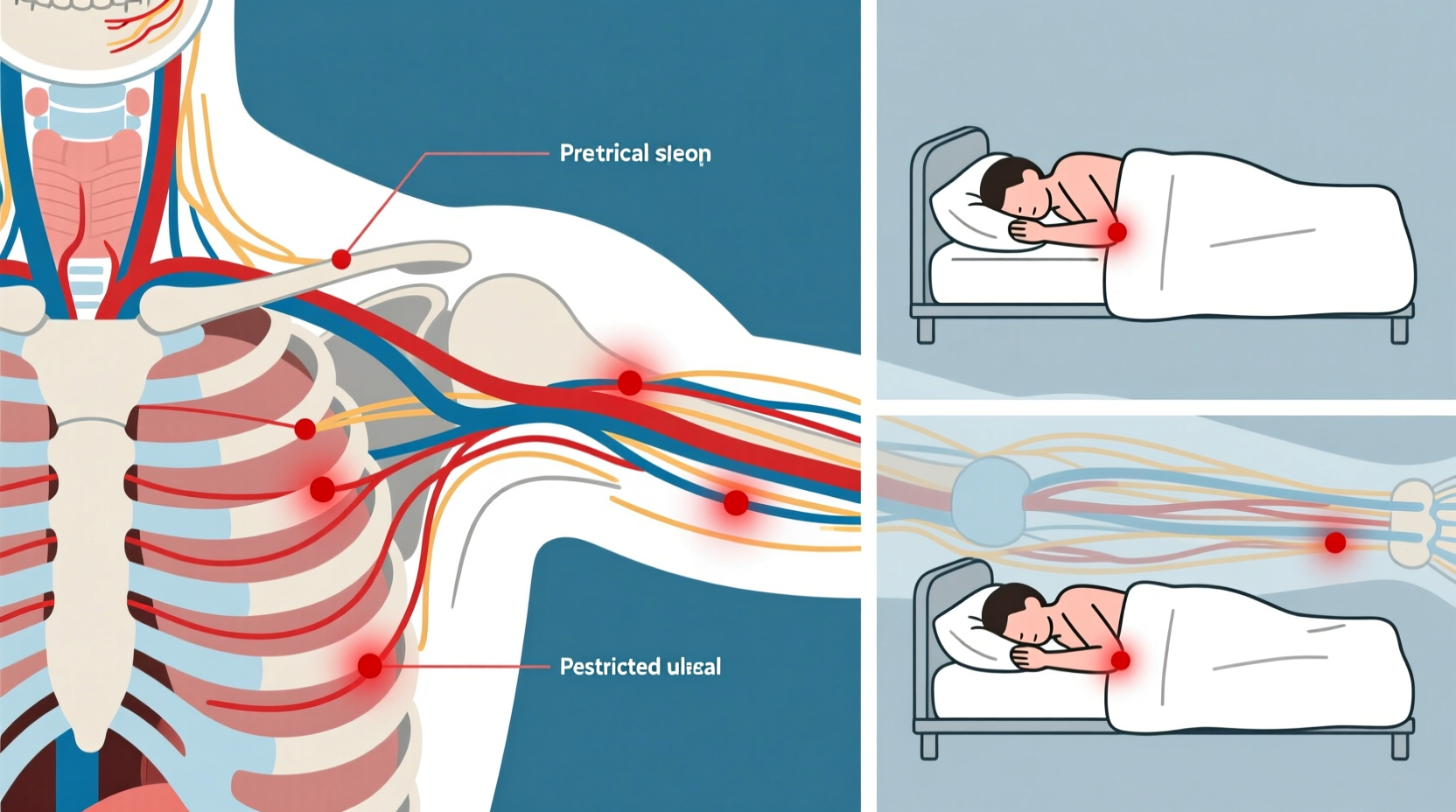
Numbness occurs when nerves are compressed or blood flow is restricted. During sleep, your body remains in one position for hours, increasing the risk of pressure on nerves or vessels. The most frequent causes include:
- Compression of the brachial plexus: This network of nerves runs from your neck through your shoulders and arms. Lying on your arm or shoulder for too long can pinch these nerves, leading to temporary numbness or “pins and needles.”
- Cervical radiculopathy: A pinched nerve in the neck, often due to herniated discs or spinal degeneration, can cause radiating numbness into the arm, especially during certain sleep positions.
- Thoracic outlet syndrome (TOS): This condition involves compression of nerves or blood vessels between the collarbone and first rib. Symptoms often worsen at night due to posture.
- Diabetes-related neuropathy: High blood sugar levels over time damage peripheral nerves, increasing susceptibility to numbness—even during rest.
- Poor circulation: Sleeping in a way that restricts blood flow—such as tucking your arm under your pillow—can lead to temporary ischemia and numbness.
- Carpal tunnel syndrome: Although typically associated with hand use, this condition can flare up at night when wrists are bent during sleep, compressing the median nerve.
“Nighttime arm numbness is often positional, but if it happens regularly or spreads beyond the arm, it’s worth evaluating for nerve or spine issues.” — Dr. Lena Patel, Neurologist at Boston Spine Institute
How Sleep Position Influences Arm Sensation
Your sleeping posture plays a major role in whether your arm stays healthy and functional throughout the night. Certain positions place more strain on nerves and joints than others.
Sleeping on Your Side
This is one of the most popular sleep positions, but it's also a prime culprit for arm numbness. When you lie directly on your shoulder or let your top arm drape across your body, you compress nerves in the shoulder and upper arm. Over time, this can irritate the ulnar or radial nerves, causing numbness in the forearm or hand.
Sleeping on Your Stomach
If you sleep face-down, you likely turn your head to one side and extend your arms above or beside your head. This stretches the brachial plexus and may reduce circulation, leading to numbness upon waking. It also places unnatural stress on the cervical spine.
Sleeping on Your Back
Generally considered the safest position for spinal alignment, back sleeping minimizes nerve compression. However, if you rest your arms overhead or allow them to fall behind you, you risk stretching or pinching nerves near the armpit or shoulder joint.
Prevention Strategies for Nighttime Arm Numbness
Preventing numbness starts with awareness and small adjustments to your nightly routine. Most cases can be resolved with lifestyle changes rather than medical intervention.
Optimize Your Pillow and Mattress Setup
A supportive mattress and properly sized pillow help maintain neutral spinal alignment. If your neck is tilted too far forward or backward, it can contribute to nerve impingement. Memory foam or adjustable pillows can support the natural curve of your neck, reducing strain on cervical nerves.
Use Supportive Pillows for Arm Placement
Side sleepers benefit from placing a firm pillow between their arms to prevent the top arm from bearing weight. Back sleepers can place a slim pillow under each arm to keep them elevated and relaxed. For stomach sleepers, transitioning to another position is ideal—but if unavoidable, using a thin pillow under the chest can reduce shoulder elevation.
Avoid Tight Clothing or Constrictive Sleeves
Sleeping in tight pajamas or shirts with snug cuffs can compress blood vessels and nerves, especially around the biceps or wrist. Opt for loose-fitting clothing made from breathable fabrics.
Stretch Before Bed
Gentle stretching of the neck, shoulders, and arms improves flexibility and reduces muscle tension that could contribute to nerve compression. Focus on shoulder rolls, neck tilts, and wrist extensions.
| Sleep Position | Risk Level | Recommended Adjustment |
|---|---|---|
| Side sleeping | High | Place pillow between arms; align head with spine |
| Stomach sleeping | Very High | Switch to back/side; use chest pillow to reduce strain |
| Back sleeping | Low | Support arms with pillows; keep wrists neutral |
When to Seek Medical Attention
Occasional numbness after sleeping in a strange position is usually harmless. However, certain red flags suggest a need for professional evaluation:
- Numbness persists for more than 30 minutes after waking
- Weakness accompanies the numbness (e.g., difficulty gripping objects)
- Shooting pain travels from the neck down the arm
- Symptoms occur daily or spread to other limbs
- You have a history of diabetes, arthritis, or previous neck injuries
In such cases, a healthcare provider may recommend imaging tests like an MRI or nerve conduction studies to assess for cervical spine issues, thoracic outlet syndrome, or peripheral neuropathy.
“I had patients come in with chronic morning numbness thinking it was just ‘bad sleep.’ After diagnosis, we found early-stage cervical disc herniation. Early intervention prevented further nerve damage.” — Dr. Marcus Tran, Physical Medicine Specialist
Step-by-Step Guide to Prevent Arm Numbness at Night
Follow this nightly routine to minimize the risk of waking up with a dead arm:
- Evening Stretch (5–10 minutes): Perform gentle neck rotations, shoulder shrugs, and wrist circles to release tension.
- Adjust Sleep Environment: Ensure your pillow supports your head without elevating your neck excessively. Replace sagging mattresses every 7–10 years.
- Choose a Safe Sleep Position: Favor back sleeping. If you’re a side sleeper, use a body pillow to maintain alignment.
- Position Arms Correctly: Keep arms close to your body, elbows slightly bent. Use a pillow to support the forearm if needed.
- Check Clothing and Bedding: Remove tight sleeves or watches before bed. Avoid heavy blankets that press down on shoulders.
- Monitor Symptoms Weekly: Keep a brief log of numbness episodes—frequency, duration, affected arm—to share with a doctor if needed.
Real-Life Example: Recovering from Chronic Numbness
James, a 42-year-old software developer, began noticing his left arm going numb almost every night. At first, he dismissed it as poor posture, but when the tingling started lasting into the morning and affecting his typing, he consulted a physical therapist. After an assessment, James learned he had mild cervical radiculopathy caused by years of hunching over a keyboard and sleeping on a worn-out pillow.
His treatment plan included replacing his pillow, doing daily neck and shoulder exercises, and switching to back sleeping with arm support. Within six weeks, his nighttime numbness decreased dramatically. By addressing both daytime ergonomics and sleep habits, James not only resolved the numbness but also improved his overall posture and energy levels.
Checklist: Prevent Arm Numbness While You Sleep
- ✅ Replace old or unsupportive pillows
- ✅ Avoid sleeping on your stomach or with arms overhead
- ✅ Stretch neck and shoulders before bedtime
- ✅ Wear loose-fitting sleepwear
- ✅ Use a supportive mattress (replace if >8 years old)
- ✅ Place a pillow between arms (side sleepers)
- ✅ Keep wrists in a neutral position
- ✅ Monitor symptoms and consult a doctor if persistent
Frequently Asked Questions
Is it dangerous if my arm goes numb every time I sleep?
Recurrent numbness isn’t normal and may indicate nerve compression or circulatory issues. While not always serious, consistent symptoms should be evaluated to rule out conditions like cervical spine disease or thoracic outlet syndrome.
Can carpal tunnel syndrome cause arm numbness at night?
Yes. Carpal tunnel primarily affects the hand, but the tingling can radiate up the forearm, especially when the wrist is bent during sleep. Wearing a wrist splint at night can help maintain a neutral position and reduce symptoms.
Will changing my sleep position really make a difference?
Absolutely. Research shows that positional changes significantly reduce nerve compression events during sleep. One study found that 70% of participants who switched from stomach to back sleeping reported reduced limb numbness within four weeks.
Take Control of Your Sleep Health
Arm numbness during sleep is more than just a minor annoyance—it’s your body’s way of signaling that something is off. Whether it’s a simple fix like adjusting your pillow or a deeper issue requiring medical attention, taking action now can prevent long-term complications. Small changes in posture, bedding, and routine can restore restful nights and protect your nervous system. Don’t wait for symptoms to worsen. Start tonight by making one adjustment to your sleep setup and observe the difference.




 浙公网安备
33010002000092号
浙公网安备
33010002000092号 浙B2-20120091-4
Comments
No comments yet. Why don't you start the discussion?