
Waking up with a numb arm is more than just an inconvenience—it can be alarming. You might shake it out, wait for the tingling to fade, and assume it's due to sleeping in an awkward position. While that’s often true, frequent or persistent numbness could signal something more serious: nerve compression. Understanding the underlying mechanisms, recognizing warning signs, and knowing when to take action are essential steps toward protecting your long-term nerve health.
How Nerve Compression Causes Arm Numbness During Sleep
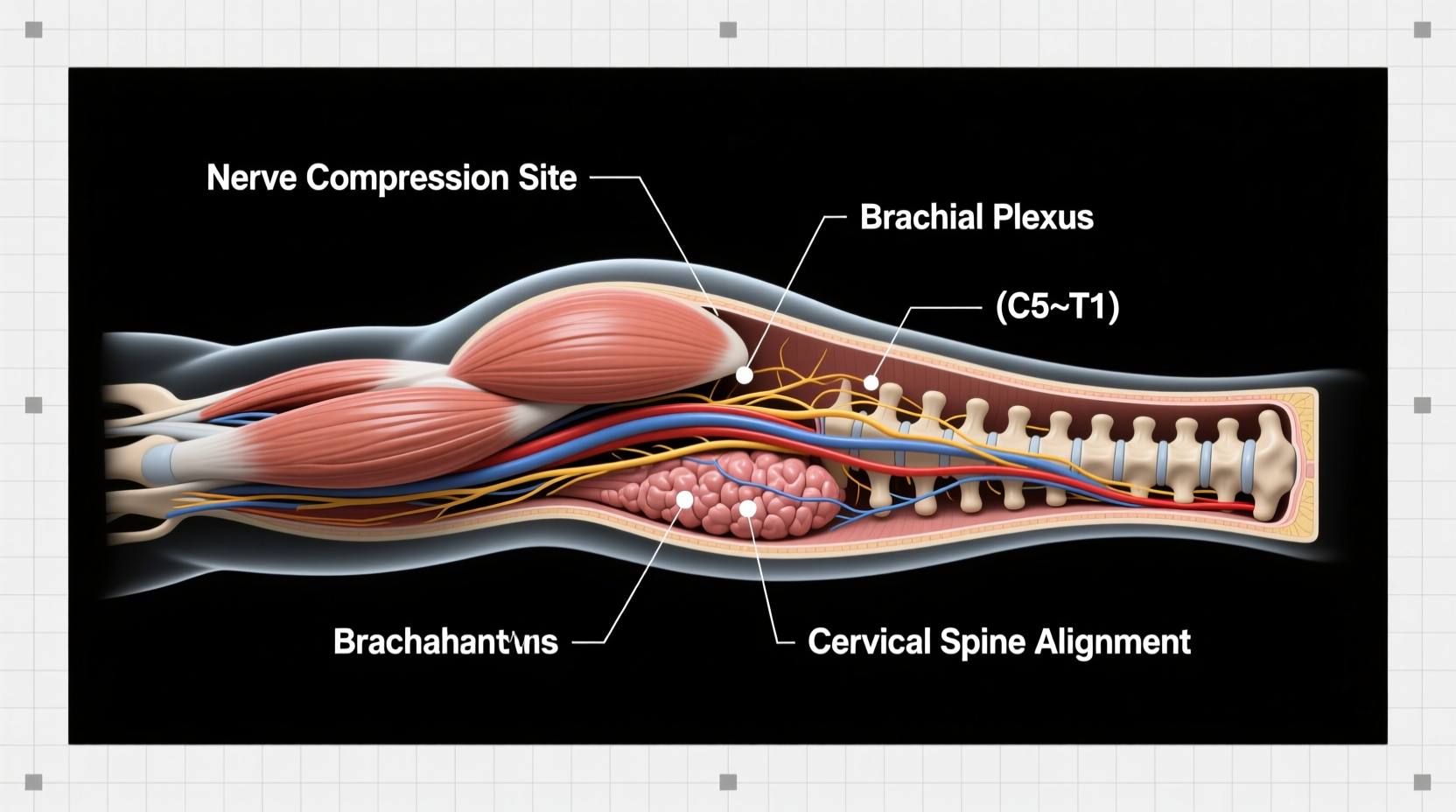
Nerves transmit signals between your brain and body. When pressure is applied to a nerve—especially over a prolonged period like during sleep—the transmission of those signals can be disrupted. This disruption manifests as numbness, tingling (often described as \"pins and needles\"), or even weakness in the affected limb.
The most common nerves involved in nighttime arm numbness are the ulnar, median, and radial nerves. Each follows a specific pathway from your neck down to your hand:
- Ulnar nerve: Runs along the inner side of your elbow (\"funny bone\") and controls sensation in your ring and little fingers. Pressure here—like resting your elbow on a hard surface while sleeping—can cause numbness in the pinky and half of the ring finger.
- Median nerve: Passes through the carpal tunnel in your wrist. Compression here leads to carpal tunnel syndrome, often causing numbness in the thumb, index, middle, and part of the ring finger—especially at night.
- Radial nerve: Travels down the back of your arm and forearm. Less commonly compressed during sleep, but improper positioning (e.g., arm draped over a chair) can still affect it.
Sleeping with your arms above your head, under your pillow, or bent sharply at the elbow increases pressure on these nerves. The longer the compression lasts, the more likely symptoms will persist beyond waking.
Common Causes of Nighttime Arm Numbness
While poor sleep posture is the most frequent culprit, other medical conditions may contribute to or worsen nerve compression during sleep:
Carpal Tunnel Syndrome (CTS)
A leading cause of nocturnal hand and arm numbness. Swelling in the wrist compresses the median nerve, and lying flat at night can increase fluid retention, exacerbating symptoms. Many people report waking up needing to \"shake out\" their hands.
Cervical Radiculopathy
This occurs when a nerve root in the neck becomes compressed, often due to a herniated disc or spinal arthritis. Symptoms typically radiate from the neck down the arm, affecting specific fingers depending on which nerve is involved. Sleeping with poor neck alignment can intensify this compression.
Thoracic Outlet Syndrome (TOS)
A less common but serious condition where nerves or blood vessels between your collarbone and first rib are compressed. It can cause numbness, pain, and weakness in the arm and hand, often worsened by overhead sleeping positions.
Diabetes and Peripheral Neuropathy
Chronic high blood sugar damages nerves throughout the body, making them more susceptible to compression. Diabetics may experience more frequent or severe numbness, even with mild pressure.
Pregnancy
Hormonal changes and fluid retention during pregnancy increase the risk of carpal tunnel syndrome, particularly in the third trimester. Nocturnal numbness in the hands is a common complaint.
“Recurrent nighttime numbness shouldn’t be dismissed as just ‘sleeping wrong.’ If it happens more than twice a week or wakes you consistently, it’s time to consider nerve involvement.” — Dr. Alan Pierce, Neurologist, Johns Hopkins Medicine
Signs Your Numbness May Be More Than Just Positional
Occasional numbness after sleeping on your arm is normal. But certain patterns suggest underlying nerve compression that needs attention:
| Normal (Positional) | Potentially Serious (Nerve Compression) |
|---|---|
| Numbness resolves within seconds to minutes after changing position | Symptoms last 10+ minutes after waking or recur frequently |
| Only happens occasionally (once every few weeks) | Occurs multiple times per week |
| Affects entire arm briefly (from shoulder to hand) | Follows a specific nerve path (e.g., only pinky and ring finger) |
| No daytime symptoms | Experiences tingling, weakness, or pain during daily activities |
| No known medical conditions | History of diabetes, arthritis, or prior neck/shoulder injury |
Red Flags That Require Medical Evaluation
- Weakness in the hand (e.g., difficulty gripping objects or buttoning shirts)
- Muscle wasting, especially at the base of the thumb
- Numbness that spreads or becomes constant
- Pain radiating from the neck down the arm
- Bilateral arm numbness (both arms affected)
Prevention and Immediate Relief Strategies
You don’t have to live with nighttime arm numbness. Simple adjustments to your sleep habits and environment can make a significant difference.
Optimize Your Sleep Posture
Your sleeping position plays a major role in nerve health. Side sleepers are especially prone to arm compression if they lie directly on their shoulder or keep their arms bent tightly.
- Use a supportive pillow that keeps your neck aligned with your spine.
- Place a pillow between your arms if you're a side sleeper to prevent direct pressure.
- Avoid folding your arms under your chest or pillow.
- If you tend to raise your arms overhead, try wearing a lightweight sleeve or using a body pillow to discourage the habit.
Ergonomic Adjustments Before Bed
Daily habits influence nighttime symptoms. Repetitive strain during the day can prime nerves for compression at night.
- Take breaks from typing or phone use every hour.
- Keep wrists neutral when using devices—avoid bending them upward or downward.
- Stretch your neck, shoulders, and wrists before bed to reduce muscle tension.
Nighttime Bracing for Carpal Tunnel
Wearing a wrist splint at night keeps the wrist in a neutral position, preventing the natural curling that compresses the median nerve. Studies show that consistent nighttime bracing improves symptoms in up to 70% of mild-to-moderate CTS cases.
“Patients who wear wrist splints nightly often report fewer awakenings and improved grip strength within two weeks.” — Dr. Lena Torres, Hand Specialist, Mayo Clinic
Step-by-Step Guide to Addressing Recurrent Arm Numbness
If numbness persists despite positional changes, follow this structured approach:
- Week 1: Track Symptoms
Record each episode—time, duration, affected fingers, sleeping position, and any daytime symptoms. - Week 2: Modify Sleep Environment
Introduce ergonomic pillows, avoid arm elevation, and begin wrist splinting if hand numbness is present. - Week 3: Add Nerve Gliding Exercises
Perform gentle nerve flossing routines (e.g., median nerve glides) twice daily to improve nerve mobility. - Week 4: Evaluate Progress
If symptoms decrease by 50% or more, continue current regimen. If not, consult a healthcare provider. - Seek Medical Evaluation
A doctor may recommend nerve conduction studies, imaging (MRI or X-ray), or refer you to a neurologist or orthopedic specialist.
Mini Case Study: Sarah’s Experience with Ulnar Nerve Compression
Sarah, a 42-year-old graphic designer, began waking up several times a week with her left hand completely numb—specifically her ring and pinky fingers. Initially, she dismissed it as poor sleeping posture. Over three months, the episodes became more frequent, and she started noticing weakness when holding her coffee cup.
After tracking her symptoms and trying a wrist brace (with no improvement), she visited a neurologist. An EMG test revealed moderate ulnar nerve compression at the elbow. The diagnosis explained why her symptoms followed a specific nerve path and didn’t respond to wrist support.
Her treatment plan included avoiding prolonged elbow flexion, using a soft elbow pad at night, and physical therapy. Within six weeks, her nighttime numbness decreased dramatically, and hand strength improved.
Sarah’s case illustrates the importance of identifying the correct nerve involved and tailoring treatment accordingly—not all numbness is carpal tunnel.
FAQ: Common Questions About Arm Numbness During Sleep
Can sleeping on your arm cause permanent nerve damage?
Short-term compression usually doesn’t cause lasting harm. However, repeated or prolonged pressure—especially if symptoms persist beyond waking—can lead to chronic nerve irritation or axon degeneration. In rare cases, untreated compression results in permanent sensory loss or muscle weakness.
Is arm numbness during sleep a sign of heart attack?
Not typically. Heart attack-related arm pain usually affects the left arm, comes with chest pressure, shortness of breath, nausea, or sweating, and isn’t limited to numbness. However, if arm symptoms occur with any cardiac warning signs, seek emergency care immediately.
Should I see a doctor if my arm goes numb every night?
Yes. Frequent nocturnal numbness warrants evaluation, especially if it disrupts sleep or progresses. Early intervention can prevent worsening nerve damage and may avoid surgery in conditions like carpal tunnel or cervical radiculopathy.
Conclusion: Take Action Before Numbness Becomes Chronic
Arm numbness during sleep is common, but recurring episodes should never be ignored. What starts as an occasional annoyance can evolve into chronic nerve dysfunction if the root cause remains unaddressed. By understanding the anatomy of nerve pathways, recognizing red flags, and making simple yet effective lifestyle adjustments, you can protect your nervous system and improve sleep quality.
Start tonight: adjust your sleeping position, monitor your symptoms, and don’t hesitate to seek professional guidance if numbness persists. Your nerves are signaling for attention—listen before the message becomes irreversible.




 浙公网安备
33010002000092号
浙公网安备
33010002000092号 浙B2-20120091-4
Comments
No comments yet. Why don't you start the discussion?