
Occasional muscle twitches—especially in the arms—are more common than most people realize. You might be sitting at your desk, relaxing on the couch, or even mid-conversation when a small part of your forearm or upper arm suddenly jumps or flickers. These involuntary contractions, known medically as fasciculations, are usually fleeting and painless. For many, they’re nothing more than a minor bodily quirk. But when do these random twitches cross the line from normal to something that warrants medical attention? Understanding the causes, triggers, and warning signs can help you determine whether your symptoms are benign or require further evaluation.
What Causes Random Arm Twitching?
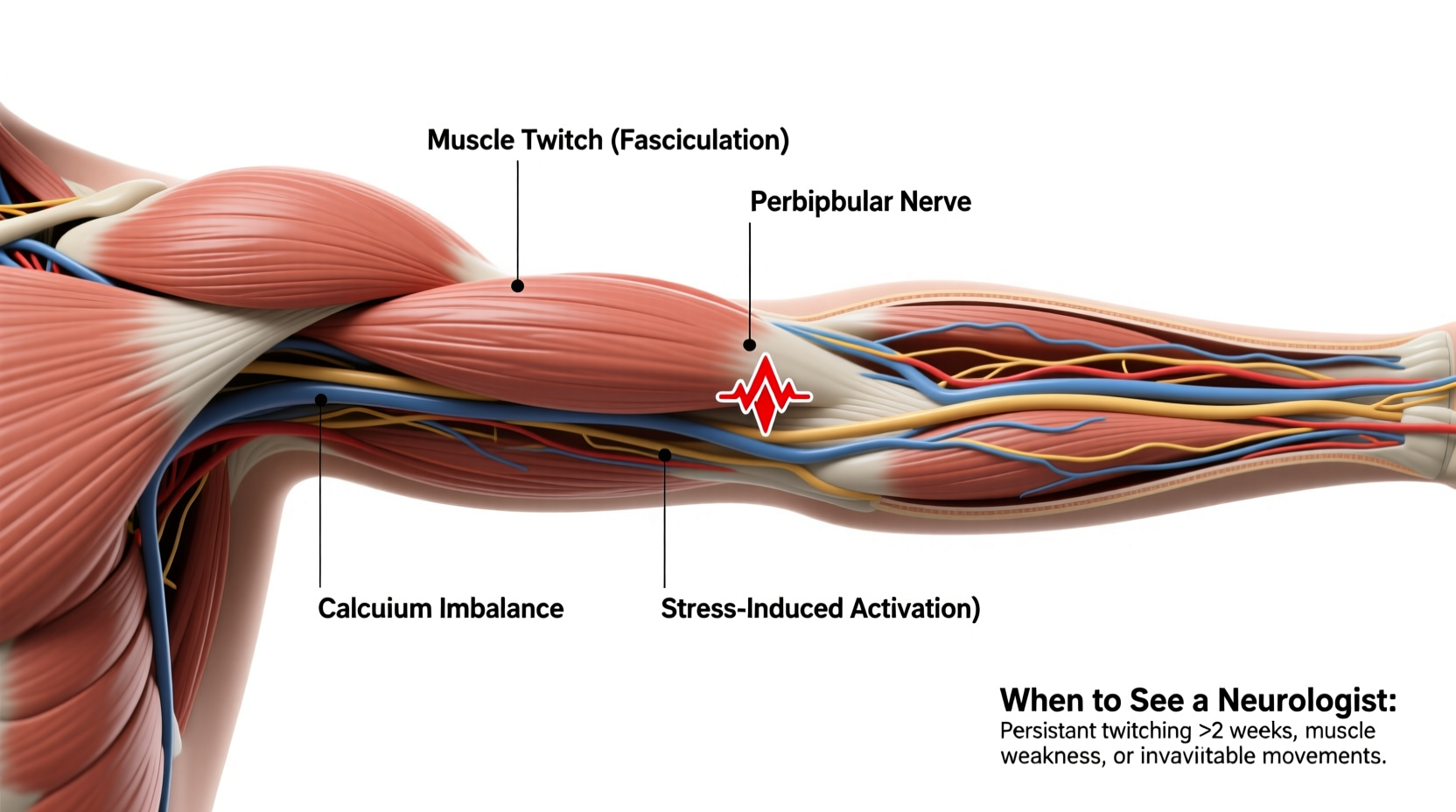
Muscle twitches occur when a small group of muscle fibers contracts spontaneously without conscious control. This happens due to brief electrical impulses in the nerves that stimulate the muscles. While often startling, most twitches are not dangerous. Several everyday factors can contribute to this phenomenon:
- Stress and anxiety: Elevated stress levels increase nervous system activity, which can lead to muscle hyperexcitability and twitching.
- Fatigue: Physical exhaustion, especially after intense workouts or prolonged physical labor, can trigger muscle spasms.
- Caffeine intake: Excessive coffee, energy drinks, or other stimulants may overstimulate the nervous system.
- Electrolyte imbalances: Low levels of magnesium, calcium, or potassium disrupt nerve signaling and muscle function.
- Dehydration: Fluid loss affects electrolyte balance and neuromuscular communication.
- Poor sleep: Chronic sleep deprivation impairs nervous system regulation.
In most cases, addressing these lifestyle factors leads to a noticeable reduction or complete resolution of twitching episodes.
When Is Arm Twitching Normal vs. a Sign of Something Serious?
The distinction between benign and concerning twitching lies in the pattern, duration, and accompanying symptoms. Most people experience occasional fasciculations that last seconds, occur infrequently, and don’t spread or worsen. These are typically classified as \"benign fasciculation syndrome\" (BFS)—a condition where muscle twitching occurs without underlying disease.
However, persistent or progressive twitching may point to neurological conditions such as:
- Peripheral neuropathy: Nerve damage from diabetes, vitamin deficiencies, or autoimmune disorders.
- Multiple sclerosis (MS): A central nervous system disorder that can cause muscle spasms among other symptoms.
- Muscular dystrophy: A group of genetic diseases leading to progressive muscle weakness.
- Amyotrophic lateral sclerosis (ALS): A rare but serious neurodegenerative disease affecting motor neurons.
It’s important to note that ALS is extremely uncommon, and isolated arm twitching is almost never its first or only symptom. Early signs of ALS typically include muscle weakness, atrophy, cramping, and difficulty with fine motor tasks like buttoning a shirt or lifting objects.
“While fasciculations can be unsettling, the vast majority are not linked to serious neurological disease. We see far more patients worried about ALS than actually have it.” — Dr. Lena Torres, Neurologist, Massachusetts General Hospital
Red Flags: When to See a Specialist
Most arm twitches don’t require medical intervention. However, certain red flags suggest it’s time to consult a healthcare provider—preferably a neurologist. Consider seeking professional evaluation if you experience any of the following:
- Persistent twitching lasting weeks or months without improvement despite lifestyle changes.
- Muscle weakness in the same area as the twitching, such as difficulty gripping objects or lifting your arm.
- Muscle atrophy (shrinking), visible loss of muscle mass, or asymmetry between limbs.
- Spreading twitching to other body parts like the leg, face, or tongue. <5> Cramps or stiffness accompanying the twitches, especially at night.
- Numbness, tingling, or burning sensations, which may indicate nerve compression or damage.
- Difficulty with coordination or balance, suggesting central nervous system involvement.
If multiple red flags appear together, prompt neurological assessment is crucial. Early diagnosis of conditions like MS or peripheral neuropathy improves long-term outcomes.
Diagnostic Process: What to Expect
When you visit a specialist, expect a comprehensive evaluation that includes:
- Detailed medical history (including diet, exercise, medications, and family history).
- Neurological examination assessing reflexes, strength, coordination, and sensation.
- Blood tests to check for electrolyte imbalances, thyroid issues, vitamin deficiencies (especially B12), and markers of inflammation.
- Electromyography (EMG) and nerve conduction studies to evaluate nerve and muscle function.
- In select cases, MRI scans to rule out spinal cord or brain abnormalities.
These tools help differentiate between benign causes and underlying pathology. EMG, in particular, can detect abnormal electrical activity in muscles and determine whether motor neurons are degenerating—a key factor in diagnosing ALS.
Lifestyle Adjustments to Reduce Arm Twitching
For most individuals, simple lifestyle modifications can dramatically reduce or eliminate random arm twitching. The goal is to support optimal neuromuscular health through balanced habits.
Step-by-Step Guide to Minimizing Twitching
- Track your triggers: Keep a daily log noting when twitches occur, along with caffeine intake, stress levels, sleep quality, and physical activity.
- Limit stimulants: Gradually reduce coffee, energy drinks, and nicotine. Aim for no more than 200mg of caffeine per day.
- Hydrate consistently: Drink water throughout the day. Include electrolyte-rich foods like bananas (potassium), spinach (magnesium), and dairy (calcium).
- Improve sleep hygiene: Maintain a consistent bedtime, avoid screens before bed, and create a dark, quiet sleeping environment.
- Manage stress: Practice mindfulness, deep breathing, yoga, or meditation to calm the nervous system.
- Stretch regularly: Gentle stretching of the arms and shoulders can relieve muscle tension and improve circulation.
- Evaluate supplements: If deficient, consider magnesium glycinate or vitamin D under medical guidance.
Do’s and Don’ts: Managing Arm Twitching
| Do’s | Don’ts |
|---|---|
| Stay hydrated throughout the day | Consume excessive caffeine or energy drinks |
| Get regular, moderate exercise | Overtrain or skip rest days |
| Eat a balanced diet rich in vitamins and minerals | Skip meals or rely on processed foods |
| Practice relaxation techniques daily | Ignore chronic stress or anxiety |
| Seek medical advice if symptoms persist or worsen | Self-diagnose using online symptom checkers |
Real-Life Example: Recognizing the Warning Signs
Mark, a 42-year-old software developer, began noticing frequent twitching in his right forearm about six months ago. At first, he dismissed it as fatigue from long coding sessions. He was drinking three cups of coffee daily and averaging five hours of sleep. Over time, however, the twitching became constant, and he started having trouble opening jars and typing smoothly.
He also observed slight thinning in his forearm muscles compared to his left arm. Concerned, Mark visited a neurologist. Blood work revealed low vitamin B12 levels, but EMG testing showed abnormal spontaneous activity in multiple muscle groups. After an MRI and further testing, he was diagnosed with early-stage multifocal motor neuropathy—a treatable condition involving immune-mediated nerve damage.
With intravenous immunoglobulin (IVIG) therapy and lifestyle adjustments, Mark’s symptoms improved significantly within three months. His case highlights how seemingly minor symptoms, when persistent and progressive, can signal an underlying treatable condition.
Frequently Asked Questions
Can dehydration really cause arm twitching?
Yes. Dehydration alters the concentration of electrolytes like sodium, potassium, and magnesium, which are essential for proper nerve signaling and muscle contraction. Even mild dehydration can trigger fasciculations, especially during or after physical exertion.
Is arm twitching a sign of ALS?
Isolated arm twitching is very rarely a sign of ALS. ALS typically presents with a combination of progressive muscle weakness, atrophy, cramping, and loss of motor function—not just twitching. If you have no weakness or functional impairment, the likelihood of ALS is extremely low.
How long should I wait before seeing a doctor about muscle twitching?
If the twitching persists beyond two to three weeks despite improving hydration, sleep, and reducing stress, it’s reasonable to consult a physician. Immediate evaluation is recommended if you notice weakness, atrophy, or spreading symptoms.
Conclusion: Listen to Your Body—and Act When Needed
Random arm twitching is usually a harmless response to lifestyle stressors like poor sleep, caffeine, or dehydration. In the vast majority of cases, simple self-care measures bring relief. But your body sometimes sends subtle signals that deserve attention. Persistent twitching combined with weakness, numbness, or muscle loss should never be ignored.
Seeing a specialist isn’t about jumping to worst-case conclusions—it’s about gaining clarity, ruling out serious conditions, and taking proactive steps toward better health. Whether the solution is adjusting your diet, managing stress, or receiving targeted treatment, understanding your symptoms empowers you to respond wisely.




 浙公网安备
33010002000092号
浙公网安备
33010002000092号 浙B2-20120091-4
Comments
No comments yet. Why don't you start the discussion?