
It’s the holiday season, and you’ve proudly set up your artificial Christmas tree—no watering, no shedding, no mess. Or so you thought. Within days, you’re finding plastic needles scattered across the floor, clinging to pet fur and crunching underfoot. If your fake tree is behaving like a freshly cut fir, something’s wrong. Artificial trees shouldn’t shed. When they do, it’s not just an inconvenience—it’s a sign of poor quality, improper handling, or manufacturing shortcuts.
Understanding why this happens isn’t just about cleanliness; it’s about value. You likely invested time and money into a product meant to last for years. Shedding undermines that investment and can signal deeper issues with materials, design, or durability. This article breaks down the real reasons behind artificial tree needle loss, identifies key quality red flags, and gives you the tools to make smarter choices next time.
How Artificial Trees Are Supposed to Work
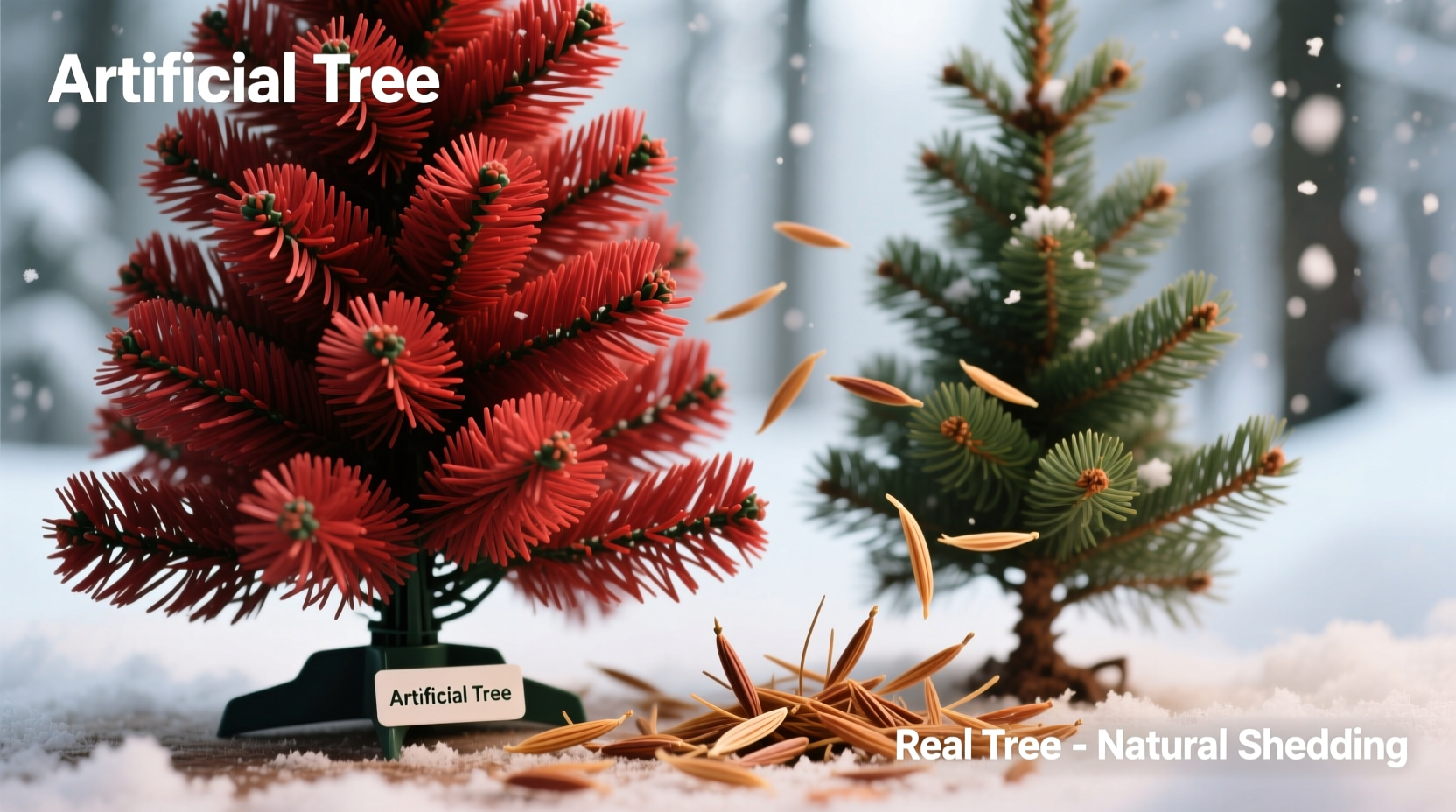
An artificial Christmas tree is designed to mimic the appearance of a real evergreen without the drawbacks: no sap, no fire risk from dry wood, and—crucially—no shedding. These trees are typically made from polyvinyl chloride (PVC), polyethylene (PE), or a blend of both. High-quality versions use molded PE branches that replicate natural branch structures, offering a lifelike texture and resilience.
The needles are part of a single molded unit or heat-bonded onto wire stems during production. In a well-made tree, these bonds are strong and permanent. The branching system is engineered for stability, with secure attachment points to the central pole. Over time, even after multiple setups, the structure should remain intact.
So when needles begin to fall, it means one or more components have failed prematurely. That failure isn’t normal wear and tear—it’s a defect in design, material, or construction.
Common Causes of Artificial Tree Needle Shedding
Needle loss in artificial trees usually stems from one of several root causes. Identifying which applies helps determine whether the issue is fixable or if replacement is inevitable.
Poor Material Quality
The most frequent culprit is low-grade PVC. Cheaper trees often use thin, brittle PVC that becomes fragile over time, especially when exposed to temperature fluctuations or dry indoor air. As the material degrades, the bond between the needle and stem weakens, leading to breakage and shedding.
In contrast, premium trees use thicker, flexible PVC or high-density polyethylene, which resists cracking and maintains structural integrity. Trees marketed at extremely low price points are more likely to cut corners here, using less material and weaker formulations to reduce costs.
Weak Needle Attachment Methods
How the needles are affixed to the branch matters. Some manufacturers use a technique called “feathering,” where individual strips of PVC are wrapped around a central wire. If the wrapping isn’t tight or the adhesive (if used) is subpar, the strips loosen and shed over time.
Better methods involve injection-molded PE tips, where the entire branch tip—including needles—is formed as a single piece. These don’t separate because there’s nothing to come apart. Trees combining molded PE tips with PVC bases offer both realism and durability.
Excessive Handling and Improper Storage
Rough handling during setup or takedown can damage delicate branches. Yanking folded limbs into place, forcing connections, or stacking heavy ornaments on weak boughs all contribute to stress fractures in the material.
Improper storage accelerates this. Folding a tree into a bag that’s too small creates creases and pressure points. Over time, repeated folding in the same spot leads to microfractures that eventually cause needles to snap off. Using a rigid storage container designed for your tree’s height and shape significantly reduces this risk.
Aging and UV Exposure
Even high-quality materials degrade with age. After 5–10 years, some shedding may occur naturally, especially if the tree has been stored in a hot attic or exposed to sunlight. Ultraviolet light breaks down plastic polymers, making them brittle. A tree kept near a sunny window may show signs of UV damage within a few seasons.
If shedding begins early—within the first two years—it’s almost certainly due to initial quality, not aging.
Quality Red Flags to Watch For
Not all artificial trees are created equal. Knowing what to look for—and avoid—can save you from repeat frustration. Below are key warning signs of a low-quality tree prone to shedding.
| Red Flag | What It Means | What to Do |
|---|---|---|
| Extremely low price (under $50 for a 6-ft tree) | Indicates cheap materials and rushed manufacturing | Consider spending more for better durability |
| Flimsy, paper-thin needles | Material lacks flexibility and will crack easily | Run fingers along a sample branch—if it bends sharply and snaps back, it’s likely brittle |
| Visible glue lines or loose strands | Needles are poorly attached and may detach | Avoid unless you can confirm secure bonding |
| No mention of PE or \"molded tips\" | Likely 100% PVC with feathered construction | Opt for trees advertising \"dual-tone,\" \"molded,\" or \"botanical\" branches |
| Powdery residue on hands after touching | Plastic is degrading or contains excess release agents | Return immediately—this indicates chemical instability |
“Many consumers assume all artificial trees are durable, but the reality is a wide spectrum of quality. The cheapest options often start shedding within weeks.” — Lydia Chen, Home Goods Product Analyst at Consumer Insight Group
How to Choose a Long-Lasting Artificial Tree
Selecting a tree that won’t disintegrate by New Year’s requires research and attention to detail. Follow this checklist before purchasing.
Check the Materials
Look for trees that explicitly mention polyethylene (PE) or ‘molded branch tips.’ PE is denser and more realistic than PVC. Trees labeled “botanical” or “realistic touch” often use a combination of PE and PVC for optimal balance of cost and appearance.
Avoid descriptions like “classic green,” “economy,” or “value”—these often indicate lower-tier models built with minimal materials.
Evaluate the Branch Construction
The best trees use hinged branch systems that unfold smoothly without stress. Each branch should feel firm but slightly flexible. Test a sample if possible: gently bend a needle cluster. If it cracks or sheds particles, walk away.
Trees with higher “tip counts” aren’t always better—density matters, but so does distribution. A tree with 700 well-placed tips looks fuller than one with 1,000 poorly arranged ones.
Inspect the Central Pole and Stability
The metal pole should be thick-walled and threaded securely. Wobbly poles lead to uneven weight distribution, putting extra strain on lower branches. A sturdy base with wide legs prevents tipping and reduces stress on branch joints.
Read Reviews Critically
When reading customer reviews, search for keywords like “shedding,” “broke,” “loose needles,” or “after one year.” Filter by verified purchases and long-term owners (2+ years). One-star reviews citing early deterioration are particularly telling.
Step-by-Step Guide to Preventing Future Shedding
If you already own a shedding tree or want to protect your next one, follow this timeline of preventive actions.
- Before First Use: Inspect every branch under bright light. Gently run fingers along the stems to test for loose needles. Return immediately if defects are found.
- During Setup: Unfold branches slowly. Rotate them outward instead of pulling forward. Avoid overloading lower branches with heavy ornaments.
- During Display: Keep the tree away from heat sources like radiators or fireplaces. Dry, hot air accelerates plastic degradation.
- After Takedown: Remove all decorations and wipe down branches with a dry microfiber cloth. Never use water or chemicals unless specified by the manufacturer.
- Prior to Storage: Ensure the tree is completely dry. Use a storage bag with internal supports or a hard-sided bin to prevent crushing.
- Durability Check (Annually): Before setting up each year, inspect for brittleness, discoloration, or increased shedding. Replace if signs of material fatigue appear.
Mini Case Study: The $70 Tree That Didn’t Last
Sarah from Columbus, Ohio, bought a 7.5-foot pre-lit artificial tree online during a Black Friday sale. At $69.99, it seemed like a steal—pre-lit, 1,200 tips, and “snow-flocked” finish. She assembled it carefully, but within a week, she noticed green dust on her rug. By Christmas Eve, her toddler was picking up tiny plastic pieces from the carpet.
She contacted the seller, who claimed the shedding was “normal settling.” Frustrated, Sarah took the tree down early and stored it. The following year, the problem worsened—whole clusters of needles came off when touched. She later discovered that the tree was made entirely of thin PVC with glued-on flocking. The adhesive had degraded, and the flocking carried the needles with it.
For the next holiday, she invested in a $240 PE/PVC hybrid model with a 10-year warranty. Now in its fifth season, it shows no shedding and remains her centerpiece. Her lesson: “You really do pay for what you get. That ‘deal’ cost me more in hassle and replacement.”
FAQ
Is some shedding normal for new artificial trees?
Minimal shedding of loose fibers or packaging residue can occur in the first few hours after assembly. However, ongoing needle loss—especially visible clusters or broken stems—is not normal and indicates poor quality.
Can I fix a shedding artificial tree?
No. Once the needle-to-stem bond fails, it cannot be repaired reliably. Adhesives may temporarily reattach fragments, but they won’t restore structural integrity. The shedding will continue and likely accelerate.
Are flocked trees more prone to shedding?
They can be. Flocking involves applying a textured coating (often PVC-based) to mimic snow. If the adhesive is weak or the base material is flimsy, the flocking—and attached needles—can peel off together. High-quality flocked trees use durable binders, but they’re rarer and more expensive.
Conclusion
Your artificial Christmas tree shouldn’t act like a real one—especially when it comes to shedding. Persistent needle loss is a clear signal of compromised materials, poor craftsmanship, or both. Recognizing the red flags—thin plastics, weak construction, suspiciously low prices—empowers you to make informed decisions and avoid repeating the cycle of disappointment.
A well-chosen artificial tree can last a decade or more, becoming a reliable part of your holiday tradition. Invest in quality, handle it with care, and store it properly. The upfront cost may be higher, but the long-term savings in time, frustration, and replacements are undeniable.




 浙公网安备
33010002000092号
浙公网安备
33010002000092号 浙B2-20120091-4
Comments
No comments yet. Why don't you start the discussion?