
Every holiday season, millions of households across the world unpack their artificial Christmas trees with anticipation—only to find a carpet of tiny plastic needles scattered around the base. While these trees are designed for longevity and convenience, needle shedding remains a surprisingly common frustration. Unlike real trees, which naturally drop needles as they dry out, artificial trees shouldn’t be losing parts unless something is wrong. Understanding the causes behind this shedding and knowing how to prevent it can help preserve both the appearance and lifespan of your tree for many Christmases to come.
The Science Behind Artificial Tree Needle Shedding
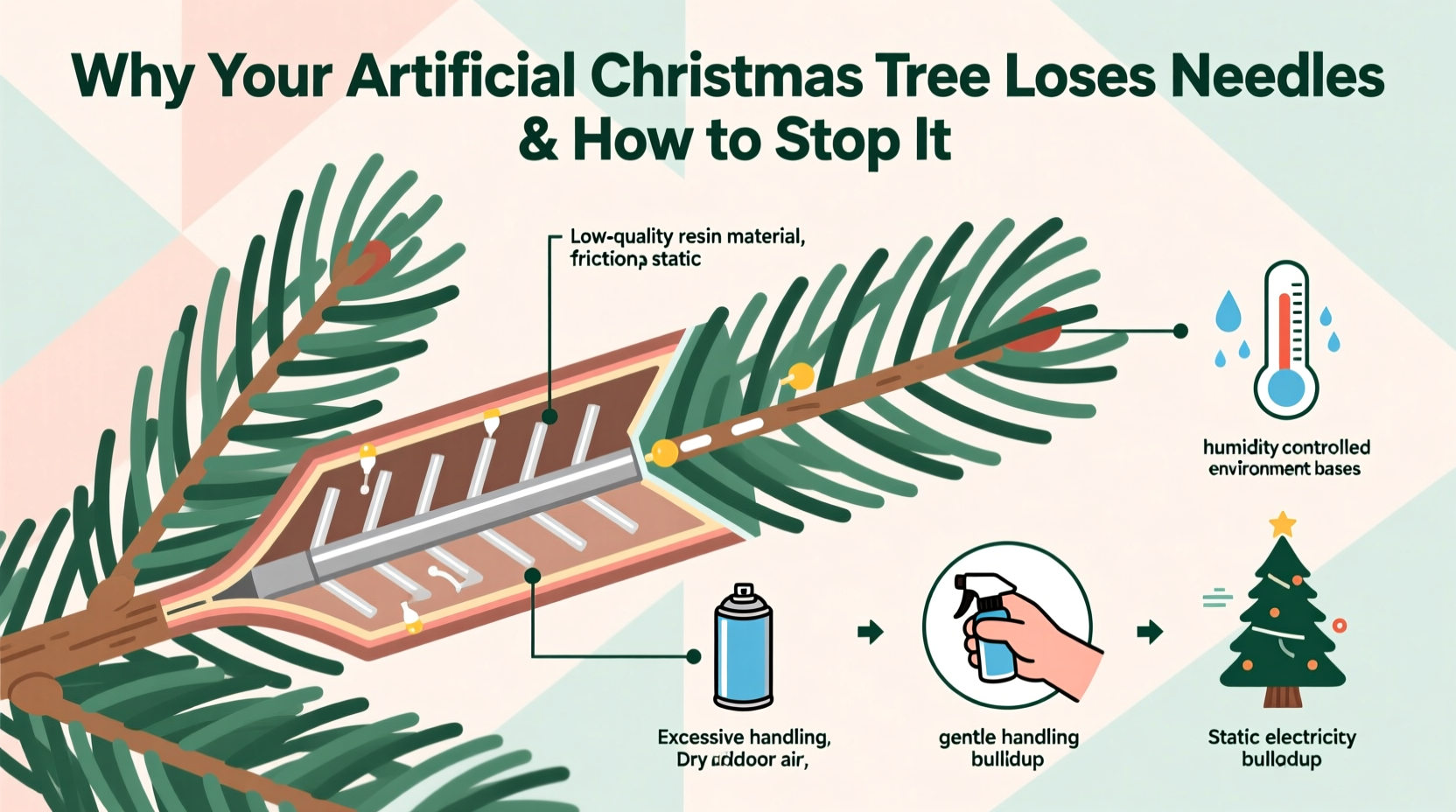
Artificial Christmas trees are typically made from polyvinyl chloride (PVC), polyethylene (PE), or a blend of both materials. These plastics are molded into lifelike needles and attached to metal or plastic branch stems. Over time, exposure to environmental stressors and mechanical wear can degrade the integrity of these components, leading to needle loss.
The primary reason for shedding lies in material fatigue. Plastic becomes brittle when exposed to temperature fluctuations, UV light, and low humidity—conditions often found in storage areas like attics, garages, or basements. As the plastic degrades, the bond between the needle and the stem weakens. This process accelerates if the tree is handled roughly during setup or takedown.
Manufacturing quality also plays a significant role. Lower-cost trees often use thinner plastic and weaker attachment methods, such as simple friction-fit joints rather than heat-welded or injection-molded connections. These inferior constructions are more prone to shedding, even under normal use.
“Even high-quality artificial trees will show signs of wear over time, but proper care can delay visible degradation by five to ten years.” — Dr. Linda Chen, Materials Scientist at the Consumer Product Safety Institute
Common Causes of Plastic Needle Loss
- Poor Storage Conditions: Storing your tree in an area with fluctuating temperatures or high humidity can cause plastic to become brittle or sticky, increasing breakage risk.
- Rough Handling: Forcibly bending branches during assembly or disassembly can snap off needles or weaken their connection points.
- Dust and Debris Buildup: Accumulated dust acts as an abrasive, slowly wearing down the surface of the needles and stems.
- Aging Material: Most artificial trees have a functional lifespan of 5–10 years. Beyond that, material breakdown is inevitable.
- Exposure to Heat Sources: Placing the tree near radiators, fireplaces, or heating vents dries out the plastic, accelerating brittleness.
Step-by-Step Guide to Minimize Shedding
Preventing excessive needle loss isn't complicated, but it requires consistent attention to detail. Follow this timeline-based approach each year to keep your tree looking full and fresh.
- Inspect Before Setup (Late November): Unpack your tree and examine each section. Look for loose needles, cracked tips, or wobbly branches. Gently shake each bough over a dark sheet to catch falling debris and assess shedding severity.
- Clean the Tree: Use a soft-bristled brush or microfiber cloth to remove dust. For heavier buildup, lightly vacuum with a brush attachment. Avoid water or cleaning sprays, which can damage plastic or leave residues.
- Assemble Carefully: Connect sections without forcing them. Align poles properly and tighten screws or clips securely. Allow branches to “bloom” naturally—don’t bend them sharply upward.
- Position Away From Heat: Place the tree at least three feet from radiators, vents, candles, or direct sunlight. Stable room temperature helps preserve plastic flexibility.
- Maintain During Display: Avoid hanging heavy ornaments on outer tips. Rotate lights carefully to prevent snagging. Dust lightly once a week if needed.
- Disassemble Thoughtfully:
- Store Properly: Use a dedicated tree storage bag with internal support bars. Store upright in a cool, dry place like a climate-controlled closet. Never stack heavy items on top.
Do’s and Don’ts: How to Handle Your Artificial Tree
| Do | Don’t |
|---|---|
| Store in a labeled, ventilated container with rod support | Use trash bags or cardboard boxes without protection |
| Clean branches before storing | Store dusty or dirty trees |
| Keep in a dry, temperature-stable environment | Leave in garage, attic, or damp basement |
| Handle branches by the central stem, not the tips | Bend or twist limbs aggressively |
| Check manufacturer warranty and care instructions | Assume all trees are built to last 20+ years |
Real Example: The Johnson Family’s 7-Year Tree Revival
The Johnsons purchased a mid-range artificial tree in 2016. By 2020, it had become noticeably sparse, especially on lower branches. Each holiday season, they spent extra time sweeping up plastic fragments. After reading about proper maintenance, they decided to intervene.
They began by deep-cleaning the tree with a lint roller and soft brush. They invested in a vertical storage bag with internal support rods and moved storage from their humid basement to a hall closet. During setup, they assigned one family member to handle assembly using a slow, methodical process. They also replaced older incandescent lights with lightweight LEDs to reduce strain.
By 2023, their tree looked significantly better. Shedding decreased by an estimated 80%, and the overall silhouette appeared fuller. While not brand new, the tree remained a centerpiece of their holiday decor—proof that small changes yield long-term results.
Expert Tips to Extend Your Tree’s Lifespan
- Rotate Sections Annually: Switch the front-facing part of the tree each year to distribute wear evenly and prevent one side from becoming permanently flattened.
- Use Lighter Ornaments: Heavy decorations pull down branches and stress needle attachments. Opt for lightweight glass, foam, or paper options.
- Invest in a Tree Skirt with Liner: A fabric skirt with a plastic backing catches stray needles before they scatter across flooring.
- Avoid Spray-On Snow: Chemical snow sprays can degrade plastic over time and make needles more prone to breaking.
- Monitor for Pet Damage: Cats and dogs may chew on branches, causing irreversible damage. Consider a physical barrier if pets are curious.
When to Replace Your Artificial Tree
No artificial tree lasts forever. Even with meticulous care, material fatigue eventually takes its toll. Signs it’s time to replace your tree include:
- Visible bald spots where entire clusters of needles are missing
- Brittle branches that snap easily under light pressure
- Strong chemical odor when unboxed (a sign of advanced plastic breakdown)
- Inability to stand straight due to warped trunk or damaged stand
- Excessive shedding despite proper care
If your tree is over ten years old and shows multiple signs of deterioration, replacement may be more cost-effective than continued maintenance.
Frequently Asked Questions
Is some shedding normal for artificial trees?
Yes, minimal shedding during the first few hours after setup is normal, especially for new trees. Factories apply a fine powder to prevent sticking during shipping, which can resemble loose needles. However, ongoing shedding throughout the season is not normal and indicates poor quality or improper care.
Can I fix a shedding tree with glue?
No. Using adhesives like super glue or hot glue is not recommended. These can damage the plastic further, create unsightly clumps, and pose a fire hazard when near lights. Glue also doesn’t address the root cause—material degradation or poor construction.
Are certain types of artificial trees less likely to shed?
Yes. Trees made with molded PE (polyethylene) branches tend to be more durable and realistic than traditional PVC. These are often called “premium” or “hinged branch” models and are constructed with injection-molded techniques that integrate needles directly into the branch core, reducing shedding. While more expensive upfront, they typically last longer and maintain their appearance better.
Final Checklist: Protect Your Tree Year-Round
- Unpack and inspect the tree annually for damage
- Clean branches with a soft brush or vacuum attachment
- Assemble gently, avoiding forced bends
- Place away from heat sources and direct sunlight
- Use lightweight decorations and LED lights
- Disassemble in reverse order, folding branches carefully
- Clean again before storage
- Store upright in a protective bag in a climate-controlled space
- Label sections for easier reassembly next year
- Rotate display orientation each season
Conclusion: Preserve the Magic Without the Mess
An artificial Christmas tree should bring joy—not a daily cleanup routine. While some initial shedding is expected, persistent plastic needle loss is a sign of neglect, poor storage, or declining quality. By understanding the science behind material breakdown and adopting smart handling practices, you can dramatically reduce shedding and extend your tree’s usable life. The effort invested in careful setup, mindful decoration, and proper storage pays off in a fuller, cleaner, and more beautiful holiday centerpiece year after year.




 浙公网安备
33010002000092号
浙公网安备
33010002000092号 浙B2-20120091-4
Comments
No comments yet. Why don't you start the discussion?