
Every holiday season, millions of households across the world unpack their artificial Christmas trees with excitement—only to find that something has changed. What once stood lush and full now appears patchy, with tiny plastic fragments scattered across the floor like frost from a melting snowman. If you’ve noticed your artificial tree shedding plastic needles, you’re not alone. This issue affects countless families each year and can diminish both the aesthetic appeal and lifespan of what should be a lasting investment. Understanding the root causes behind this shedding—and knowing how to address them—is key to preserving your tree for many Christmases to come.
The Science Behind Artificial Tree Needle Shedding
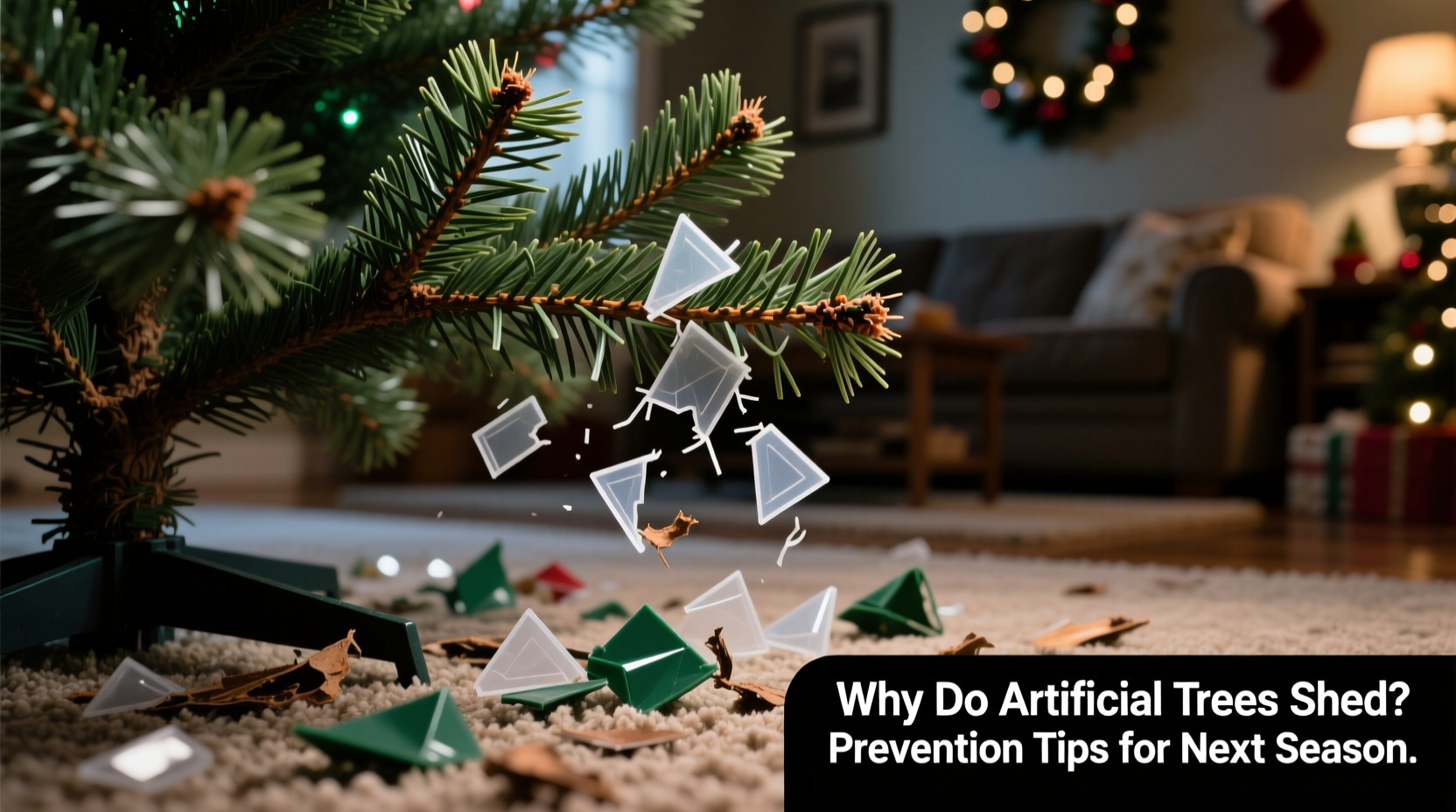
Unlike real pine or fir trees, which naturally drop needles as part of their life cycle, artificial trees are made from synthetic materials such as PVC (polyvinyl chloride), PE (polyethylene), or blends of both. These materials are engineered to mimic the look and feel of natural foliage but are not immune to degradation over time. The shedding of plastic needles is typically not a sign of poor quality alone—it’s often the result of material fatigue, environmental exposure, and improper handling.
PVC needles, commonly used in older or budget-friendly models, are more prone to becoming brittle due to plasticizer loss—the chemical compounds that keep the plastic flexible begin to evaporate after repeated use and storage. Once these additives dissipate, the needles lose elasticity and snap off easily when touched or exposed to temperature changes. Polyethylene trees, while generally more realistic and durable, can also suffer from microfractures if bent too sharply during setup or disassembly.
“Plastic degradation in artificial trees follows predictable patterns based on storage conditions and frequency of use. Trees stored in hot attics or damp basements will degrade up to 50% faster than those kept in climate-controlled environments.” — Dr. Alan Reeves, Materials Scientist at the Institute for Polymer Research
Common Causes of Plastic Needle Loss
Several factors contribute to premature shedding. Identifying which ones apply to your situation is the first step toward prevention.
- Aging materials: Most artificial trees last 7–10 years before showing significant wear. After a decade, even well-maintained trees may begin to shed due to cumulative stress on the plastic.
- Poor storage conditions: Exposure to heat, humidity, dust, or compression during storage accelerates material breakdown. Attics and garages—common storage spots—are often too hot in summer or too damp in winter.
- Overhandling during assembly: Forcibly bending branches back into shape or yanking tangled sections apart can cause needle fractures that worsen over time.
- Dust and debris buildup: Accumulated dirt acts as an abrasive agent, slowly wearing down the surface of plastic needles with every touch or breeze.
- Light exposure: Prolonged exposure to direct sunlight—even indoors—can degrade plastic through UV radiation, leading to discoloration and embrittlement.
How to Prevent Future Shedding: A Step-by-Step Guide
Preventing needle loss isn’t about perfection—it’s about consistency. By adopting a few disciplined habits, you can extend your tree’s life by several seasons and maintain its fullness year after year.
- Inspect Before Assembly: At the start of each season, carefully examine all branches for loose needles, cracks, or weak joints. Address problem areas early to prevent cascading damage.
- Fluff Gently, Not Forcefully: Begin with the innermost branches and work outward. Use both hands to coax tips upward and outward without snapping or twisting. Rushing this process increases breakage risk.
- Clean Annually: Use a soft-bristled brush or handheld vacuum with a brush attachment to remove dust. For deeper cleaning, lightly wipe sections with a microfiber cloth dampened with water and mild soap. Let dry completely before storing.
- Allow Climate Acclimation: If your tree was stored in a cold or hot environment, let it sit in room temperature for 24 hours before assembling. Sudden temperature shifts make plastic more vulnerable to cracking.
- Use Proper Storage Gear: Invest in a sturdy, cylindrical tree bag with internal supports or dividers. These help maintain branch shape and reduce crushing. Avoid wrapping trees in plastic sheeting, which traps moisture and promotes mold.
- Elevate Off the Floor: Store the packed tree on wooden pallets or shelves, especially in basements or garages. This prevents contact with concrete floors that emit moisture.
- Label Sections for Reassembly: If your tree comes in multiple pieces, label each section (e.g., “Top,” “Mid-Lower”) to minimize confusion and unnecessary manipulation next year.
Do’s and Don’ts of Artificial Tree Care
| Do | Don't |
|---|---|
| Store in a cool, dry place away from direct sunlight | Leave the tree in an unheated garage or attic with extreme temperature swings |
| Use a supportive tree storage bag with ventilation | Compress the tree into a small box or trash bag |
| Clean branches gently before storage | Store a dusty or damp tree |
| Rotate lights and decorations to avoid strain on one area | Hang heavy ornaments directly on thin branch tips |
| Handle branches by the central stem, not the tips | Pull or tug on tangled branches aggressively |
Real-Life Example: The Johnson Family Tree Rescue
The Johnsons had owned a 9-foot pre-lit artificial tree for nearly 12 years. Each December, they noticed increasing amounts of plastic debris around the base. By year ten, the lower half looked sparse, and flaking was so severe they began vacuuming daily. Instead of replacing it immediately, they decided to investigate. They discovered the tree had been stored upright in a sealed plastic bag in their garage, where summer temperatures regularly exceeded 100°F (38°C). The heat had baked the plastic, accelerating the loss of flexibility.
They took action: cleaned the tree thoroughly, purchased a ventilated storage bag with internal ribs, and moved it to a closet in their climate-controlled basement. They also began a gentle fluffing routine and rotated decorative weight across different branches. After two seasons of this regimen, shedding dropped by over 80%, and the tree regained much of its visual density. While not as pristine as new, it continues to serve them proudly—proving that intervention can yield meaningful results even late in a tree’s lifecycle.
When to Consider Replacement
No matter how careful you are, there comes a point when replacement is more practical than preservation. Signs it may be time for a new tree include:
- Widespread needle loss affecting more than 30% of the surface area
- Frayed wires or flickering lights indicating electrical hazards
- Structural instability in the trunk or stand
- Visible mold or persistent musty odors despite cleaning
If your tree shows multiple signs of deterioration, upgrading to a newer model with better materials—such as hinged branch designs or dual PE/PVC blends—can offer improved durability and realism. Modern trees often feature anti-shed coatings and modular construction that simplifies maintenance.
FAQ: Common Questions About Artificial Tree Shedding
Is some shedding normal for artificial trees?
Minimal shedding during the first few uses of a brand-new tree is common, as small plastic fragments from manufacturing may remain trapped in the branches. However, ongoing or worsening shedding after the first season is not normal and indicates material stress or poor care.
Can I repair a shedding section of my tree?
In limited cases, yes. If only a few branches are affected, you can carefully trim damaged ends with scissors to prevent further fraying. Some users have successfully applied a light mist of clear acrylic sealer to stabilize brittle tips, though this should be tested in an inconspicuous area first to avoid discoloration.
Does using tree sprays help prevent shedding?
Scented sprays marketed as \"artificial tree protectants\" do not prevent needle loss. In fact, many contain alcohol or oils that can degrade plastic over time. Stick to dry or slightly damp cleaning methods instead.
Expert Checklist for Long-Term Tree Preservation
To ensure your artificial Christmas tree remains vibrant and intact for years, follow this annual checklist:
- ✅ Unpack and inspect for damage or loose needles
- ✅ Allow 24 hours for temperature acclimation
- ✅ Fluff branches gently, starting from the inside out
- ✅ Clean with a soft brush or microfiber cloth
- ✅ Check light strings for malfunctions or frayed wires
- ✅ Decorate evenly, avoiding excessive weight on single branches
- ✅ Disassemble carefully, folding branches in their natural direction
- ✅ Clean again before storage to remove dust and fingerprints
- ✅ Store in a rigid, ventilated container in a climate-stable location
- ✅ Elevate off concrete or damp flooring
“The best artificial trees aren’t just bought—they’re maintained. A little attention each season pays off in longevity and holiday joy.” — Sarah Lin, Home Decor Specialist and Sustainable Holiday Advocate
Conclusion: Preserve Your Tradition with Proactive Care
Your artificial Christmas tree is more than a decoration—it’s a symbol of tradition, family, and seasonal warmth. Shedding plastic needles doesn’t mean the magic has to fade. With a clear understanding of why degradation occurs and a commitment to thoughtful handling and storage, you can significantly delay or even halt the decline. Whether you’re nursing an older tree back to health or optimizing care for a newer model, the steps you take today will shape the holidays of tomorrow. Start this year with intention: clean thoroughly, store wisely, and handle with care. Your future self—and your sparkling centerpiece—will thank you.




 浙公网安备
33010002000092号
浙公网安备
33010002000092号 浙B2-20120091-4
Comments
No comments yet. Why don't you start the discussion?