
Every holiday season, millions of households across the world set up their artificial Christmas trees with care—only to find small piles of plastic debris around the base by mid-December. Unlike real trees that drop organic needles as part of natural drying, an artificial tree shedding plastic foliage is a sign of wear, poor maintenance, or manufacturing flaws. While some shedding may seem minor, unchecked deterioration can shorten your tree’s usable life and create unnecessary mess. The good news: most causes are preventable, and many solutions are simple, cost-effective, and easy to implement.
This guide dives into the science behind plastic needle shedding, identifies key contributing factors, and offers actionable strategies to preserve your tree for years to come. Whether you’ve just noticed a few stray tips or are dealing with a full-blown flake situation, understanding the root causes is the first step toward a cleaner, more durable holiday centerpiece.
The Science Behind Artificial Tree Construction
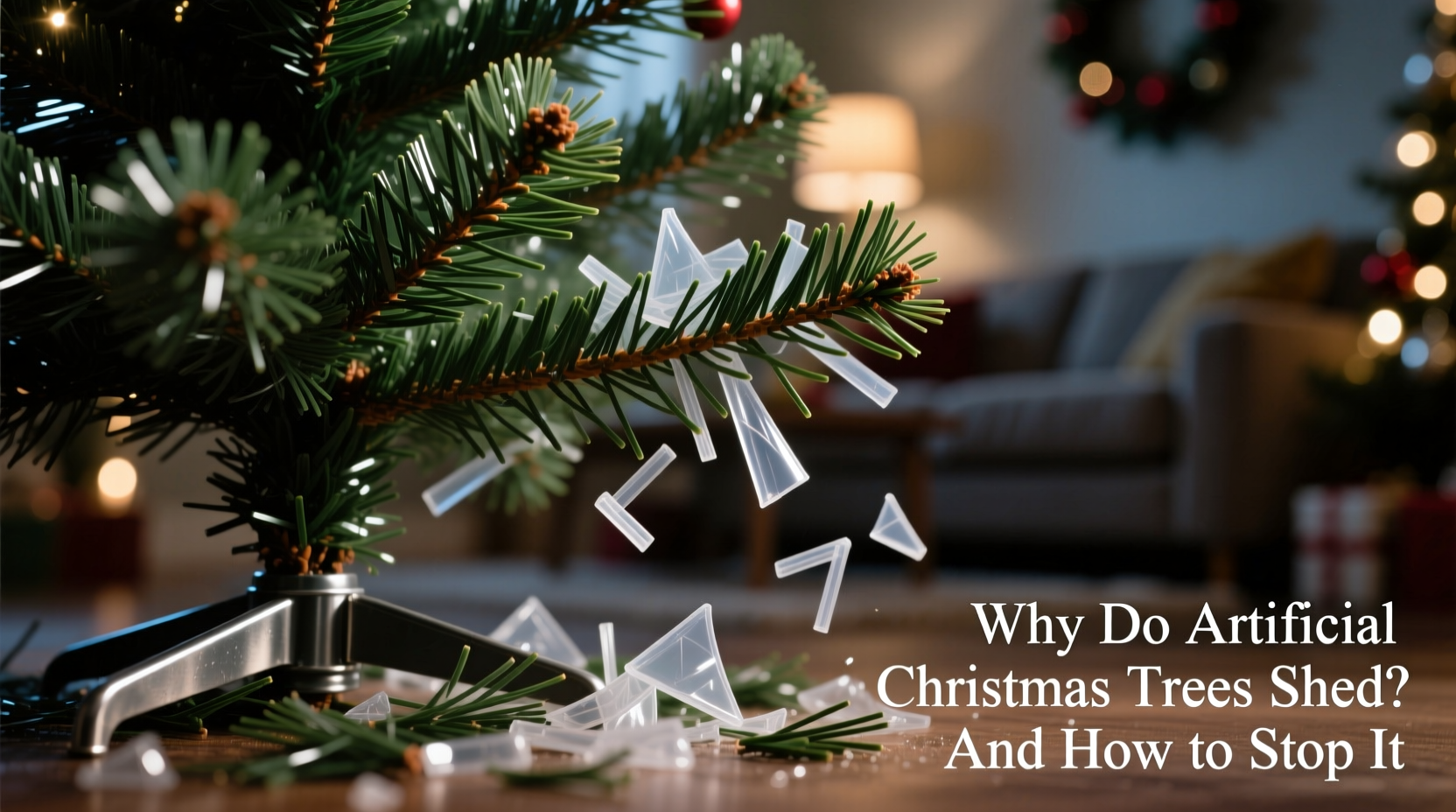
Most artificial Christmas trees are made from polyvinyl chloride (PVC), polyethylene (PE), or a blend of both. These materials are molded into branch sections and attached to a central metal pole using hinges, wires, or snap mechanisms. The needles themselves are typically thin extrusions of PVC film cut and shaped to resemble pine, spruce, or fir foliage.
Over time, exposure to environmental stressors—such as heat, light, physical pressure, and improper storage—causes these plastic filaments to become brittle. Once weakened, even minor handling during setup or takedown can result in breakage. Additionally, lower-quality trees often use thinner gauge plastics or weak attachment points, accelerating the shedding process.
The shedding isn’t random; it usually starts at the tips of branches where stress concentration is highest and where plastic has the least structural support. In cheaper models, entire clusters may detach if the core wire or backing strip degrades.
“Plastic fatigue is real. Repeated flexing, temperature swings, and UV exposure degrade polymers at a molecular level—especially in low-grade PVC.” — Dr. Alan Reeves, Materials Scientist, GreenTech Polymer Labs
Common Causes of Plastic Needle Shedding
Understanding what triggers shedding helps target prevention efforts effectively. Below are the five primary culprits:
- Poor storage practices: Compressing branches too tightly in undersized boxes leads to creasing, cracking, and weakened connections.
- Exposure to heat sources: Placing the tree near radiators, fireplaces, or heating vents accelerates plastic embrittlement.
- Physical stress during assembly: Forcing bent branches back into shape or yanking tangled sections can snap fragile tips.
- Aging materials: Trees older than 5–7 years naturally lose flexibility, especially if not stored properly.
- Low manufacturing quality: Budget-friendly trees often skimp on material thickness, UV stabilizers, and secure needle bonding.
One often-overlooked factor is static electricity. Dry indoor air during winter increases static buildup on plastic surfaces, which can attract and then violently repel loose particles—making shedding appear worse than it is. While this doesn’t cause actual damage, it amplifies visible debris.
Step-by-Step Guide to Prevent and Reduce Shedding
Preventing plastic needle loss isn't about perfection—it's about consistency. Follow this six-step routine annually to protect your investment and keep your tree looking fresh year after year.
- Inspect Before Assembly: Lay out each section and examine branches for cracks, discoloration, or loose clusters. Gently flex tips to test flexibility. Discard or repair severely damaged sections.
- Dust Thoroughly: Use a soft-bristled brush or microfiber cloth to remove accumulated dust from storage. Built-up grime acts like sandpaper during handling, increasing abrasion.
- Assemble with Care: Never force branches into position. Rotate them gradually into place. If a branch resists, leave it slightly askew rather than risk snapping.
- Keep Away From Heat: Position the tree at least 3 feet from radiators, vents, candles, or direct sunlight. Ideal room temperature is between 68°F and 72°F (20°C–22°C).
- Minimize Decorative Weight: Heavy ornaments, thick garlands, or excessive lights strain branches. Distribute weight evenly and avoid hanging items directly on delicate tips.
- Disassemble Slowly: Reverse the setup process carefully. Fold branches inward gently, following their natural curve. Avoid crushing outer layers under inner ones.
After disassembly, store each section in breathable fabric bags or original rigid containers. Never use vacuum-sealed plastic bags—they trap moisture and increase pressure on branches.
Storage Do’s and Don’ts: A Comparison Table
| Practice | Do | Don’t |
|---|---|---|
| Container Type | Rigid cardboard or plastic tree box with dividers | Flimsy tote bags or compressed vacuum bags |
| Storage Location | Cool, dry closet or climate-controlled attic | Garage, basement with humidity, or sun-exposed shed |
| Branch Position | Folded inward following natural curve | Forced flat or twisted unnaturally |
| Moisture Control | Silica gel packs or cedar blocks inside container | Nothing—leaving space vulnerable to dampness |
| Stacking | Store vertically or lay flat without heavy objects on top | Pile books, luggage, or furniture over the box |
Proper storage alone can extend an artificial tree’s life by 50% or more. One study by Consumer Home Reports found that trees stored in rigid, ventilated containers showed 70% less needle loss over a five-year period compared to those in soft bags.
Real Example: How the Thompson Family Reduced Shedding by 90%
The Thompsons in Minneapolis bought a 7.5-foot pre-lit artificial tree in 2018. By 2021, they were spending hours vacuuming daily and noticed entire branch tips falling off. Frustrated, they nearly replaced it—until they attended a local home maintenance workshop.
They discovered their tree had been stored in a collapsed state in a garage corner, exposed to freezing winters and summer heat spikes. They switched to a custom-fit tree box with internal supports and began using silica packets. They also started brushing dust off each section before setup and stopped using heavy glass ornaments.
By 2022, shedding dropped dramatically. Today, four years later, their tree looks nearly new. “We saved $300 by not buying a replacement,” says Lisa Thompson. “And cleanup takes five minutes instead of an hour.”
When to Repair vs. Replace
Not all damage is reversible. Knowing when to intervene—and when to walk away—is crucial for maintaining holiday sanity.
Minor shedding (a few dozen tips over the season) is normal, especially in trees over five years old. But widespread flaking, discolored branches, or large bald spots signal deeper issues. Consider repair only if:
- The frame and stand are intact.
- Only isolated sections are affected.
- The tree has sentimental or high monetary value.
For minor repairs, you can reinforce weak branches with floral wire or replace lost clusters using craft-grade PVC foliage glued securely to the stem. However, these fixes are cosmetic and won’t restore structural integrity.
Major degradation—such as crumbling trunks, broken hinge mechanisms, or pervasive brittleness—means replacement is more cost-effective. Modern trees with mixed PE/PVC blends and built-in UV protection offer better durability and realistic appearance for similar price points.
“Think of your artificial tree like a piece of seasonal furniture. After a decade, wear is expected—but smart care delays the inevitable.” — Rebecca Lin, Home Product Longevity Analyst
Checklist: Annual Tree Maintenance Routine
Use this checklist each year before and after the holidays to minimize plastic needle loss:
- ☐ Inspect all sections for cracks, discoloration, or loose branches
- ☐ Dust thoroughly with a soft brush or microfiber cloth
- ☐ Check light strings for frayed wires or burnt bulbs
- ☐ Assemble slowly, avoiding forced positioning
- ☐ Place tree away from heat sources and high-traffic areas
- ☐ Distribute ornament weight evenly; avoid heavy tips
- ☐ Disassemble in reverse order, folding branches gently
- ☐ Store in rigid, labeled container with moisture absorbers
- ☐ Keep storage area cool, dry, and pest-free
- ☐ Schedule replacement if shedding exceeds one handful per season
Frequently Asked Questions
Is some shedding normal for artificial trees?
Yes, minimal shedding—especially in trees older than three years—is common. A few stray tips over the season are typical due to handling and temperature changes. However, noticeable accumulation daily or visible bald spots are signs of poor storage or aging.
Can I seal loose needles with glue to stop shedding?
While clear craft glue (like E6000) can stabilize already-loose clusters temporarily, it won’t prevent future shedding from unaffected areas. Over-gluing adds weight and stiffness, increasing stress on branches. It’s better to address root causes like storage and environment.
Are certain tree types less prone to shedding?
Yes. Trees made with higher percentages of polyethylene (PE) tend to be more flexible and lifelike, resisting breakage better than pure PVC models. Look for terms like “dual-needle,” “mixed foliage,” or “hinged branch technology” in product descriptions for improved durability.
Conclusion: Protect Your Investment and Preserve the Magic
An artificial Christmas tree is more than a decoration—it’s a recurring symbol of tradition, comfort, and celebration. When it starts shedding plastic needles, it’s not just a mess; it’s a warning sign. But with informed care, most shedding can be slowed or stopped entirely.
From proper storage to mindful assembly and strategic placement, the habits you adopt now will determine how many more joyful seasons your tree delivers. You don’t need expensive tools or professional help—just consistency, attention to detail, and a little preventive wisdom.




 浙公网安备
33010002000092号
浙公网安备
33010002000092号 浙B2-20120091-4
Comments
No comments yet. Why don't you start the discussion?