
It’s a familiar holiday scenario: you pull out your trusted artificial Christmas tree from storage, assemble it with care, and begin decorating—only to be met with an unexpected wave of chemical, plasticky odor. This wasn’t a problem when you first bought it, or even last year. So why now, after two seasons in storage, does your tree emit that unmistakable synthetic stench? More importantly, can you reverse it?
The short answer is yes—the smell can often be reduced or eliminated. But understanding why it happens in the first place is key to addressing it effectively. From material degradation to improper storage, several factors contribute to this seasonal surprise. Let’s explore the causes, solutions, and preventive steps so your holidays stay festive—not fragrant in the wrong way.
The Science Behind the Plastic Smell
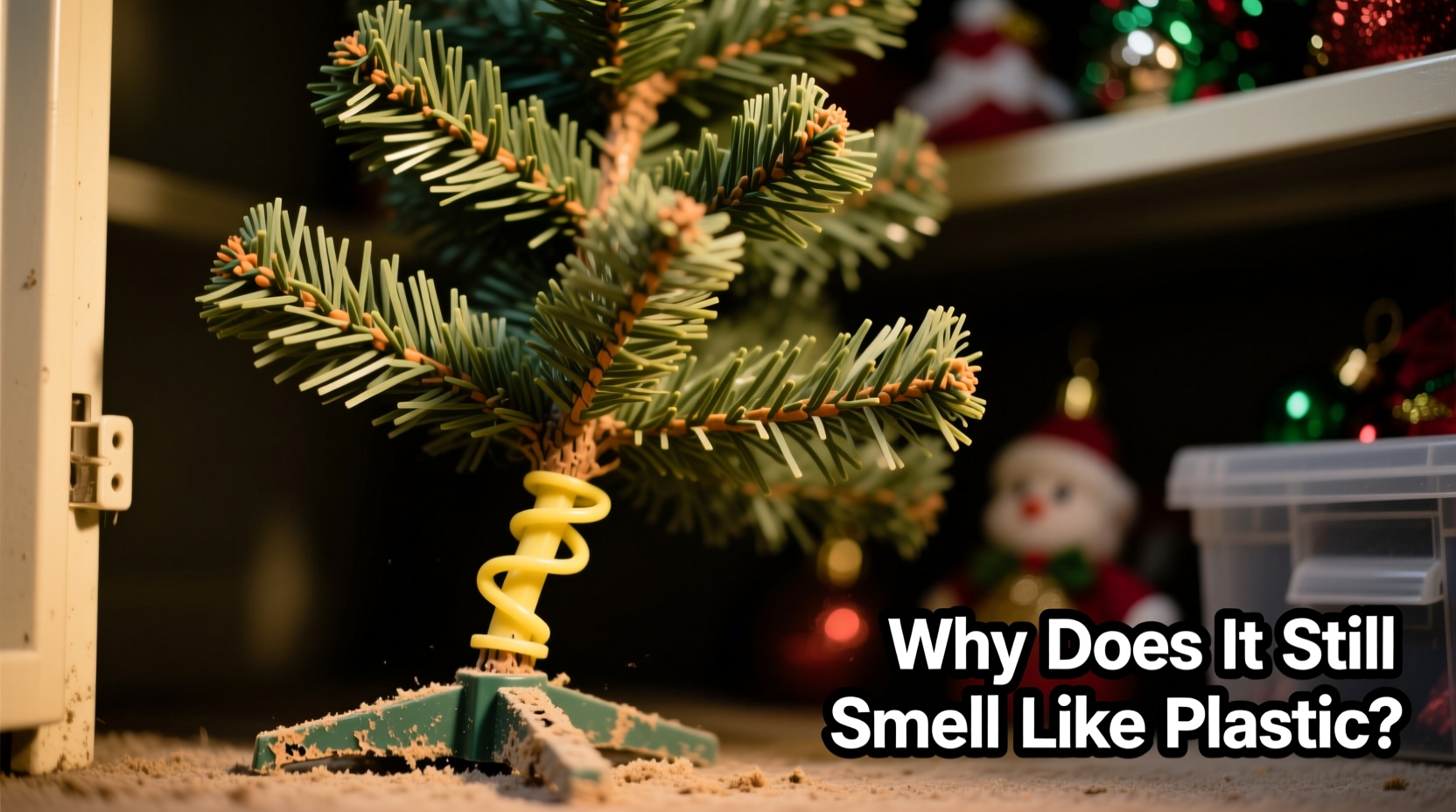
Artificial Christmas trees are typically made from polyvinyl chloride (PVC), a durable and flexible plastic widely used in consumer products. While PVC itself is relatively stable, it contains additives such as plasticizers—chemicals added to increase flexibility and reduce brittleness. The most common plasticizers used in older trees are phthalates, though many modern trees use safer alternatives like DINCH or DOTP due to health regulations.
Over time, especially under fluctuating temperature and humidity conditions, these plasticizers can break down and migrate to the surface of the material. This process, known as outgassing, releases volatile organic compounds (VOCs) into the air. What you're smelling is not the PVC itself, but the byproducts of its additives degrading and evaporating.
This off-gassing tends to accelerate after prolonged storage. Even if the tree smelled fine initially, exposure to heat in an attic, moisture in a basement, or compression during storage can trigger delayed chemical reactions. Two years may be just enough time for these changes to become noticeable.
“Plastic odors in stored items often result from slow chemical breakdown accelerated by environmental stress. It's not contamination—it's material fatigue.” — Dr. Lena Pruitt, Environmental Chemist, University of Michigan
Can You Reverse the Plastic Smell? Practical Solutions
While you can't undo the chemical breakdown entirely, you can significantly reduce or mask the odor using safe, accessible methods. The goal is to accelerate the release of trapped VOCs, clean residual compounds from the surface, and prevent future buildup.
Step-by-Step Guide to Deodorizing Your Artificial Tree
- Unpack in a Well-Ventilated Area
Assemble the tree outdoors or in a garage before bringing it inside. Allow it to air out for at least 24–48 hours. Fresh air helps dissipate lingering VOCs. - Dust Thoroughly
Use a microfiber cloth or a vacuum with a brush attachment to remove dust from every branch. Dust can trap odors and worsen the smell. - Wipe Down Branches
Mix a solution of equal parts white vinegar and water. Lightly dampen a cloth and wipe sections of the tree, focusing on dense areas where odor concentrates. Vinegar neutralizes alkaline compounds and breaks down residue. - Baking Soda Treatment
Sprinkle baking soda lightly over the tree (avoiding lights and electrical components), let sit for 30 minutes, then vacuum thoroughly. Baking soda absorbs odors at a molecular level. - Use Activated Charcoal or Odor Absorbers
Place bowls of activated charcoal or commercial odor absorbers near the tree for 2–3 days. These materials passively capture VOCs from the air. - Apply Essential Oil Spray (Optional)
Create a light spray with 1 cup water, 10 drops of pine or citrus essential oil, and 1 teaspoon rubbing alcohol (to help dispersion). Mist lightly from a distance to add a festive scent without oversaturating the tree.
Storage Mistakes That Cause Future Smells
How you store your artificial tree plays a major role in whether it develops odors later. Many people unknowingly create conditions that promote chemical breakdown during off-seasons.
| Common Storage Mistake | Why It Causes Problems | Recommended Fix |
|---|---|---|
| Storing in an attic or garage | Extreme temperatures cause plasticizers to leach faster | Store in a climate-controlled interior room |
| Using a non-breathable plastic bag | Traps moisture and concentrates VOCs against the tree | Use a fabric tree bag with ventilation |
| Compressing branches too tightly | Increases surface contact and friction, accelerating wear | Pack loosely in sections; avoid over-tightening straps |
| Leaving in a damp basement | Moisture encourages mold and reacts with plastic additives | Ensure dry storage; use silica gel packs in the container |
Even minor lapses—like leaving the tree in a sealed bin near a water heater—can introduce enough heat and humidity to degrade materials over time. Consistent, cool, dry, and airy storage is the best defense against recurring smells.
Mini Case Study: The Midwest Family’s Repeated Tree Trouble
The Thompson family in Indianapolis had been using the same 7.5-foot artificial tree since 2020. Each December, they noticed a worsening chemical odor, despite cleaning it with disinfectant wipes. In 2022, one child developed mild headaches during extended time near the tree. Concerned, they consulted an indoor air quality specialist.
The investigation revealed the tree was stored in a sealed plastic tote in their attached garage, where winter heating cycles caused temperature swings from 20°F to 90°F. Laboratory analysis showed elevated levels of DEHP—a phthalate plasticizer—off-gassing from the tree’s branches.
After switching to a breathable fabric bag and storing the tree in a spare bedroom closet, then airing it out in the backyard for two days before setup, the odor dropped by over 80%. They also began using a HEPA air purifier in the living room during the holidays. By 2023, no one reported discomfort, and the tree remained usable for another season.
When the Smell Won’t Go Away: Replacement Considerations
If you’ve tried multiple deodorizing methods and the plastic smell persists—especially if it triggers allergies, asthma, or nausea—it may be time to consider replacing the tree. Persistent odor is often a sign of advanced material breakdown, which can release more VOCs over time.
Modern artificial trees have improved significantly:
- PVC-Free Options: Some brands now use PE (polyethylene) foliage, which feels more realistic and emits fewer odors.
- Greener Manufacturing: Look for trees labeled “phthalate-free” or “low-VOC,” particularly those certified by third parties like GREENGUARD.
- Modular Design: Trees with removable sections allow better airflow during storage and easier cleaning.
While higher upfront cost is a factor, investing in a better-quality tree can save long-term hassle—and health risks. A well-made, properly stored artificial tree should last 10–15 years without developing strong odors.
Frequently Asked Questions
Is the plastic smell from my artificial tree dangerous?
For most people, occasional exposure is not harmful. However, prolonged inhalation of VOCs—especially phthalates—may irritate the respiratory system or affect hormone function over time. Children, pregnant individuals, and those with chemical sensitivities should minimize exposure. If the smell causes headaches or dizziness, ventilate the area and consider retiring the tree.
Can I wash my artificial tree in the washing machine?
No. Submerging or agitating an artificial tree can damage the wire frame, loosen flocking, and ruin the finish. Water trapped in the base can lead to mold. Stick to surface cleaning with a damp cloth and spot treatment only.
Will sunlight help get rid of the plastic smell?
Indirect sunlight can aid in off-gassing, but direct UV exposure will degrade the plastic faster, making the smell worse over time and causing discoloration. If airing outside, place the tree in a shaded, breezy area—not in full sun.
Prevention Checklist for Long-Term Tree Care
- ✅ Clean tree gently before storage (dust and wipe with vinegar solution)
- ✅ Store in a breathable fabric bag, not plastic
- ✅ Choose a cool, dry, interior location (avoid attics, garages, basements)
- ✅ Include silica gel packets or charcoal bags in storage container
- ✅ Air out the tree outdoors for 24–48 hours before decorating
- ✅ Inspect annually for brittleness, fading, or persistent odors
Conclusion: Enjoy a Fresher, Healthier Holiday Display
An artificial Christmas tree should bring joy, not a cloud of chemical fumes. The plastic smell that emerges after two years isn’t just annoying—it’s a sign of material aging influenced by storage conditions and chemical composition. Fortunately, it’s rarely irreversible.
With proper cleaning, ventilation, and smarter storage habits, you can restore freshness and extend your tree’s life. And if it’s beyond saving, upgrading to a low-VOC, better-constructed model ensures your traditions remain both festive and healthy.
Don’t let a bad smell dim your holiday spirit. Take action now—clean, air out, and store with care. Your future self, and your nose, will thank you next December.




 浙公网安备
33010002000092号
浙公网安备
33010002000092号 浙B2-20120091-4
Comments
No comments yet. Why don't you start the discussion?