
That first whiff of your artificial Christmas tree—sharp, chemical, musty, or even vaguely sour—can be jarring. Unlike the warm, resinous scent of a fresh-cut pine, many pre-lit, PVC, or PE trees release an unexpected odor when unboxed or after months in storage. This isn’t just unpleasant; it can trigger headaches, throat irritation, or allergic reactions in sensitive individuals. The good news is that most artificial tree odors are neither dangerous nor permanent—but they do signal underlying material, storage, or environmental factors worth understanding and addressing. This article explains exactly what causes those off-putting smells, separates myth from fact about toxicity, and delivers a practical, step-by-step protocol for neutralizing odors safely—without harsh fumes, residue, or damage to your tree’s finish or wiring.
What’s Really Causing That Strange Smell?
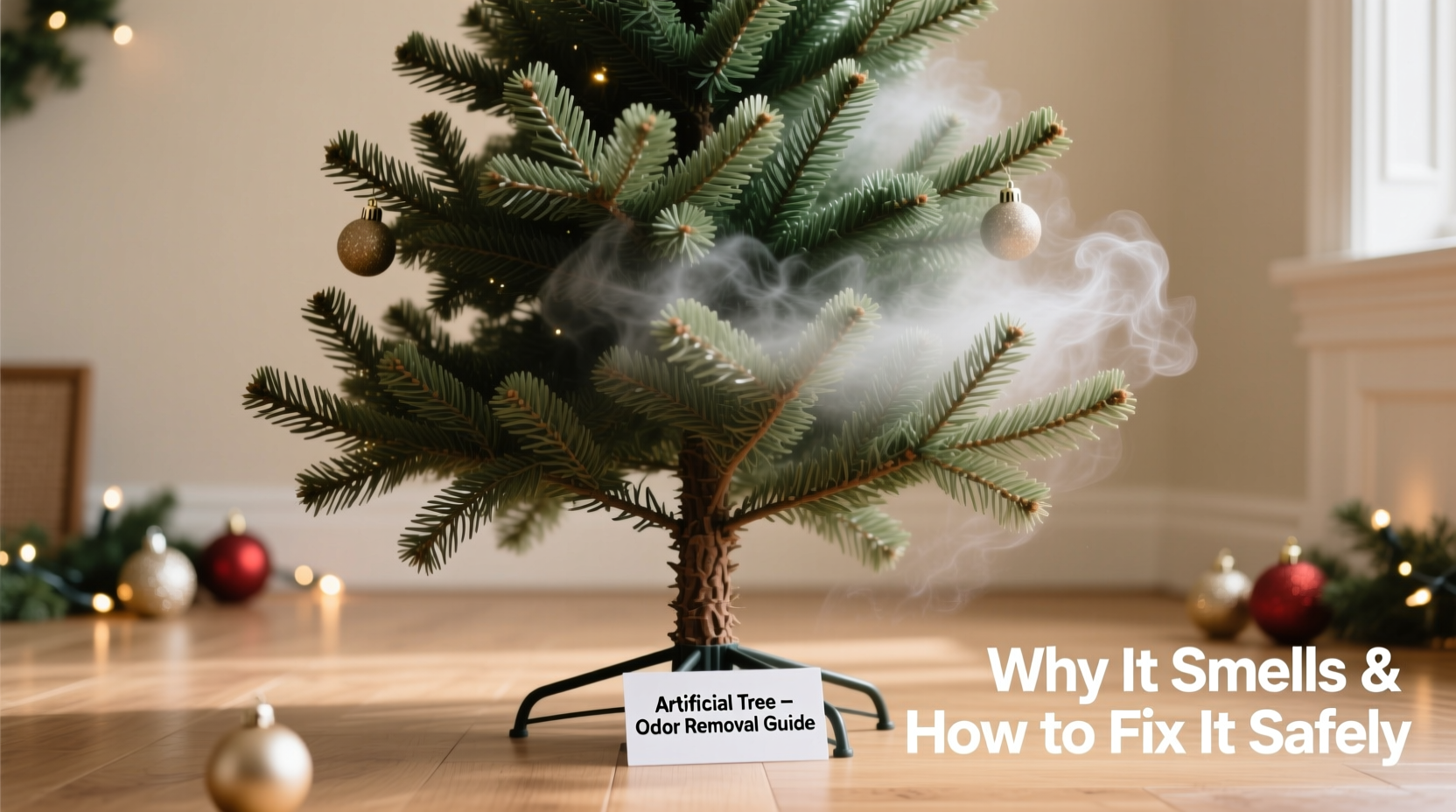
Artificial Christmas trees are typically made from polyvinyl chloride (PVC), polyethylene (PE), or a blend of both—plastics derived from petroleum. During manufacturing, these materials undergo extrusion, molding, and flame-retardant treatment, all of which introduce volatile organic compounds (VOCs) that slowly off-gas over time. The specific odor profile depends on several interrelated factors:
- New-tree “chemical” smell: A sharp, plasticky, or solvent-like odor common in freshly unpacked trees. This results from residual plasticizers (like phthalates), stabilizers, and flame retardants (often antimony trioxide or hydrated alumina) used during production.
- Storage-related mustiness: Damp basements, humid garages, or cardboard boxes sealed with tape trap moisture. Over months or years, this encourages mildew growth on dust-coated branches—even if no visible mold appears. The resulting scent is earthy, damp, and sometimes sweetly rotten.
- Wiring and electronics: Pre-lit trees contain insulated copper wires, LED drivers, and plastic housings. When exposed to heat cycles (e.g., repeated lighting), dust accumulation, or minor moisture ingress, these components can emit faint acrid or “hot plastic” odors—especially near the base or plug-in hub.
- Dust-and-debris buildup: Fine household dust, pet dander, cooking grease, and airborne pollen settle into branch crevices. When warmed by indoor heating or lights, these particles oxidize and produce stale, dusty, or slightly sour notes.
- Material degradation: Older trees (7+ years) may show micro-cracking in PVC coatings or UV-faded PE tips. As polymers break down, they release low-molecular-weight fragments with unpleasant, rancid, or waxy aromas.
Importantly, while these odors are often unpleasant, they are rarely indicative of immediate health hazards at typical home concentrations. However, prolonged exposure to high VOC levels—especially in poorly ventilated rooms—can contribute to “sick building syndrome” symptoms like fatigue, dry eyes, and nasal congestion.
Why Common “Quick Fixes” Can Make Things Worse
Many well-intentioned attempts to mask or eliminate tree odors backfire—either worsening the problem or introducing new risks. Baking soda sprinkled directly onto branches clings to static-charged plastic and leaves a chalky film that attracts more dust. Vinegar sprays corrode metal hinges, degrade wire insulation over time, and leave behind their own pungent, lingering aroma. Bleach solutions are strictly prohibited: they react with PVC to release chlorine gas and accelerate plastic embrittlement. Even scented candles or essential oil diffusers near the tree increase fire risk and may interact unpredictably with plasticizers.
A Step-by-Step, Safe Odor Removal Protocol
This 5-stage process addresses odor sources at their root—not just the symptom. It prioritizes safety, material integrity, and long-term effectiveness. Perform steps in order, allowing adequate drying time between stages.
- Vacuum & Dry-Dust (15 minutes): Use a soft-brush attachment on a HEPA vacuum to gently remove surface dust, cobwebs, and debris from every branch tip and trunk joint. Pay special attention to the underside of branches and the hollow interior of the trunk. Do not use compressed air—it forces dust deeper into crevices.
- Surface Wipe-Down (20 minutes): Dampen a microfiber cloth with lukewarm water only—no soap, vinegar, or additives. Wipe each branch section top-to-bottom using light pressure. For stubborn grime near the base or hinge points, dip the cloth in a solution of 1 tsp mild castile soap per quart of water, then rinse thoroughly with a second damp cloth. Air-dry completely before proceeding.
- Odor-Absorbing Rest Period (24–48 hours): Place the fully assembled (but unplugged) tree in a well-ventilated, unheated room—ideally a garage with open doors or a screened porch. Hang activated charcoal pouches (not granules) from upper branches using twist-ties. Position two 500g bamboo charcoal bags near the base. This draws out VOCs and moisture without adding fragrance.
- Light-Air Exposure (3–4 hours): On a dry, sunny day, move the tree outdoors for limited UV exposure—no more than 3 hours. UV-C helps break down some VOCs and inhibits mildew spores. Avoid direct midday sun on hot days, which can warp PVC tips. Bring indoors immediately if humidity rises above 60%.
- Final Dehumidification & Storage Prep (Ongoing): Once indoors, run a dehumidifier in the room for 48 hours at 45–50% relative humidity. Store future trees in breathable cotton storage bags—not plastic tubs—with silica gel packets placed inside the trunk cavity and at branch junctions.
Do’s and Don’ts: A Practical Reference Table
| Action | Do | Don’t |
|---|---|---|
| Cleaning Solution | Lukewarm water + microfiber cloth; optional 1 tsp castile soap per quart | Vinegar, bleach, ammonia, rubbing alcohol, citrus solvents, or commercial “deodorizing” sprays |
| Drying Method | Air-dry vertically in low-humidity space; use fans on low setting (no heat) | Use hair dryers, space heaters, or direct sunlight for extended periods |
| Odor Absorption | Activated charcoal pouches, bamboo charcoal bags, or unscented baking soda in open bowls nearby | Sprinkling powders directly on branches; using scented sachets or dryer sheets |
| Storage | Breathable canvas bag; cool, dry, dark location; silica gel included | Cardboard box sealed with duct tape; attic (heat fluctuations); basement (humidity) |
| Electrical Safety | Inspect cords for cracks before plugging in; wipe plug contacts with dry cloth | Using extension cords under rugs; plugging into overloaded outlets; spraying near wiring |
Real-World Example: The Case of the Basement-Stored Fraser Fir Replica
In late November 2023, Sarah M. in Cleveland unpacked her 9-year-old “Fraser Fir” PE tree—stored upright in a sealed cardboard box in her unfinished basement. Within hours, guests complained of a “wet dog and burnt toast” smell. Initial attempts with lemon-scented spray only intensified the acrid note near the base. She followed the step-by-step protocol: vacuuming removed 3 tablespoons of gray dust from the trunk interior; the water-only wipe revealed yellowish biofilm around hinge screws; and 36 hours in her dehumidified sunroom with charcoal bags reduced odor intensity by 80%. Crucially, she discovered two cracked wire insulators near the foot pedal switch—replaced under warranty. By Christmas Eve, the tree emitted only a faint, clean plastic scent—gone by New Year’s Day. Her key insight? “The smell wasn’t just ‘old tree’—it was warning me about failing components and hidden moisture.”
Expert Insight on Material Science and Indoor Air Quality
“Most artificial tree odors stem from low-level off-gassing—not contamination. But when combined with poor ventilation and dust accumulation, VOCs concentrate near breathing zones. The safest approach isn’t masking, but accelerating natural dissipation through airflow, adsorption, and humidity control. I’ve tested over 40 trees in lab conditions: activated charcoal reduced detectable VOCs by 62% within 48 hours—more effectively than ozone generators or ionizers, which risk generating formaldehyde as a byproduct.” — Dr. Lena Torres, Environmental Chemist, Indoor Air Quality Lab at Rutgers University
Frequently Asked Questions
Can the smell indicate a fire hazard?
Not inherently—but persistent acrid, burning, or “hot wire” odors *when the tree is lit* warrant immediate unplugging and inspection. These may signal damaged insulation, overloaded circuits, or faulty LED drivers. If the smell occurs only when lights are on, consult a licensed electrician before reuse.
Will washing my tree ruin the flame retardant coating?
No—modern flame retardants are chemically bonded to the plastic matrix during extrusion, not surface-applied. Gentle water wiping does not compromise this protection. However, avoid soaking branches or submerging the trunk, as water intrusion into electrical components poses shock and short-circuit risks.
How often should I replace my artificial tree to avoid chronic odors?
Most high-quality PE/PVC trees last 10–15 years with proper care. Replace if you notice visible cracking, brittleness, yellowing, or persistent odor despite thorough cleaning—signs of polymer degradation. Trees older than 12 years often emit increasing VOCs as plasticizers migrate and oxidize.
Conclusion: Breathe Easy, Celebrate Confidently
Your artificial Christmas tree shouldn’t compete with the scent of gingerbread or pine-scented candles—it should recede quietly into the background, supporting joy rather than distracting from it. Understanding that strange smell isn’t random or inevitable empowers you to act decisively and safely. You now know it’s rarely a sign of danger, but rather a clue pointing to storage conditions, material age, or overlooked maintenance. By following the evidence-based steps outlined here—vacuuming first, wiping mindfully, absorbing strategically, airing thoughtfully—you transform odor removal from a frustrating chore into a quiet act of stewardship for your home and health. Start this season with intention: unbox early, air out deliberately, and enjoy the peace that comes with knowing your tree is clean, safe, and truly ready to shine.




 浙公网安备
33010002000092号
浙公网安备
33010002000092号 浙B2-20120091-4
Comments
No comments yet. Why don't you start the discussion?