
For many households, an artificial Christmas tree is a holiday staple—offering convenience, reusability, and a consistent festive aesthetic without the mess of shedding pine. Yet even the most durable synthetic trees can begin to lose their luster over time, with plastic needles falling off, branches drooping, or color fading. If you’ve found yourself picking up stray tips from your tree each season, you’re not alone. Shedding in artificial trees isn’t normal wear-and-tear in the same way as real trees—it’s often a sign of degradation, poor storage, or manufacturing flaws. Understanding the causes behind this issue and knowing when to let go of an aging tree can make all the difference in maintaining a beautiful, long-lasting centerpiece for your celebrations.
Understanding Artificial Tree Construction
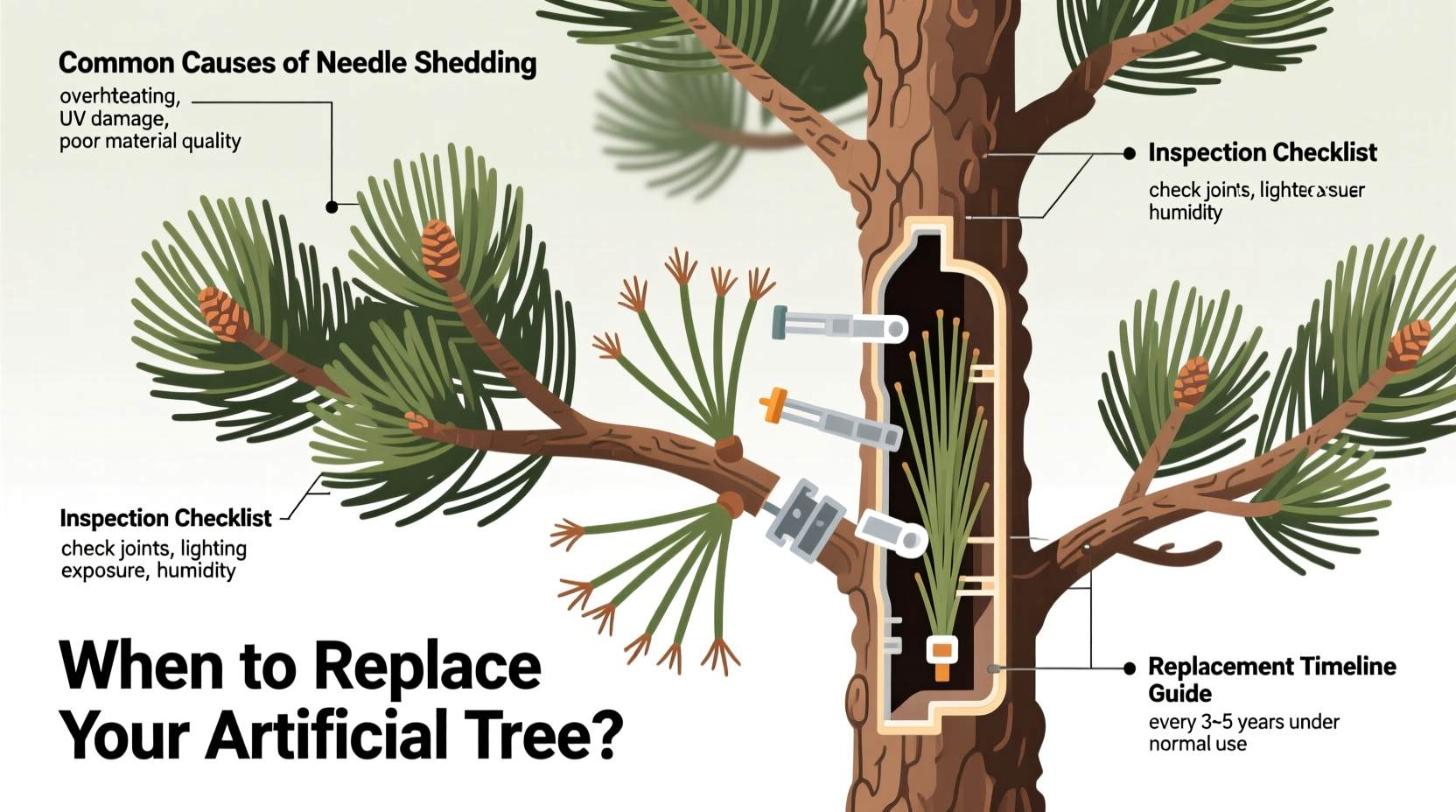
Artificial trees are typically made from two primary materials: polyvinyl chloride (PVC) and polyethylene (PE). Each has distinct characteristics that affect durability, realism, and longevity.
PVC trees use thin, flat needle strips attached to wire branches. They are generally more affordable and lightweight but less lifelike. Over time, the constant bending and flexing during setup and takedown weaken the bond between the needle strip and branch core, leading to breakage and shedding. PE trees, on the other hand, are molded from actual tree branches, resulting in a more realistic texture and sturdier construction. However, they are heavier and more expensive—and while more durable, they are not immune to degradation.
The frame—usually made of metal or steel rods—also plays a role. A poorly constructed hinge or joint system can cause stress on connected branches, increasing the likelihood of damage during assembly. Trees with pre-lit features add another layer of complexity; tangled wires or damaged sockets may not directly cause shedding, but they signal overall structural decline.
“Many people assume artificial trees last forever, but material fatigue is real. After 7–10 years, especially with suboptimal storage, even high-end models start showing wear.” — Daniel Reeves, Holiday Decor Specialist at Evergreen Home Accents
Common Causes of Needle Shedding in Artificial Trees
Unlike live trees, which naturally shed as part of their drying process, artificial trees should not lose needles under normal conditions. When shedding occurs, it points to specific issues:
- Poor Storage Conditions: Storing your tree in an attic, garage, or basement exposes it to temperature swings, humidity, and pests. Moisture can corrode metal frames and degrade plastic components, while rodents may chew on wiring or branches.
- Frequent Bending and Folding: Repeatedly folding and unfolding branches stresses the connection points. Over several seasons, this leads to microfractures in the plastic, causing needles to snap off.
- Exposure to Heat and Sunlight: Placing the tree near radiators, fireplaces, or sunny windows accelerates UV degradation. PVC becomes brittle when exposed to heat and light, making it prone to cracking and flaking.
- Low-Quality Manufacturing: Budget-friendly trees often use thinner plastics and weaker adhesives. These materials degrade faster, especially if the tree wasn’t designed for repeated use.
- Dust and Grime Buildup: Dust acts as an abrasive over time. When combined with static electricity common in synthetic materials, it attracts particles that wear down surfaces with handling.
How to Prevent and Minimize Shedding
Prevention starts the moment you take the tree down after the holidays. With proper care, even mid-range trees can last well beyond a decade. The key is consistency in handling, cleaning, and storage.
Cleaning Before Storage
Before packing away your tree, give it a thorough cleaning. Use a soft brush attachment on a vacuum to remove dust from deep within branches. For stubborn grime, lightly dampen a microfiber cloth with water or a mild soap solution—never spray liquid directly onto the tree. Allow all parts to air dry completely before storing to prevent mold and warping.
Optimal Storage Solutions
Use a dedicated tree storage bag with rigid support bars or a hard-shell case. Soft bags offer minimal protection and allow crushing, especially if other items are stacked on top. Ideally, store the tree in a climate-controlled space like a closet or under-bed container. Avoid cardboard boxes, which attract pests and absorb moisture.
Handling During Setup
When assembling the tree, unfold branches gently outward rather than pulling them upward. This mimics natural growth patterns and reduces strain on branch stems. Rotate each section slightly as you connect it to ensure even weight distribution and avoid twisting joints.
| Storage Method | Effectiveness | Risk Level |
|---|---|---|
| Hard-shell case in climate-controlled room | High | Low |
| Soft storage bag in garage (uninsulated) | Low | High |
| Vacuum-sealed bag | Very Low | High – damages branch structure |
| Original box with padding | Moderate | Moderate – susceptible to pests |
When to Replace Your Artificial Tree: A Practical Timeline
There’s no universal expiration date for artificial trees, but certain milestones and signs indicate it’s time for a replacement. Consider the following timeline-based indicators:
- Years 1–5: Peak performance. Minimal shedding, vibrant color, easy assembly. Focus on preventive maintenance.
- Years 6–8: Early warning signs. Slight discoloration, minor needle loss in high-stress areas (like outer tips), or flickering lights in pre-lit models. Deep clean and inspect storage methods.
- Years 9–10: Threshold for replacement. If shedding increases, branches fail to hold shape, or structural integrity is compromised, evaluate upgrading.
- Year 10+: High risk of failure. Most manufacturers consider this the end-of-life expectancy, even for premium models.
However, time isn’t the only factor. Evaluate your tree annually using the checklist below.
Annual Evaluation Checklist
- ☐ More than 10 needles fall off during regular handling
- ☐ Branches no longer stay in position or droop noticeably
- ☐ Visible brittleness, cracking, or chalky residue on branches
- ☐ Faded or yellowed color that can’t be cleaned
- ☐ Pre-lit wiring shows exposed copper, flickers, or fails safety tests
- ☐ Storage container no longer fits due to misshapen frame
- ☐ Assembly takes significantly longer due to broken or missing parts
If three or more items apply, it’s likely time to retire your tree. Continuing to use a deteriorating model poses safety risks—especially with electrical components—and diminishes the visual impact of your holiday display.
Real Example: The Martin Family’s 12-Year Tree Journey
The Martins purchased a 7.5-foot pre-lit PE/PVC blend tree in 2010. Stored in a ventilated plastic tote in their basement, it looked pristine for the first eight years. By 2018, they noticed small clusters of needles collecting under the tree each December. Assuming it was dust, they brushed it off. But by 2020, entire sections were thinning, and one evening, a branch snapped during decoration, revealing cracked plastic at the stem.
They researched repair options but found replacement parts unavailable. After consulting a holiday decor retailer, they learned their model had been discontinued and that attempting repairs could void any remaining safety certifications. In 2022, they upgraded to a hinged-base, dual-tone PE tree with a 15-year warranty. The new tree required a higher upfront cost but came with modular design features that allow individual branch replacement—a feature they now consider essential.
Their experience highlights a common oversight: assuming longevity equals permanence. Even with decent care, environmental factors and material limits eventually catch up.
Frequently Asked Questions
Can I fix a shedding artificial tree?
In limited cases, yes—but only for minor shedding. You can secure loose needle strips with a drop of clear, flexible adhesive (like E6000), but avoid gluing large sections as it creates uneven texture. If the base material is brittle or cracked, repair is not advisable. Replacement is safer and more effective.
Do all artificial trees shed eventually?
Not necessarily. High-quality trees stored properly may show no shedding for 10+ years. However, all synthetic materials degrade over time due to UV exposure, oxidation, and mechanical stress. Some level of wear is inevitable, but it shouldn’t result in visible debris under normal use.
Is shedding a fire hazard?
The plastic needles themselves aren’t highly flammable, but excessive shedding combined with faulty wiring in pre-lit trees increases risk. Brittle plastic near hot bulbs can smolder. If your tree sheds heavily and has lighting issues, discontinue use immediately.
Expert Tips for Extending Your Tree’s Life
Beyond basic storage and cleaning, a few advanced strategies can significantly extend usability:
- Rotate Sections Annually: Use different sides of the tree toward the room’s focal point each year to distribute light and handling wear evenly.
- Use Anti-Static Spray: Lightly apply anti-static products (designed for electronics or upholstery) to reduce dust attraction, which minimizes abrasion during handling.
- Inspect Wiring Before Each Use: Plug in the tree outside or in a safe area and monitor for 15 minutes. Look for flickering, overheating, or unusual smells.
- Label Storage Compartments: Mark bins by section (top, middle, bottom) to streamline setup and reduce fumbling that can lead to breakage.
“The best artificial tree is one you forget about—because it works perfectly every year. That kind of reliability comes from quality materials and disciplined care.” — Lena Park, Sustainable Holiday Designer
Conclusion: Make the Right Call for Safety and Style
An artificial Christmas tree should be a source of joy, not frustration. Occasional shedding is a red flag—not just for aesthetics, but for safety and long-term value. While it might feel sentimental to keep a tree that’s been part of your family’s traditions for over a decade, clinging to a deteriorating product risks fire hazards, increased maintenance, and diminished holiday spirit.
Recognizing the signs of wear, practicing diligent storage, and knowing when to upgrade are all part of responsible holiday decorating. Today’s market offers more durable, eco-conscious, and modular designs than ever before—many with replaceable branches and LED lighting that lasts thousands of hours. Investing in a new tree isn’t a failure of care; it’s a commitment to better experiences ahead.




 浙公网安备
33010002000092号
浙公网安备
33010002000092号 浙B2-20120091-4
Comments
No comments yet. Why don't you start the discussion?