
Every holiday season, millions of households across the world set up their artificial Christmas trees—celebrating convenience, reusability, and consistent aesthetics. But for many, a frustrating ritual accompanies the festive cheer: picking up tiny plastic needles from the floor long after the tree is assembled. While artificial trees are designed to last for years, needle shedding remains a common complaint. Unlike real trees, which naturally drop needles as they dry out, artificial trees shouldn’t lose significant foliage unless something’s wrong. So why does it happen—and more importantly, what can you do about it?
This article explores the science behind artificial tree shedding, identifies key causes, and provides actionable solutions to help preserve your tree’s fullness and appearance year after year.
The Anatomy of an Artificial Tree
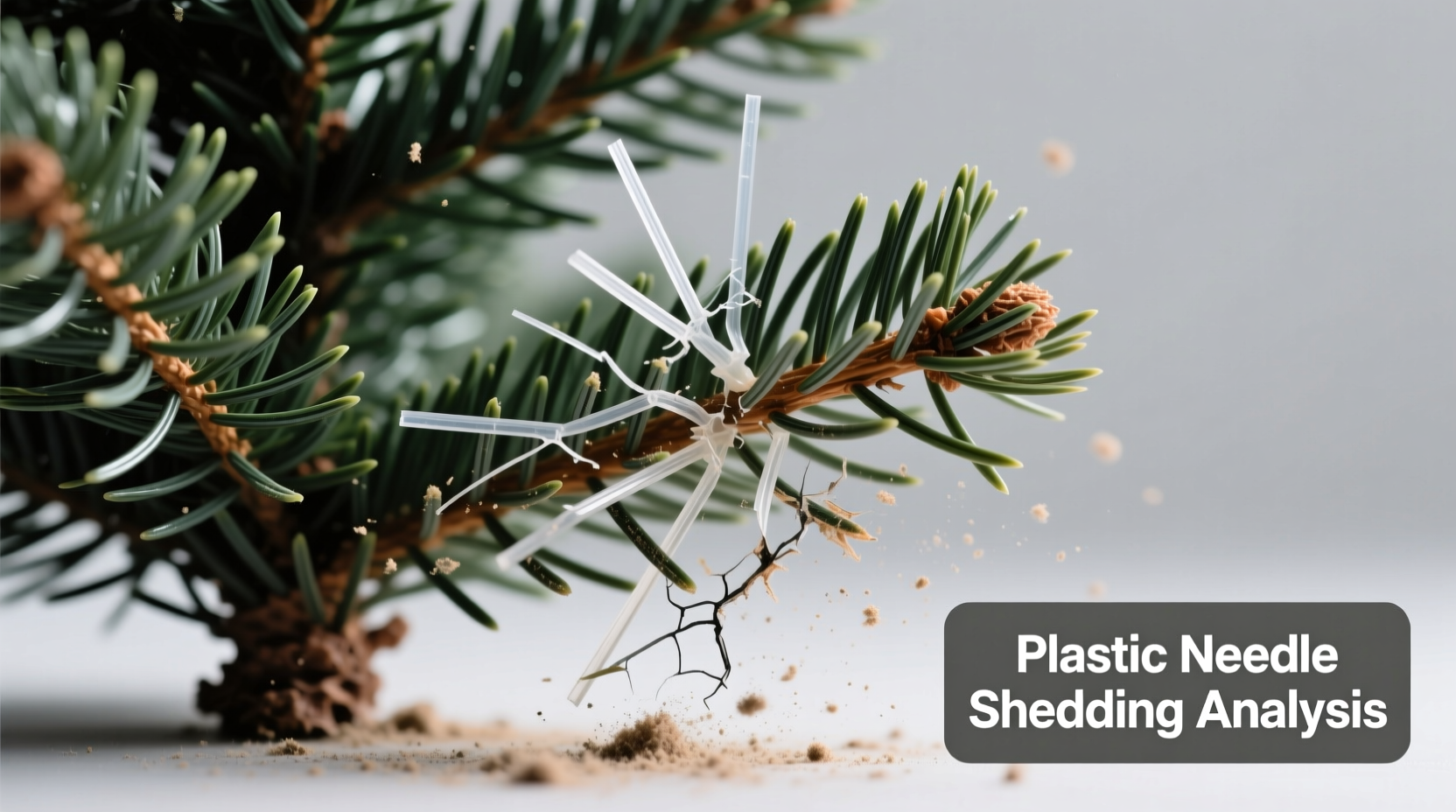
Modern artificial Christmas trees are typically made from polyvinyl chloride (PVC), polyethylene (PE), or a blend of both. These materials are molded into realistic-looking needles and attached to metal or plastic branches. The branches are then inserted into a central pole system that allows the tree to be assembled in sections.
While these trees mimic natural evergreens, their structure is fundamentally different. Real pine needles are part of a living organism; artificial “needles” are static components held together by mechanical and chemical bonds. Over time, those bonds can degrade due to environmental stress, poor handling, or manufacturing flaws—leading to needle loss.
Manufacturers often use heat-sealing, gluing, or injection molding to attach needles to branch stems. Lower-quality trees may rely on weaker adhesives or thinner plastics, making them more prone to shedding. Even high-end models aren’t immune if improperly stored or exposed to harsh conditions.
Why Do Artificial Trees Shed Plastic Needles?
Needle shedding in artificial trees isn't normal wear—it's a sign of breakdown. Several factors contribute to this issue:
1. Manufacturing Quality
Cheaply made trees often use brittle plastics and weak attachment methods. During production, excessive heat or pressure can damage the base of the needles, creating microfractures that lead to premature breakage. Trees produced in high-volume factories may skip quality control steps, allowing flawed units to reach consumers.
2. Age and Material Degradation
PVC and PE degrade over time, especially when exposed to oxygen, UV light, and temperature fluctuations. As the plastic becomes brittle, even gentle handling during setup can snap off needles. A tree that’s been used for 10+ years will naturally show signs of fatigue, particularly if stored in attics or garages where temperatures swing dramatically.
3. Improper Storage
Storing your tree in a compressed bag without support, or in a damp or hot environment, accelerates material breakdown. Squeezing branches together creates constant pressure on needle bases, weakening them over time. Moisture can corrode metal branch supports, leading to instability and increased shedding.
4. Handling and Assembly Stress
Rough handling during assembly—such as forcing branches into place, bending limbs too far, or dropping sections—can dislodge needles. Twisting or over-fluffing branches, while meant to improve fullness, sometimes does more harm than good, especially on older models.
5. Environmental Exposure
Trees placed near heating vents, fireplaces, or sunny windows experience thermal stress. Heat dries out plastic, making it more fragile. Similarly, direct sunlight contains UV rays that break down polymer chains in PVC, accelerating brittleness and discoloration.
“Even high-quality artificial trees can suffer from avoidable shedding if not handled and stored properly. It’s less about the product failing and more about how it’s treated between seasons.” — Dr. Linda Reeves, Materials Scientist specializing in synthetic polymers
How to Minimize Artificial Tree Needle Shedding
Preventing shedding starts before you even unpack your tree. With proper care, most artificial trees can remain lush and intact for 15 years or more. Here’s how to protect your investment:
Step-by-Step Guide to Reducing Shedding
- Inspect Before Assembly: Unpack each section carefully. Check for loose needles, cracked branch tips, or bent stems. Address minor issues early to prevent worsening.
- Fluff Gently: Instead of yanking or twisting branches, use a slow, outward motion to separate boughs. Work from the trunk outward, letting gravity help shape the limbs.
- Avoid Overloading Branches: Heavy ornaments pull down on branches, stressing needle joints. Distribute weight evenly and use lightweight decorations on outer tips.
- Control Temperature and Light: Keep the tree away from heat sources and direct sun. Ideal placement is in a cool room with indirect lighting.
- Vacuum Lightly After Setup: Use a brush attachment to remove any loose fragments that came loose during assembly—this prevents tracking debris across floors.
Storage Best Practices
How you store your tree determines its longevity. Follow these guidelines to minimize stress on materials:
- Disassemble the tree in reverse order of setup.
- Let branches settle into their natural position before packing.
- Use a dedicated tree storage bag with internal support rods to prevent crushing.
- If possible, store in a climate-controlled space like a closet or basement—not an attic or garage.
- Elevate the container off concrete floors to reduce moisture exposure.
Do’s and Don’ts: A Quick Reference Table
| Do’s | Don’ts |
|---|---|
| Store in a breathable, rigid container with vertical support | Compress the tree into a flimsy duffel bag |
| Assemble slowly, aligning branches carefully | Force branches into slots or twist aggressively |
| Place the tree in a cool, shaded area | Set it near radiators, vents, or south-facing windows |
| Use a soft brush or vacuum to clean dust annually | Wipe with wet cloths or cleaning sprays that may degrade plastic |
| Rotate tree sections yearly to balance wear | Always place the same side facing forward, causing uneven stress |
Real Example: The Case of the Sheddington Family Tree
The Sheddingtons had owned a 7.5-foot pre-lit artificial tree for eight years. Each December, they noticed increasing amounts of plastic debris around the base. By year seven, they were vacuuming daily. Believing the tree was simply worn out, they considered replacement—until a neighbor suggested evaluating their storage method.
They discovered their tree had been stored upright in a narrow closet, wedged between boxes. The lower branches were constantly under lateral pressure. Additionally, the storage bag lacked internal support, causing upper sections to collapse onto lower ones.
For the next season, they invested in a cylindrical storage container with internal ribs. They also began disassembling the tree more carefully, allowing branches to rest naturally before packing. The result? Shedding dropped by over 80%. The tree looked fuller, required less fluffing, and lasted three additional years without significant degradation.
Their experience highlights a crucial point: shedding is often not a product flaw, but a consequence of cumulative stress.
When to Replace vs. Repair
Not all shedding can be prevented. Eventually, every artificial tree reaches the end of its usable life. Knowing when to retire your tree helps maintain holiday safety and aesthetics.
Consider replacing your tree if:
- Shedding increases dramatically despite proper care.
- Branches become brittle or snap easily.
- The metal frame shows rust or instability.
- Lighting wires are frayed or malfunctioning.
- The tree no longer holds its shape, even after fluffing.
If only one or two sections are problematic, some manufacturers offer replacement branch kits. However, availability varies, and compatibility must be confirmed. For older models, third-party sellers on marketplace platforms may carry compatible parts.
Frequently Asked Questions
Is some shedding normal for artificial trees?
A minimal amount of shedding during the first setup after storage is common, especially for newer trees. Tiny fragments left over from manufacturing may come loose. However, ongoing or heavy shedding—requiring daily cleanup—is not normal and indicates a problem with quality, storage, or handling.
Can I seal loose needles with glue?
No. Attempting to glue loose needles is impractical and ineffective. The surface area is too small, and adhesives may discolor or stiffen surrounding plastic. Focus instead on preventing further damage through better care and storage.
Does fluffing cause more shedding?
Excessive or aggressive fluffing can worsen shedding, especially on older trees. Gentle separation of branches improves appearance without stress. If fluffing results in noticeable needle loss, reduce the force and frequency.
Checklist: Prevent Artificial Tree Shedding
Follow this annual checklist to keep your tree looking its best:
- ✅ Inspect all sections for damage before setup
- ✅ Fluff branches gently using an outward motion
- ✅ Avoid placing near heat sources or direct sunlight
- ✅ Distribute ornaments evenly; avoid heavy loads on tips
- ✅ Clean lightly with a soft brush or vacuum attachment
- ✅ Disassemble carefully after the season ends
- ✅ Store in a supportive, rigid container in a dry, cool place
- ✅ Rotate display orientation each year to balance wear
Conclusion: Protect Your Tree, Preserve the Magic
An artificial Christmas tree should bring joy, not frustration. Shedding plastic needles isn’t an inevitable part of holiday prep—it’s a solvable problem rooted in care practices, storage conditions, and product quality. By understanding the causes and taking proactive steps, you can significantly reduce or even eliminate shedding.
From choosing a well-constructed tree to storing it properly and handling it with care, every decision impacts longevity. Small changes today can extend your tree’s life by years, saving money and reducing waste. More importantly, they ensure your holiday centerpiece remains beautiful and hassle-free.




 浙公网安备
33010002000092号
浙公网安备
33010002000092号 浙B2-20120091-4
Comments
No comments yet. Why don't you start the discussion?