
Every holiday season, millions of households unpack their artificial Christmas trees with anticipation—only to find a trail of fallen needle-like tips scattered across the floor. While artificial trees promise convenience and longevity, shedding remains a surprisingly common issue. Unlike real trees that dry out and drop needles, artificial trees shed due to material fatigue, manufacturing flaws, or improper handling. Understanding the root causes and knowing how to minimize the mess can transform your decorating experience from frustrating to festive.
Shedding doesn’t mean your tree is defective or nearing retirement. In many cases, it’s a temporary phase, especially in new trees, or a symptom of preventable wear. With proper care, storage, and maintenance, you can significantly reduce shedding and extend your tree’s lifespan for years to come.
What Causes Artificial Trees to Shed Tips?
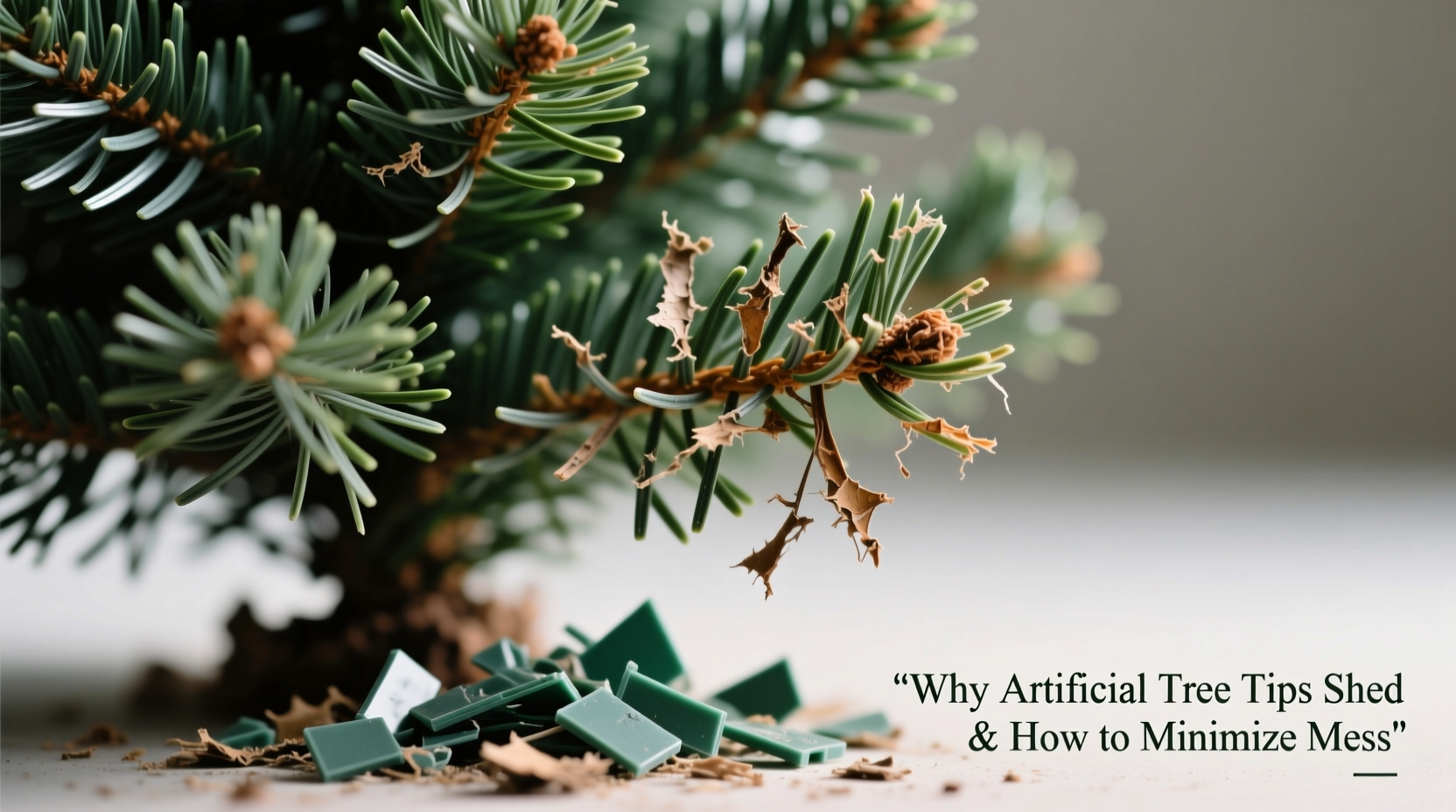
Artificial trees are typically made from polyvinyl chloride (PVC), polyethylene (PE), or a blend of both. The \"tips\" or needles are molded plastic attached to wire or plastic branches. Over time, these components degrade or detach due to several factors:
- Manufacturing defects: Poorly secured tips may loosen during shipping or initial setup.
- Age and material fatigue: Repeated assembly and disassembly weaken branch joints and tip adhesion.
- Exposure to heat and sunlight: Prolonged exposure dries out plastic, making it brittle and prone to breakage.
- Rough handling: Bending branches too far or forcing sections together can snap tips loose.
- Poor storage conditions: Storing in damp, hot, or cramped spaces accelerates material degradation.
Newer trees often shed more in their first season. This phenomenon, sometimes called “first-year fallout,” occurs because factory residue, loose attachments, or stress from packaging cause initial tip loss. While unsettling, this usually stabilizes after the first use.
“Many customers report shedding in the first year, but with proper setup and storage, it drops off dramatically by year two.” — Marcus Lin, Product Manager at Evergreen Home Décor
How to Minimize Shedding: A Step-by-Step Guide
Reducing tip shedding isn’t about perfection—it’s about consistency. Follow this timeline-based approach to maintain your tree before, during, and after the holiday season.
1. Pre-Season Inspection (4–6 Weeks Before Setup)
Before assembling your tree, inspect stored sections for damage. Check for:
- Brittle or cracked branch tips
- Frayed wires inside branches
- Loose connections between branch arms and central pole
If possible, gently shake each section over a sheet to dislodge any loose debris accumulated in storage.
2. Gentle Assembly (During Setup)
Handle each branch with care. Avoid yanking or twisting limbs into place. Instead:
- Unfold branches outward, not upward, to preserve natural shape.
- Rotate tips slightly between fingers to fluff without snapping.
- Work from the bottom up, ensuring even distribution and minimal strain.
3. During Display (Holiday Season)
Once assembled, protect your tree from environmental stressors:
- Keep away from heating vents, fireplaces, and direct sunlight.
- Avoid hanging heavy ornaments on outer tips—distribute weight toward branch bases.
- Use a tree skirt to contain falling debris and simplify cleanup.
4. Post-Season Dismantling (After Takedown)
Take down your tree carefully to avoid unnecessary stress:
- Remove ornaments and lights gently, starting from the top.
- Fold branches in the reverse order of assembly—toward the trunk, not crushed inward.
- Store in a labeled, vertical tree bag or original box if available.
5. Off-Season Storage (March to November)
Proper storage is the most critical factor in reducing long-term shedding. Ideal conditions include:
- Cool, dry environment (e.g., climate-controlled closet or basement)
- Protection from rodents and dust
- Minimal compression—avoid stacking heavy items on storage containers
Tips to Reduce Mess and Maintain Tree Quality
Beyond structural care, small habits make a big difference in minimizing mess and preserving appearance.
- Use a lint roller: Quickly pick up stray tips from carpets, furniture, and clothing.
- Vacuum regularly: Use a soft brush attachment weekly to remove debris around the base.
- Apply anti-static spray: Lightly misting branches (from a distance) can reduce static cling that attracts dust and loosens tips.
- Invest in a tree stand with a drip tray: Some stands include built-in trays to catch falling particles.
For homes with pets or small children, consider placing a low barrier or decorative fence around the tree to prevent accidental bumps that dislodge tips.
Do’s and Don’ts: Best Practices for Artificial Tree Care
| Do | Don’t |
|---|---|
| Fluff branches gently from base to tip | Pull or tug on individual tips |
| Store in a cool, dry, pest-free area | Leave in an attic or garage with temperature swings |
| Use a protective tree bag with compartments | Compress tree into a too-small container |
| Clean branches with a microfiber cloth annually | Wash with water or chemical cleaners |
| Inspect for damage before and after each season | Ignore cracks or fraying wires |
Real Example: How One Family Reduced Shedding by 90%
The Thompson family in Portland, Oregon, had grown frustrated with their 7.5-foot pre-lit artificial tree. Each year, they spent hours vacuuming daily and found tips embedded in rugs and pet beds. After three seasons, they considered replacing it—until they implemented a structured care routine.
They began by dismantling the tree more carefully, labeling each section, and storing it in a custom vertical bag. Before setting it up the next season, they inspected each branch and shook sections outside. They also moved the tree away from a nearby radiator and started using a wide fabric tree skirt with a rubber backing to trap debris.
By the following December, shedding dropped noticeably. “We went from vacuuming every other day to once a week,” said Sarah Thompson. “The tree looks fuller, and cleanup is no longer a chore.”
Their experience highlights how simple changes—especially in handling and placement—can dramatically improve performance and reduce mess.
When to Replace Your Artificial Tree
Even with excellent care, artificial trees have a lifespan. Most high-quality models last 10–15 years with minimal shedding. Signs it may be time to replace yours include:
- Excessive, ongoing tip loss despite proper care
- Frayed or exposed wiring in branches or trunk
- Difficulty standing upright due to weakened pole or stand
- Fading color or chalky texture indicating plastic breakdown
If your tree shows multiple signs, replacement may be safer and cleaner than continued maintenance. Consider upgrading to a PE-blend tree with hinged branches, which tend to shed less and assemble faster.
FAQ: Common Questions About Artificial Tree Shedding
Is some shedding normal for artificial trees?
Yes. A small amount of tip loss, especially in the first year, is normal. Factories may leave residue or loosely attached parts. However, persistent or heavy shedding beyond the first season suggests damage or poor storage.
Can I fix loose tips myself?
In limited cases, yes. If a few tips are detached but intact, you can reattach them using a tiny dot of clear-drying craft glue. Apply sparingly to avoid visible residue. However, this is only practical for minor issues—not widespread shedding.
Does lighting affect shedding?
Yes. Incandescent lights generate heat, which can dry out plastic tips over time. Switching to LED lights reduces heat output and helps preserve material integrity. Most modern pre-lit trees now come with LEDs for this reason.
Checklist: How to Keep Your Artificial Tree Shed-Free
Use this checklist annually to ensure your tree stays full, safe, and mess-free:
- ✅ Inspect each section for damage before setup
- ✅ Assemble branches gently, avoiding forced bending
- ✅ Fluff tips from base to tip to restore shape
- ✅ Position tree away from heat sources and direct sun
- ✅ Use a tree skirt with a tight fit to contain debris
- ✅ Vacuum around the base weekly during display
- ✅ Disassemble slowly, folding branches in reverse order
- ✅ Store in a labeled, vertical, protective bag
- ✅ Keep in a cool, dry, rodent-proof location
- ✅ Review condition annually and plan replacement if needed
Conclusion: Enjoy a Cleaner, Longer-Lasting Holiday Tradition
An artificial tree should enhance your holiday season, not create extra work. Shedding tips are a common but manageable issue. By understanding the causes—from manufacturing quirks to improper storage—and applying consistent care practices, you can drastically reduce mess and extend your tree’s life.
The key lies in proactive maintenance: gentle handling, smart placement, and disciplined storage. These habits don’t require expensive tools or hours of effort. Instead, they reflect a thoughtful approach to preserving one of your home’s most cherished seasonal features.




 浙公网安备
33010002000092号
浙公网安备
33010002000092号 浙B2-20120091-4
Comments
No comments yet. Why don't you start the discussion?