
Every holiday season, millions of households unpack their artificial Christmas trees with excitement—only to be greeted by an unexpected chemical or plastic-like odor. While not dangerous in most cases, this smell can be off-putting and ruin the cozy, festive atmosphere you’re trying to create. The good news is that this issue is both common and fixable. Understanding why your artificial tree smells like plastic—and how to effectively neutralize or remove the odor—can transform your decorating experience from frustrating to joyful.
The scent typically comes from the materials used in manufacturing and prolonged storage. Most artificial trees are made from polyvinyl chloride (PVC) or polyethylene (PE), both petroleum-based plastics that can emit volatile organic compounds (VOCs), especially when first unboxed or exposed to warmth. These compounds are responsible for the “new plastic” smell, which may intensify after months in a dark, enclosed storage space.
The Science Behind the Plastic Smell
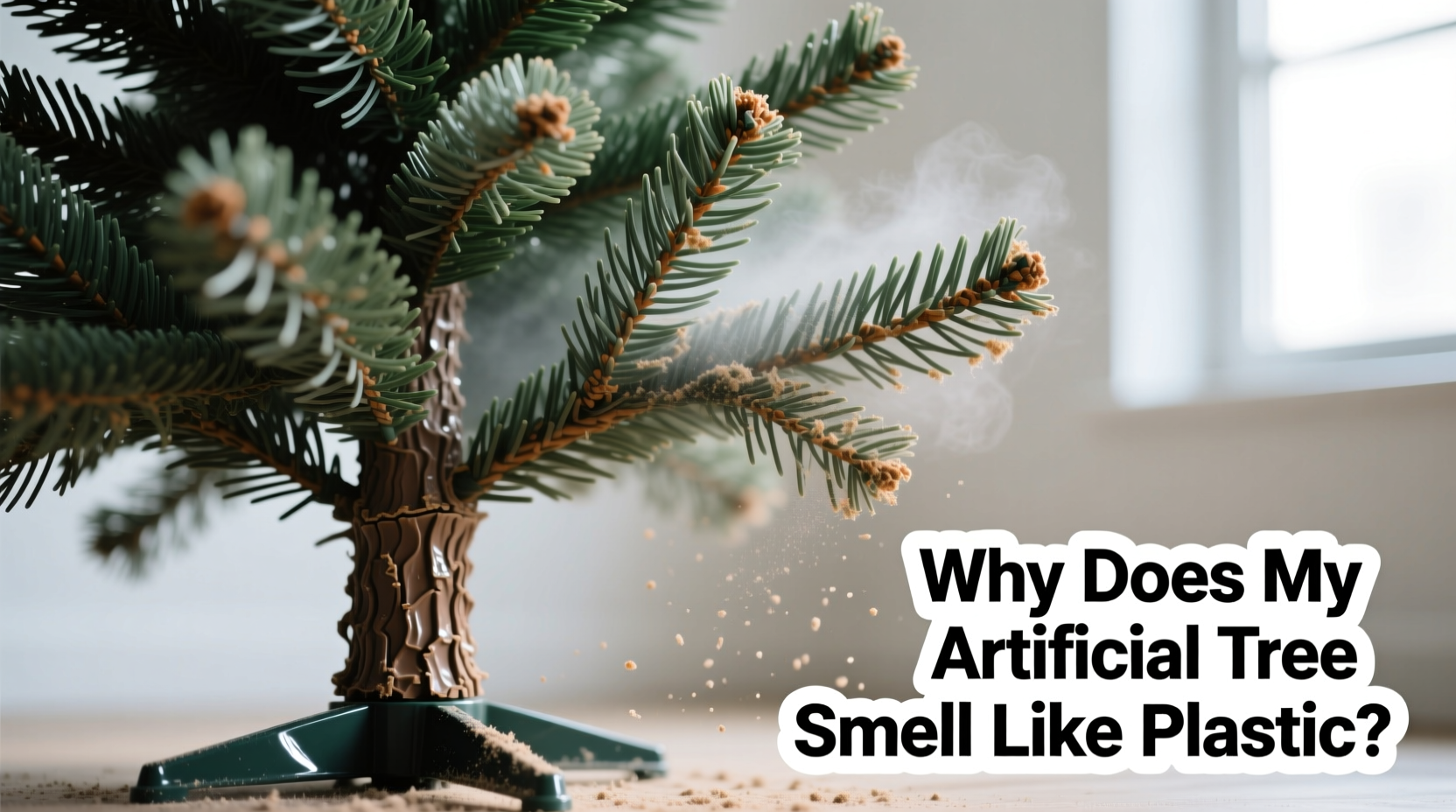
Artificial trees are primarily constructed from PVC, a durable synthetic plastic known for its flexibility and flame resistance. During production, PVC is combined with softening agents called plasticizers—often phthalates—which help the branches maintain a lifelike bend. Over time, especially in warm or poorly ventilated storage conditions, these chemicals can break down slightly and release gases into the air.
This process, known as off-gassing, is the primary reason behind the plastic odor. Off-gassing is most noticeable when the tree is first removed from storage or packaging because the accumulated VOCs are suddenly released into your living space. Heat accelerates this process: placing your tree near a radiator, heating vent, or even under strong lighting can make the smell stronger.
While the U.S. Consumer Product Safety Commission considers most artificial trees safe when used as directed, sensitive individuals—especially those with asthma or chemical sensitivities—may find the odor irritating. The smell usually diminishes over time with proper airing, but there are faster, more effective ways to address it.
Step-by-Step Guide to Remove the Plastic Smell
Eliminating the plastic odor from your artificial tree doesn’t require expensive products or complicated procedures. With patience and the right approach, you can enjoy a fresh-smelling tree in just a few days. Follow this step-by-step method for best results:
- Unpack in a Well-Ventilated Area: Open the box or storage container in a garage, basement, or outside if weather permits. Let the tree sit assembled (but unlit) for at least 24 hours.
- Dust Thoroughly: Use a microfiber cloth or a vacuum with a brush attachment to remove dust and debris from each branch. Dust can trap odors and reduce air circulation.
- Wipe Down Branches (Optional): For persistent smells, lightly dampen a cloth with a mixture of water and white vinegar (1:1 ratio) and gently wipe synthetic needles. Avoid soaking the tree—water can damage wiring or hinges.
- Air It Out Indoors: Place the tree in a room with open windows and use fans to circulate air. Run an air purifier with a carbon filter to capture VOCs.
- Use Natural Odor Absorbers: Position bowls of activated charcoal, baking soda, or coffee grounds near the base of the tree overnight.
- Add Festive Scent (Optional): Once the plastic smell fades, enhance the atmosphere with pine-scented essential oils on cotton balls or a diffuser set to low.
This process typically takes 2–5 days, depending on the severity of the odor and ventilation quality. Avoid using chemical air fresheners directly on the tree, as they can leave residue or react unpredictably with plastic surfaces.
Do’s and Don’ts When Dealing with Plastic Odors
| Action | Recommended? | Reason |
|---|---|---|
| Unpack tree outdoors | ✅ Yes | Allows VOCs to dissipate safely without contaminating indoor air |
| Use a fan to increase airflow | ✅ Yes | Speeds up off-gassing and reduces odor concentration |
| Wipe branches with vinegar solution | ✅ Yes (lightly) | Vinegar neutralizes odors without damaging plastic |
| Apply heat to “bake out” the smell | ❌ No | Heat increases VOC release and may warp branches |
| Use bleach or ammonia cleaners | ❌ No | Corrosive chemicals can degrade plastic and wiring |
| Spray synthetic fragrance directly on tree | ❌ No | Can attract dust and mix poorly with existing odors |
| Store tree in a sealed plastic bin | ⚠️ Only if clean and dry | Traps moisture and concentrates odors over time |
Long-Term Prevention Tips
Once you’ve successfully removed the plastic smell, take steps to prevent it from returning next year. Proper storage and maintenance go a long way in preserving both the appearance and scent profile of your artificial tree.
- Clean Before Storing: After taking the tree down, wipe down major sections with a dry microfiber cloth to remove dust and any residual odor-causing particles.
- Let It Air Out Post-Holiday: Before packing away, leave the tree standing in a garage or sunroom for a day to release any trapped indoor scents or moisture.
- Use Breathable Storage: Store your tree in a fabric tree bag rather than a sealed plastic one. Fabric allows airflow and reduces the risk of musty or chemical buildup.
- Add Odor Absorbers in Storage: Tuck a small sachet of baking soda or silica gel packets into the storage container to absorb ambient moisture and lingering smells.
- Keep Away from Heat Sources: Store in a cool, dry place—attics and garages that experience extreme temperature swings should be avoided if possible.
Real Example: How One Family Fixed Their Persistent Tree Smell
The Thompson family in Ohio had struggled for three years with a strong chemical odor from their 7.5-foot pre-lit artificial tree. Each December, the smell was so intense that their youngest child developed headaches within hours of setup. They tried everything—air fresheners, candles, even leaving the tree in the driveway for a weekend—but nothing worked consistently.
In their fourth year, they decided to investigate the root cause. After researching off-gassing and reading product labels, they discovered their tree was made from high-PVC materials with no mention of low-emission certification. They took a systematic approach: assembling the tree in their detached garage, running two box fans for 48 hours, wiping branches with diluted vinegar, and placing activated charcoal bags around the trunk indoors.
The difference was dramatic. Within 36 hours of bringing it inside, the plastic smell was barely noticeable. By day three, it was gone. They now repeat this routine annually and report that the odor has significantly decreased each year, likely due to reduced residual VOCs. The key, they say, was addressing the problem early and consistently—not waiting until the tree was fully decorated.
Expert Insight: What Industry Professionals Recommend
“Off-gassing is real, but manageable. Many consumers don’t realize that storing a tree in a hot attic over summer essentially ‘cooks’ the plastic, accelerating chemical breakdown. The best defense is proactive ventilation and using carbon-based absorbers.” — Dr. Linda Reeves, Indoor Air Quality Specialist, Green Home Institute
“Don’t underestimate the power of time and airflow. I recommend treating your artificial tree like new furniture—let it breathe before use. A week of gradual airing beats any quick-fix spray.” — Marcus Tran, Sustainable Holiday Consultant
Checklist: Eliminate Plastic Smell from Your Artificial Tree
- ☐ Unpack tree in a ventilated space (garage/outdoors)
- ☐ Assemble tree completely
- ☐ Dust all branches with microfiber cloth or vacuum
- ☐ Wipe down with water-vinegar solution (optional)
- ☐ Run fans and open windows for 24–72 hours
- ☐ Place bowls of baking soda, charcoal, or coffee grounds nearby
- ☐ Use a HEPA + carbon-filter air purifier
- ☐ Test for remaining odor before decorating
- ☐ Store properly after holidays to prevent recurrence
Frequently Asked Questions
Is the plastic smell from artificial trees dangerous?
For most people, the odor is unpleasant but not harmful. However, prolonged exposure to high levels of VOCs—especially in poorly ventilated spaces—can cause headaches, dizziness, or respiratory irritation in sensitive individuals. If symptoms persist, consider relocating the tree or using stronger air filtration.
Can I wash my artificial tree in the washing machine?
No. Submerging or machine-washing an artificial tree can damage the wiring, hinges, and plastic needles. Spot cleaning with a damp cloth is the safest method. Never soak or spin the tree.
Will the smell go away on its own?
Yes, in most cases, the odor will fade within a few days to a week through natural off-gassing. However, active measures like ventilation, wiping, and using odor absorbers can speed up the process significantly—sometimes reducing wait time by 50% or more.
Conclusion: Breathe Easy This Holiday Season
An artificial tree shouldn’t come with a side of chemical fumes. With a clear understanding of why the plastic smell occurs—and practical strategies to eliminate it—you can enjoy a clean, inviting holiday centerpiece without compromise. The key lies in proactive care: ventilate early, clean gently, store wisely, and never rush the process.
Your tree is meant to bring joy, warmth, and nostalgia—not headaches or discomfort. By following the methods outlined here, you’re not just removing an odor; you’re reclaiming the true spirit of the season. Take action now, share what works for you, and make every holiday setup a little brighter, fresher, and more welcoming.




 浙公网安备
33010002000092号
浙公网安备
33010002000092号 浙B2-20120091-4
Comments
No comments yet. Why don't you start the discussion?