
Bringing home a new artificial Christmas tree should be a joyful moment—a fresh start to the holiday season without the mess of pine needles or the hassle of watering. But instead of the crisp scent of evergreen, many people are met with an unexpected chemical, plastic-like, or musty odor. This strange smell can be off-putting, especially when you're trying to create a cozy, festive atmosphere. The good news is that this issue is common, usually temporary, and—most importantly—fixable.
The odor doesn’t mean your tree is defective. In fact, it’s a natural byproduct of manufacturing, packaging, and storage. Understanding where the smell comes from is the first step toward eliminating it quickly and safely. With the right techniques, you can have a clean-smelling, beautiful tree ready for lights and ornaments in just hours—not days.
Why Artificial Trees Develop an Unpleasant Smell
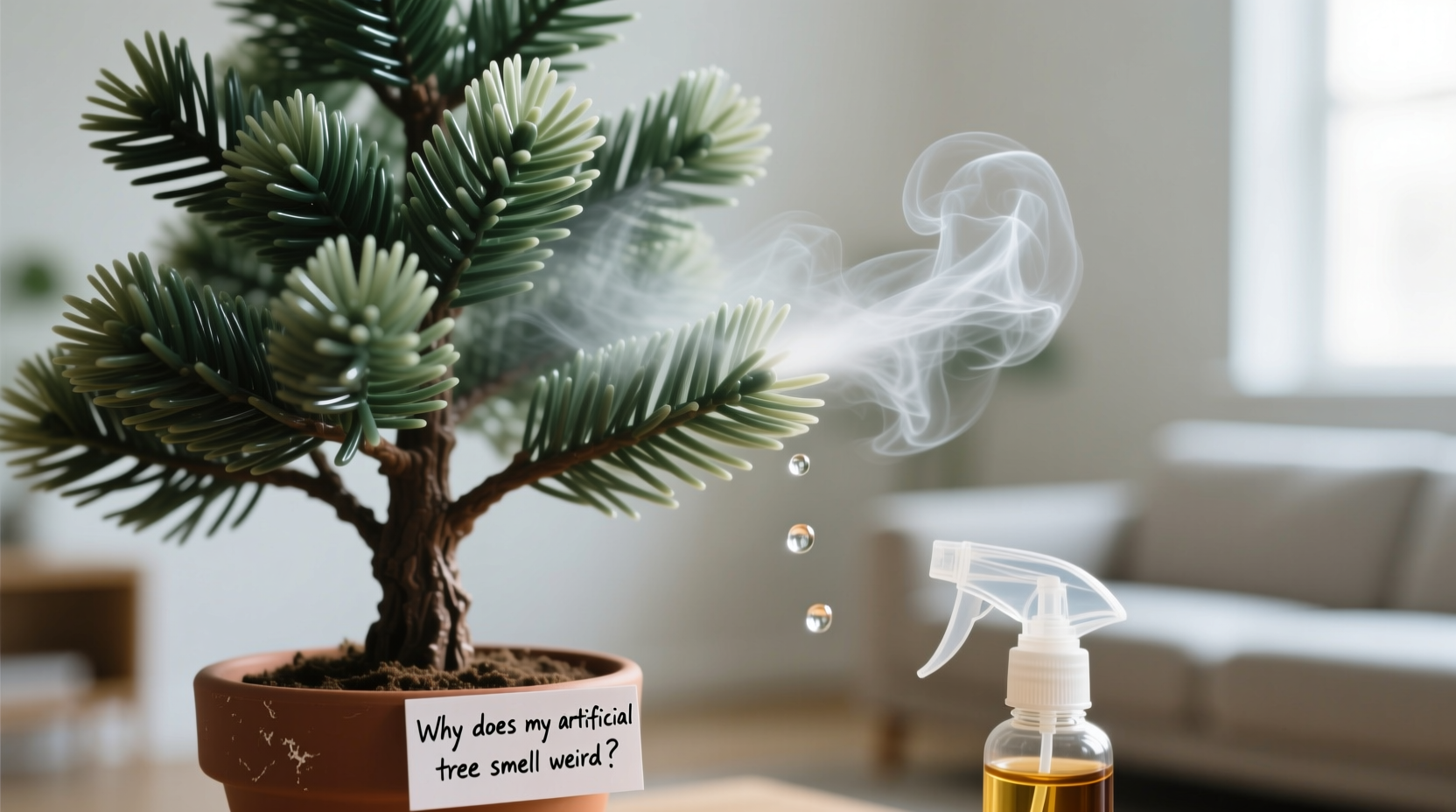
The unfamiliar odor from a new artificial tree typically stems from a combination of materials and environmental factors. Most modern trees are made from polyvinyl chloride (PVC), a durable plastic chosen for its flame resistance and lifelike appearance. During production, PVC is treated with plasticizers, stabilizers, and dyes—all of which can emit volatile organic compounds (VOCs) when first exposed to air.
Additionally, trees are often tightly packed in plastic bags and stored in warehouses or shipping containers for months, sometimes in hot or humid conditions. This prolonged confinement traps gases released by the materials, creating a concentrated “off-gassing” effect once unpacked. Dust accumulation during storage can also contribute to a stale, musty scent when the tree is first opened.
“Off-gassing from plastics like PVC is common in household products, from furniture to electronics. While generally low-risk, proper ventilation significantly reduces exposure and odor.” — Dr. Lena Patel, Environmental Health Specialist
It's important to note that while the smell may be unpleasant, it’s not typically dangerous in well-ventilated spaces. However, individuals with sensitivities to chemicals, asthma, or respiratory conditions may want to take extra precautions.
Fast Methods to Remove the Artificial Tree Smell
Waiting days for the odor to fade naturally isn’t always practical, especially if your holiday gathering is just around the corner. Fortunately, several quick and effective methods can accelerate the process. The key is combining ventilation with odor-neutralizing techniques.
1. Immediate Outdoor Ventilation
The fastest way to reduce the smell is to expose the tree to fresh air. Set it up outside on a porch, balcony, or driveway for 2–6 hours, depending on weather conditions. Wind and sunlight help break down VOCs and carry away trapped odors.
If outdoor space isn’t available, open windows and use fans to create cross-ventilation indoors. Position fans to blow across the branches, mimicking natural airflow through a forest canopy.
2. Baking Soda Odor Absorption
Baking soda is a natural deodorizer that absorbs rather than masks smells. Lightly sprinkle baking soda over the branches, focusing on dense areas where odors linger. Let it sit for 1–2 hours, then shake the tree vigorously or use a handheld vacuum with a brush attachment to remove residue.
This method is safe for all tree types, including flocked and pre-lit models, as long as minimal moisture is involved.
3. Vinegar Spray Solution
A diluted white vinegar spray neutralizes alkaline-based odors common in plastics. Mix one part white vinegar with three parts water in a spray bottle. Mist the branches lightly—avoid soaking the tree, especially near electrical components.
Vinegar has a strong initial scent, but it dissipates quickly, leaving behind a cleaner smell. For a more pleasant aroma, add a few drops of essential oil like pine, cinnamon, or orange.
4. Activated Charcoal Exposure
Place small sachets of activated charcoal among the branches overnight. Charcoal is highly porous and pulls odor molecules from the air and surfaces. Unlike baking soda, it doesn’t need to contact the tree directly and won’t leave residue.
This method works well in enclosed spaces like basements or storage rooms if you’re preparing the tree ahead of time.
5. Use of Odor-Neutralizing Sprays
Commercial products like Febreze or enzyme-based fabric sprays can help break down odor-causing compounds. Choose fragrance-free versions if you plan to decorate with scented ornaments or diffusers later. Always test on a small area first to ensure no discoloration occurs.
Spray lightly and allow the tree to dry completely before bringing it into living spaces.
Step-by-Step Timeline: Eliminate the Smell in Under 24 Hours
Follow this efficient timeline to enjoy a fresh-smelling tree within a day:
- Hour 0–1: Unpack Outside – Open the box in a garage or yard. Shake out each section to release trapped air.
- Hour 1–4: Air Out – Assemble the tree and let it stand in a breezy outdoor area. Use a fan if wind is limited.
- Hour 4–5: Apply Baking Soda – Lightly dust branches and let sit for 60 minutes.
- Hour 5–6: Shake and Vacuum – Remove baking soda thoroughly to prevent dust buildup.
- Hour 6–7: Spray with Vinegar Solution – Use a fine mist, avoiding lights and stands.
- Hour 7–12: Indoor Ventilation – Move the tree inside near an open window with a fan blowing outward.
- Hour 12–24: Final Refresh – Place charcoal packets nearby or use a light citrus-scented spray for a festive touch.
Prevention Tips for Future Seasons
Once the smell is gone, maintaining freshness year after year requires smart storage habits. Many people unknowingly reintroduce odors by storing their trees in damp garages, dusty attics, or non-breathable plastic bags.
Proper Storage Techniques
- Store in a cool, dry place away from humidity and temperature extremes.
- Use a breathable cotton or mesh storage bag instead of sealed plastic.
- Include silica gel packets or cedar blocks to absorb moisture and deter pests.
- Disassemble the tree fully and avoid crushing branches under heavy items.
Annual Maintenance Routine
Before packing the tree away each January, give it a quick wipe-down with a microfiber cloth to remove dust and debris. If you notice any lingering odors at the end of the season, refresh it using the vinegar spray method before storage.
| Do | Don’t |
|---|---|
| Use breathable storage containers | Seal the tree in airtight plastic |
| Store off the floor on shelves | Leave it on concrete basement floors |
| Add odor absorbers like charcoal | Store near paint, cleaning supplies, or gasoline |
| Clean branches before storing | Store while damp or wet |
Real Example: A Last-Minute Holiday Save
Sarah from Denver bought a premium pre-lit artificial tree online in mid-December. When she unpacked it the night before her family arrived, she was hit with a sharp, chemical smell that made her eyes water. With guests coming in eight hours, she didn’t have time to wait it out.
She assembled the tree in her attached garage, turned on two box fans pointing outward, and left it for four hours. She then sprinkled baking soda over the branches, shook it off after an hour, and wiped the trunk with a vinegar-water solution. Finally, she brought it inside, placed it near an open window with a ceiling fan running, and sprayed a light pine-scented room mist.
By evening, the odor was nearly gone. Her niece even commented, “It smells like Christmas!” Sarah now stores her tree in a ventilated canvas bag with charcoal packets and airs it out for a few hours every year—just in case.
Frequently Asked Questions
Is the smell from a new artificial tree dangerous?
In most cases, no. The odor comes from low levels of VOCs released during off-gassing. These are generally considered safe in well-ventilated areas. However, sensitive individuals may experience headaches or irritation. If symptoms persist, increase airflow or consider using an air purifier with a carbon filter.
Can I use a hairdryer or heater to speed up the process?
No. Applying direct heat can damage PVC needles, warp branches, or even pose a fire risk near electrical wiring. Stick to passive ventilation and natural odor absorbers instead.
Will the smell come back after storage?
Possibly, if the tree is stored improperly. Dampness, dust, and confined spaces can cause odors to redevelop. Proper cleaning and breathable storage greatly reduce the chance of recurring smells.
Expert-Recommended Checklist
Use this checklist to eliminate and prevent artificial tree odors efficiently:
- ✅ Unpack the tree in a well-ventilated area
- ✅ Shake out each section to release trapped air
- ✅ Air out outdoors or near open windows for 2–6 hours
- ✅ Apply baking soda or vinegar spray for odor removal
- ✅ Use fans to boost airflow through dense branches
- ✅ Store in a breathable container with moisture absorbers
- ✅ Clean and refresh the tree annually before storage
Conclusion: Enjoy a Fresh, Festive Tree Without the Fumes
An odd smell from your artificial tree isn’t a defect—it’s a solvable side effect of modern manufacturing. With a clear understanding of the causes and a few simple, science-backed techniques, you can transform an off-putting odor into a fresh, welcoming centerpiece for your holidays.
Whether you’re dealing with a brand-new tree or reviving one from storage, the methods outlined here work fast and safely. More importantly, they empower you to take control of your indoor environment, ensuring your celebrations are joyful, not irritating.




 浙公网安备
33010002000092号
浙公网安备
33010002000092号 浙B2-20120091-4
Comments
No comments yet. Why don't you start the discussion?