
Every holiday season, millions of households unpack their artificial Christmas trees, eager to relive tradition without the mess of needles or the hassle of disposal. But for many, the joy is short-lived—replaced by an unexpected, chemical-like odor that lingers in the air. This smell isn’t just unpleasant; it can cause headaches, respiratory irritation, or even trigger allergies in sensitive individuals. The culprit? Off-gassing from synthetic materials used in manufacturing. Understanding why this happens—and how to fix it—is essential for a healthier, more enjoyable holiday experience.
The Science Behind the Smell: What Is Off-Gassing?
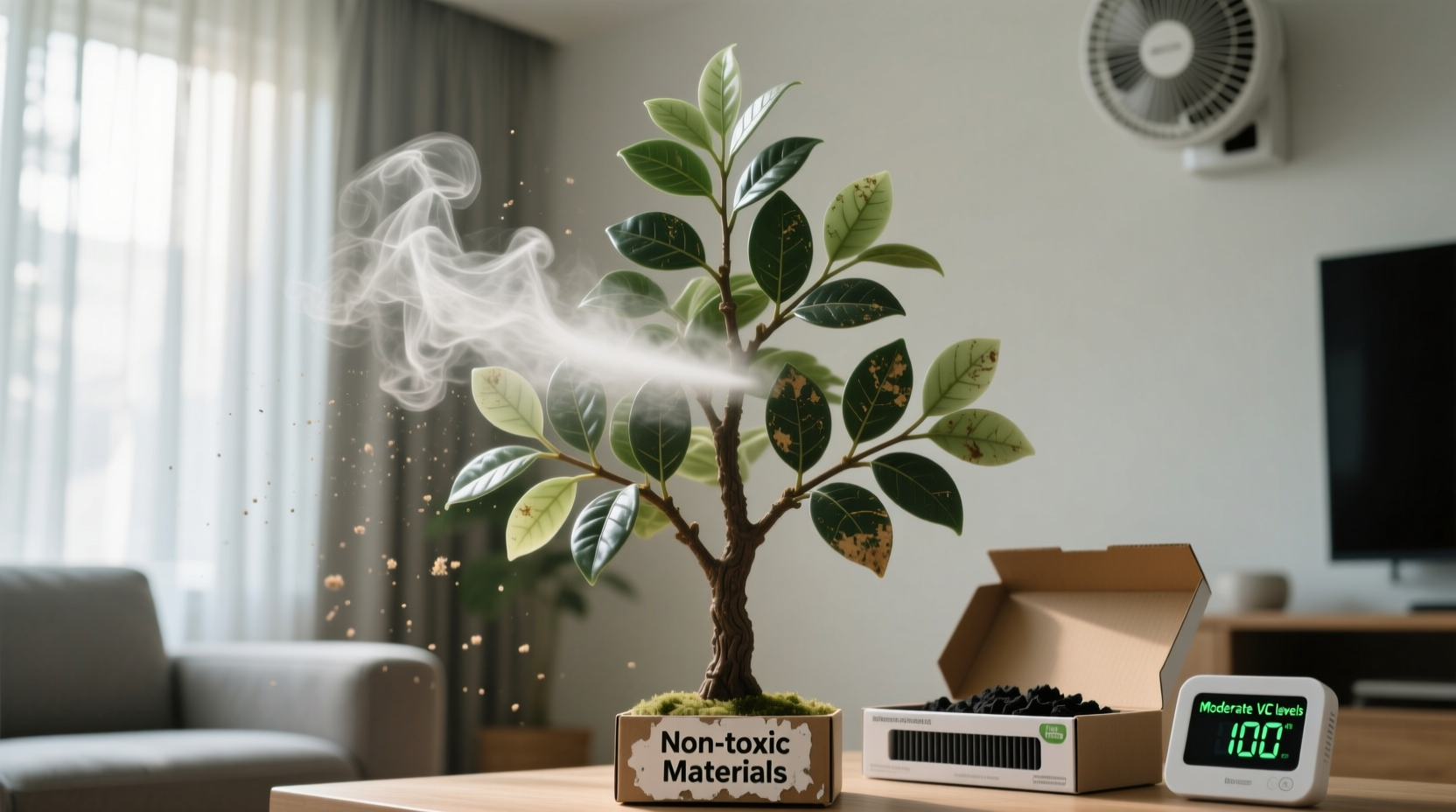
Off-gassing refers to the release of volatile organic compounds (VOCs) into the air from manufactured products. In the case of artificial trees, these VOCs come primarily from polyvinyl chloride (PVC), the plastic most commonly used to make tree branches and needles. During production, PVC is combined with plasticizers like phthalates to make it flexible and realistic-looking. When stored in warm, enclosed spaces—or even when first unboxed—these chemicals slowly evaporate, producing that unmistakable “plastic” or “chemical” odor.
While the concentration of VOCs in artificial trees is typically low, prolonged exposure in poorly ventilated areas can still pose health concerns. According to the U.S. Environmental Protection Agency (EPA), indoor levels of VOCs are often 2–5 times higher than outdoor levels, and can spike significantly during activities like unpacking new synthetic products.
“Many consumers don’t realize that everyday household items—from furniture to holiday decor—can emit VOCs. Artificial trees are no exception, especially if they’ve been stored in hot attics or sealed plastic bags.” — Dr. Linda Chen, Indoor Air Quality Specialist, National Institute of Environmental Health Sciences
Why Some Trees Smell Worse Than Others
Not all artificial trees produce strong odors. Several factors influence the intensity and duration of off-gassing:
- Age of the tree: Newer trees tend to off-gas more because the materials haven’t fully stabilized. Over time, emissions decrease.
- Storage conditions: Trees kept in hot garages, attics, or damp basements absorb heat and moisture, accelerating chemical breakdown and increasing odor upon retrieval.
- Material quality: Lower-cost trees often use higher concentrations of softening agents and cheaper PVC blends, which emit stronger smells.
- Manufacturing origin: Trees made overseas may not adhere to U.S. safety standards for phthalate content or flame retardants, contributing to harsher odors.
Step-by-Step Guide to Eliminate Artificial Tree Odor
Removing the smell from your artificial tree requires patience and a strategic approach. Follow this timeline-based method to minimize exposure and clear the air effectively.
- Unpack in a Well-Ventilated Area (Day 1)
Pull the tree out of storage in a garage, basement, or outdoors if possible. Avoid opening it inside living spaces. Let it sit for at least 24 hours with fans circulating air around it. - Dust and Vacuum Thoroughly (Day 2)
Use a handheld vacuum with a brush attachment to remove dust from deep within the branches. Dust traps VOC particles and prolongs odor. For stubborn residue, wipe down metal poles and dense branch clusters with a microfiber cloth slightly dampened with water. - Bake Out Gases (Optional, Days 3–4)
If outdoor temperatures allow, leave the assembled tree outside for 24–48 hours. Sunlight and airflow accelerate off-gassing. Do not leave in direct sun for extended periods, as UV rays can degrade plastic over time. - Use Natural Absorbents (Days 5–7)
Place bowls of activated charcoal, baking soda, or white vinegar near the tree base. These materials naturally trap odor-causing molecules. Replace every two days. - Apply Odor-Neutralizing Spray (Ongoing)
Mist the tree lightly with a plant-safe, non-toxic deodorizer. Avoid heavy spraying, which can damage tips or wiring. Look for sprays containing natural enzymes or essential oils like eucalyptus or tea tree, known for their antimicrobial properties. - Run an Air Purifier Indoors (Throughout Season)
Position a HEPA air purifier with an activated carbon filter near the tree. Carbon filters are specifically designed to capture VOCs, improving indoor air quality significantly.
Do’s and Don’ts of Managing Artificial Tree Smell
| Do | Don't |
|---|---|
| Unpack the tree in a ventilated space like a garage or porch | Assemble the tree immediately in your living room or bedroom |
| Use activated charcoal or baking soda to absorb odors | Mask smells with synthetic air fresheners that add more chemicals to the air |
| Clean branches with a dry or slightly damp cloth | Wash the tree with soap, bleach, or ammonia-based cleaners |
| Store the tree disassembled in a breathable fabric bag | Keep it compressed in a plastic bin or exposed to heat/moisture |
| Choose PE-material trees for lower emissions in future purchases | Assume all “green” claims mean zero off-gassing—verify certifications |
Real Example: How One Family Reduced Their Tree’s Smell in One Week
The Rivera family in Denver had struggled for years with their 7-foot pre-lit artificial tree emitting a sharp, medicinal odor each December. One year, after their youngest child developed nighttime coughing spells shortly after setup, they decided to investigate. They moved the unpacking process to their detached garage and left the tree standing there for two full days with two box fans blowing across it. They then wiped down each section with a dry microfiber cloth and placed three bowls of activated charcoal around the base once it was brought indoors. Within five days, the smell was nearly undetectable. They also invested in a compact air purifier with a carbon filter, which they now run continuously during the holidays. Since implementing these changes, their home feels fresher, and allergy symptoms have disappeared.
Long-Term Prevention: Smart Storage and Future Purchases
Preventing off-gassing starts long before you plug in the lights. Proper storage plays a critical role in minimizing odor buildup over time.
After the holidays, ensure the tree is completely dry before packing. Any residual moisture encourages mold growth and traps VOCs. Disassemble carefully, avoiding crushing branches. Store in a breathable cotton or mesh storage bag—never in sealed plastic, which traps gases and promotes degradation. Keep the container in a cool, dry place like a climate-controlled closet or under-bed storage area. Avoid attics, garages, or sheds where temperature swings are extreme.
When shopping for a replacement tree, consider alternatives to traditional PVC:
- Polyethylene (PE) Trees: Made using injection-molded plastic, these mimic real tree foliage more accurately and generally contain fewer plasticizers, resulting in less off-gassing.
- Hybrid Models: Combine PE tips with PVC for balance between realism and cost, often with reduced chemical content.
- Greener Certifications: Look for trees labeled BPA-free, phthalate-free, or compliant with California Proposition 65, which sets strict limits on toxic substances.
Checklist: Prepare Your Artificial Tree Without the Stink
Follow this actionable checklist each holiday season to keep your artificial tree smelling fresh:
- ☐ Unpack the tree in a garage, basement, or outdoors
- ☐ Allow 24–48 hours of ventilation before bringing inside
- ☐ Vacuum or dust branches thoroughly with a soft brush
- ☐ Wipe down trunk and stand with a dry cloth
- ☐ Place odor absorbers (baking soda, charcoal) near the base
- ☐ Use a carbon-filter air purifier in the same room
- ☐ Avoid aerosol air fresheners near the tree
- ☐ Store in a breathable bag in a cool, dry location after the season
Frequently Asked Questions
Is the smell from my artificial tree dangerous?
For most people, the odor is simply unpleasant rather than hazardous. However, individuals with asthma, chemical sensitivities, or compromised immune systems may experience symptoms like headaches, nausea, or breathing difficulties. Reducing exposure through ventilation and filtration minimizes risk.
Can I wash my artificial tree to remove the smell?
No. Submerging or heavily wetting an artificial tree can damage wiring, promote rust on metal parts, and encourage mold growth. Light wiping with a damp cloth is acceptable, but avoid any soaking or cleaning with harsh detergents.
Will the smell go away on its own?
Yes, over time—especially with regular use—the off-gassing diminishes. Most trees lose the majority of their odor within 3–5 years. However, proactive steps like airing out and using absorbents can speed up the process significantly.
Conclusion: Enjoy a Cleaner, Fresher Holiday Experience
An artificial Christmas tree should bring warmth and nostalgia—not chemical fumes and discomfort. By understanding the root cause of off-gassing and taking practical, informed steps, you can enjoy a festive atmosphere that’s both joyful and healthy. From proper unpacking techniques to smarter storage habits and mindful purchasing choices, small actions make a big difference in indoor air quality. This holiday season, give your family the gift of clean air alongside the twinkling lights.




 浙公网安备
33010002000092号
浙公网安备
33010002000092号 浙B2-20120091-4
Comments
No comments yet. Why don't you start the discussion?