
Avocado toast has become a breakfast staple for good reason: it's nutritious, satisfying, and simple to make. Yet many home cooks face the same frustrating issue—within minutes of assembly, the toast turns limp, wet, and unappetizing. The crunch that makes toast so appealing vanishes, leaving behind a mushy mess. This isn’t just bad luck; it’s chemistry, moisture management, and technique at play. Understanding the root causes—and how to counteract them—can transform your morning routine from disappointing to consistently excellent.
The sogginess doesn’t mean you’re doing everything wrong. In fact, most people follow standard recipes without realizing subtle but critical missteps in bread choice, avocado prep, or timing. By adjusting a few key elements, you can enjoy perfectly textured avocado toast that holds up long enough to savor, not just photograph.
The Science Behind Soggy Avocado Toast
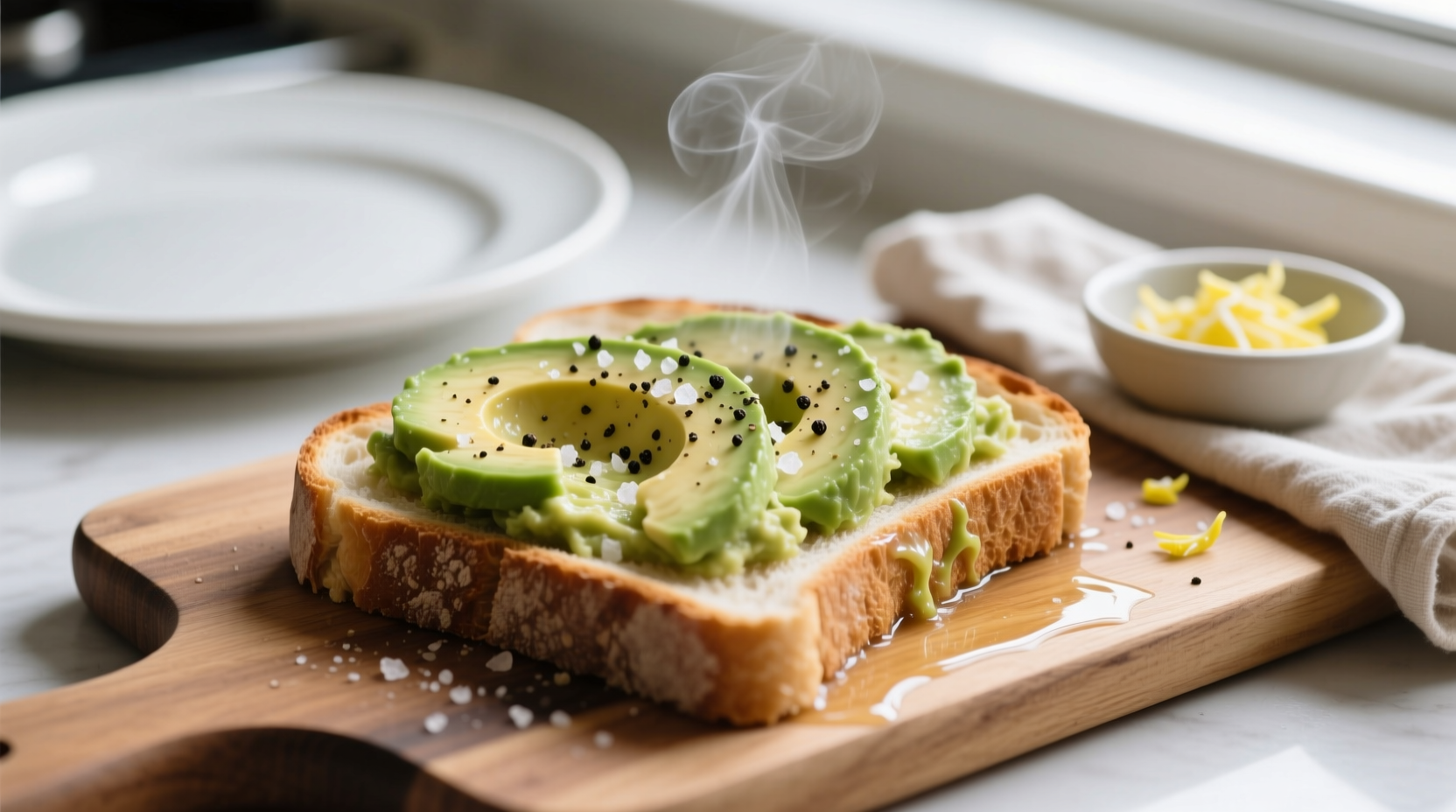
Sogginess occurs when moisture migrates into porous bread faster than the structure can resist it. Bread, especially when toasted, develops a crisp crust and open crumb structure. While this texture is delightful initially, it becomes vulnerable when exposed to wet ingredients like mashed avocado, lemon juice, or toppings with high water content.
Avocados themselves are about 73% water. When mashed, their cell walls break down, releasing moisture. Combine that with common additions like salt (which draws out more liquid), citrus juice (another liquid contributor), or even tomatoes (up to 95% water), and you’ve created a perfect storm for capillary action—the process by which liquids are drawn into small spaces, like the air pockets in toast.
Additionally, heat plays a role. Warm toast pulls moisture more aggressively from toppings because of temperature differentials. A hot slice acts like a sponge, accelerating absorption. Once the surface softens, structural integrity declines rapidly, leading to full-on sogginess within minutes.
“Moisture migration is inevitable, but its speed depends on preparation methods and ingredient sequencing.” — Dr. Lena Park, Food Scientist & Culinary Researcher, Institute of Kitchen Dynamics
5 Key Reasons Your Avocado Toast Gets Soggy Too Fast
1. Wrong Bread Choice
Not all breads are created equal when it comes to moisture resistance. Soft sandwich loaves, brioche, and sourdough with large holes may taste great but collapse quickly under wet toppings. Dense, thick-cut artisan breads fare better, but only if properly toasted.
2. Under-Toasting the Bread
If the toast isn’t dry enough, it hasn’t developed sufficient structural strength. Light browning won’t create the necessary barrier against moisture penetration. A truly resilient base requires deep toasting—close to the point of being too dark, but not burnt.
3. Mashing Avocado Too Early
Preparing avocado mash ahead of time increases oxidation and moisture release. The longer it sits, the more liquid pools at the bottom. Spreading this prematurely prepared mix onto toast guarantees immediate sogginess.
4. Adding Wet Ingredients Before the Base Is Ready
Putting cold avocado on hot toast creates condensation. The steam from the warm bread meets the cool topping, forming tiny droplets that weaken the surface. Similarly, adding lemon juice directly onto the toast before the avocado layer invites early breakdown.
5. Topping Overload
While feta, radish, poached eggs, and microgreens add flavor and visual appeal, they also introduce additional moisture. A poached egg’s runny yolk, while delicious, floods the surface almost instantly. Even seemingly dry toppings like seeds can trap humidity if layered incorrectly.
How to Prevent Sogginess: A Step-by-Step Guide
Follow this sequence to build avocado toast that stays crisp for at least 10–15 minutes—long enough to eat mindfully without rushing.
- Select the right bread. Choose thick-cut sourdough, whole grain, or rye with a tight crumb. Avoid pre-sliced white bread or fluffy brioche unless you plan to double-toast it.
- Toast thoroughly. Use a toaster, oven, or skillet to achieve maximum crispness. For best results, toast twice: once to dry out the interior, then again after flipping to harden both sides.
- Let toast cool slightly. Allow it to sit for 60–90 seconds after toasting. This stabilizes the temperature and reduces steam-related condensation when cold toppings are added.
- Prep avocado last. Cut and mash the avocado just before assembling. Use a fork to gently break it apart, avoiding over-mixing, which releases more liquid.
- Season the avocado, not the bread. Add salt, pepper, lemon juice, or spices directly into the avocado mash. This prevents brine-like pools from forming on the toast surface.
- Apply a thin, even layer. Spread no more than ¼ inch of avocado to minimize weight and moisture load. Leave a small border around the edge to prevent spillage.
- Add wet toppings strategically. Place items like tomatoes or eggs on top of the avocado, not directly on the bread. Use paper towels to pat excess moisture off vegetables first.
- Serve immediately—but don’t rush. Eat within 10 minutes for optimal texture. If preparing multiple servings, assemble one at a time.
Bread Comparison: Which Holds Up Best?
| Bread Type | Moisture Resistance | Toasting Recommendation | Best For |
|---|---|---|---|
| Sourdough (thick-cut) | High | Double-toast, medium-high heat | Classic avocado toast with eggs |
| Whole Grain | Moderate-High | Extra-long toast cycle | Hearty toppings like beans or cheese |
| Brioche | Low | Avoid unless double-toasted | Sweet variations (e.g., honey & chili flakes) |
| Rye | High | Medium-dark toast | Smoked salmon or pickled onions |
| White Sandwich Bread | Very Low | Not recommended | Children’s meals (if texture isn’t critical) |
Pro Tips for Long-Lasting Crispness
Real Example: From Soggy to Stellar
Jess, a graphic designer in Portland, loved avocado toast but dreaded how quickly it turned mushy. She used store-bought sourdough, lightly toasted it, mashed her avocado the night before, and topped it with lemon juice, cherry tomatoes, and a fried egg. Her toast was soggy within three minutes.
After learning about moisture control, she changed her method: she began using thicker, bakery-sliced sourdough, double-toasted it until deeply browned, let it rest for a minute, mashed fresh avocado seasoned with lemon *in the bowl*, spread it thinly, and placed drained tomato slices and egg on top. The result? A toast that stayed crisp for over 12 minutes—long enough to enjoy with coffee and conversation.
“I didn’t realize how much timing and order mattered,” she said. “Now I look forward to breakfast instead of racing against the clock.”
Essential Checklist for Perfect Avocado Toast
- ✅ Choose dense, thick-cut bread (sourdough, rye, or whole grain)
- ✅ Toast bread until deeply golden on both sides
- ✅ Let toast cool for 60–90 seconds before topping
- ✅ Mash avocado just before use
- ✅ Season avocado in the bowl, not on the bread
- ✅ Pat wet toppings (tomatoes, cucumbers) dry with paper towel
- ✅ Apply avocado in a thin, even layer
- ✅ Add runny toppings (eggs, sauces) last and serve immediately
- ✅ Store leftover avocado with pit and plastic wrap flush to surface
Frequently Asked Questions
Can I make avocado toast ahead of time?
No—not if you want it to stay crisp. However, you can prep components separately: toast the bread and store it in an airtight container, and keep cut avocado covered with lemon juice and pressed plastic wrap. Assemble within minutes of eating for best results.
Does toasting the bread twice really help?
Yes. Double toasting removes residual moisture from the first round and creates a harder, more resilient surface. It’s especially effective for breads that tend to be moist inside, like sourdough. Just be careful not to burn it.
Is there a way to revive soggy avocado toast?
Once sogginess sets in, reversal is nearly impossible. However, you can repurpose it: scrape off toppings, re-toast the bread, and rebuild. Alternatively, turn it into a savory bread pudding base or blend the avocado mixture into a dip.
Mind the Order: Build Like a Pro
Sequence matters as much as ingredients. Follow this layering logic to maximize texture retention:
- Base: Fully cooled, double-toasted bread
- Barrier (optional): Light brush of olive oil or thin smear of ricotta/hummus
- Main Layer: Seasoned avocado, spread evenly but thinly
- Dry Toppings: Seeds, herbs, spices, grated cheese
- Moist Toppings: Tomatoes, pickled onions, kimchi (lightly drained)
- Final Touch: Runny elements like egg yolk, hot sauce, or yogurt drizzle—added just before serving
This method ensures that the most aggressive moisture sources are kept away from direct contact with the bread and are introduced at the last possible moment.
Conclusion: Crispness Is Within Reach
Avocado toast doesn’t have to be a fleeting pleasure doomed by sogginess. With attention to bread selection, toasting depth, ingredient prep, and assembly order, you can enjoy a durable, flavorful breakfast that tastes as good as it looks. The key is respecting the physics of moisture and structure—not fighting it, but working with it.
Start tomorrow with a single change: toast your bread darker than usual and wait a minute before topping. Notice the difference. Then incorporate one new tip each week—from oil barriers to last-minute mashing—until your routine becomes second nature. Soon, you’ll wonder why you ever accepted soggy toast as inevitable.




 浙公网安备
33010002000092号
浙公网安备
33010002000092号 浙B2-20120091-4
Comments
No comments yet. Why don't you start the discussion?