
Babies communicate in ways that often puzzle parents—especially during sleep. One common but curious behavior is face rubbing. You might notice your infant gently stroking their cheek, scratching near the ear, or pressing their nose into the mattress just before or during naps. While it can seem random, this action is rarely without reason. In fact, face rubbing during sleep can be tied to sensory development, fatigue signals, self-soothing mechanisms, and even early signs of discomfort or allergies. Understanding these cues helps parents respond more effectively and support healthy sleep patterns.
This article explores the science behind why babies rub their faces while sleeping, decodes the developmental significance, and offers practical guidance for distinguishing between normal behavior and potential concerns.
Understanding Infant Sleep Behaviors
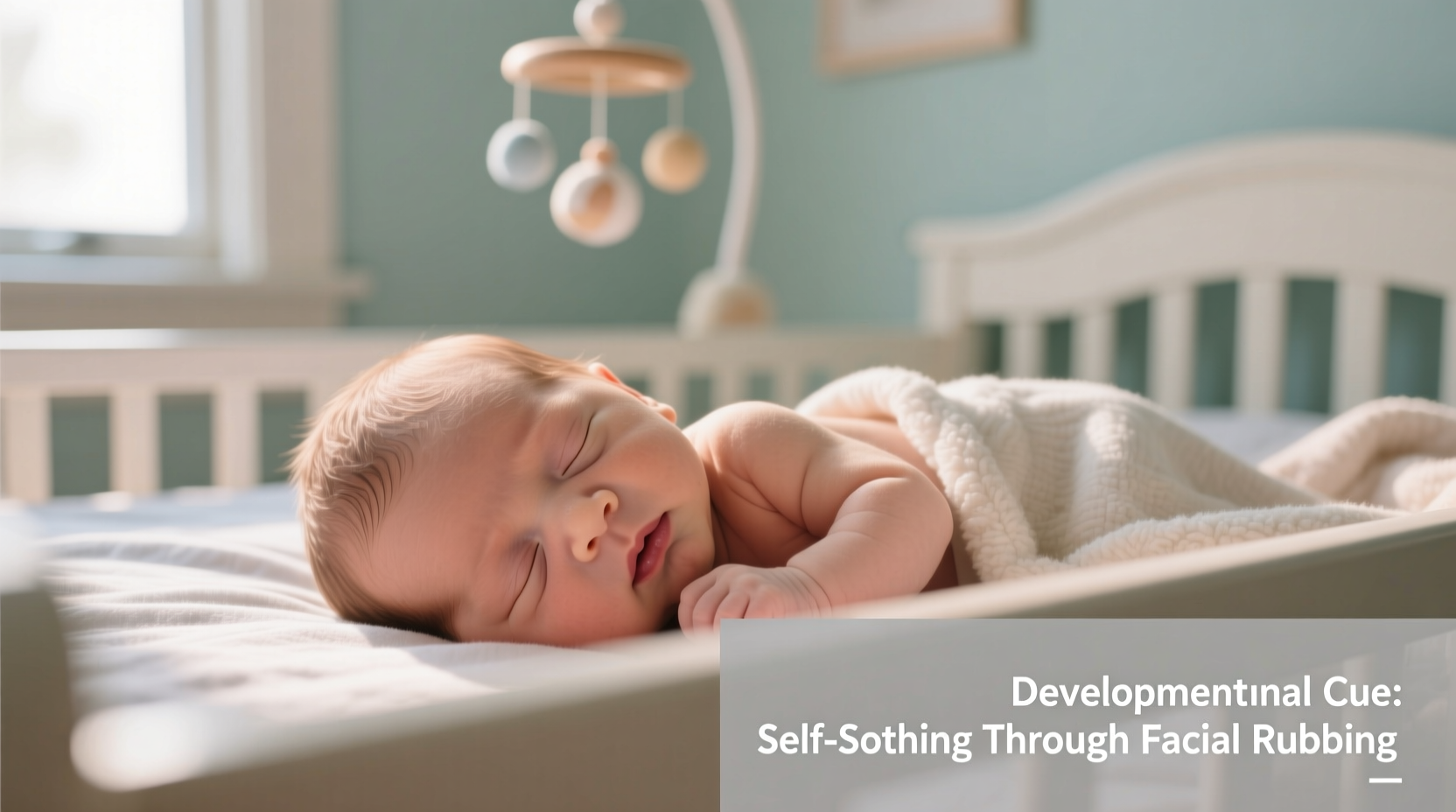
Infants spend a significant portion of their early months asleep—up to 16–18 hours daily in the first few months. During this time, their brains are rapidly developing, forming neural connections that govern everything from motor skills to emotional regulation. Much of what appears to be random movement during sleep is actually part of this neurological growth.
Self-touching behaviors like face rubbing are especially common in newborns and infants under six months. These actions are not merely reflexive; they serve functional roles in sensory integration and emotional comfort. The face, rich in nerve endings, is one of the most sensitive areas on a baby’s body. Touching it provides tactile feedback that helps babies become aware of their own bodies—a concept known as proprioception.
Additionally, face rubbing often occurs during transitional sleep phases—when a baby is drifting off or shifting between sleep cycles. These transitions are marked by subtle changes in muscle tone and awareness, making infants more likely to engage in repetitive motions.
Common Reasons Babies Rub Their Faces While Sleeping
Face rubbing isn’t a single-significance behavior. It can stem from multiple overlapping causes, ranging from natural developmental processes to physical discomfort. Below are the most frequent explanations.
Fatigue Signals
One of the earliest signs that a baby is tired is facial touching. Just as adults may rub their eyes when sleepy, infants instinctively touch their faces when drowsy. This is particularly noticeable around 3–4 months, when babies begin to develop more predictable sleep cues.
Other fatigue-related cues include yawning, eye rubbing, fussiness, and decreased activity. If your baby consistently rubs their face shortly before dozing off, it’s likely a self-soothing mechanism linked to sleep readiness.
Sensory Exploration
Babies learn about the world through touch. From birth, they use their hands to explore textures, shapes, and sensations. The face—being close and accessible—is a prime target for tactile investigation. Even during sleep, brief arousals may prompt them to touch their cheeks, ears, or forehead out of curiosity or habit.
This behavior typically diminishes as hand-eye coordination improves and attention shifts outward toward toys and caregivers.
Self-Soothing Mechanism
Touch is deeply comforting to infants. Many babies develop repetitive motions—such as thumb-sucking, head-bobbing, or face-rubbing—as ways to calm themselves. These actions stimulate the parasympathetic nervous system, which promotes relaxation.
Face rubbing may mimic the sensation of being held or stroked by a caregiver, offering a sense of security during vulnerable moments like falling asleep.
Physical Discomfort
Not all face rubbing is benign. Sometimes, it indicates irritation. Common culprits include:
- Dry or itchy skin due to eczema
- Nasal congestion blocking breathing
- Allergies causing facial itching
- Ear infections (babies may pull at the ear on the affected side)
- Teething pain radiating to the jaw or cheeks
If face rubbing is forceful, persistent, or accompanied by crying, redness, or disrupted sleep, it may point to an underlying issue requiring medical evaluation.
“Infants use their hands to regulate their nervous systems. Gentle face stroking is often a sign of self-regulation—but when it becomes frantic or habitual, consider possible sources of discomfort.” — Dr. Lena Torres, Pediatric Developmental Specialist
Developmental Milestones Linked to Face Rubbing
Face rubbing intersects with several key developmental domains. Recognizing its role within broader milestones helps contextualize the behavior.
Motor Development
By 2–3 months, babies gain greater control over their arms and hands. Reaching for and touching their own face marks a major motor achievement. Initially, these movements are clumsy and reflex-driven, but they gradually become intentional.
When a baby rubs their face during sleep, they’re practicing fine motor coordination—even if unconsciously. Over time, this control supports feeding, object manipulation, and communication (like pointing).
Sensory Integration
The face contains dense clusters of sensory receptors. Touching it helps babies integrate tactile input, contributing to body awareness and spatial orientation. This process is foundational for later skills like crawling and walking.
Emotional Regulation
Self-soothing behaviors emerge around 3–5 months as babies begin to experience longer awake periods and more complex emotions. Face rubbing serves as an early coping strategy, helping infants manage overstimulation or anxiety.
Supporting these behaviors—rather than suppressing them—encourages emotional resilience. However, if soothing relies heavily on potentially harmful actions (e.g., hair-pulling or skin-scratching), gentle redirection may be needed.
When to Be Concerned: Red Flags and Next Steps
While face rubbing is usually harmless, certain patterns warrant closer attention. Use the following checklist to assess whether the behavior might indicate a problem.
- Rubbing is aggressive or causes redness, scratches, or broken skin
- Occurs frequently during the day, not just around sleep times
- Accompanied by other symptoms: runny nose, rash, ear tugging, fever
- Disrupts sleep continuity—baby wakes repeatedly
- Persistent beyond 9–12 months without clear trigger
- Associated with developmental delays in motor or social skills
If multiple items apply, consult your pediatrician. Conditions such as eczema, allergic rhinitis, or recurrent ear infections may require treatment. In rare cases, repetitive face rubbing could be part of a broader pattern seen in neurodevelopmental conditions, though this would be accompanied by other behavioral markers.
Case Example: Emma and Her 4-Month-Old Son
Emma noticed her son, Noah, began rubbing his right ear and cheek vigorously each night before bed. At first, she assumed he was tired. But when he started waking up crying and developed a low-grade fever, she consulted her pediatrician. Upon examination, Noah was diagnosed with a mild ear infection. After treatment, the face rubbing subsided significantly. Emma learned that paying attention to the *quality* of the motion—forceful vs. gentle—was key to identifying distress.
How to Respond: Practical Strategies for Parents
Responding appropriately to face rubbing depends on its cause. The goal is not to stop the behavior outright but to understand and support your baby’s needs.
- Observe Patterns: Track when face rubbing happens—during drowsiness, deep sleep, or wakefulness. Note duration, intensity, and associated behaviors.
- Optimize Sleep Environment: Ensure the room is cool, quiet, and free of allergens. Use hypoallergenic laundry detergent for bedding and pajamas.
- Check for Skin Irritation: Examine the face and scalp for dry patches, rashes, or cradle cap. Apply fragrance-free moisturizer if skin appears dry.
- Address Nasal Congestion: Use saline drops and a nasal aspirator before bedtime if your baby seems stuffy.
- Introduce Soothing Alternatives: Offer a soft lovey (for babies over 12 months) or swaddle (if age-appropriate) to support self-calming.
- Avoid Overstimulation Before Bed: Dim lights and reduce noise 30 minutes before sleep to help transition smoothly.
| Cause of Face Rubbing | What to Do | When to Seek Help |
|---|---|---|
| Tiredness | Recognize as a sleep cue; begin calming routine | Never—this is normal |
| Sensory exploration | Allow safe exploration; keep nails trimmed | If it interferes with sleep or causes injury |
| Self-soothing | Support with consistent bedtime rituals | If replacement behaviors are needed (e.g., pacifier refusal) |
| Skin irritation / Eczema | Moisturize, avoid triggers, use prescribed creams | If rash worsens or spreads |
| Ear infection / Allergies | Monitor symptoms, maintain hygiene | If fever, pain, or persistent rubbing occurs |
Frequently Asked Questions
Is it normal for my 2-month-old to rub their face every time they fall asleep?
Yes, this is very common. At this age, babies are developing sleep cues and self-soothing habits. Gentle face rubbing as a precursor to sleep is typically a sign of drowsiness and is considered developmentally appropriate.
Could face rubbing be a sign of autism?
Face rubbing alone is not a sign of autism. Repetitive behaviors become concerning only when they are intense, inflexible, and accompanied by other developmental red flags—such as lack of eye contact, delayed speech, or absence of joint attention. If you have broader concerns, discuss them with your pediatrician.
Should I stop my baby from rubbing their face?
Generally, no. Interrupting natural soothing behaviors can increase stress. Instead, ensure their hands are clean and nails are short to prevent injury. Only intervene if the rubbing causes harm or appears driven by pain or allergy.
Conclusion: Tuning Into Your Baby’s Silent Language
Babies don’t speak in words, but they communicate constantly through movement, expression, and rhythm. Face rubbing during sleep is one of many subtle signals that, when understood, deepen the parent-child connection. Most of the time, it’s a reassuring sign of normal development—your baby learning to navigate their body, emotions, and environment.
By observing closely, responding with care, and knowing when to seek advice, you empower yourself to support your baby’s well-being holistically. Trust your instincts. If something feels off, it’s always worth a conversation with your healthcare provider. After all, the smallest gestures often carry the biggest messages.




 浙公网安备
33010002000092号
浙公网安备
33010002000092号 浙B2-20120091-4
Comments
No comments yet. Why don't you start the discussion?