
Coughing is a natural reflex designed to clear irritants from your airways, but it can sometimes trigger unexpected pain—especially in the back. While severe or persistent back pain during coughing may signal underlying medical conditions, many cases stem from harmless, temporary issues. Understanding these non-serious causes helps reduce anxiety and guides appropriate self-care. This article explores common explanations for back pain triggered by coughing, offers actionable tips for relief, and outlines when to seek professional evaluation.
Muscle Strain from Forceful Coughing
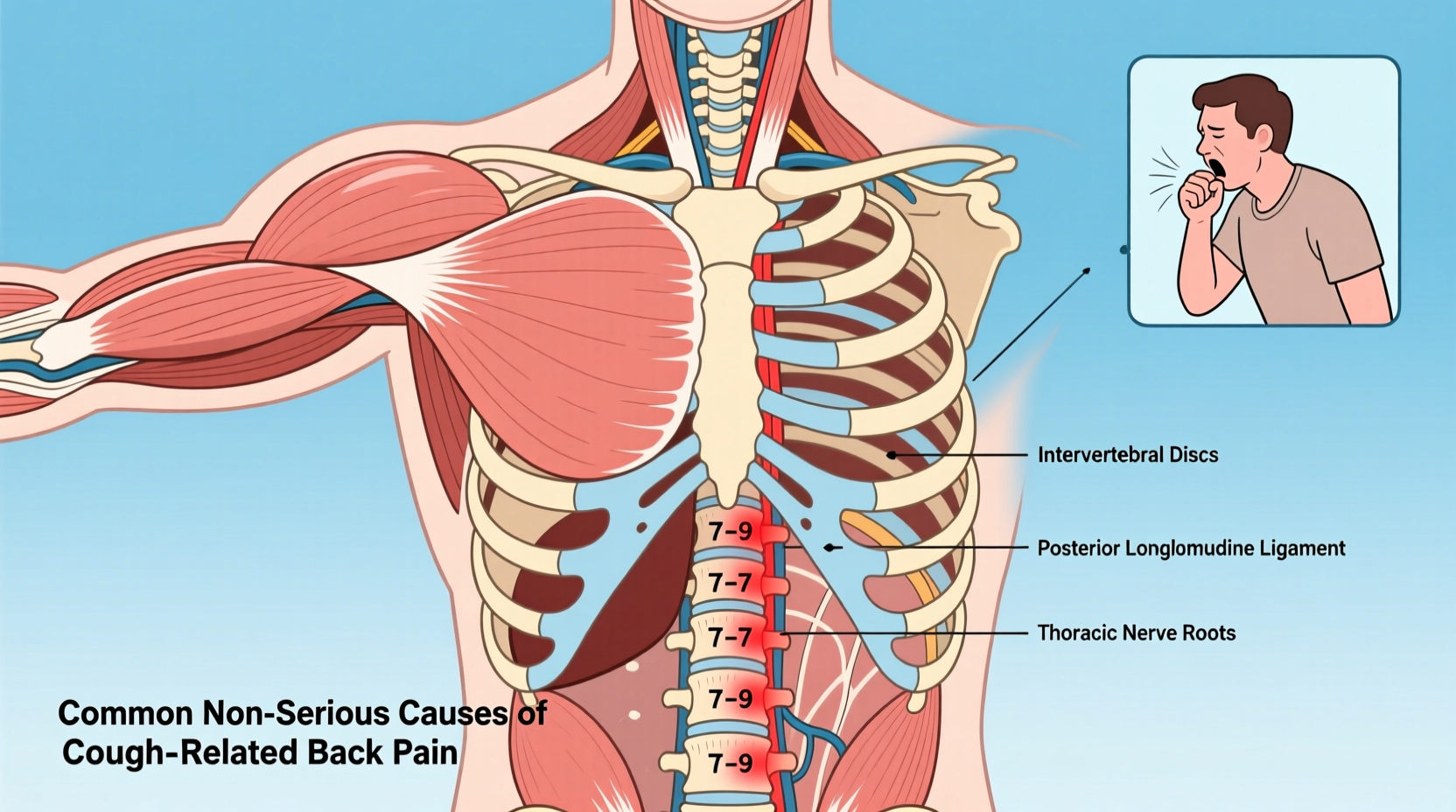
One of the most frequent causes of back pain during coughing is muscle strain. The act of coughing engages multiple muscle groups, including those in the abdomen, chest, and lower back. A forceful or prolonged cough—such as during a cold, flu, or bronchitis—can overwork these muscles, leading to soreness or spasms.
The deep spinal muscles, like the erector spinae, stabilize your spine during movement. When you cough violently, these muscles contract suddenly and repeatedly. If they’re already fatigued or underused, this added stress can result in micro-tears or inflammation, causing localized pain that worsens with each cough.
This type of pain typically improves within a few days once the cough subsides. Rest, gentle stretching, and over-the-counter pain relievers like ibuprofen can help manage discomfort.
Poor Posture During Illness
When you're sick, posture often deteriorates without notice. You might hunch over while lying in bed, sit slumped on the couch, or lean forward while trying to suppress a cough. These positions place uneven pressure on the spine, particularly the lumbar (lower) region.
Over time, poor alignment weakens core support and increases strain on back muscles. When combined with repeated coughing, even mild postural imbalances can amplify pain. For example, leaning forward compresses the discs in your lower back, making them more sensitive to the jolt of a sudden cough.
Correcting posture doesn’t require drastic changes. Simple adjustments—like sitting upright with lumbar support, using pillows to maintain spinal alignment while resting, and avoiding prolonged bed rest—can significantly reduce strain.
“Even minor postural deviations become problematic when compounded by repetitive movements like coughing,” says Dr. Lena Patel, a physical therapist specializing in musculoskeletal rehabilitation. “Addressing posture early can prevent unnecessary pain.”
Costochondritis and Referred Pain
Although primarily felt in the chest, costochondritis—an inflammation of the cartilage connecting ribs to the breastbone—can cause referred pain to the upper and mid-back. This condition is often mistaken for heart-related issues, but it’s usually benign and resolves on its own.
Coughing intensifies the discomfort because each contraction pulls on the rib cage and surrounding tissues. As the inflamed cartilage moves, it sends signals through shared nerve pathways, creating the sensation of back pain even though the source is anterior (front) of the body.
Symptoms include sharp or aching pain near the sternum that worsens with deep breaths or coughing. It commonly follows respiratory infections or excessive coughing episodes. Treatment focuses on reducing inflammation with NSAIDs, heat therapy, and avoiding activities that aggravate symptoms.
| Condition | Symptom Location | Triggered By | Duration |
|---|---|---|---|
| Muscle strain | Lower or mid-back | Forceful coughing | 3–7 days |
| Poor posture effects | Lumbar spine | Prolonged sitting/lying | Improves with correction |
| Costochondritis | Chest radiating to back | Coughing, deep breathing | Days to weeks |
| Joint irritation (facet) | Upper or lower back | Spinal compression from cough | Short-term |
Facet Joint Irritation
The facet joints are small stabilizing joints located between vertebrae along the spine. They allow controlled motion but can become irritated due to mechanical stress. A strong cough generates a rapid increase in intra-abdominal pressure, which temporarily compresses the spine. In some individuals, especially those with pre-existing stiffness or minor joint degeneration, this compression pinches or inflames the facet joints.
The resulting pain is usually localized—felt on one side of the spine—and may feel like a sharp stab or dull ache. Unlike nerve-related pain, it doesn’t typically radiate down the legs. Movement such as twisting or bending backward often reproduces the discomfort, but it generally resolves as inflammation decreases.
Facet joint irritation isn't dangerous, nor does it indicate serious spinal disease. However, repeated episodes suggest the need for improved core strength and spinal mobility to absorb daily stresses more effectively.
Step-by-Step Guide to Soothe Cough-Induced Back Pain
- Assess the pain pattern: Note where the pain occurs, whether it's sharp or dull, and if it persists between coughs. Non-serious causes usually subside within a week.
- Support your torso when coughing: Sit upright and place a pillow against your abdomen or lower back to brace the area before coughing. This reduces sudden muscle contractions.
- Stay hydrated: Drink warm fluids like herbal tea or broth to thin mucus and reduce the frequency of dry, harsh coughs.
- Use OTC remedies wisely: Consider expectorants (like guaifenesin) to loosen phlegm or suppressants (like dextromethorphan) only at night if cough disrupts sleep.
- Practice gentle stretches: Try cat-cow poses or child’s pose to release tension in the back muscles without straining them further.
- Avoid heavy lifting or twisting: Give your body time to recover; additional strain could prolong healing.
- Monitor for red flags: Watch for symptoms like fever, numbness, or unexplained weight loss that warrant medical attention.
Real-Life Example: Recovering from a Stubborn Cold
Mark, a 38-year-old office worker, developed a persistent cough after catching a cold in late fall. Within days, he noticed a sharp pain in his lower back every time he coughed. Concerned, he searched online and feared a herniated disc. Instead of panicking, he reviewed his habits: he’d been working from his couch, hunched over his laptop for hours, and sleeping propped up on too many pillows.
He adjusted his workspace, started doing light walking and basic back stretches, and used a heating pad twice daily. He also drank more water and took an expectorant to ease mucus buildup. After five days, both his cough and back pain had noticeably improved. His doctor confirmed no structural issues during a follow-up visit, attributing the pain to muscle fatigue and poor posture.
Mark’s experience highlights how easily everyday behaviors contribute to seemingly alarming symptoms—and how simple lifestyle corrections can lead to recovery.
When to Worry: Distinguishing Non-Serious from Serious Causes
While most back pain during coughing is temporary and muscular, certain warning signs suggest the need for prompt medical evaluation. These include:
- Pain lasting longer than two weeks despite rest
- Numbness, tingling, or weakness in the legs
- Fever, chills, or unexplained weight loss
- History of cancer, osteoporosis, or recent trauma
- Inability to control bladder or bowel function
If any of these apply, consult a healthcare provider immediately. Imaging tests or lab work may be needed to rule out infections, fractures, or neurological involvement.
Checklist: Managing Mild Back Pain from Coughing
- ✅ Use proper posture while sitting and lying down
- ✅ Support your back with a pillow when coughing
- ✅ Stay hydrated to minimize dry coughing
- ✅ Apply heat to tense areas for 15–20 minutes
- ✅ Take OTC anti-inflammatory medication as directed
- ✅ Perform gentle back stretches daily
- ✅ Avoid strenuous activity until pain resolves
- ✅ Track symptoms and duration for peace of mind
Frequently Asked Questions
Can a regular cold cause back pain when coughing?
Yes. Even mild respiratory infections can lead to back pain if coughing is frequent or forceful. The pain usually stems from muscle fatigue or strain rather than spinal damage and resolves as the illness passes.
Is it normal for back pain to get worse at night?
Sometimes. Lying flat can increase pressure on spinal structures, and nighttime coughing fits—common with postnasal drip—may exacerbate discomfort. Elevating your head slightly with an extra pillow can help reduce both coughing and pain.
Should I stop coughing to protect my back?
No. Suppressing a productive cough (one that brings up mucus) can delay recovery by trapping secretions in the lungs. Instead, focus on supporting your body during coughs and treating the underlying cause of the cough.
Final Thoughts and Action Steps
Back pain triggered by coughing is far more common than many realize, and in most cases, it’s not a sign of anything dangerous. Whether due to strained muscles, poor posture, or joint irritation, the discomfort typically fades as your body heals. The key lies in understanding what’s happening and responding with informed care—not fear.
You don’t need to endure pain passively. Small changes—like improving your sitting position, bracing your core when coughing, or applying warmth to sore areas—can make a meaningful difference. Combine these actions with patience, and your back should return to normal once the cough clears.
If symptoms persist beyond a reasonable timeframe or begin interfering with daily life, don’t hesitate to reach out to a healthcare provider. But for now, take comfort in knowing that most causes are manageable, temporary, and entirely reversible.




 浙公网安备
33010002000092号
浙公网安备
33010002000092号 浙B2-20120091-4
Comments
No comments yet. Why don't you start the discussion?