
Morning back pain is more than just a nuisance—it’s a signal from your body that something in your sleep routine isn’t working. If you regularly wake up with stiffness, soreness, or sharp pain in your lower, middle, or upper back, the culprit may not be overexertion or aging alone. Instead, it could stem from poor sleeping posture, an unsupportive mattress, or even subtle habits you’ve overlooked for years.
The spine is designed to maintain its natural curves throughout the day and night. When those curves are compromised during sleep—due to awkward positioning or inadequate support—the muscles, ligaments, and discs endure stress. Over time, this leads to chronic discomfort, reduced mobility, and disrupted rest. The good news? Most cases of morning back pain are preventable with simple adjustments to your sleeping posture and environment.
Why Morning Back Pain Occurs: The Science Behind Sleep and Spinal Alignment
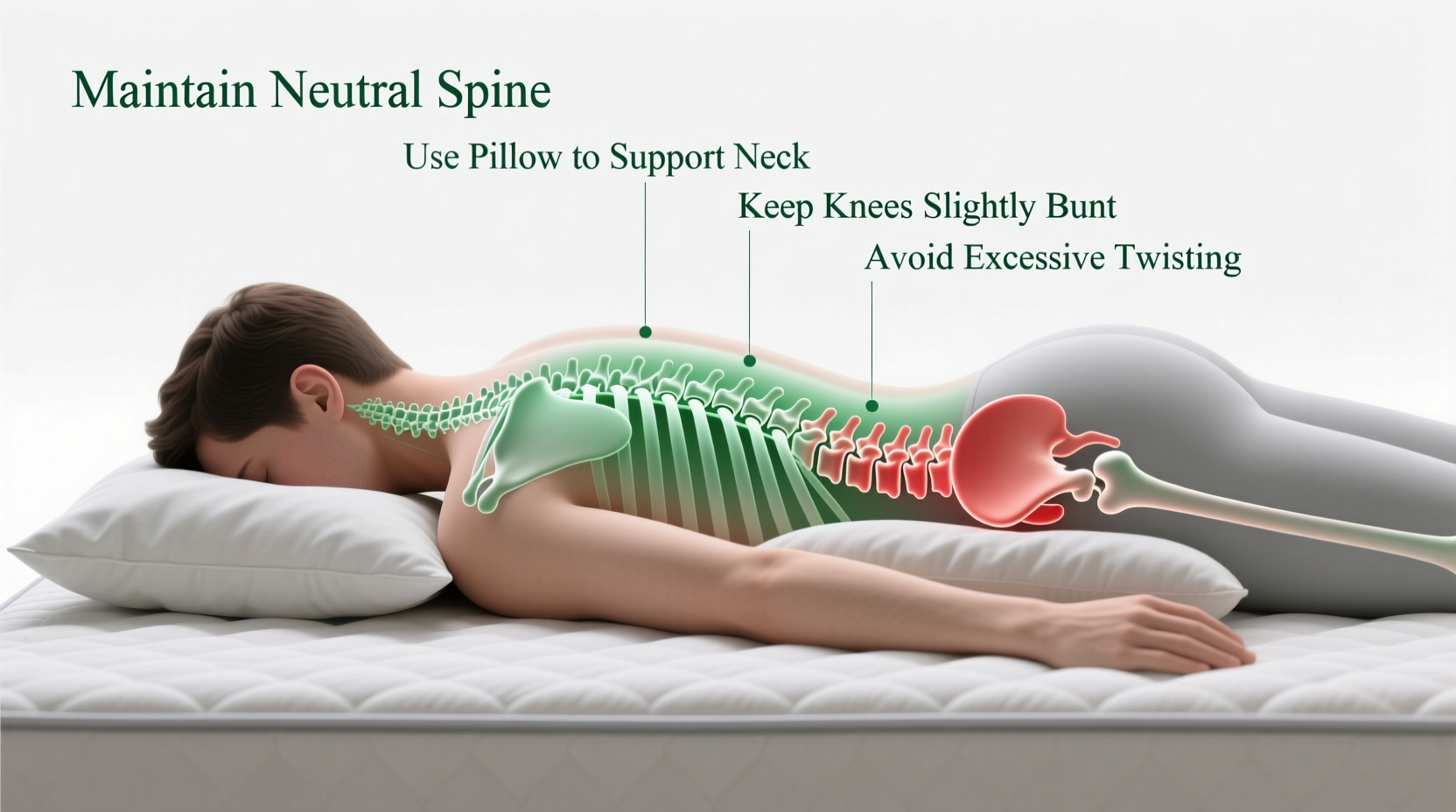
Your body undergoes critical recovery processes while you sleep. During deep sleep cycles, tissues repair, inflammation decreases, and spinal discs rehydrate after being compressed during daily activity. However, if your spine is misaligned through the night, these healing mechanisms can be disrupted.
The lumbar (lower) spine has a natural inward curve called lordosis. When you lie down improperly—such as on a sagging mattress or in a twisted position—this curve flattens or exaggerates, placing uneven pressure on vertebrae and surrounding soft tissues. This strain often becomes most noticeable upon waking because blood flow and muscle activity increase as you rise, triggering pain receptors that were dormant during stillness.
Additionally, certain sleeping positions restrict breathing or compress nerves. For example, stomach sleeping forces the neck into rotation and flattens the lumbar curve, which commonly leads to both back and neck pain by morning.
“Sleeping posture directly influences spinal health. Just like sitting poorly all day harms your back, lying incorrectly all night does the same.” — Dr. Lena Torres, Physical Therapist and Sleep Posture Specialist
Best Sleeping Positions for Back Pain Relief
Your preferred sleep position plays a major role in how your spine aligns overnight. While no single posture works for everyone, some positions are inherently better at preserving spinal neutrality and reducing strain.
1. Side Sleeping (With Proper Support)
Side sleeping is one of the most recommended positions for people with back pain—especially when done correctly. It maintains the spine’s natural alignment and reduces pressure on the lower back, particularly beneficial for those with degenerative disc disease or sciatica.
Without proper support, side sleeping can cause the top leg to pull the spine out of alignment. A knee pillow prevents this by balancing the pelvis and minimizing strain on the lumbar region. Additionally, use a supportive pillow under the head to keep the neck in line with the spine—your ear, shoulder, and hip should form a straight line when viewed from the front.
2. Back Sleeping (The Gold Standard for Spinal Health)
Sleeping on your back offers the most balanced distribution of weight across the body. With minimal twisting or compression, this position allows the spine to remain neutral throughout the night.
To enhance comfort and alignment:
- Place a thin pillow under your head to support the natural curve of the neck.
- Add a small cushion or rolled towel under your knees to maintain the lumbar curve.
- Avoid thick pillows that push your head forward, which increases cervical strain.
Back sleeping also reduces acid reflux and facial wrinkles, making it ideal for overall wellness. However, it may not suit individuals with sleep apnea or severe snoring, as it can allow the tongue to fall backward and obstruct airflow.
3. Stomach Sleeping (Generally Discouraged)
While common, stomach sleeping is widely regarded as the worst position for spinal health. Lying face-down forces the lower back into hyperextension and requires you to turn your head sharply to breathe, straining both the lumbar and cervical regions.
If you struggle to stop sleeping on your stomach, consider transitioning gradually:
- Start by placing a pillow under your abdomen to reduce lumbar arching.
- Use a very thin or no pillow under your head to limit neck rotation.
- Try shifting to a modified side-sleeping position using body pillows for support.
Do’s and Don’ts of Sleep Posture: A Quick Reference Table
| Category | Do | Don’t |
|---|---|---|
| Head Support | Use a contoured pillow that supports neck curvature | Use overly thick or flat pillows that misalign the spine |
| Body Position | Sleep on your back or side with proper alignment | Sleep on your stomach without modifications |
| Knee Placement | Place a pillow under knees (back sleepers) or between knees (side sleepers) | Let legs hang unsupported or twist inward |
| Spine Curve | Maintain natural lumbar lordosis with targeted support | Allow excessive arching or flattening of the lower back |
| Mattress Type | Choose medium-firm support that contours to body shape | Use sagging, too-soft, or overly rigid surfaces |
Step-by-Step Guide to Optimizing Your Sleep Setup
Improving your sleep posture isn’t just about changing how you lie down—it’s about creating a holistic sleep environment that supports long-term spinal health. Follow this five-step process to transform your nightly routine:
- Assess Your Current Mattress
Check for visible sags, lumps, or indentations deeper than two inches. If your mattress is older than 7–8 years, it likely no longer provides adequate support. Consider upgrading to a medium-firm hybrid or memory foam model engineered for spinal alignment. - Select the Right Pillow Height
Pillow thickness should match your sleeping position: 3–4 inches for side sleepers, 2–3 inches for back sleepers, and less than 2 inches (or none) for stomach sleepers. Test different options until your head remains level with your spine. - Incorporate Strategic Cushioning
Use additional support where needed:- Side sleepers: Knee pillow
- Back sleepers: Lumbar roll or small towel under knees
- Stomach sleepers: Thin abdominal support (transition aid)
- Adjust Bed Height and Frame
Your bed should allow feet to touch the floor when seated at the edge. Too high or low can disrupt safe entry/exit, increasing risk of back strain. An adjustable base can help fine-tune angles for optimal comfort. - Practice Evening Mobility
Spend 5–10 minutes before bed stretching tight muscles—especially hamstrings, hip flexors, and lower back. Gentle yoga poses like child’s pose or cat-cow help reset spinal alignment before lying down.
Real-Life Example: How One Woman Fixed Her Chronic Morning Pain
Sarah, a 42-year-old office worker, had suffered from persistent lower back pain for over three years. She attributed it to long hours at her desk but noticed the pain was always worst first thing in the morning—even worse than after a full workday.
After consulting a physical therapist, she realized her primary issue wasn’t her job but her sleep setup. She was a committed stomach sleeper on a 10-year-old mattress that had developed a pronounced dip in the center. Her pillow was oversized, forcing her neck into a strained angle.
Following a tailored plan, Sarah switched to side sleeping with a supportive pillow between her knees, replaced her mattress with a medium-firm hybrid, and began nightly stretches. Within four weeks, her morning pain decreased by 80%. After eight weeks, she reported only occasional stiffness—usually after skipping her pre-bed routine.
Her case underscores a key truth: daytime posture matters, but so does what happens while you’re unconscious.
Checklist: Build a Back-Friendly Sleep Routine
Use this checklist nightly to ensure your sleep environment supports spinal health:
- ✅ Confirm your mattress is supportive and free of sags
- ✅ Choose a pillow that keeps your head aligned with your spine
- ✅ Add a knee or lumbar pillow based on your sleep position
- ✅ Avoid alcohol or heavy meals within 3 hours of bedtime (they disrupt sleep cycles and muscle relaxation)
- ✅ Perform 5–10 minutes of gentle stretching or mobility work
- ✅ Turn off bright screens 30+ minutes before bed to promote deeper sleep
- ✅ Maintain a consistent sleep schedule—even on weekends
Frequently Asked Questions
Can changing my sleeping position really stop morning back pain?
Yes, for many people. Studies show that adjusting sleep posture—especially switching from stomach to side or back sleeping—can significantly reduce or eliminate chronic morning back pain. Consistency is key; it may take several weeks for your body to adapt to a new position.
Is a firm mattress always best for back pain?
No. Contrary to popular belief, extremely firm mattresses can worsen back pain by failing to contour to the body’s curves. Research indicates that medium-firm mattresses provide the best balance of support and pressure relief for most individuals with back pain.
How long does it take to adjust to a new sleeping position?
Most people take 2–6 weeks to comfortably transition. Using body pillows, gradual shifts (like starting with 30 minutes in the new position), and consistency help speed adaptation. Don’t expect immediate results—spinal realignment is a cumulative process.
Expert Insight: What Healthcare Providers Recommend
Clinicians consistently emphasize preventive care when addressing sleep-related back pain. According to orthopedic specialists, early intervention through posture correction often avoids the need for medication, injections, or surgery.
“A large percentage of patients we see for chronic low back pain have correctable habits rooted in poor sleep ergonomics. Fixing their bed setup and teaching proper alignment can yield dramatic improvements—without any invasive treatment.” — Dr. Rajiv Mehta, Orthopedic Spine Consultant
Conclusion: Take Control of Your Mornings Starting Tonight
Morning back pain doesn’t have to be a permanent part of your life. By understanding how sleep posture affects spinal alignment and taking deliberate steps to improve your setup, you can wake up feeling refreshed instead of stiff and sore. Small changes—like adding a pillow, replacing an old mattress, or adjusting your position—can lead to profound long-term benefits.
Your spine supports everything you do. Treat it well during the eight hours you’re asleep, and you’ll move better, breathe easier, and live with less pain during the other sixteen. Start tonight. Reassess your bed, try one new tip from this guide, and commit to consistency. Relief is possible—and it begins with how you rest.




 浙公网安备
33010002000092号
浙公网安备
33010002000092号 浙B2-20120091-4
Comments
No comments yet. Why don't you start the discussion?