
Sitting on the couch should be relaxing, not painful. Yet millions of people experience persistent back discomfort after lounging for even short periods. The truth is, most couches are designed more for aesthetics than ergonomics, and poor posture while seated can place excessive strain on the spine. Over time, this leads to muscle fatigue, disc compression, and chronic pain—especially in the lower back and neck.
The good news? Most cases of couch-related back pain are preventable with simple adjustments to posture, seating setup, and daily habits. Understanding the biomechanics behind your discomfort is the first step toward lasting relief.
Why Sitting on the Couch Causes Back Pain
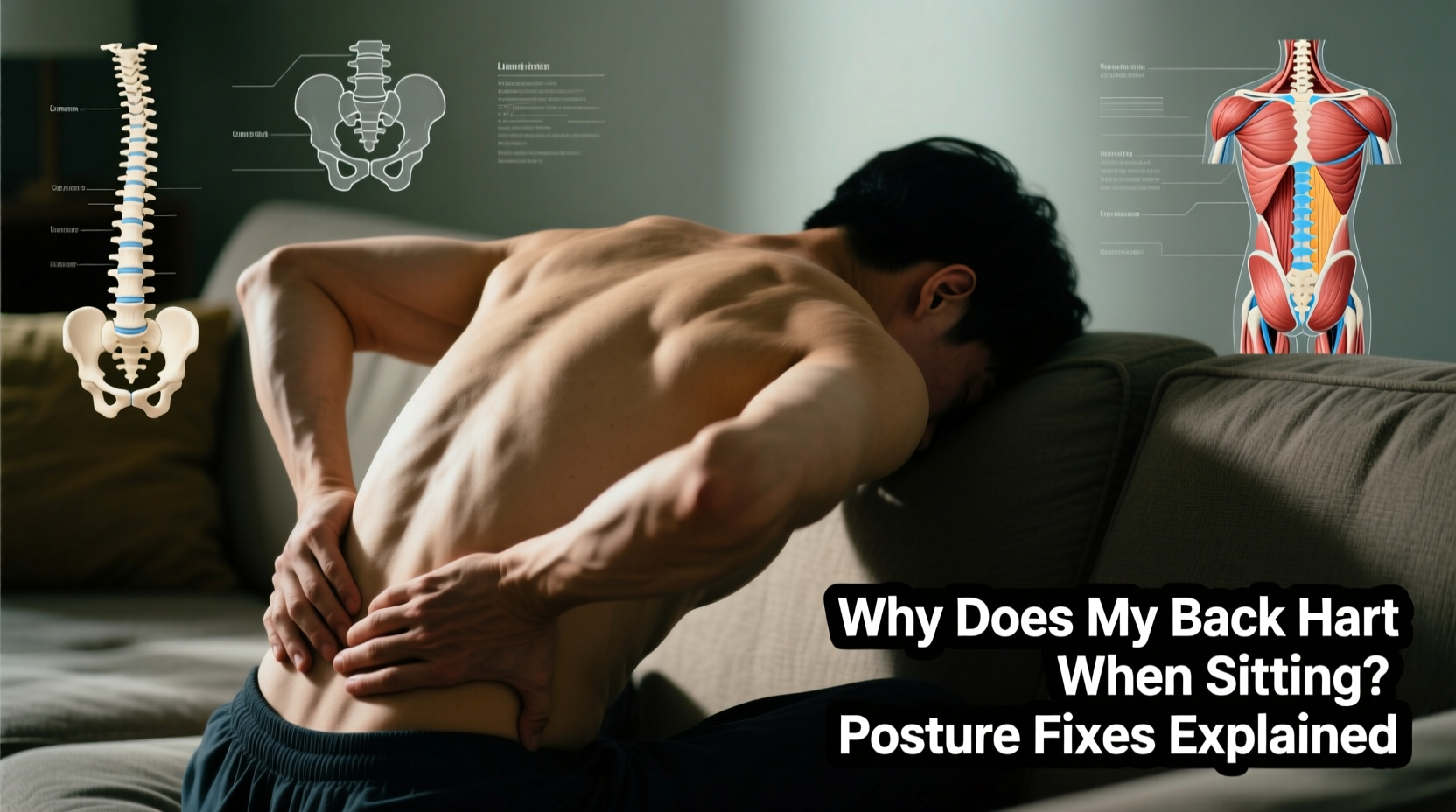
The human spine is designed to maintain natural curves: a gentle inward curve in the lower back (lumbar lordosis), an outward curve in the upper back (thoracic kyphosis), and another inward curve in the neck (cervical lordosis). When these curves are disrupted—especially during prolonged sitting—the supporting muscles and ligaments become overworked.
Couches often contribute to misalignment because they:
- Lack adequate lumbar support
- Are too soft, causing you to sink into a slouched position
- Have seat depths that are too long for shorter legs, forcing you to slide forward
- Encourage reclined or twisted postures when reaching for devices or snacks
When you sink into a plush couch without support, your pelvis tilts backward. This flattens the natural curve of your lower spine, increasing pressure on the lumbar discs by up to 40% compared to standing. Over hours, this compressive load leads to stiffness, inflammation, and pain.
“Prolonged sitting in unsupported positions is one of the most common causes of mechanical low back pain we see in clinical practice.” — Dr. Lena Torres, Physical Therapist and Spine Specialist
Common Postural Mistakes on the Couch
Many people unknowingly adopt harmful sitting habits that compound spinal stress. Recognizing these patterns is essential for correction.
1. Slouching or “Couch-Sinking”
This occurs when you let your body collapse into the cushions, rounding the lower back and dropping the shoulders forward. It’s especially common on deep, overstuffed sofas.
2. Leg Tucking or Crisscross Sitting
While it may feel cozy, tucking one or both legs beneath you shifts pelvic alignment and increases pressure on one side of the spine. This asymmetry can lead to muscle imbalances and sacroiliac joint irritation.
3. Leaning to One Side
Leaning sideways to rest an arm on the couch edge or reach a coffee table forces the spine into lateral flexion. Holding this position for minutes at a time strains paraspinal muscles and facet joints.
4. Head Forward Posture (Tech Neck)
Looking down at a phone or tablet while reclining pulls the head forward, adding significant weight to the cervical spine. For every inch the head moves forward, the effective load on the neck doubles.
Ergonomic Fixes for Pain-Free Couch Sitting
You don’t need to replace your couch to find relief. With a few strategic modifications, you can transform any sofa into a more spine-friendly environment.
Use a Lumbar Support Pillow
A small, firm cushion placed at the curve of your lower back helps maintain the natural lumbar arch. Choose one with a contoured design or make your own using a rolled towel.
Adjust Your Seating Depth
If your couch is too deep, sit closer to the front edge and use a footrest or ottoman to support your legs. Your knees should be level with or slightly below your hips, and feet flat on the floor or a stable surface.
Keep Devices at Eye Level
Instead of looking down at your phone or tablet, prop it up on a tray or lap desk so the screen is aligned with your eyes. This minimizes neck flexion and reduces strain on cervical discs.
Sit Symmetrically
Avoid crossing legs or twisting your torso. Keep both feet grounded, hips square to the front of the couch, and shoulders relaxed. If you must turn, shift your whole body rather than just your neck or upper spine.
Limit Reclined Positions
While recliners can offer support, fully reclined positions without lumbar reinforcement still flatten the lower back. If you use a recliner, ensure it supports your spine’s natural curvature and avoid staying in one position for more than 45 minutes.
| Posture Habit | Problem | Solution |
|---|---|---|
| Slouching deeply into cushions | Loss of lumbar curve, disc pressure | Add lumbar roll or firm pillow |
| Tucking legs under body | Pelvic tilt, hip strain | Extend legs or use ottoman |
| Looking down at phone | Cervical strain (\"tech neck\") | Elevate device to eye level |
| Sitting too far back | Legs unsupported, circulation issues | Move forward, add foot support |
| Twisting to reach items | Spinal torsion, muscle imbalance | Bring essentials within reach |
Step-by-Step Guide to Correct Couch Posture
Follow this sequence each time you sit down to establish healthy alignment:
- Position yourself at the front third of the couch. Avoid sinking all the way back unless lumbar support is built-in.
- Place a lumbar pillow or rolled towel in the small of your back to maintain the natural curve.
- Rest both feet flat on the floor or a sturdy ottoman. Knees should be at 90 degrees or slightly lower than hips.
- Square your hips and shoulders forward. Avoid leaning to one side or twisting toward the TV or table.
- Elevate screens to eye level using a tray, stand, or stack of books.
- Engage your core lightly by drawing your navel gently toward your spine. This stabilizes the lower back.
- Set a movement reminder every 30–45 minutes to stand, stretch, or walk briefly.
Mini Case Study: Recovering from Chronic Couch Pain
Mark, a 42-year-old software developer, began experiencing sharp lower back pain after evening TV sessions. He would spend 2–3 hours nightly on his deep, soft sectional, often falling asleep upright. His pain worsened over six months, radiating into his right hip.
After visiting a physical therapist, Mark learned he was consistently slouching and tucking his right leg beneath him—a habit that rotated his pelvis and compressed his L4-L5 disc. The therapist recommended three changes:
- Using a memory foam lumbar cushion
- Sitting with both feet on a wooden ottoman
- Setting a smartwatch alert to stand and stretch every 30 minutes
Within four weeks, Mark reported a 70% reduction in pain. After two months, he no longer needed pain relievers and could enjoy evenings on the couch without discomfort.
Strengthening and Mobility Exercises to Support Couch Sitting
No amount of ergonomic adjustment can fully compensate for weak core muscles or tight hip flexors. Incorporate these exercises into your routine to build resilience against sitting-related pain:
1. Pelvic Tilts (Daily, 2 sets of 10)
Lie on your back with knees bent. Gently rock your pelvis upward (flattening your lower back) and then release. This improves awareness of neutral spine positioning.
2. Glute Bridges (3x per week, 3 sets of 12)
Lie on your back, knees bent, feet flat. Lift your hips until your body forms a straight line from shoulders to knees. Hold for 2 seconds. Strengthens glutes and supports pelvic stability.
3. Cat-Cow Stretch (Morning and evening, 1 minute)
On hands and knees, alternate between arching your back upward (cat) and dipping it downward (cow). Enhances spinal flexibility and relieves stiffness.
4. Hip Flexor Stretch (Hold 30 seconds per side, daily)
In a lunge position, gently press your hips forward while keeping your torso upright. Tight hip flexors pull the pelvis forward, contributing to lower back strain.
“Patients who combine posture correction with targeted strengthening see faster recovery and fewer recurrences.” — Dr. Alan Meeks, Orthopedic Rehabilitation Specialist
Checklist: Create a Back-Friendly Couch Zone
- ✅ Use a lumbar support pillow or rolled towel
- ✅ Keep feet flat on the floor or ottoman
- ✅ Elevate phones/tablets to eye level
- ✅ Avoid tucking legs or crossing them tightly
- ✅ Sit symmetrically—hips and shoulders facing forward
- ✅ Limit continuous sitting to 45 minutes max
- ✅ Take short walking breaks every half hour
- ✅ Perform daily stretches for hips and spine
FAQ: Common Questions About Couch-Related Back Pain
Can a couch cause permanent back damage?
While occasional poor posture won’t cause lasting harm, chronic misalignment over months or years can accelerate disc degeneration and lead to conditions like herniated discs or chronic muscle strain. Early intervention prevents progression.
Is it better to sit on a firm or soft couch?
Firmness matters less than support. A moderately firm couch with proper depth and lumbar reinforcement is ideal. Extremely soft sofas encourage sinking and loss of spinal alignment, even if they feel comfortable initially.
How long should I wait to see improvement after fixing my posture?
Most people notice reduced stiffness and discomfort within 1–2 weeks of consistent posture correction and movement breaks. Full relief may take 4–6 weeks, especially if muscle imbalances or weakness are present.
Conclusion: Make Comfort Work for Your Spine
Back pain while sitting on the couch isn’t inevitable—it’s a signal that your body needs better support. By adjusting your posture, modifying your seating setup, and incorporating simple movements into your routine, you can enjoy relaxation without the ache. The goal isn’t perfection, but consistency: small, sustainable changes that protect your spine over time.
Your couch should be a place of recovery, not a source of injury. Start tonight by placing a pillow in your lower back, lifting your device, and checking your alignment. Your future self will thank you for the care you invest now.




 浙公网安备
33010002000092号
浙公网安备
33010002000092号 浙B2-20120091-4
Comments
No comments yet. Why don't you start the discussion?