
A full, well-groomed beard is often seen as a symbol of masculinity, maturity, and style. Yet for many men, achieving that ideal look feels out of reach—especially when patches dominate the chin, cheeks, or neck. If you've stared into the mirror wondering why your beard grows in uneven clumps, you're not alone. Patchiness affects countless men at some point in their grooming journey. The good news? In most cases, it’s not permanent, and there are effective, natural strategies to improve density and promote more uniform growth.
Understanding the root causes of patchy beards is the first step toward improvement. From genetics and hormones to lifestyle factors and skincare habits, multiple elements influence how facial hair develops. More importantly, targeted changes in routine can make a meaningful difference over time—without relying on invasive procedures or unproven products.
The Science Behind Beard Growth Patterns
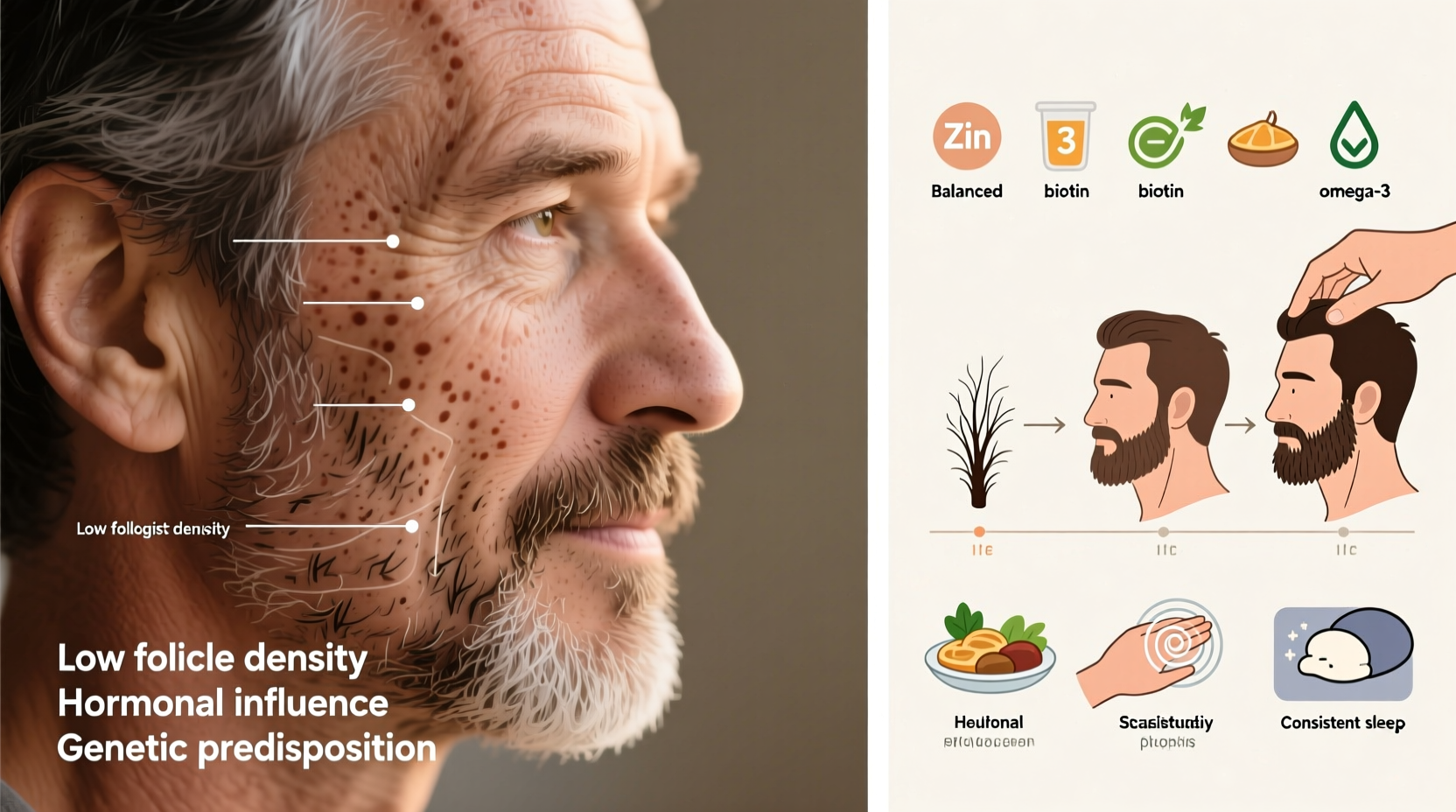
Facial hair growth follows a cycle known as the hair growth phase, which includes anagen (growth), catagen (transition), and telogen (resting). Unlike scalp hair, which may stay in the growth phase for years, beard hairs typically remain in anagen for only a few months. This shorter cycle contributes to slower overall growth and can result in visible gaps if follicles activate at different times.
Beard density and distribution are largely determined by androgen receptors in the skin, particularly those sensitive to dihydrotestosterone (DHT), a hormone derived from testosterone. Areas with higher concentrations of these receptors—like the mustache and jawline—tend to grow thicker hair. Regions with fewer receptors, such as the upper cheeks or lower chin, may develop sparsely or later in life.
It's important to recognize that most young men under 25 will experience some degree of patchiness simply because their hormonal profile hasn’t fully matured. Studies show that facial hair continues developing into the late twenties and sometimes even the early thirties. Patience, therefore, isn't just advice—it's biology.
“Many men assume they have poor genetics when, in reality, they’re simply not done maturing. Beard development is one of the last secondary sexual characteristics to fully emerge.” — Dr. Aaron Carter, Dermatologist & Hair Specialist
Common Causes of Patchy Beard Growth
Patchiness isn’t always a sign of underlying health issues, but understanding potential contributors helps determine whether intervention is needed. Here are the most frequent causes:
- Genetics: Your DNA plays the biggest role in where and how thickly your beard grows. Family patterns often repeat—observe your father or uncles’ beards for clues.
- Hormonal Imbalance: Low testosterone or inefficient conversion to DHT can limit follicle stimulation, especially in sparse areas.
- Age: As mentioned, younger men frequently see improvements in coverage between ages 20–30.
- Poor Skincare: Clogged pores, ingrown hairs, or chronic inflammation can disrupt healthy hair emergence.
- Nutritional Deficiencies: Lack of protein, zinc, biotin, or vitamins A, D, and E may impair keratin production and follicle function.
- Stress and Sleep Deprivation: Chronic stress elevates cortisol, which can interfere with hormone balance and reduce blood flow to follicles.
- Trauma or Scarring: Acne scars, cuts, or burns can damage follicles permanently, preventing regrowth in affected zones.
Natural Strategies to Encourage Fuller Beard Coverage
While you can’t change your genes, you can optimize the environment in which your beard grows. Natural methods focus on enhancing circulation, supporting hormone health, reducing inflammation, and stimulating dormant follicles through consistent care.
1. Improve Blood Circulation to the Face
Better blood flow delivers oxygen and nutrients essential for follicle health. Techniques to boost microcirculation include:
- Gentle facial massage using fingertips or a jade roller for 2–3 minutes daily.
- Dry brushing the face with a soft-bristle brush before showering.
- Incorporating cardiovascular exercise like brisk walking, cycling, or swimming 4–5 times per week.
2. Optimize Nutrition for Hair Growth
Diet directly impacts keratin synthesis and hormone regulation. Key nutrients for robust facial hair include:
| Nutrient | Role in Beard Growth | Top Food Sources |
|---|---|---|
| Zinc | Supports testosterone production and DHT conversion | Oysters, beef, pumpkin seeds, lentils |
| Biotin (B7) | Strengthens hair shafts and supports cell turnover | Eggs, almonds, sweet potatoes, spinach |
| Vitamin D | Activates follicles and extends growth phase | Fatty fish, fortified dairy, sunlight exposure |
| Protein | Provides amino acids for keratin formation | Chicken, tofu, Greek yogurt, quinoa |
| Omega-3 Fatty Acids | Reduces inflammation and moisturizes skin beneath beard | Salmon, chia seeds, walnuts, flax oil |
3. Adopt a Consistent Beard Care Routine
Clean, exfoliated skin allows hairs to emerge unimpeded. A simple daily regimen includes:
- Wash face with a mild, sulfate-free cleanser twice daily.
- Exfoliate 2–3 times weekly to prevent clogged pores.
- Apply a natural beard oil (jojoba, argan, or castor-based) to nourish skin and soften hair.
- Use a boar bristle brush to distribute oils and train hairs to grow downward.
Real Example: How Mark Achieved Noticeable Improvement in 6 Months
Mark, a 24-year-old graphic designer, struggled with significant patchiness along his upper cheeks and weak chin growth. After researching online forums and consulting a dermatologist, he committed to a six-month natural enhancement plan:
- Added resistance training 3x/week to boost testosterone.
- Increased intake of eggs, salmon, and leafy greens; supplemented with vitamin D3 (based on blood test results).
- Began nightly facial massage and applied diluted castor oil to sparse zones.
- Stopped shaving the area entirely and tracked monthly progress with photos.
By month four, Mark noticed darker, coarser hairs emerging in previously bare spots. By month six, his beard appeared significantly denser, especially along the jawline. While not perfectly uniform, the improvement boosted his confidence enough to style it proudly. His experience underscores that consistency—not quick fixes—drives real change.
Do’s and Don’ts for Growing a Fuller Beard Naturally
| Do’s | Don’ts |
|---|---|
| Be patient—wait at least 6–12 months before assessing final results | Don’t obsess over daily changes; growth is gradual |
| Maintain a clean, moisturized face to support healthy follicles | Don’t use harsh scrubs or alcohol-heavy products that dry the skin |
| Evaluate your diet and sleep quality as foundational factors | Don’t rely on “miracle” serums without checking ingredient safety |
| Brush and comb regularly to train direction and remove debris | Don’t pluck or twist emerging hairs—that can cause irritation or infection |
| Take progress photos monthly under consistent lighting | Don’t compare your growth timeline to influencers or peers |
Step-by-Step Guide: Building a Natural Beard Enhancement Plan
Follow this structured approach to maximize your chances of improved coverage over time:
- Assess Your Baseline (Week 1): Take front and side photos of your beard. Note the thinnest areas and any recurring skin issues like acne or dryness.
- Optimize Diet and Lifestyle (Ongoing): Add two servings of protein-rich food daily, ensure 7–8 hours of sleep, and incorporate strength training.
- Begin Facial Stimulation (Daily): Massage your face for 2 minutes each morning using circular motions, focusing on patchy zones.
- Start Using Beard Oil (Nightly): Apply 3–5 drops of natural oil blend, massaging gently into skin beneath the beard.
- Track Progress Monthly: Repeat initial photos every 30 days. Look for increased darkness, thickness, or new hair sprouts.
- Reevaluate at 6 Months: If no improvement, consider a blood test for testosterone, vitamin D, or thyroid levels.
“Natural doesn’t mean ineffective. Small, sustainable habits compound over time. I’ve seen men go from faint stubble to full beards—just by optimizing basics.” — Dr. Lena Patel, Integrative Men’s Health Practitioner
Frequently Asked Questions
Will minoxidil help my patchy beard?
Minoxidil, a topical treatment approved for scalp hair loss, has been used off-label for beard enhancement. Some clinical studies show modest improvement in density after 16–24 weeks of twice-daily application. However, results vary widely, and regrowth may reverse upon discontinuation. Natural methods should be tried first due to fewer risks and long-term sustainability.
Can stress really affect beard growth?
Yes. Chronic stress increases cortisol, which suppresses testosterone and diverts energy from non-essential functions like hair growth. High cortisol also constricts blood vessels, reducing nutrient delivery to follicles. Managing stress through mindfulness, exercise, or better sleep can positively impact beard development.
Is it normal for beard color or texture to change as it fills in?
Absolutely. Many men find that new hairs in patchy areas start lighter or finer and gradually darken and thicken over several growth cycles. This is a positive sign of active follicles maturing, not a flaw.
Final Thoughts: Embrace the Process, Not Perfection
A patchy beard doesn’t define your masculinity or style. For most men, uneven growth is a temporary phase influenced by age, hormones, and care habits. With informed choices and consistent effort, many experience noticeable improvement within months. The key lies in patience, self-awareness, and a commitment to holistic health—from what you eat to how you treat your skin.
There’s no universal standard for what a “good” beard looks like. Some of the most iconic beards in history weren’t perfectly full—they were confidently worn. Whether your goal is complete coverage or simply healthier-looking facial hair, the steps outlined here offer a realistic, sustainable path forward.




 浙公网安备
33010002000092号
浙公网安备
33010002000092号 浙B2-20120091-4
Comments
No comments yet. Why don't you start the discussion?