
Shaving is a routine many men rely on for a clean, polished appearance. Yet, few discuss the uncomfortable aftermath: persistent itching, redness, and irritation that often follow. If you’ve ever wondered why your beard itches after shaving—especially when you’re growing it out or maintaining a short stubble—you’re not alone. This common issue stems from biological reactions, improper technique, and compromised skin health. The good news is that relief doesn’t require harsh chemicals or expensive products. With targeted natural strategies, you can calm irritated skin, reduce inflammation, and even support healthier beard growth over time.
The Science Behind Post-Shave Beard Itch
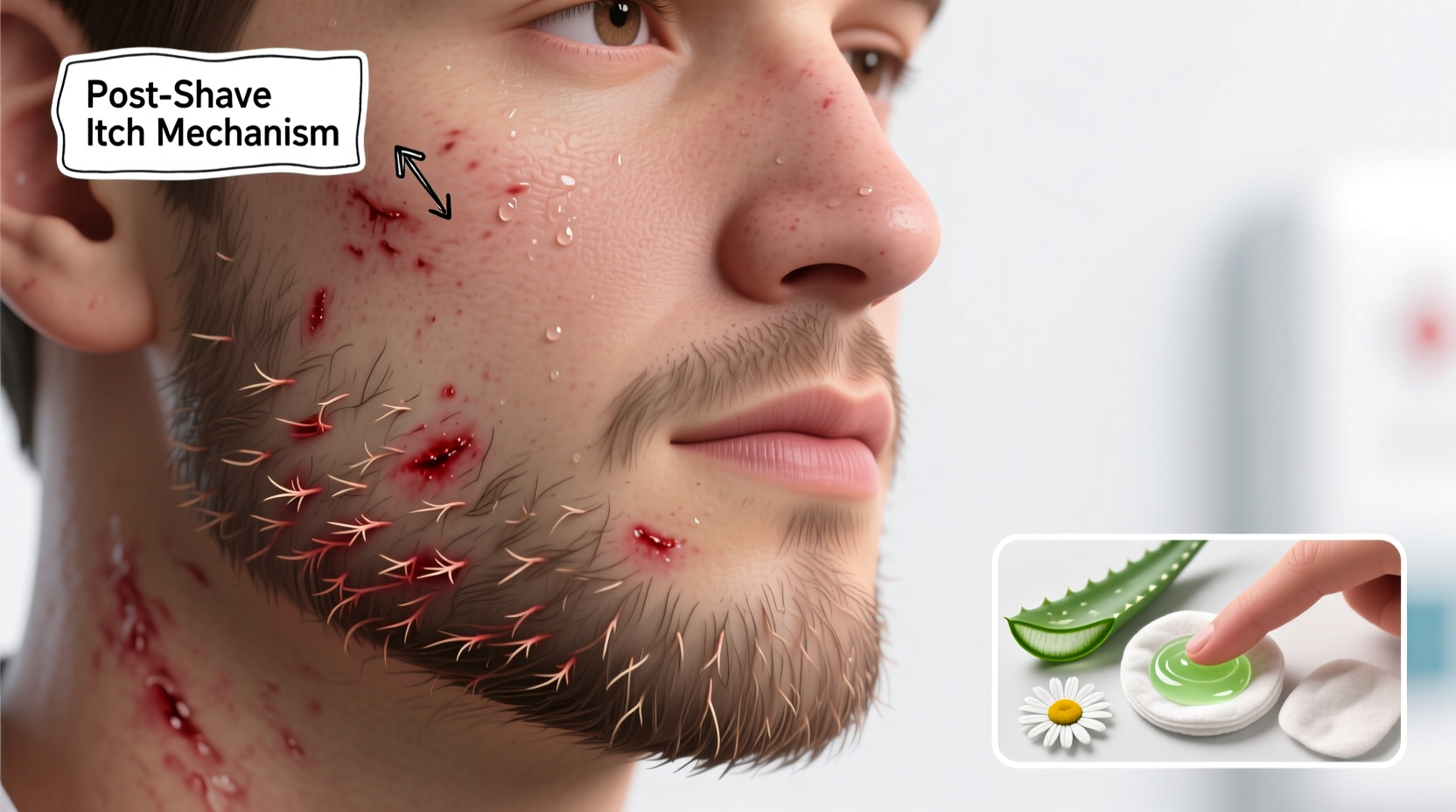
Beard itch after shaving isn't just a minor annoyance—it’s a signal from your skin that something is off. The root causes are typically physical and physiological. When you shave, you're not only cutting hair but also disturbing the upper layers of your skin. This mechanical action can lead to micro-abrasions, especially if your razor is dull or your technique is rushed. These tiny injuries trigger an inflammatory response, prompting immune cells to release histamines—the same compounds involved in allergic reactions—which cause itching.
Another major contributor is the sharp edge left on newly cut hair. Unlike naturally tapered ends, shaved hairs have blunt tips that can curl back into the skin as they grow, leading to ingrown hairs. These embedded hairs provoke localized inflammation and create a sensation of prickling or crawling under the skin, commonly mistaken for general itchiness.
Dryness plays a critical role too. Shaving strips away natural oils, particularly if you use alcohol-based aftershaves or hot water. Without sufficient sebum, the skin becomes dehydrated, tight, and more sensitive. This dryness weakens the skin barrier, making it easier for bacteria and irritants to penetrate, further escalating discomfort.
Natural Remedies That Actually Work
Before reaching for synthetic lotions packed with fragrances and preservatives, consider what nature offers. Many plant-based ingredients have been used for centuries to treat skin irritation, thanks to their anti-inflammatory, antimicrobial, and moisturizing properties. Here are some of the most effective natural solutions:
- Aloe vera – Known for its cooling effect, aloe vera gel reduces redness and accelerates healing. Its polysaccharides stimulate skin regeneration and lock in moisture without clogging pores.
- Coconut oil – Rich in lauric acid, coconut oil combats bacteria while deeply hydrating. Use fractionated coconut oil post-shave to avoid greasiness.
- Tea tree essential oil – A powerful antiseptic, tea tree oil helps prevent infection in micro-cuts. Dilute with a carrier oil (like jojoba) before applying—undiluted use can worsen irritation.
- Oatmeal – Colloidal oatmeal has long been used to soothe eczema and dermatitis. Blended finely and mixed with water, it forms a calming mask that relieves itch and restores pH balance.
- Honey (especially raw Manuka) – Natural humectant and antibacterial agent, honey draws moisture into the skin and prevents bacterial overgrowth in follicles.
These remedies work best when applied immediately after shaving, while the skin is still slightly damp. This allows deeper absorption and creates a protective layer against environmental stressors.
Step-by-Step Guide to a Soothing Post-Shave Routine
Prevention begins with routine. A structured, natural post-shave regimen can dramatically reduce or eliminate itching over time. Follow this five-step process for optimal results:
- Rinse with cool water – After shaving, splash your face with cold water to close pores and reduce immediate inflammation. Avoid hot water, which strips moisture and increases redness.
- Pat dry gently – Use a soft cotton towel and dab—never rub—to avoid irritating freshly exposed skin.
- Apply aloe vera or witch hazel – Both act as natural toners. Aloe soothes; witch hazel (alcohol-free) tightens pores and reduces swelling. Apply with clean fingertips or a cotton pad.
- Mist with rosewater – Rosewater balances skin pH and adds hydration. Spritz directly onto the face or mix with aloe for enhanced effect.
- Seal with a light oil blend – Combine 2 drops of tea tree oil with 1 tablespoon of jojoba or argan oil. Jojoba closely mimics human sebum, making it ideal for restoring the skin’s natural barrier.
This entire routine takes less than three minutes and uses ingredients that are affordable, sustainable, and free from synthetic additives.
Common Mistakes That Worsen Beard Itch
Even with good intentions, certain habits can sabotage your efforts. Recognizing these pitfalls is key to lasting relief.
| Mistake | Why It’s Harmful | Better Alternative |
|---|---|---|
| Using dull razors | Increases drag, causing nicks and micro-tears | Replace blades every 5–7 shaves |
| Shaving against the grain daily | Causes ingrown hairs and razor burn | Shave with the grain, unless doing a second pass |
| Skipping pre-shave prep | Dry hair resists cutting, increasing tugging | Soak face in warm water or use pre-shave oil |
| Using alcohol-heavy aftershaves | Strips moisture and stings broken skin | Opt for alcohol-free toners like witch hazel |
| Over-exfoliating | Disrupts skin barrier, leading to sensitivity | Exfoliate no more than 2x/week with gentle scrubs |
Consistency matters more than intensity. Gentle, regular care yields better long-term results than aggressive fixes applied sporadically.
Expert Insight: What Dermatologists Recommend
Dr. Lena Patel, board-certified dermatologist and researcher in men’s skin health, emphasizes that facial skin differs significantly from other body areas. “Men’s facial skin is thicker and produces more sebum, but it's also subjected to daily mechanical stress,” she explains. “The combination of shaving, environmental exposure, and inadequate hydration makes it prone to reactive responses.”
“Natural doesn’t always mean safe—but when used correctly, botanicals like aloe, chamomile, and green tea extract offer real anti-inflammatory benefits without the side effects of steroids or parabens.” — Dr. Lena Patel, MD, FAAD
She advises patients to patch-test any new product behind the ear before full application. “Even natural oils can be comedogenic for some skin types. Know your skin before layering on remedies.”
Real-Life Example: How Mark Reduced His Itch in One Week
Mark, a 34-year-old software developer from Portland, struggled with chronic beard itch for years. He assumed it was normal until recurring bumps and discomfort began affecting his confidence. After switching from a canned foaming shave gel to a handmade shea butter-based cream and adopting a post-shave routine with aloe and jojoba oil, he noticed improvement within 48 hours.
“I used to dread shaving Sunday nights because Monday mornings were torture,” he says. “Now I actually look forward to it. My skin feels smoother, and the constant urge to scratch is gone.”
Within a week, Mark eliminated razor burn entirely. He credits the change not to one miracle product, but to consistent, mindful adjustments grounded in skin biology.
Checklist: Your Natural Itch-Relief Action Plan
To make implementation easy, here’s a concise checklist you can follow daily or weekly:
- ✅ Replace old or rusty razor blades regularly
- ✅ Wash face with lukewarm water before shaving
- ✅ Use a natural shaving cream or soap (avoid sulfates and parabens)
- ✅ Shave in the direction of hair growth to minimize irritation
- ✅ Rinse with cold water post-shave
- ✅ Apply aloe vera gel or chilled cucumber slices immediately
- ✅ Moisturize with non-comedogenic oil (jojoba, argan, or grapeseed)
- ✅ Exfoliate twice a week using a soft brush or sugar scrub
- ✅ Stay hydrated and consume omega-3-rich foods (flaxseed, walnuts, salmon)
- ✅ Avoid touching your face throughout the day to prevent bacterial transfer
Stick to this plan for two weeks, and you’ll likely notice a significant reduction in both acute and chronic irritation.
Frequently Asked Questions
How long does post-shave itch usually last?
For most people, mild itching resolves within 12 to 24 hours. If redness, swelling, or pustules persist beyond 48 hours, it may indicate folliculitis or an allergic reaction, and medical advice should be sought.
Can I use coconut oil every day on my face after shaving?
While coconut oil is beneficial for many, it’s highly comedogenic and can clog pores in acne-prone or oily skin types. If you experience breakouts, switch to lighter oils like jojoba or squalane, which mimic the skin’s natural sebum.
Is beard itch a sign of an infection?
Not always. Mild itching is typically due to irritation or dryness. However, if accompanied by pus-filled bumps, intense pain, or spreading rash, it could signal bacterial or fungal infection. In such cases, consult a healthcare provider.
Conclusion: Take Control of Your Skin Health Naturally
Itching after shaving doesn’t have to be a permanent part of your grooming routine. Understanding the causes—micro-injuries, ingrown hairs, dryness, and improper tools—empowers you to make informed changes. By integrating simple, natural remedies into your daily life, you protect your skin’s integrity while enhancing comfort and confidence.
Skin care isn’t about perfection; it’s about consistency and awareness. Start with one change—swap your aftershave, try aloe vera, or upgrade your razor—and build from there. Your face deserves the same attention as the rest of your health regimen.




 浙公网安备
33010002000092号
浙公网安备
33010002000092号 浙B2-20120091-4
Comments
No comments yet. Why don't you start the discussion?