
Betta fish are known for their vibrant colors, flowing fins, and expressive behaviors. One of the most striking displays they perform is flaring—where they spread their gills and fins dramatically, often in response to movement near their tank. If you’ve noticed your betta flaring at you when you approach, you might wonder: Is this a sign of aggression? Or could it be curiosity, excitement, or even recognition? Understanding the context behind this behavior is key to building a healthy relationship with your fish and ensuring its well-being.
Flaring isn’t inherently good or bad—it’s a natural part of betta communication. However, interpreting it correctly helps prevent stress, overstimulation, and misreading your pet’s emotional state. This article explores the biological roots of flaring, differentiates between aggression and curiosity, and provides practical guidance on how to respond appropriately.
The Biology Behind Betta Flaring
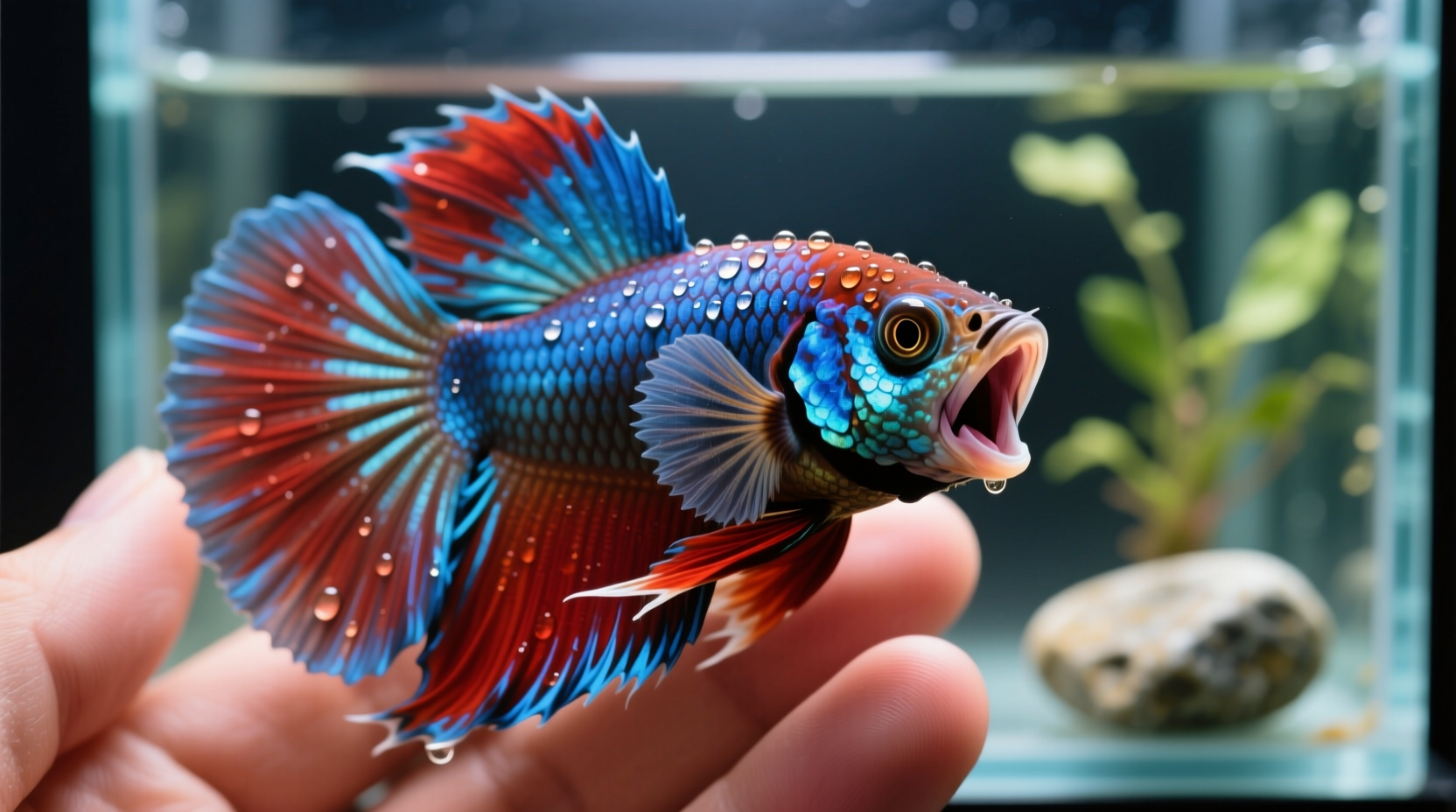
Flaring is an instinctive behavior rooted in survival. In the wild, male bettas (Betta splendens) are territorial and highly aggressive toward other males. When confronted by a rival, they flare to appear larger and more intimidating, often as a warning before physical combat ensues. This display includes spreading the operculum (gill covers), erecting the dorsal and anal fins, and sometimes swimming in quick, darting motions.
The purpose is twofold: to deter threats without fighting and to assert dominance. Because flaring consumes energy and risks injury, it’s typically reserved for serious challenges. However, in captivity, bettas may flare in response to non-threatening stimuli—including their own reflection, sudden movements, or even their owner’s face.
Interestingly, female bettas can also flare, though less dramatically. Their behavior is often related to assessing potential mates or defending territory during breeding. Both sexes use flaring as a form of visual signaling, which means the behavior extends beyond mere aggression.
“Flaring is a language. It’s how bettas communicate size, status, and intent. Misinterpreting it as pure anger overlooks its complexity.” — Dr. Lena Torres, Aquatic Ethologist
Aggression vs. Curiosity: How to Tell the Difference
Distinguishing between aggressive and curious flaring requires observing the full behavioral context—not just the flaring itself. Here’s how to decode what your betta is trying to say:
Signs of Aggressive Flaring
- Prolonged duration: The fish remains flared for extended periods, especially when no external trigger is visible.
- Reactive to reflections: Flaring occurs consistently when the betta sees its reflection in glass or nearby surfaces.
- Accompanied by charging: The fish swims rapidly toward the glass or mirror, often repeatedly.
- Lack of relaxation: After flaring, the fish doesn’t return to normal swimming patterns and appears tense.
- Color darkening: Some bettas darken in color when agitated, indicating stress or readiness to fight.
Signs of Curious or Excited Flaring
- Short bursts: The flaring lasts only a few seconds and happens intermittently.
- Tied to interaction: Occurs when you feed, tap lightly on the glass, or move your hand nearby.
- Followed by exploration: After flaring, the betta swims around the tank, inspecting the area.
- Consistent timing: Happens at predictable times, like feeding hours, suggesting anticipation.
- No self-harm: The fish doesn’t scratch against decor or show signs of exhaustion.
Is Your Betta Recognizing You?
Research suggests that bettas can recognize human faces and associate them with positive experiences. A study published in *Animal Cognition* found that fish can distinguish between familiar and unfamiliar humans using visual cues. While bettas don’t have complex brains like mammals, they possess associative learning capabilities—meaning they can learn that certain people bring food or interact positively.
If your betta flares briefly when you approach but then swims to the front of the tank, it may be a greeting behavior. Think of it as a mix of alertness and anticipation. Over time, some owners report that their bettas become more responsive, following fingers along the glass or “dancing” during feeding time. These behaviors suggest engagement rather than fear.
However, repeated flaring without positive reinforcement—such as feeding or calm observation—can turn into chronic stress. A betta that constantly sees a large face looming at the tank may interpret it as a threat, especially if the environment lacks hiding spots or visual barriers.
Common Triggers That Cause Flaring
Understanding what prompts flaring helps you manage your betta’s environment effectively. Below are frequent causes and whether they indicate aggression, curiosity, or concern.
| Trigger | Typical Response | Interpretation | Action Step |
|---|---|---|---|
| Reflection in glass | Sustained flaring, chasing | Perceived rival – high stress | Use background film or reposition tank |
| Owner approaching | Brief flare, then inspection | Curiosity or recognition | Observe; avoid sudden movements |
| Other fish in view | Intense, prolonged flaring | Defensive aggression | Block line of sight immediately |
| Feeding time | Quick flare, excited swimming | Anticipation, excitement | Positive association; acceptable |
| Tap on glass | Sudden flare, darting away | Fear or startle response | Avoid tapping; it causes stress |
How to Respond: A Step-by-Step Guide
When your betta flares, your reaction shapes its long-term behavior and well-being. Follow this sequence to assess and respond appropriately:
- Pause and observe: Don’t react immediately. Watch for 3–5 minutes to see if the flaring stops and normal behavior resumes.
- Check for reflections: Walk around the tank to see if your betta is reacting to its own image. Use a non-reflective background if needed.
- Evaluate tank setup: Ensure there are plants, caves, or decorations where your betta can retreat. A lack of cover increases stress.
- Limit direct eye contact: Avoid pressing your face close to the glass. Instead, stand slightly to the side and speak softly.
- Establish a routine: Feed at the same time daily. Over weeks, your betta may begin to associate your presence with food and safety.
- Avoid encouraging excessive flaring: Don’t use mirrors regularly to “entertain” your betta. This mimics constant threats and can lead to fatigue.
- Monitor health signs: Chronic flaring can suppress the immune system. Look for symptoms like lethargy, loss of appetite, or fin clamping.
Mini Case Study: From Fear to Familiarity
Sarah adopted a male betta named Rio and placed his tank on a bookshelf in her living room. Within days, she noticed Rio flaring violently whenever she walked by. Concerned, she recorded his behavior and shared it with a local aquarium specialist. The expert pointed out that sunlight hitting the glass created a mirror effect, making Rio see another “male” invading his space.
Sarah applied a blue background film to the back and side panels of the tank. She also moved a small plant to partially obscure the front glass. Within three days, Rio’s flaring decreased significantly. Over the next two weeks, Sarah began feeding him at the same time each evening while standing quietly nearby. Soon, Rio started swimming to the front when he saw her, flaring briefly before settling down—likely a combination of alertness and anticipation.
This case illustrates how environmental adjustments, combined with consistent, calm interaction, can transform aggressive flaring into a neutral or even positive behavior.
When Flaring Becomes a Problem
Occasional flaring is normal. But persistent or excessive flaring indicates underlying issues. Chronic stress from constant perceived threats can lead to:
- Weakened immune function
- Increased susceptibility to diseases like fin rot or ich
- Reduced appetite and weight loss
- Shortened lifespan
If your betta flares every time you enter the room—even after environmental fixes—consider reducing visual stimulation. Move the tank away from high-traffic areas or use a fabric cover on one side. Also, ensure water parameters (temperature, pH, ammonia) are stable, as poor conditions amplify stress responses.
Flaring Checklist: What You Should Do
- ✅ Check for reflections in the tank glass
- ✅ Provide hiding places with plants or decor
- ✅ Maintain consistent feeding and care routines
- ✅ Avoid tapping or startling the fish
- ✅ Limit mirror use to once a week max, for no more than 2–3 minutes
- ✅ Observe post-flare behavior to assess stress levels
- ✅ Test water quality monthly
FAQ: Common Questions About Betta Flaring
Can flaring hurt my betta fish?
Occasional flaring is harmless and natural. However, frequent or prolonged flaring due to constant stress can exhaust your betta, weaken its immune system, and shorten its lifespan. The key is moderation and eliminating persistent triggers like reflections or aggressive tank mates.
Do bettas flare when they’re happy?
Not exactly. Bettas don’t express happiness like mammals, but they can show excitement or anticipation. A brief flare followed by active swimming during feeding time may indicate engagement rather than emotion. True “happy” signs include clear eyes, open fins, regular eating, and smooth swimming.
Should I let my betta flare at a mirror?
Only sparingly and under supervision. Some owners use mirrors briefly to encourage exercise or fin development. However, this should never exceed 2–3 minutes and should be done no more than once a week. Prolonged exposure can cause psychological stress, as the betta never wins the confrontation.
Conclusion: Building Trust with Your Betta
Your betta’s flaring behavior is a window into its world—one shaped by instinct, environment, and experience. While it may look dramatic, it’s rarely personal. By learning to read the signals, adjusting the habitat, and responding with patience, you can turn flaring from a source of concern into a meaningful part of your bond.
Remember, a healthy betta isn’t one that never flares, but one that flares appropriately and recovers quickly. With thoughtful care, your fish can thrive in a safe, stimulating environment where interactions are based on trust, not tension.




 浙公网安备
33010002000092号
浙公网安备
33010002000092号 浙B2-20120091-4
Comments
No comments yet. Why don't you start the discussion?