
Betta fish are known for their vibrant colors and dramatic fin displays, but one of the most striking behaviors they exhibit is gill flaring. While this behavior can be fascinating to watch, it often raises questions among owners: Is my betta showing off? Is it angry? Or could it be a sign of stress? Understanding the reasons behind gill flaring and recognizing the signs of stress are essential for maintaining a healthy, happy betta. This article breaks down the science and psychology behind betta behavior, helping you interpret what your fish is trying to communicate—and when it’s time to intervene.
What Is Gill Flaring in Betta Fish?
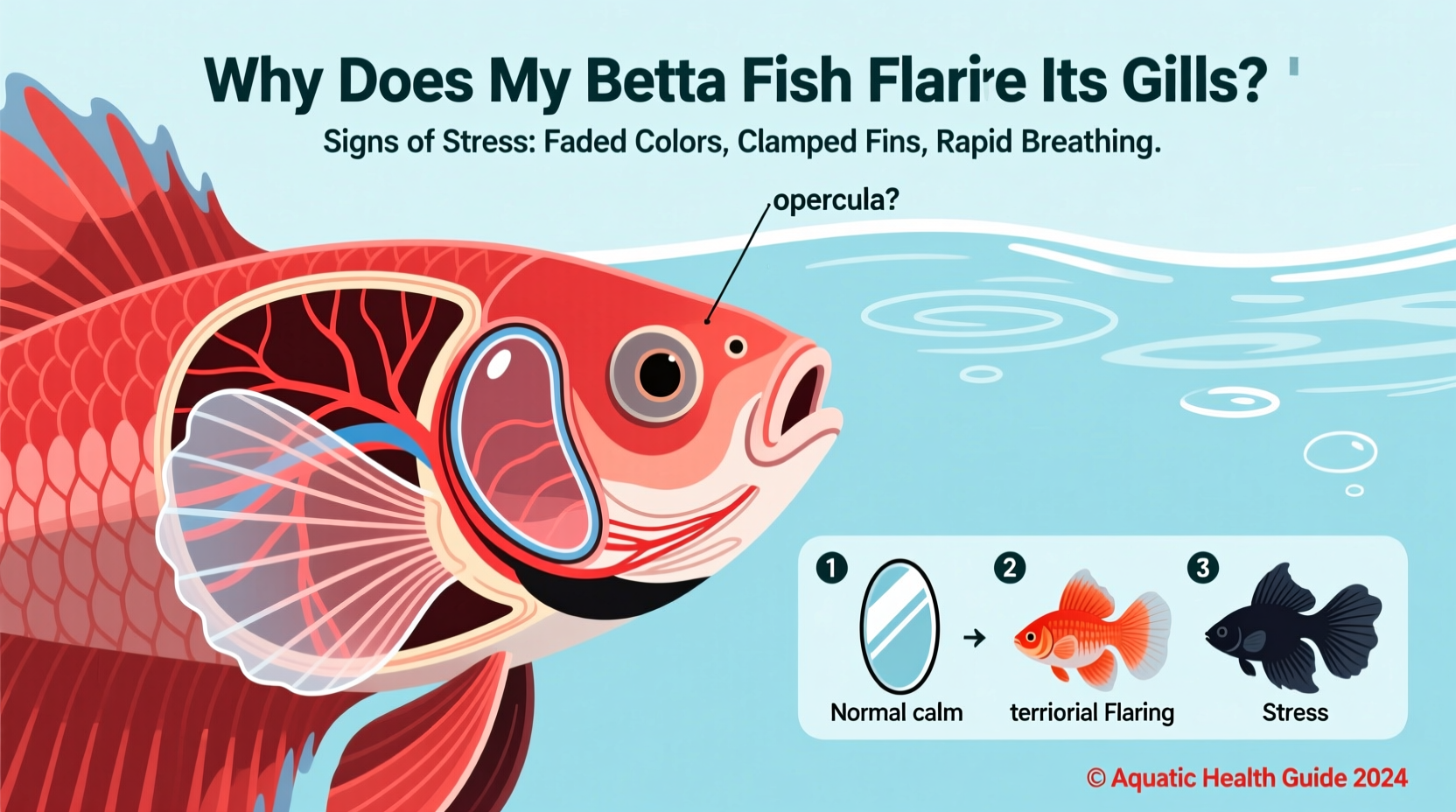
Gill flaring occurs when a betta fish expands the operculum (the bony flap covering the gills), making the gill area appear larger and more prominent. This display is often accompanied by the spreading of fins and an arched body posture. The effect is visually impressive and serves multiple purposes in the wild and in captivity.
In male bettas—especially Siamese fighting fish, from which the species gets its common name—gill flaring is primarily a territorial or defensive behavior. It evolved as a way to intimidate rivals without engaging in physical combat, which can be dangerous and energy-consuming. By appearing larger and more threatening, a betta may deter competition or defend its space.
Interestingly, gill flaring isn’t always aggressive. Some bettas flare at their reflection during routine tank maintenance, while others may flare at their owner, especially if they associate them with feeding. In these cases, the behavior may stem from excitement rather than hostility.
Common Reasons Why Betta Fish Flare Their Gills
Understanding the context in which flaring occurs is key to interpreting your betta’s emotional state. Here are the most common triggers:
- Territorial Defense: Bettas are naturally territorial. The presence of another male betta—or even a similarly shaped or colorful fish—can provoke flaring as a warning.
- Reflections: Glass walls can reflect a betta’s image, leading it to perceive an intruder. This is especially common in small tanks or bowls near windows or bright lights.
- Feeding Time Excitement: Some bettas flare when they see their owner approaching, anticipating food. This is usually brief and not accompanied by aggression.
- Mating Behavior: Male bettas may flare during courtship to impress females, though this is less common in home aquariums unless breeding is attempted.
- Environmental Triggers: Sudden movements, loud noises, or changes in lighting can startle a betta into flaring defensively.
“Flaring is a natural part of betta communication. The concern arises not from the act itself, but from its frequency and context.” — Dr. Amanda Lee, Aquatic Veterinarian and Ethology Researcher
When Flaring Signals Stress: Key Warning Signs
While occasional flaring is normal, persistent or unprovoked flaring can be a red flag. Chronic stress in bettas weakens their immune system, increases susceptibility to disease, and shortens lifespan. Recognizing stress early allows you to make adjustments before health deteriorates.
Stress-related flaring is typically repetitive, prolonged, or occurs in the absence of obvious triggers. Combine this with other behavioral and physical cues to assess your betta’s well-being.
Physical Signs of Stress in Betta Fish
| Symptom | Possible Cause | Action Step |
|---|---|---|
| Faded coloration | Chronic stress, poor water quality | Test water parameters; perform partial water change |
| Clamped fins (held close to body) | Stress, illness, cold water | Check temperature; inspect for infection |
| Rapid gill movement | Low oxygen, ammonia spikes | Improve aeration; test for toxins |
| White spots or fuzzy patches | Ick or fungal infection | Quarantine if needed; treat with appropriate medication |
| Lethargy or hiding | Overstimulation, bullying, poor environment | Provide hiding places; reduce disturbances |
Behavioral Indicators of Stress
- Constant flaring at reflections or tank decorations
- Refusal to eat despite hunger cues
- Erratic swimming or darting
- Loss of interest in surroundings
- Resting at the bottom for extended periods
Step-by-Step Guide to Reducing Betta Stress
If you suspect your betta is stressed, take immediate action. Follow this timeline to restore balance and comfort:
- Day 1: Assess the Environment
- Check water temperature (ideal: 78–80°F / 25–27°C).
- Test for ammonia, nitrite, and nitrate levels. Ammonia and nitrite should be 0 ppm; nitrates below 20 ppm.
- Ensure the tank is at least 5 gallons with a gentle filter and heater.
- Day 2: Eliminate Triggers
- Move the tank away from high-traffic areas or noisy appliances.
- Cover three sides of the tank with background paper to reduce reflections.
- Remove mirrors or reflective objects used for “exercise” if overused.
- Day 3: Enhance Hiding Spots
- Add live or silk plants, caves, or PVC pipes to create safe zones.
- Avoid sharp decorations that can damage fins.
- Day 4–7: Monitor Behavior Daily
- Observe flaring frequency and duration.
- Note appetite, color, and activity level.
- Perform a 25% water change if parameters are off.
- Day 8+: Maintain Routine
- Feed high-quality pellets or frozen foods once or twice daily.
- Keep a consistent light cycle (8–10 hours of light per day).
- Interact gently—avoid tapping glass or sudden movements.
Mini Case Study: Rescuing a Chronically Stressed Betta
Mark adopted a male betta named Blaze from a local pet store. The fish lived in a small bowl with no heater and was kept on a busy kitchen counter. Within a week, Mark noticed Blaze flaring constantly at the glass, refusing food, and spending most of his time at the bottom of the bowl.
After researching betta care, Mark upgraded Blaze to a 5-gallon heated tank with a sponge filter, added live plants, and placed the tank in a quieter corner of the living room. He also covered the back and side panels with a dark background.
Within three days, Blaze began exploring more. His colors returned, and flaring decreased significantly. By day ten, he greeted Mark at feeding time with a brief, excited flare—no longer defensive, but interactive. Mark now uses a mirror for short 30-second “exercise” sessions twice a week, followed by praise in a calm voice.
This case illustrates how environmental enrichment and proper setup can transform a stressed betta into a thriving, engaged companion.
Do’s and Don’ts of Betta Interaction
How you interact with your betta influences its stress levels. Follow this guide to build trust and avoid triggering anxiety.
| Do’s | Don’ts |
|---|---|
| Feed at the same time daily | Tap on the glass to get attention |
| Use a mirror briefly for stimulation | Leave a mirror in view for hours |
| Speak softly near the tank | Make sudden hand movements |
| Provide visual barriers in community tanks | House two males together |
| Observe behavior regularly | Ignore signs of distress |
Frequently Asked Questions
Is it bad if my betta flares every time I walk by?
Not necessarily. If your betta flares briefly and swims normally afterward, it may simply be excited or asserting dominance. However, if flaring is constant, lasts several minutes, or is paired with clamped fins or loss of appetite, it indicates stress. Adjust the environment accordingly.
Can betta fish get tired from flaring too much?
Yes. Excessive flaring is physically taxing. Over time, it can lead to fatigue, weakened immunity, and increased risk of illness. Limit exposure to triggers like mirrors and ensure your betta has downtime in a calm environment.
Should I use a mirror to encourage flaring for exercise?
In moderation, yes—but with caution. A 20–30 second mirror session once or twice a week can provide mental stimulation. Never leave a mirror in the tank, as this causes chronic stress. Always monitor your betta’s reaction and stop if it shows signs of exhaustion.
Conclusion: Building a Calm and Enriched Life for Your Betta
Gill flaring is a natural and often misunderstood behavior in betta fish. When seen in context, it reveals much about your fish’s emotional state, territorial instincts, and overall well-being. The key is not to eliminate flaring entirely, but to understand its cause and ensure it doesn’t become a symptom of chronic stress.
By providing a stable, enriched environment—complete with proper water conditions, hiding spaces, and thoughtful interaction—you allow your betta to thrive both physically and psychologically. A healthy betta may flare occasionally, but it will also swim confidently, eat eagerly, and display vibrant colors.




 浙公网安备
33010002000092号
浙公网安备
33010002000092号 浙B2-20120091-4
Comments
No comments yet. Why don't you start the discussion?