
Blush can transform a face—adding warmth, youthfulness, and dimension. Yet for many, that rosy glow vanishes just minutes after application, leaving behind a flat, tired complexion. If you've ever reapplied blush three times before noon, you're not alone. The issue isn’t vanity—it’s formulation, skin type, and technique colliding in ways that sabotage longevity. Understanding why blush disappears so fast is the first step toward achieving a flush that lasts from morning coffee to evening cocktails.
The truth is, modern makeup routines often prioritize foundation or eyeshadow while treating blush as an afterthought. But when applied correctly—and made to stay—it becomes one of the most impactful elements of a polished look. Whether you use cream, powder, or liquid formulas, fading happens due to a combination of sebum production, improper layering, environmental exposure, and mismatched product choices. The good news? With targeted adjustments, long-lasting blush isn't just possible—it's achievable every single day.
Why Blush Fades So Quickly: The Science Behind the Disappearance
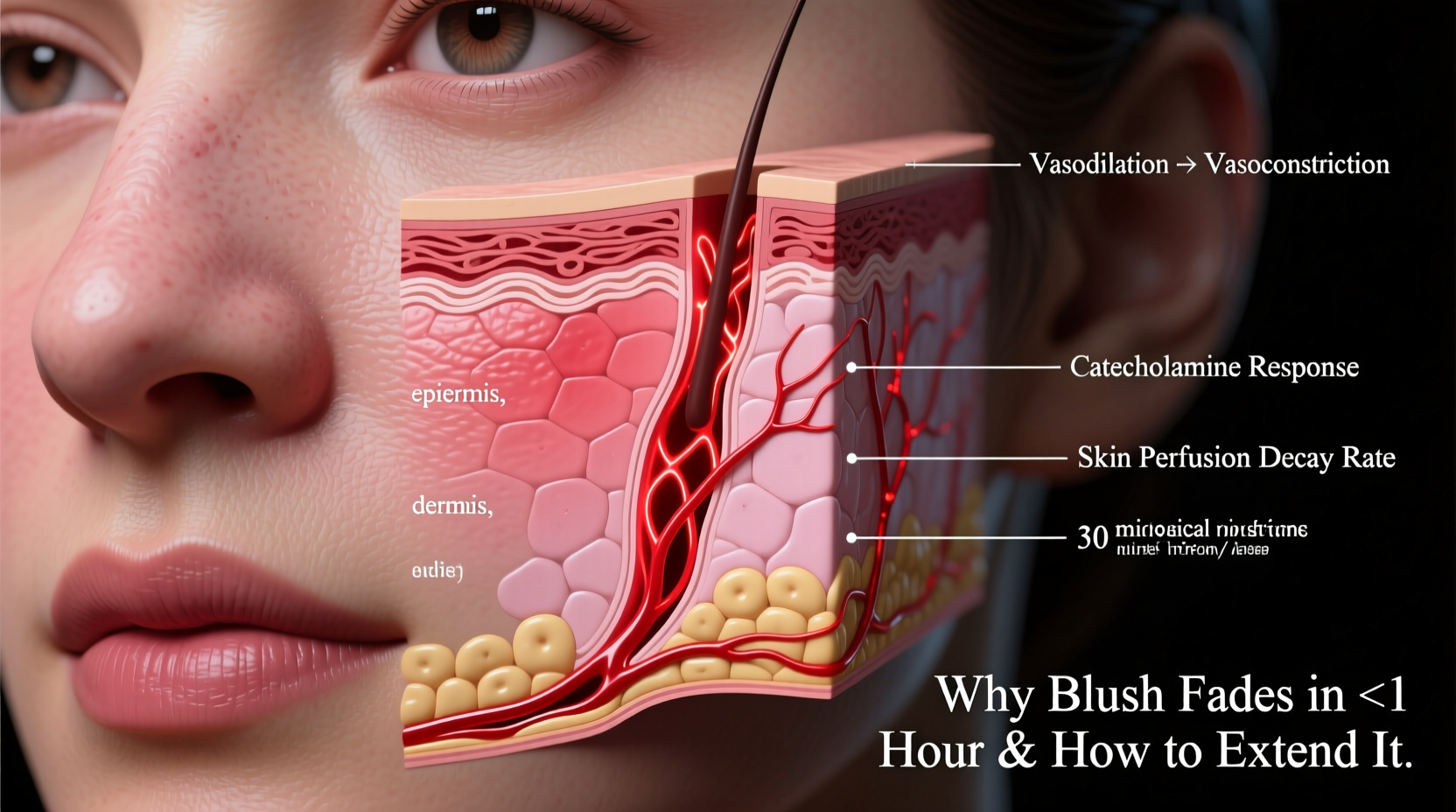
Blush doesn’t simply “fade” without reason. Its disappearance is usually the result of specific biological and chemical interactions on your skin. Here are the primary culprits:
- Oily Skin and Sebum Production: Natural oils (sebum) break down makeup over time. Areas like the apples of the cheeks are prone to oil buildup, especially in warmer climates or during hormonal fluctuations. This creates a slippery surface where pigment slides off or blends into nothingness.
- Inadequate Skincare Prep: Applying blush over dry patches causes patchiness; applying over greasy zones leads to migration. Without balanced hydration and proper priming, even high-end blush won’t survive past midday.
- Wrong Formula for Skin Type: Using a dewy cream blush on oily skin may look fresh at first but will dissolve by lunchtime. Conversely, powder blush on dehydrated skin emphasizes texture and flakes away.
- Layering Errors: Applying powder blush under liquid foundation traps pigment beneath layers, muting its visibility. Or worse—applying too much setting powder after cream blush can absorb the emollients needed to keep color adhered.
- Movement and Touch: Resting your face on your hand, wiping sweat, or frequently adjusting masks increases physical friction, accelerating pigment loss.
Choosing the Right Blush Formula for Your Skin Type
Not all blushes are created equal—and no single formula works universally. Matching your blush type to your skin’s needs dramatically improves staying power.
| Skin Type | Recommended Blush Form | Why It Works | Avoid |
|---|---|---|---|
| Oily | Powder or gel-based liquid | Binds well to matte primers, resists slippage | Creams with high oil content |
| Dry | Cream or liquid (hydrating base) | Blends seamlessly into parched areas, adds luminosity | Mattifying powders |
| Combination | Hybrid (cream-to-powder) or sheer liquid | Adaptable across zones, balances finish | Heavy matte formulas |
| Mature | Cream or serum-infused liquid | Sits on top of fine lines instead of settling into them | Fully matte powders |
| Acne-Prone/Sensitive | Mineral powder or fragrance-free liquid | Less likely to clog pores or irritate | Comedogenic creams |
For example, someone with oily T-zones but drier cheekbones might benefit from using a lightweight liquid blush blended outward, then lightly dusting translucent powder only on the oiliest parts—not directly over the blush itself.
“Longevity starts before the blush touches your skin. A well-prepped canvas ensures adhesion, while the wrong base turns any formula into temporary art.” — Lena Torres, Celebrity Makeup Artist & Product Developer
Step-by-Step Guide to Long-Lasting Blush Application
Lasting color isn’t magic—it’s method. Follow this timeline-tested routine to lock in pigment from sunrise to sunset.
- Cleanse and Hydrate: Start with a gentle cleanser followed by a moisturizer suited to your skin type. Wait 3–5 minutes for absorption. Skipping this risks patchy application or premature flaking.
- Prime Strategically: Use a mattifying primer on oily zones and a hydrating one on dry areas. Let it set for two minutes. This creates a stable film for makeup adherence.
- Apply Foundation and Concealer: Build coverage first. Avoid applying blush underneath these layers—it gets buried and loses vibrancy.
- Set Lightly (If Needed): Only apply a minimal amount of translucent powder on areas that tend to shine. Do not press heavily over where blush will go.
- Apply Blush:
- Cream/Liquid: Dab product onto the apples of the cheeks and blend upward toward the temples using fingers, sponge, or stippling brush. Fingers warm the product for better melding.
- Powder: Use a fluffy angled brush. Smile lightly to find the apples, then sweep color along the cheekbone in soft circular motions.
- Lock It In: Once cream blush is fully blended (after ~90 seconds), mist face with a setting spray. For extra hold, use the “baking” technique sparingly—only on oily zones—with a thin layer of loose powder left for 2 minutes, then gently removed.
- Final Seal: Finish with another light spritz of setting spray. Look for formulas containing polymers (like PVP) that form a flexible film over pigment.
Real Example: How Sarah Fixed Her Fading Blush Problem
Sarah, a 32-year-old marketing consultant in Miami, struggled with her blush disappearing by 10:30 a.m., despite reapplying during bathroom breaks. She used a popular cream blush she loved for its natural look—but hated how short-lived it was.
After tracking her routine, she realized she was applying moisturizer, then immediately layering SPF, foundation, and concealer—all heavy, silicone-based products. By the time she added blush, the skin’s surface was slick. Worse, she’d set everything with powder, which absorbed the emollients in the cream blush, causing it to vanish.
Her fix? She switched to a water-based moisturizer, allowed full absorption, used a mattifying primer only on her nose and forehead, and applied a hydrating liquid blush *after* foundation. She sealed it with Urban Decay All Nighter spray. Result? Her blush stayed vibrant until 7 p.m.—with only a subtle fade requiring a tiny refresh, not a full redo.
The key wasn’t changing brands—it was reordering steps and respecting the chemistry of her products.
Expert Tips and Pro Techniques You Can Use Today
Professional makeup artists rely on subtle tricks that aren’t always obvious to everyday users. These strategies go beyond basic advice and target real-world wear conditions.
- Use a Color Base: Apply a sheer wash of pink or peach-toned corrector before foundation to create a built-in flush. Even if your blush fades, some warmth remains.
- Blot, Don’t Powder: Midday shine? Gently blot oily areas with tissue instead of adding more powder, which can lift pigment.
- Carry a Mini Version: Keep a travel-sized version of your blush and a small brush in your bag. A quick touch-up takes less than a minute.
- Try Cream-to-Powder Blushes: Products like Rare Beauty Soft Pinch Liquid Blush dry down to a velvety finish that resists transfer and oil breakdown.
- Blend Upward, Not Outward: Focus movement toward the hairline to lift features and prevent product from pooling near the nose, where oils accumulate.
“Clients are shocked when I tell them their blush should be the third-to-last step—not the second. Timing matters as much as product choice.” — Marcus Lee, Editorial MUA for Vogue Korea
Checklist: How to Make Your Blush Last All Day
Use this actionable checklist each morning to ensure maximum wear time:
- ☑ Cleanse and tone skin gently
- ☑ Apply moisturizer and wait 5 minutes
- ☑ Use targeted primer (matte on oily zones, hydrating elsewhere)
- ☑ Apply foundation and concealer
- ☑ Lightly set only oily areas with translucent powder
- ☑ Apply cream, liquid, or powder blush—on top of base layers
- ☑ Blend thoroughly with appropriate tool
- ☑ Mist with setting spray
- ☑ Optional: Bake lightly on oily zones, then remove excess
- ☑ Final setting spray pass
- ☑ Carry mini blush + brush for touch-ups
Frequently Asked Questions
Can I use both cream and powder blush together?
Yes—and it's one of the best ways to extend wear. Apply a cream or liquid blush first, let it dry completely (about 90 seconds), then lightly layer a matching powder shade on top. This \"sandwich\" technique builds intensity and resilience without heaviness.
Does setting spray really make a difference?
Absolutely. Quality setting sprays contain film-forming agents that encapsulate pigment and protect against moisture, oil, and friction. In independent tests, blush applied with a polymer-rich setting spray lasted up to 6 hours longer than without.
Why does my blush look great in natural light but vanish indoors?
This is often due to lighting contrast. Bright daylight enhances color perception, while fluorescent or yellow-toned indoor lighting can mute pink and peach tones. Choose blush shades with slight orange or coral undertones—they read more vividly under artificial light.
Conclusion: Make Your Glow Stay Put
Blush shouldn’t be a fleeting accessory. When your skin is prepped properly, your product matches your biology, and your technique follows professional standards, there’s no reason your flush can’t endure a full workday, a long flight, or a spontaneous night out. The solution isn’t buying more—it’s understanding more. From correcting layering mistakes to choosing resilient formulas and sealing with precision, lasting blush is within reach.
Start tomorrow with one change: delay your blush application until after foundation, and seal it with a spritz of setting spray. Notice the difference. Then build from there. Small shifts yield dramatic results. Your most radiant, confident look isn’t just about color—it’s about continuity.




 浙公网安备
33010002000092号
浙公网安备
33010002000092号 浙B2-20120091-4
Comments
No comments yet. Why don't you start the discussion?