
Itching after a shower is more common than many realize. What should be a refreshing, cleansing ritual turns into an uncomfortable experience of dryness, redness, and relentless scratching. While occasional irritation might seem harmless, persistent post-shower itching can signal underlying skin issues or habits that compromise your skin’s natural barrier. The causes range from water temperature and soap chemistry to pre-existing conditions like eczema or dry skin syndrome. Understanding the root causes—and knowing how to address them—is essential for restoring comfort and protecting your skin long-term.
The Science Behind Post-Shower Itching
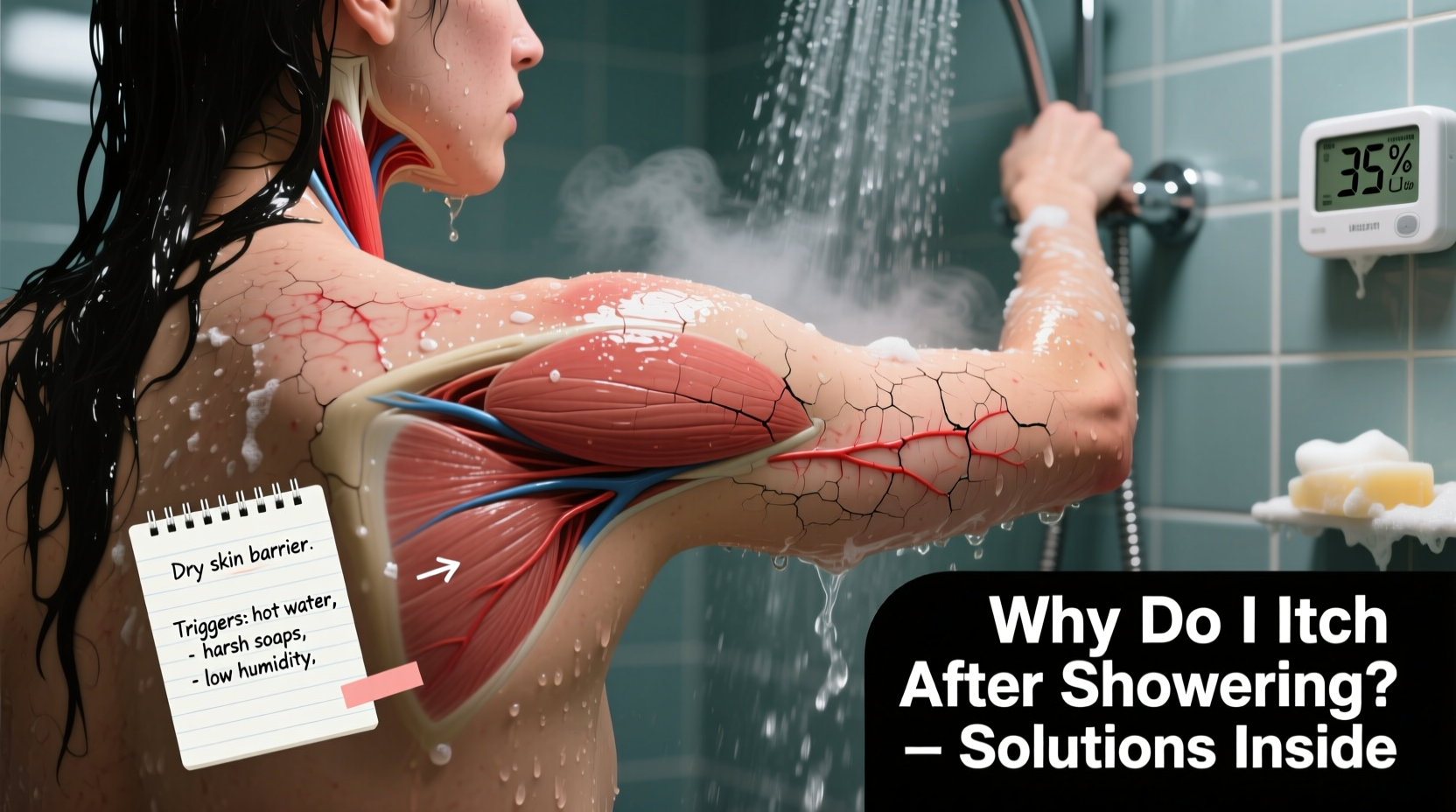
Your skin isn’t just a surface—it's a dynamic organ with a protective outer layer called the stratum corneum. This layer contains natural oils (sebum), lipids, and moisture-retaining components that form a “barrier” against environmental stressors and water loss. When you shower, especially with hot water or harsh soaps, this barrier can become compromised.
Hot water strips away essential oils and disrupts the skin’s pH balance, which normally sits slightly acidic (around 4.5–5.5). Alkaline soaps and detergents further elevate the skin’s pH, weakening its defenses and triggering inflammation. As the skin dries out during and after your shower, nerve endings in the epidermis become more sensitive, leading to the sensation of itching—medically known as *aquagenic pruritus* when directly linked to water exposure.
Additionally, chlorine and minerals in tap water may irritate sensitive skin, particularly in individuals with atopic dermatitis or rosacea. For some, histamine release during water contact—even without visible rash—can cause intense itching within minutes of stepping out of the shower.
Common Causes of Itching After Showering
Not all itching is created equal. Identifying the specific trigger helps target the solution effectively. Below are the most frequent culprits behind post-shower discomfort:
- Overheated water: Hot showers feel soothing but damage the lipid barrier, accelerating transepidermal water loss (TEWL).
- Harsh cleansers: Soaps with sulfates, fragrances, or alcohol strip moisture and provoke irritation.
- Low humidity environments: Especially in winter, indoor heating dries the air, worsening post-shower dryness.
- Over-scrubbing: Using loofahs, brushes, or rough washcloths can micro-abrade the skin, increasing sensitivity.
- Hard water: High levels of calcium and magnesium bind to soap, leaving a residue that clogs pores and irritates skin.
- Underlying skin conditions: Eczema, psoriasis, and xerosis (chronic dry skin) increase susceptibility to post-wash flare-ups.
“Many patients come in complaining of itching after bathing, not realizing their ideal ‘clean’ feeling is actually their skin screaming for hydration.” — Dr. Lena Torres, Board-Certified Dermatologist
Do’s and Don’ts: Shower Habits That Make or Break Your Skin
Small changes in routine can dramatically improve skin tolerance. The following table outlines key behaviors to adopt—or avoid—to prevent itching after showering.
| Do’s | Don’ts |
|---|---|
| Use lukewarm water instead of hot | Take long, steamy showers over 10 minutes |
| Choose fragrance-free, sulfate-free cleansers | Use bar soaps with high pH (above 7) |
| Apply moisturizer within 3 minutes of drying off | Wait more than 5 minutes before moisturizing |
| Install a water softener or filter if you have hard water | Ignore visible soap scum or mineral buildup |
| Gently pat skin dry—don’t rub | Use rough exfoliating tools daily |
Step-by-Step Guide to Stop Post-Shower Itching
Reversing chronic itching requires consistency and attention to detail. Follow this six-step protocol to restore your skin’s health and eliminate discomfort after every wash.
- Adjust Water Temperature
Set your shower to lukewarm—just above body temperature (around 98–105°F / 37–40°C). Test with your hand or elbow; if it feels hot, it’s too hot for your skin. - Switch to a Gentle Cleanser
Replace foaming body washes and deodorant soaps with hydrating, non-alkaline formulas. Look for ingredients like ceramides, glycerin, or colloidal oatmeal. Avoid anything labeled “antibacterial,” “deodorizing,” or “deep clean.” - Shorten Shower Duration
Aim for 5–10 minutes max. Focus on cleaning key areas (armpits, groin, feet) rather than scrubbing every inch. - Moisturize Immediately After Drying
Within 3 minutes of stepping out, apply a thick, occlusive moisturizer while skin is still damp. Lotions with hyaluronic acid, shea butter, or petrolatum lock in moisture effectively. - Exfoliate Strategically (1–2 times per week)
Use a chemical exfoliant with lactic acid or urea instead of physical scrubs. These dissolve dead skin cells gently without micro-tears. - Consider Water Quality Improvements
If you live in a hard water area, install a showerhead filter designed to reduce chlorine and mineral content. Alternatively, use distilled water for final rinses if sensitivity is severe.
When Itching Signals a Medical Condition
Sometimes, post-shower itching isn't just about routine—it’s a symptom of an underlying health issue. Recognizing these signs early can lead to better management and relief.
Eczema (Atopic Dermatitis): Characterized by dry, flaky patches that worsen after washing. Often appears on elbows, knees, and neck. Triggers include fragranced products and temperature shifts.
Aquagenic Pruritus: A rare condition where contact with water alone causes intense itching without hives or rash. More common in people with polycythemia vera or other blood disorders.
Psoriasis: Presents as thick, silvery scales on red plaques. Showers may temporarily soothe, but drying out exacerbates scaling and itch.
Xerosis Cutis: Severe dry skin, especially prevalent in older adults or those in dry climates. Often affects lower legs and arms, with fine cracks and tightness.
If itching persists despite lifestyle adjustments, consult a dermatologist. They may recommend prescription creams (like topical corticosteroids), antihistamines, or patch testing for allergens.
Real-Life Example: Sarah’s Journey to Relief
Sarah, a 34-year-old teacher from Denver, experienced worsening leg and back itching every evening after her daily shower. She used a popular gel-based body wash and enjoyed long, hot showers after school. Over time, her skin became rough and developed faint red streaks. After seeing a dermatologist, she learned her routine was stripping her skin’s barrier.
She switched to a creamy, fragrance-free cleanser, reduced shower time to 7 minutes, and began applying a ceramide-rich lotion immediately after drying. Within two weeks, her itching decreased significantly. By month three, her skin regained smoothness and resilience—even during Colorado’s dry winters.
Checklist: How to Prevent Itchy Skin After Showering
Use this actionable checklist to evaluate and improve your current routine:
- ☐ Use lukewarm water, not hot
- ☐ Replace scented soaps with hypoallergenic, sulfate-free cleansers
- ☐ Limit showers to under 10 minutes
- ☐ Install a water filter if you have hard or chlorinated water
- ☐ Pat skin dry gently with a soft towel
- ☐ Apply moisturizer within 3 minutes of exiting the shower
- ☐ Choose lotions with ceramides, glycerin, or petrolatum
- ☐ Exfoliate only 1–2 times per week using mild acids
- ☐ Wear loose, breathable clothing post-shower
- ☐ Consult a dermatologist if itching lasts beyond 3 weeks
Frequently Asked Questions
Why do I only itch on my arms and legs after showering?
Limbs have fewer oil glands compared to the face or torso, making them more prone to dryness. Prolonged water exposure removes residual oils, leading to localized itching, especially in colder months.
Can drinking more water prevent post-shower itching?
While internal hydration supports overall skin health, external moisture retention is more critical. Drinking water helps, but applying a good moisturizer right after showering has a far greater impact on preventing itch.
Is it safe to use baby oil after a shower?
Yes. Baby oil (mineral oil) is an effective occlusive that seals in moisture. Apply a few drops to damp skin after showering to enhance hydration, especially on rough areas like elbows and heels.
Final Steps Toward Comfortable, Itch-Free Skin
Post-shower itching doesn’t have to be a daily burden. With mindful adjustments to water temperature, product selection, and moisturizing habits, most cases resolve quickly. The key lies in respecting your skin’s natural biology—not treating it as something to be “scrubbed clean” at all costs. Healthy skin isn’t squeaky; it’s supple, resilient, and comfortable.
Start tonight: shorten your shower, swap out harsh soaps, and seal in moisture the moment you step out. Small actions compound into lasting results. If symptoms persist, don’t hesitate to seek professional advice—your skin deserves care that goes beyond the surface.




 浙公网安备
33010002000092号
浙公网安备
33010002000092号 浙B2-20120091-4
Comments
No comments yet. Why don't you start the discussion?