
If you’ve noticed your boyfriend frequently scratching his arms—whether absentmindedly during a movie or more intensely at night—it’s natural to wonder what’s behind the behavior. Occasional scratching is normal, but persistent or habitual scratching can point to underlying physical, environmental, or psychological factors. Understanding the root cause isn’t just about curiosity; it can lead to better comfort, improved sleep, and even prevent skin damage from chronic irritation.
This article explores the most common reasons why someone might repeatedly scratch their arms, including dermatological conditions, allergies, stress-related behaviors, and neurological triggers. We’ll also provide practical guidance on identifying patterns, managing symptoms, and knowing when professional help is needed.
Skin-Related Causes of Arm Scratching
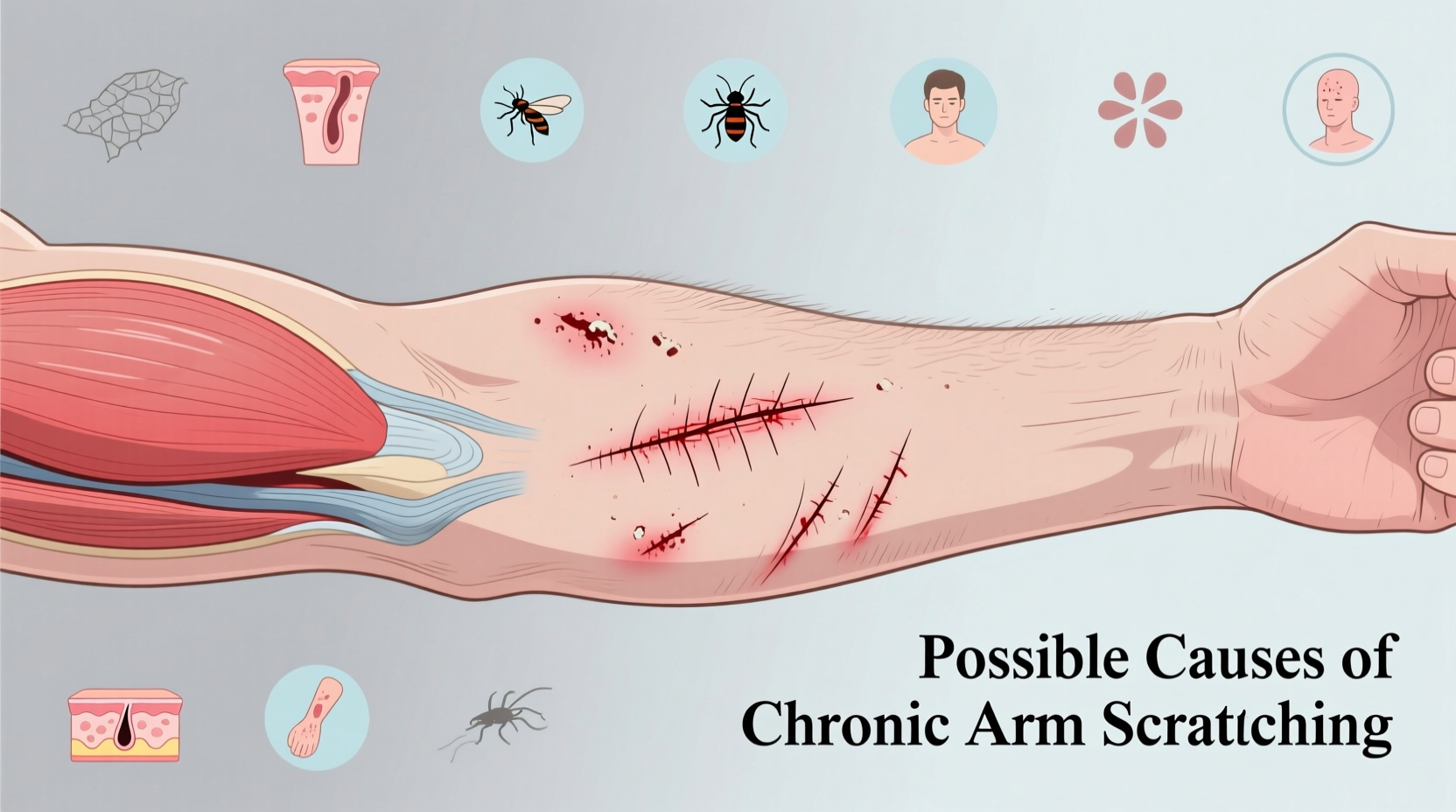
The most immediate place to look when evaluating frequent arm scratching is the skin itself. Several dermatological conditions can cause itching (pruritus), leading to repeated scratching as a reflexive response.
- Dry skin (xerosis): Especially common in colder months or low-humidity environments, dry skin can become flaky, tight, and itchy. The arms—particularly the forearms—are prone to dryness due to frequent exposure and washing.
- Eczema (atopic dermatitis): This chronic condition often appears as red, inflamed patches that itch intensely. It commonly affects the inner elbows and back of the arms. Eczema flare-ups can be triggered by irritants like soaps, detergents, or stress.
- Contact dermatitis: Caused by direct contact with an allergen or irritant such as poison ivy, nickel in jewelry, fragrances, or cleaning products. The reaction typically develops within hours or days and includes redness, bumps, and intense itching.
- Insect bites or infestations: Mosquito bites, bed bugs, or scabies mites can all cause localized or widespread itching. Scabies, in particular, leads to relentless nighttime itching and often affects areas between fingers, wrists, and elbows.
- Fungal infections: Ringworm (tinea corporis) can appear on the arms as circular, scaly rashes that are itchy and may spread if untreated.
Allergies and Environmental Triggers
Itching isn’t always due to visible skin changes. Sometimes, the trigger is systemic—originating from internal immune responses or external allergens.
Common allergy-related causes include:
- Seasonal allergies: While primarily associated with sneezing and congestion, allergic rhinitis can sometimes cause generalized itching or exacerbate existing skin conditions.
- Food sensitivities: Certain foods like shellfish, nuts, or dairy can provoke histamine release, leading to itchiness even without a full-blown rash.
- Medication side effects: Some drugs—including antibiotics, opioids, and blood pressure medications—list pruritus as a potential side effect.
- Laundry products: Residue from fabric softeners, dyes, or perfumed detergents can linger on clothing and irritate the skin over time.
“Many patients don’t realize that their ‘itchy arms’ are actually a delayed reaction to something they’re wearing or washing their clothes with.” — Dr. Lena Patel, Board-Certified Dermatologist
Identifying Allergic Patterns
To determine if allergies play a role, consider tracking:
- When the itching occurs (e.g., after laundry day, meals, or outdoor activity).
- New products introduced recently (shampoos, soaps, deodorants).
- Whether others in the household experience similar symptoms.
- Improvement after switching to hypoallergenic detergents or skincare products.
Psychological and Behavioral Factors
Not all scratching stems from physical discomfort. Habitual or stress-induced scratching is more common than many realize and falls under the umbrella of body-focused repetitive behaviors (BFRBs).
These include:
- Anxiety or stress: Scratching can be a self-soothing mechanism during periods of tension. Like nail-biting or hair-twirling, it provides temporary relief through tactile stimulation.
- OCD-related behaviors: In some cases, repetitive scratching may be linked to obsessive-compulsive tendencies, where the act feels “necessary” to relieve mental discomfort.
- Habitual dermatitis: Also known as neurodermatitis, this condition starts with a small itch but escalates due to repeated scratching, creating a cycle of inflammation and further itching.
- Boredom or distraction: People often scratch unconsciously while watching TV, working, or reading—similar to tapping a pen or fidgeting.
Unlike allergy-driven itching, psychological scratching may not correlate with visible skin issues initially. However, over time, the constant friction can lead to lichenification—thickened, leathery skin from chronic irritation.
Mini Case Study: Mark’s Nighttime Scratching
Mark, 34, began scratching his forearms every evening while unwinding on the couch. His partner noticed red marks and slight scarring but no rash. After ruling out eczema and allergies via patch testing, a behavioral therapist suggested anxiety-related habit formation. Mark had recently taken on a high-pressure job and reported increased stress levels. Through mindfulness exercises and using a textured bracelet as a sensory substitute, he reduced his scratching by 80% within six weeks.
Neurological and Systemic Health Conditions
In rarer cases, persistent itching can signal deeper health concerns beyond the skin. These systemic causes require medical evaluation.
| Condition | Description | Associated Symptoms |
|---|---|---|
| Liver disease | Certain liver disorders impair bile processing, leading to toxin buildup that causes generalized itching. | Jaundice, fatigue, dark urine |
| Kidney failure | Uremia (waste accumulation in blood) can cause severe pruritus, often worse at night. | Fatigue, swelling, changes in urination |
| Diabetes | Nerve damage (diabetic neuropathy) or poor circulation can lead to itchy skin, particularly on limbs. | Numbness, tingling, excessive thirst |
| Thyroid disorders | Both hypothyroidism and hyperthyroidism can affect skin moisture and nerve sensitivity. | Dry skin, weight changes, temperature sensitivity |
| Neuropathy | Nerve dysfunction may create phantom sensations like itching without a skin source. | Tingling, burning, numbness |
While these conditions are less common, they should be considered if:
- Itching is widespread and unexplained.
- There's no visible rash or skin abnormality.
- Symptoms persist despite topical treatments.
- Other systemic signs are present.
Step-by-Step Guide to Addressing the Issue
Instead of jumping to conclusions, follow this structured approach to identify and manage the cause of arm scratching:
- Observe and document: Note when, where, and how often the scratching occurs. Is it worse at night? After certain activities?
- Inspect the skin: Look for redness, rash, dryness, or signs of infection. Take photos over time to track changes.
- Review recent changes: New soap, detergent, diet, medication, or stressors could be contributing.
- Try conservative measures: Switch to fragrance-free products, use a humidifier, apply moisturizer, and trim fingernails to minimize skin damage.
- Introduce behavioral awareness: Gently remind your partner when scratching occurs. Consider alternatives like holding a stress ball or wearing soft cotton sleeves at night.
- Consult a healthcare provider: If no improvement in 2–3 weeks, see a dermatologist or primary care physician for evaluation.
- Request appropriate tests: Depending on suspicion, blood work (liver/kidney function, thyroid panel, glucose) or allergy testing may be warranted.
Checklist: What You Can Do Today
- Switch to unscented, hypoallergenic laundry detergent
- Apply fragrance-free moisturizer after showers
- Use a cool-mist humidifier in dry environments
- Encourage trimming fingernails to reduce skin trauma
- Keep a symptom journal for two weeks
- Suggest a doctor’s visit if scratching persists or worsens
Frequently Asked Questions
Is it normal to scratch occasionally?
Yes, occasional scratching is completely normal and part of everyday life. Everyone itches now and then due to minor irritants, dryness, or insect bites. Concern arises when scratching becomes frequent, intense, or leads to skin damage.
Can stress really make someone scratch their arms?
Absolutely. Stress activates the nervous system and can increase skin sensitivity. Many people develop unconscious habits like scratching, picking, or rubbing as coping mechanisms. Cognitive-behavioral strategies can be very effective in reducing these behaviors.
When should I worry about arm scratching?
Seek medical advice if the itching lasts more than a few weeks, spreads, disrupts sleep, or is accompanied by other symptoms like fatigue, weight loss, or changes in skin appearance. Open sores, bleeding, or signs of infection (pus, warmth, swelling) also require prompt attention.
Conclusion: From Observation to Action
Frequent arm scratching may seem like a minor quirk, but it can be a window into your boyfriend’s physical and emotional well-being. Whether it’s dry winter skin, an unnoticed allergy, or a subconscious response to stress, understanding the cause empowers you both to take meaningful steps toward relief.
Start with simple environmental adjustments and careful observation. If those don’t help, don’t hesitate to involve a healthcare professional. Early intervention prevents complications like infections or chronic skin changes. Most importantly, approach the topic with empathy—not criticism. Itchiness is rarely intentional, and support goes a long way in healing.




 浙公网安备
33010002000092号
浙公网安备
33010002000092号 浙B2-20120091-4
Comments
No comments yet. Why don't you start the discussion?