
It’s 2:30 PM. You’ve made it through the morning with coffee in hand, tasks checked off, and momentum on your side. Then comes the next meeting—another hour of screen time, discussion, and decision-making. But instead of contributing clearly, your thoughts feel thick, sluggish, like wading through mental mud. Sound familiar? This is brain fog, and it strikes most people at least occasionally during afternoon work hours. The good news: two surprisingly simple factors—hydration and light—play a major role in this phenomenon, and correcting them can bring rapid improvement.
Brain fog isn’t a medical diagnosis but a collection of symptoms including poor concentration, memory lapses, confusion, and reduced alertness. While stress, sleep quality, and diet contribute, many overlook the immediate impact of dehydration and inadequate light exposure. These are not background issues—they are dynamic, real-time influencers of cognitive performance. By understanding how they affect your brain and making small, strategic adjustments, you can stay sharp from morning until close of day.
The Science Behind Afternoon Brain Fog
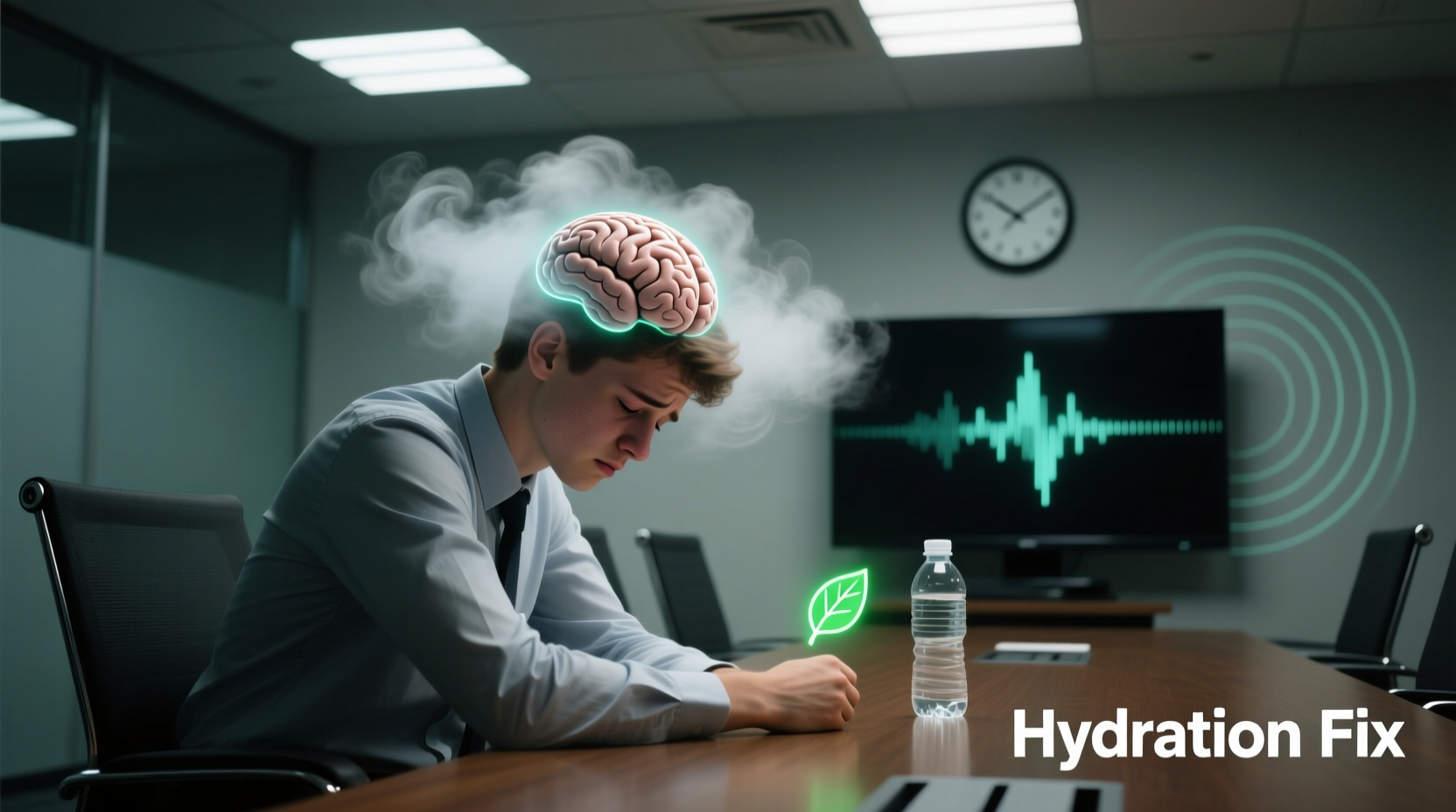
Your brain operates best within tight physiological parameters. Even minor deviations in hydration, oxygen delivery, or neurotransmitter balance can impair function. Around midday, several biological processes converge to increase the risk of cognitive decline:
- Circadian dip: Core body temperature drops slightly between 1–3 PM, signaling a natural lull in alertness.
- Post-lunch glucose spike and crash: Heavy meals cause insulin surges that can lead to fatigue.
- Reduced cerebral blood flow: Sitting for long periods limits circulation to the brain.
- Dehydration accumulation: Many people start the day already mildly dehydrated and fail to replenish fluids adequately.
- Insufficient daylight exposure: Office lighting often lacks the intensity and spectrum needed to sustain alertness.
Among these, hydration and light stand out because they are both easily modifiable and have immediate effects. Unlike changing your diet or fixing sleep (which take time), adjusting water intake or stepping into sunlight can produce noticeable clarity within minutes.
How Dehydration Impairs Cognitive Function
Even mild dehydration—defined as a 1–2% loss of body water—can significantly impair attention, memory, and executive function. Your brain is about 75% water. When fluid levels drop, brain tissue shrinks slightly, increasing pressure inside the skull and reducing electrical conductivity between neurons.
A 2012 study published in the Journal of Nutrition found that young women who were just 1.36% dehydrated after exercise reported increased fatigue, confusion, and difficulty concentrating. Men in a similar state showed degraded vigilance and short-term memory. Importantly, these changes occurred before thirst was even perceived—meaning you might already be cognitively impaired without realizing it.
Electrolyte imbalance compounds the issue. Sodium, potassium, and magnesium help maintain nerve signaling. When you lose fluids through sweat or under-drinking, electrolyte concentrations shift, disrupting neural communication. This is especially relevant if you consume diuretics like coffee or tea without balancing them with water.
The Role of Light in Sustaining Alertness
Light is not just for vision—it directly regulates your circadian rhythm via specialized cells in the retina called intrinsically photosensitive retinal ganglion cells (ipRGCs). These cells send signals to the suprachiasmatic nucleus (SCN), your brain’s master clock, which controls melatonin production, cortisol release, and alertness cycles.
Exposure to bright, blue-enriched light (especially in the morning and early afternoon) suppresses melatonin and boosts dopamine and serotonin—neurotransmitters linked to focus and mood. Conversely, dim or artificial lighting fails to stimulate this pathway effectively, allowing drowsiness to creep in.
“Light is the most powerful synchronizer of the human circadian system. Without sufficient daytime light, our brains default to a lower energy state.” — Dr. Jamie Zeitzer, Stanford Center for Sleep Sciences
Most office environments provide only 200–500 lux of illumination, while natural daylight ranges from 1,000 lux on a cloudy day to over 10,000 lux in direct sun. That massive difference explains why stepping outside—even briefly—can instantly clear mental haze.
Practical Fixes: Hydration and Light Strategies
You don’t need a complete lifestyle overhaul to combat afternoon brain fog. Small, consistent actions focused on hydration and light can make a dramatic difference. Here’s how to implement them:
Step-by-Step Guide to Optimize Hydration
- Start strong: Drink 12–16 oz of water upon waking to rehydrate after overnight fluid loss.
- Set hourly reminders: Use a smartwatch or app to prompt sipping every 60–90 minutes.
- Flavor naturally: Add lemon, cucumber, or mint to encourage consumption if plain water feels boring.
- Monitor urine color: Aim for pale yellow; dark yellow indicates dehydration.
- Balance electrolytes: Include a pinch of sea salt in water or eat potassium-rich foods (bananas, spinach, avocado).
- Limit diuretics: For every cup of coffee or black tea, drink an additional glass of water.
Step-by-Step Guide to Maximize Light Exposure
- Get morning sun: Spend 10–15 minutes outside within an hour of waking to set your circadian rhythm.
- Take walking meetings: Hold one-on-one discussions outdoors when possible.
- Schedule breaks near windows: Position yourself where natural light reaches you during downtime.
- Use a light therapy lamp: If natural light is limited, use a 10,000-lux SAD lamp for 20–30 minutes midday.
- Open blinds fully: Avoid closing shades unless necessary for glare.
- Change seating: Rotate desks or meeting rooms to access different light angles throughout the week.
Real-World Impact: A Mini Case Study
Sarah, a project manager at a tech firm in Chicago, struggled with consistent afternoon fatigue. Her team held critical planning sessions at 2:00 PM daily, but she often found herself zoning out, missing key details, or struggling to articulate ideas. She assumed it was due to poor sleep or stress.
After tracking her habits, she noticed two patterns: she drank less than 32 oz of water per day and spent nearly all daylight hours under fluorescent lights in a windowless conference room. On her doctor’s suggestion, she began drinking 64 oz of water daily and took a 15-minute walk outside after lunch.
Within three days, Sarah reported sharper focus and improved recall during meetings. By week two, she was regularly leading discussions instead of passively listening. “I didn’t realize how much my environment was working against me,” she said. “Now I schedule outdoor time like any other priority.”
Do’s and Don’ts: Quick Reference Table
| Hydration | Light Exposure |
|---|---|
| Do: Sip water consistently throughout the day | Do: Get 10+ minutes of natural daylight before noon |
| Do: Add electrolytes if sweating or consuming caffeine | Do: Use a light box if natural light is unavailable |
| Don’t: Rely solely on thirst as a cue to drink | Don’t: Spend entire workdays in dim or artificial light |
| Don’t: Chug large amounts right before a meeting (causes distraction) | Don’t: Wear sunglasses indoors or block natural light unnecessarily |
Frequently Asked Questions
Can drinking water really improve focus in just minutes?
Yes. Research shows that rehydrating after mild dehydration can improve reaction time, attention, and subjective alertness within 20–30 minutes. The brain responds quickly to restored fluid balance, particularly in regions involved in executive control.
Is artificial light ever sufficient for cognitive support?
Some high-intensity LED systems designed to mimic daylight (5,000–6,500K color temperature, 1,000+ lux) can help, but they are no substitute for natural sunlight. If using artificial light, position it above eye level to simulate overhead daylight and avoid flicker by choosing high-quality fixtures.
What if I work night shifts or in a basement office?
In low-light environments, prioritize timed light therapy. Use a 10,000-lux lamp for 20–30 minutes at the start of your shift and consider wearing blue-light-enhancing glasses. Maintain strict hydration routines and take micro-breaks every hour to move and refresh circulation.
Action Checklist: Beat Afternoon Brain Fog Today
- Fill a 64-oz water bottle each morning and aim to finish it by 5 PM.
- Step outside for 10 minutes between 10 AM and 2 PM, even if just to walk around the block.
- Replace one afternoon coffee with herbal tea and a glass of water.
- Open blinds or sit near a window during your next meeting.
- Install a circadian lighting app (like f.lux or Iris) to reduce blue light in evening hours and preserve nighttime sleep quality.
- Track your mental clarity for three days using a simple 1–5 scale before and after implementing hydration and light changes.
Conclusion: Take Control of Your Cognitive Clarity
Afternoon brain fog doesn’t have to be an inevitable part of your workday. It’s not just “normal tiredness”—it’s often a signal that your brain is lacking fundamental inputs: water and light. These aren’t luxury wellness tips; they are biological necessities for optimal cognition. By treating hydration and daylight exposure as non-negotiable elements of your productivity toolkit, you reclaim mental clarity, improve decision-making, and show up more fully in every meeting.




 浙公网安备
33010002000092号
浙公网安备
33010002000092号 浙B2-20120091-4
Comments
No comments yet. Why don't you start the discussion?