
Baking bread in a machine offers convenience and consistency, but nothing is more frustrating than opening the lid to find a sunken, dense loaf. A collapsed bread machine loaf can result from several factors—ranging from ingredient imbalances to incorrect machine settings. Understanding the science behind bread structure and fermentation helps identify root causes and apply targeted solutions. This guide breaks down the most common reasons for loaf collapse and provides actionable steps to troubleshoot and perfect your bread machine recipes.
Understanding Bread Structure and Collapse
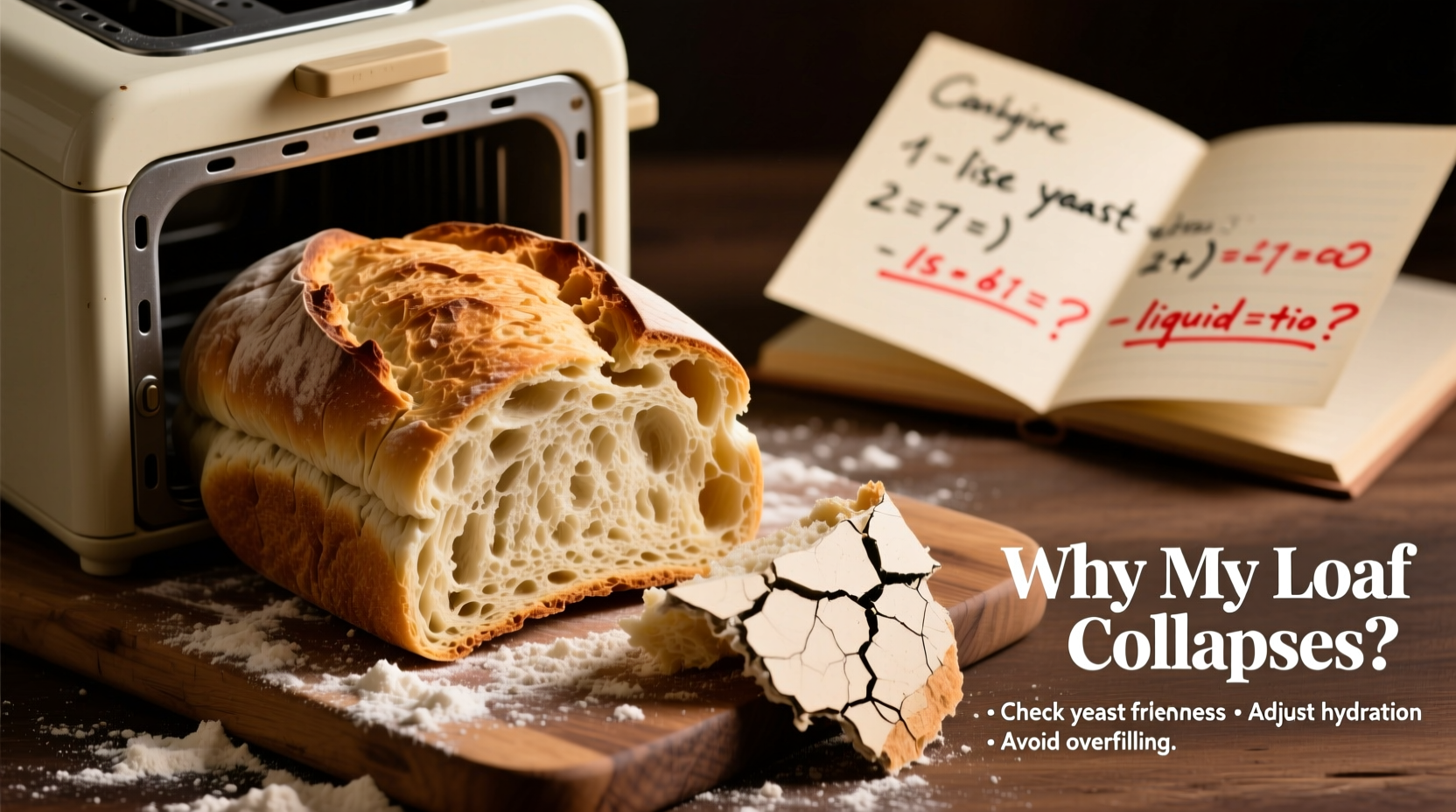
Bread rises due to carbon dioxide produced by yeast during fermentation. As the dough expands, gluten strands stretch and trap gas, forming a stable network that supports the loaf during baking. When this structure fails—either before, during, or after baking—the loaf collapses. In a bread machine, where mixing, rising, and baking occur in a sealed environment, timing and balance are critical.
A collapsed loaf typically sinks in the center, develops a gummy texture, or cracks deeply. These symptoms point to one or more underlying issues: over-rising, weak gluten development, excess moisture, or premature crust formation. Each factor disrupts the delicate equilibrium needed for proper oven spring and structural integrity.
Common Causes of Loaf Collapse
1. Too Much Yeast or Sugar
Excess yeast produces too much gas too quickly, causing the dough to over-expand early in the cycle. Once the structure can no longer support the volume, it collapses. Similarly, high sugar content feeds yeast aggressively, accelerating fermentation beyond optimal levels. Sweet bread settings account for this, but using a standard setting with a sweet recipe can lead to disaster.
2. Incorrect Flour Type or Amount
Flour provides gluten, the backbone of bread structure. Using low-protein flours like cake flour or not measuring accurately can weaken the dough. Conversely, too much flour makes the dough stiff and unable to expand properly, leading to stress fractures and collapse under its own weight.
3. Excess Liquid
Water or milk added beyond the ideal ratio creates a slack dough that lacks strength. While hydration affects crumb texture, excessive moisture prevents the dough from holding its shape during the final rise and bake. This is especially problematic in humid environments where flour absorbs ambient moisture.
4. Improper Machine Settings
Selecting the wrong cycle—such as using a light crust setting for a heavy whole grain loaf—can throw off baking time and temperature. Underbaking leaves the interior unsupported; overbaking dries out the crust prematurely, inhibiting expansion.
5. High Altitude or Humidity
At higher elevations, lower atmospheric pressure allows dough to rise faster, increasing collapse risk. Humid climates affect flour absorption, requiring less liquid. Without adjustments, these environmental factors destabilize the bake.
“Bread machine baking is precise chemistry. Even small deviations in ratios or timing can compromise the entire structure.” — Dr. Lydia Chen, Food Scientist and Baking Technologist
Troubleshooting Guide: Step-by-Step Fixes
Follow this systematic approach to diagnose and correct collapsing loaves. Start with one change at a time to isolate what works.
- Verify ingredient freshness: Test yeast by dissolving 1 tsp in ¼ cup warm water (105–110°F) with a pinch of sugar. It should foam within 5–10 minutes. Replace if inactive.
- Measure ingredients precisely: Use a digital scale for accuracy. Spoon flour into the measuring cup and level it—don’t scoop directly from the bag.
- Adjust liquid content: Reduce water or milk by 1–2 tablespoons if your kitchen is humid or if the dough appears wet and sticky during kneading.
- Use the right flour: Stick to bread flour for sandwich loaves (higher protein = stronger gluten). For whole wheat, mix in 50% bread flour to improve structure.
- Check the kneading stage: After 10 minutes of kneading, the dough should form a smooth ball that pulls away from the sides. If it sticks, add flour ½ tbsp at a time. If too dry, add water sparingly.
- Review cycle selection: Match the recipe to the correct setting. Use “Basic” for white or whole wheat, “Sweet” for enriched doughs, and “French” for low-sugar, crisp-crusted loaves.
- Inspect the pan and paddles: Ensure the kneading paddle is securely attached and centered. A loose or misaligned paddle creates uneven mixing, weakening gluten development.
Real Example: Fixing a Repeated Collapse
Sarah in Denver had been struggling with her weekly sourdough-style loaf sinking in the middle. She used a 100% whole wheat recipe with honey and buttermilk. Despite following instructions, the loaf rose beautifully mid-cycle, then deflated completely by the end. After reviewing her process, she realized three issues: she lived at 5,280 feet, used all-purpose flour, and hadn’t reduced the liquid for altitude. She switched to a 60/40 blend of bread and whole wheat flour, reduced buttermilk by 2 tablespoons, and decreased yeast by ¼ tsp. Her next loaf rose evenly and held its shape—no collapse.
Do’s and Don’ts: Quick Reference Table
| Do’s | Don’ts |
|---|---|
| Use fresh, active yeast stored in the freezer | Use expired or clumpy yeast |
| Weigh ingredients for consistency | Scoop flour directly from the bag (compacts it) |
| Add fats (butter, oil) and salt last | Mix salt directly with yeast (inhibits activation) |
| Choose the correct cycle for your recipe type | Use “Quick Bake” for large, dense loaves |
| Let the bread cool 10–15 minutes before removing | Remove the loaf immediately—steam trapped inside softens structure |
Recipe Adjustment Checklist
Use this checklist before starting your next bake to minimize failure risk:
- ✅ Confirm yeast is fresh and activated correctly
- ✅ Measure all ingredients by weight when possible
- ✅ Use bread flour for standard loaves unless specified otherwise
- ✅ Adjust liquid down by 1–2 tbsp in humid conditions
- ✅ Avoid doubling recipes unless your machine capacity allows it
- ✅ Ensure kneading paddle is clean and properly seated
- ✅ Select the appropriate crust color and cycle type
- ✅ Allow full cooling time before slicing to preserve crumb integrity
Frequently Asked Questions
Why does my loaf rise and then fall during the bake cycle?
This usually means the dough over-fermented during the final rise. The gluten structure stretched too thin and couldn’t withstand oven heat. Causes include too much yeast, excessive sugar, or a delayed bake phase due to a slow-heating machine. Try reducing yeast by ¼ teaspoon and ensure your machine’s heating element is functioning properly.
Can I use homemade sourdough starter in a bread machine?
Yes, but with adjustments. Sourdough ferments slower than commercial yeast. Use a “Manual” or “Dough” cycle to control rise times, and reduce starter hydration to match the recipe’s liquid ratio. Expect denser results unless you supplement with a small amount of instant yeast for reliable lift.
Is it normal for the top to crack?
Some cracking is normal and even desirable—it indicates good oven spring. However, deep, jagged splits or collapse around the crack suggest the crust formed too early, trapping expanding dough underneath. This often happens with too-high oven temperatures or insufficient steam. In a bread machine, ensure the vent is unobstructed so moisture can escape gradually.
Expert Tips for Long-Term Success
Consistency comes from understanding your machine’s behavior. Keep a baking journal noting ingredients, settings, weather, and outcomes. Over time, patterns will emerge that help you preempt problems. For example, you might notice that on rainy days, reducing water by a tablespoon prevents sogginess.
Also, consider upgrading to a machine with a viewing window and adjustable delay timers. These features allow you to monitor dough development and align baking with optimal room temperature. Machines with dual paddles provide better mixing for high-hydration or whole grain doughs, reducing the chance of weak spots.
Finally, resist the urge to open the lid during the cycle. Temperature drops from exposure can halt yeast activity and disrupt rise. Trust the process—most collapses happen due to internal imbalances, not unseen issues.
Conclusion: Bake with Confidence
A collapsed bread machine loaf isn’t a dead end—it’s feedback. Each failed bake reveals something about ingredient balance, environment, or machine performance. By methodically adjusting variables and learning your equipment’s quirks, you’ll turn frustration into mastery. The perfect loaf isn’t about perfection on the first try; it’s about persistence, precision, and patience.




 浙公网安备
33010002000092号
浙公网安备
33010002000092号 浙B2-20120091-4
Comments
No comments yet. Why don't you start the discussion?