
Baking bread at home should be a rewarding experience—golden crust, soft interior, the aroma filling your kitchen. But when your loaf turns out dense, flat, or barely rises, it’s frustrating. You followed the recipe, measured carefully, and still ended up with a brick. The truth is, bread-making is both art and science. Even small missteps can derail the rise. The good news? Most issues are fixable once you understand what went wrong. This guide dives into the most common reasons homemade bread fails to rise and gives you practical solutions to get consistent, airy results every time.
The Science Behind Bread Rising
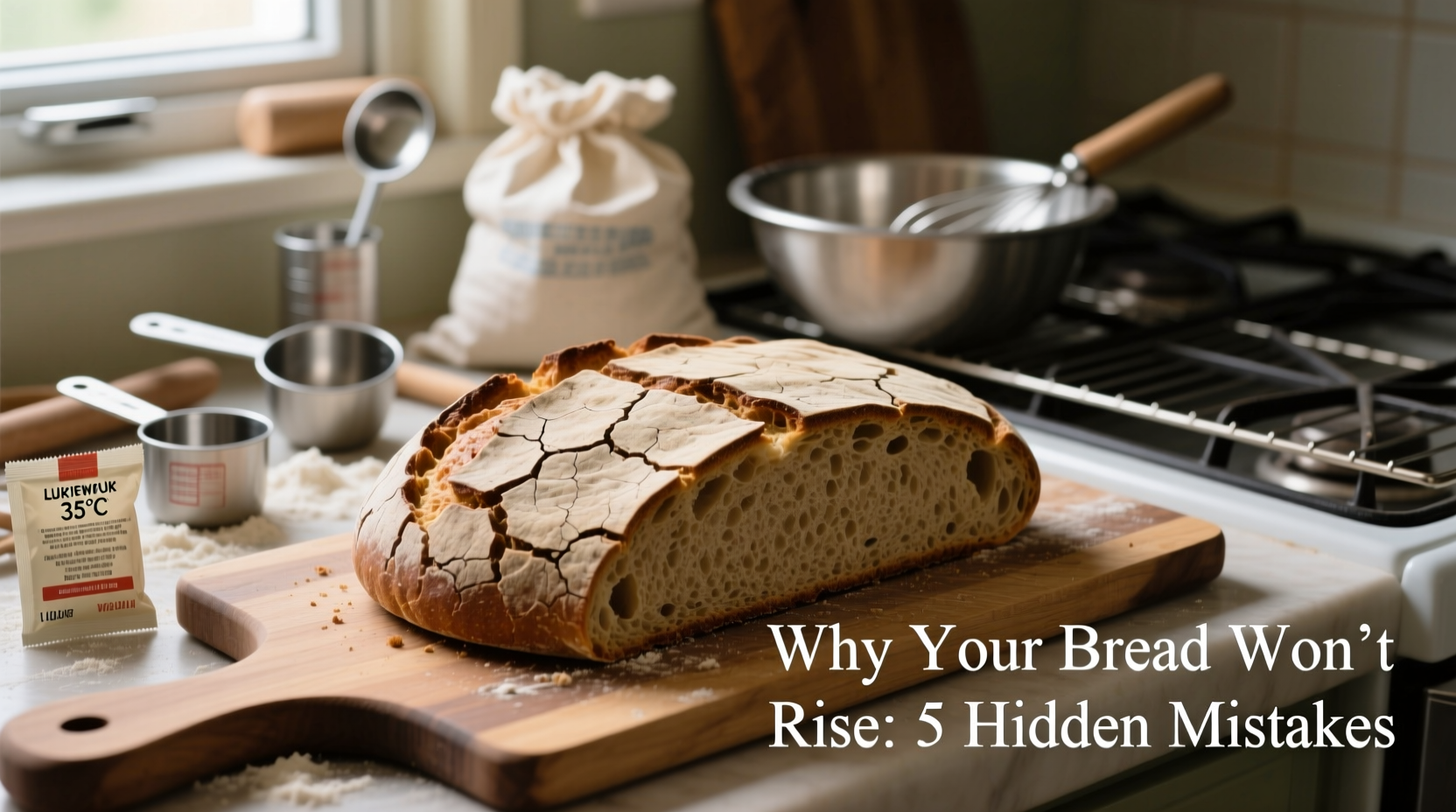
Bread rises because of fermentation—a process driven by yeast. When active dry or fresh yeast is mixed with warm water and food (usually sugar or flour), it consumes carbohydrates and releases carbon dioxide gas. These tiny bubbles get trapped in the gluten network formed during kneading, causing the dough to expand. Proper oven spring—the final burst of rise in the first few minutes of baking—completes the transformation into light, airy bread.
If any part of this chain breaks—dead yeast, weak gluten, cold environment, or improper handling—the dough won’t rise as expected. Understanding each component helps pinpoint where things go wrong.
“Yeast is alive. Treat it with care, and it will reward you with beautiful loaves.” — Daniel Leader, author of *Bread Alone*
Common Reasons Your Bread Isn’t Rising (And How to Fix Them)
1. Yeast Is Dead or Inactive
Yeast must be alive to produce gas. If it's old, improperly stored, or exposed to extreme temperatures, it dies before it even hits the flour.
Using water that’s too hot (>130°F) kills yeast instantly. Too cold (<95°F), and it won’t activate. Use a thermometer for accuracy. Also, check expiration dates—yeast lasts about 6 months unopened in the fridge, 3–4 months once opened.
2. Incorrect Water Temperature
Temperature affects yeast activity and gluten development. Cold water slows fermentation; boiling water kills yeast. For most recipes, aim for lukewarm water—between 105°F and 110°F.
| Water Temp | Effect on Yeast | Recommended? |
|---|---|---|
| Below 90°F | Very slow activation | No |
| 95–105°F | Optimal activation | Yes |
| 110–120°F | Risk of weakening yeast | Limited use |
| Above 130°F | Yeast dies | No |
In cooler kitchens, consider warming your mixing bowl with hot water first or using slightly warmer liquid (within safe range) to help kickstart fermentation.
3. Poor Gluten Development
Gluten forms when flour and water mix and are agitated (kneaded). It creates an elastic web that traps gas. Without sufficient gluten, bubbles escape instead of inflating the dough.
Under-kneading is a frequent culprit. Hand-knead for at least 8–10 minutes or machine-knead for 5–7 minutes until smooth, shiny, and pass the “windowpane test”: stretch a small piece thin enough to see light through without tearing.
Using low-protein flour (like cake flour) also limits gluten formation. Stick to bread flour (12–14% protein) for best structure. All-purpose works but may yield slightly denser results.
4. Inadequate Proofing Environment
Yeast thrives in warmth and humidity. A cold kitchen (below 68°F) dramatically slows rise times. Drafts from windows or AC units can chill dough mid-rise.
For consistent results, create a proofing box: place dough in a turned-off oven with a pan of boiling water on the rack below. Close the door. The steam and ambient heat create an ideal environment (~80–85°F).
Alternatively, microwave a cup of water for 1 minute, then place the covered dough inside with the warm cup. Replace water if doing a second rise.
5. Over-Proofing or Under-Proofing
Timing matters. Under-proofed dough hasn’t produced enough gas; over-proofed dough has weakened gluten and collapsed bubbles.
To test readiness, gently press a fingertip into the dough. If it springs back slowly and leaves a slight indentation, it’s ready. If it snaps back fast, it needs more time. If it doesn’t spring back and feels fragile, it’s over-proofed.
- First rise: Usually 1–2 hours at room temp, depending on yeast amount and temperature.
- Second rise: 30–60 minutes after shaping.
Cooler fermentation (e.g., overnight in the fridge) enhances flavor and control. Just remember: cold dough rises slower. Allow 12–16 hours for a cold bulk ferment.
Step-by-Step Guide to Guarantee Proper Rise
- Check your yeast. Proof it in warm water with sugar. No foam = replace it.
- Use correct water temperature. Aim for 105–110°F. Use a thermometer if unsure.
- Mix and knead thoroughly. Knead until smooth and elastic, passing the windowpane test.
- Choose the right flour. Use bread flour for better gluten development.
- Create a warm proofing space. Oven with boiling water, microwave trick, or near a radiator (not directly on it).
- Monitor rise time—not clock time. Use the finger poke test to assess readiness.
- Preheat your oven fully. Cold ovens reduce oven spring. Preheat at least 30 minutes.
- Score the loaf. A shallow cut on top allows controlled expansion during baking.
Real Example: Sarah’s Sourdough Struggles
Sarah had been trying to bake sourdough for months. Her starter bubbled nicely, but her loaves stayed flat and gummy inside. She followed online recipes exactly—same flour, same timing—but nothing worked.
After tracking variables, she realized two issues: First, her kitchen was only 64°F at night, so her bulk fermentation took 8 hours but never fully developed strength. Second, she wasn’t kneading enough—she relied solely on folding, which wasn’t building enough tension in her high-hydration dough.
She moved her dough to the oven-with-boiling-water setup and added one extra fold during bulk rise. On her next attempt, the dough doubled properly, held its shape, and rose beautifully in the oven. The result? A crackling crust and open crumb she’d been chasing for weeks.
Sarah’s story shows that even experienced bakers miss environmental factors. Success often lies in observation, not just following steps.
Troubleshooting Checklist
When your bread fails to rise, run through this checklist before starting over:
- ✅ Is the yeast fresh and properly activated?
- ✅ Was the water warm, not hot or cold?
- ✅ Did I knead long enough to develop gluten?
- ✅ Am I using bread flour or all-purpose?
- ✅ Is the room warm enough (ideally 70–80°F)?
- ✅ Did I let the dough rise until truly doubled, not just timed?
- ✅ Did I avoid drafts or sudden temperature changes?
- ✅ Was the dough shaped tightly to build surface tension?
- ✅ Did I preheat the oven and use steam (if required)?
- ✅ Was the loaf scored before baking?
Mark each item as you verify it. Over time, you’ll identify your personal weak points and refine your process.
Frequently Asked Questions
Can I use instant yeast instead of active dry?
Yes. Instant yeast doesn’t need proofing and can be mixed directly with dry ingredients. Use about 25% less than active dry (e.g., 1 tsp instant vs. 1¼ tsp active dry). Both work well, but proofing active dry gives you confidence it’s alive.
Why did my dough rise fine but collapse in the oven?
This usually means over-proofing. The gluten structure weakened during the final rise and couldn’t withstand oven spring. Next time, shorten the second proof and use the finger test. Also, ensure your oven is fully preheated—delayed heat causes delayed expansion, leading to collapse.
I’m using a sourdough starter. Why isn’t it rising?
Sourdough starters must be fed and ripe. Feed your starter 4–8 hours before baking so it’s at peak activity (doubled in size, bubbly, and tangy-smelling). An unfed or sluggish starter lacks strength. Also, sourdough naturally rises slower than commercial yeast—patience is key.
Expert Insight: Fermentation Matters More Than You Think
“The rise isn’t just about volume—it’s about flavor and texture. Slow, cool fermentation builds complexity and stronger dough structure.” — Ken Forkish, artisan baker and author of *Flour Water Salt Yeast*
Many home bakers rush the process, eager to see results. But quality bread benefits from time. A longer bulk ferment at cooler temperatures develops better flavor and a more resilient gluten matrix, making it easier for the dough to rise evenly and hold its shape.
Don’t fear longer timelines. A 16-hour cold ferment in the fridge often produces superior results to a 2-hour room-temperature rise.
Final Tips for Consistent Success
Beyond technique, consistency comes from attention to detail:
- Keep a baking journal. Note yeast brand, room temp, rise times, and outcomes. Patterns emerge over time.
- Weigh ingredients. Volume measurements vary. A gram-scale ensures precision, especially with flour.
- Don’t skip autolyse. Letting flour and water rest for 20–30 minutes before adding yeast and salt improves gluten development and reduces kneading time.
- Handle dough gently after rising. Puncturing too many bubbles deflates progress. Shape with care.
- Bake in a Dutch oven. Traps steam, mimicking professional ovens and boosting oven spring.
Conclusion
Bread that refuses to rise isn’t a lost cause—it’s a signal. Each failed loaf teaches you something about temperature, timing, technique, or ingredients. The most successful home bakers aren’t those who never fail, but those who diagnose, adjust, and try again. With the right knowledge and a methodical approach, you can overcome the most common rising issues and bake bread that’s not just edible, but exceptional. Start small: verify your yeast, control your environment, and trust the process. Your perfect rise is closer than you think.




 浙公网安备
33010002000092号
浙公网安备
33010002000092号 浙B2-20120091-4
Comments
No comments yet. Why don't you start the discussion?