
Breath that smells less than fresh is a common concern, but when bad breath persists despite diligent brushing, it can be frustrating—and confusing. You might brush twice a day, floss regularly, and use mouthwash, yet still catch whiffs of unpleasant odor when speaking or breathing close to your hand. The truth is, oral hygiene alone doesn’t always solve the problem. Bad breath, or halitosis, can stem from a range of factors beyond plaque buildup—some of which originate far from your mouth.
Understanding the root causes is the first step toward lasting freshness. From hidden pockets of bacteria to systemic health conditions, persistent bad breath often signals something deeper. This article explores the science behind lingering odor, identifies overlooked triggers, and offers practical, evidence-based solutions to restore confidence in your breath.
Hidden Causes Behind Persistent Bad Breath
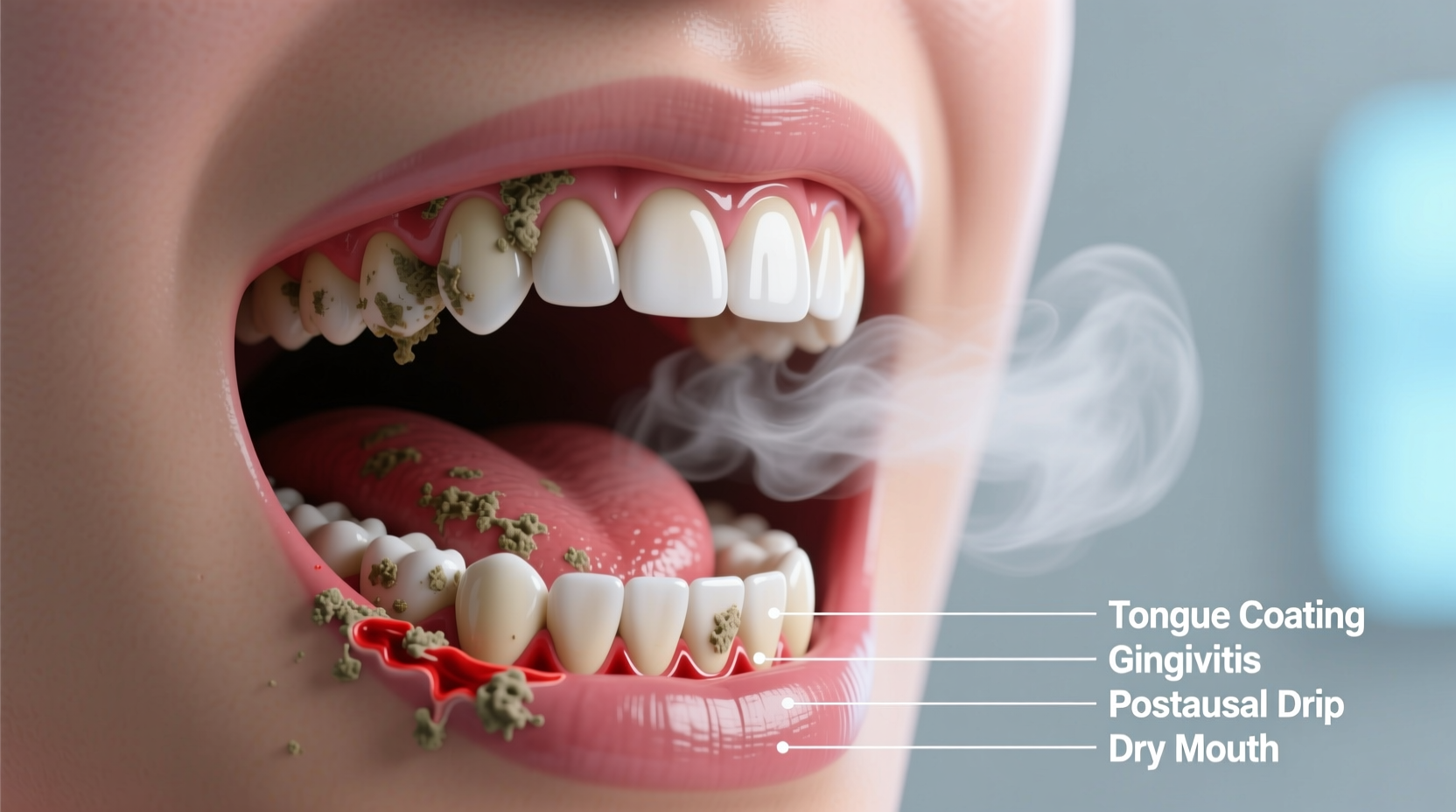
Brushing removes food particles and surface plaque, but it doesn’t reach every source of odor-causing bacteria. Volatile sulfur compounds (VSCs), produced primarily by anaerobic bacteria in the mouth, are the main culprits behind foul odors. These bacteria thrive in oxygen-poor environments such as:
- The back of the tongue, where papillae trap dead cells and debris
- Below the gumline in periodontal pockets
- Around unclean dental appliances like retainers or dentures
- In dry areas caused by reduced saliva flow
Even with clean teeth, these reservoirs remain active. Moreover, some causes aren't directly related to the mouth at all. Conditions affecting the sinuses, gastrointestinal tract, liver, or kidneys can manifest through breath odor.
Common Culprits Beyond Poor Brushing Habits
While inadequate brushing contributes to bad breath, many people maintain good routines and still struggle. Here are six lesser-known reasons why your breath may still stink:
- Dry Mouth (Xerostomia): Saliva naturally cleanses the mouth, neutralizing acids and washing away food particles. Medications, mouth breathing, alcohol-based mouthwashes, and dehydration reduce saliva production, creating an ideal environment for odor-producing bacteria.
- Tonsil Stones (Tonsilloliths): Small calcified formations in the tonsil crypts trap bacteria, mucus, and food debris. As they break down, they emit a strong, rotten-egg-like smell.
- Sinus and Respiratory Infections: Postnasal drip introduces mucus rich in proteins into the throat, which bacteria metabolize into foul-smelling compounds.
- Dietary Triggers: Foods like garlic, onions, coffee, and high-protein diets release odor-causing compounds absorbed into the bloodstream and exhaled through the lungs.
- Gastroesophageal Reflux Disease (GERD): Stomach acid and undigested food can regurgitate into the esophagus and mouth, contributing to sour or acidic breath.
- Systemic Diseases: Diabetes (fruity or acetone-like breath), liver failure (musty, \"fishy\" odor), and kidney disease (ammonia-like smell) can all affect breath chemistry.
When Oral Hygiene Isn’t Enough: A Real Example
Consider Sarah, a 34-year-old teacher who brushed and flossed religiously, used alcohol-free mouthwash, and visited her dentist every six months. Despite this, she received subtle hints from colleagues about her breath. After ruling out cavities and gum disease, her dentist referred her to an ENT specialist. An examination revealed chronic sinusitis with postnasal drip and small tonsil stones. Treating the sinus condition and manually removing the stones resolved her halitosis within weeks.
Sarah’s case illustrates how bad breath can persist due to non-dental sources—even in individuals with excellent oral care habits.
Effective Solutions That Go Beyond Brushing
To truly eliminate persistent bad breath, a comprehensive approach is necessary. Focus not only on the teeth but also on the entire oral and respiratory environment.
1. Clean Your Tongue Thoroughly
The tongue harbors more bacteria than any other surface in the mouth. Use a tongue scraper daily—preferably in the morning—to remove biofilm and debris from the posterior third of the tongue.
2. Stay Hydrated
Drinking water throughout the day stimulates saliva flow and helps flush away odor-causing particles. Aim for at least 8 glasses daily, more if you're active or live in a dry climate.
3. Choose the Right Mouthwash
Not all mouthwashes are equal. Avoid alcohol-based formulas, which can worsen dry mouth. Instead, opt for products containing chlorine dioxide, zinc ions, or cetylpyridinium chloride, which neutralize VSCs without disrupting oral flora.
4. Address Tonsil Stones
If you frequently notice small, foul-smelling white particles when coughing, you may have tonsil stones. Gargling with warm salt water can help dislodge them. For recurring cases, consult an ENT; laser cryptolysis or tonsillectomy may be considered in severe cases.
5. Manage Underlying Health Conditions
If bad breath coincides with symptoms like heartburn, frequent urination, fatigue, or nasal congestion, see a physician. Treating GERD, diabetes, or sinus infections often resolves associated breath issues.
“Halitosis is rarely just about brushing. It’s a symptom that requires investigation—not masking.” — Dr. Alan Wong, Board-Certified Halitologist
Action Plan: Step-by-Step Guide to Fresher Breath
Follow this 7-day protocol to identify and address the cause of your persistent bad breath:
- Day 1–2: Audit Your Routine
Track everything you eat, drink, and apply to your mouth. Note when odor is strongest. Check medications for side effects like dry mouth. - Day 3: Upgrade Your Tools
Switch to a soft-bristled toothbrush, add a tongue scraper, and replace alcohol-based mouthwash with a pH-balanced, antibacterial rinse. - Day 4: Hydration Focus
Drink one glass of water upon waking, before meals, and hourly during the day. Avoid excessive coffee and alcohol. - Day 5: Deep Clean Appliances
Soak retainers, night guards, or dentures in a non-abrasive cleaner. Rinse thoroughly before reinserting. - Day 6: Nasal and Sinus Check
Gargle with saline solution twice daily. If you suspect sinus issues, try a saline nasal spray. - Day 7: Professional Evaluation
Schedule a dental checkup focused on gum health and a possible referral to an ENT or primary care doctor if no oral cause is found.
Do’s and Don’ts: What to Avoid and Embrace
| Do’s | Don’ts |
|---|---|
| Scrape your tongue every morning | Use alcohol-based mouthwashes daily |
| Stay hydrated with water | Smoke or vape (dries mouth, increases bacteria) |
| Eat crunchy fruits and vegetables (e.g., apples, carrots) | Follow a very low-carb or keto diet without monitoring breath |
| Visit your dentist biannually for deep cleaning | Ignore bleeding gums or persistent coating on the tongue |
| Chew xylitol gum after meals | Rely solely on mints or sprays to mask odor |
Frequently Asked Questions
Can stomach problems really cause bad breath?
Yes. Gastroesophageal reflux disease (GERD) allows stomach contents, including acids and partially digested food, to rise into the esophagus and mouth. This can produce a sour or acidic odor. While the stomach is rarely the primary cause of chronic halitosis, persistent digestive issues should be evaluated by a gastroenterologist.
Why does my breath smell worse in the morning?
Morning breath is normal due to reduced saliva production during sleep, which allows bacteria to multiply unchecked. However, if the odor is unusually strong or lingers long after brushing, it may indicate underlying gum disease, dry mouth, or sleep apnea-related mouth breathing.
Are there tests to diagnose the cause of bad breath?
Yes. Dentists and halitosis clinics use tools like the Halimeter or gas chromatography to measure levels of volatile sulfur compounds in the breath. Organoleptic testing (a trained professional smelling and rating breath) is also used alongside clinical exams to pinpoint sources.
Final Checklist: Eliminate Bad Breath for Good
Use this checklist to ensure you’re covering all bases:
- ☑ Brush teeth and along the gumline for two minutes, twice daily
- ☑ Floss or use interdental brushes daily
- ☑ Scrape your tongue every morning
- ☑ Use an alcohol-free, antibacterial mouthwash
- ☑ Drink at least 8 glasses of water per day
- ☑ Clean dental appliances daily
- ☑ Avoid tobacco and limit coffee/alcohol
- ☑ Visit your dentist every six months
- ☑ Evaluate for dry mouth, sinus issues, or GERD if odor persists
Take Control of Your Breath—and Your Confidence
Persistent bad breath isn’t just a cosmetic issue—it can affect social interactions, self-esteem, and even professional opportunities. But it’s rarely a life sentence. By moving beyond brushing alone and addressing the full spectrum of potential causes, you can achieve lasting freshness. The key is consistency, awareness, and willingness to look beneath the surface.
Start today: pick one new habit from this guide—whether it’s tongue scraping, switching mouthwashes, or scheduling a dental deep cleaning. Small changes compound into significant results. And if the problem persists, don’t hesitate to seek expert help. Fresh breath isn’t just about minty flavor; it’s a sign of overall health and attention to detail.




 浙公网安备
33010002000092号
浙公网安备
33010002000092号 浙B2-20120091-4
Comments
No comments yet. Why don't you start the discussion?