
Candles are more than just sources of light—they evoke warmth, comfort, and ambiance. But nothing ruins the experience faster than a candle that burns down the center, leaving thick walls of wax untouched along the edges. This phenomenon, known as \"tunneling,\" not only wastes wax but shortens the candle’s lifespan and diminishes its fragrance throw. While frustrating, tunneling is both preventable and correctable. Understanding the science behind wax behavior, wick dynamics, and proper burning habits empowers you to enjoy every ounce of your favorite candle.
The Science Behind Candle Tunneling
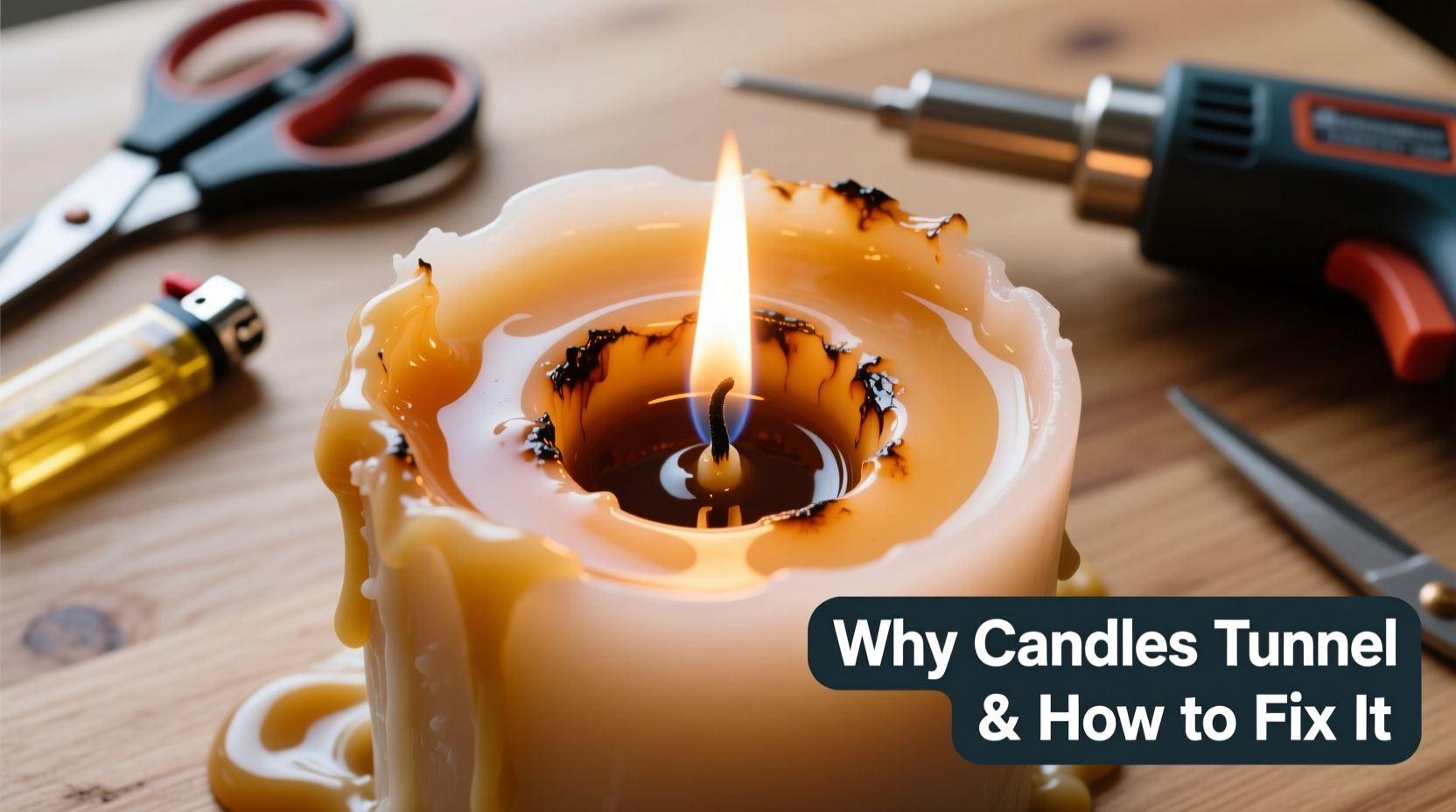
Candle tunneling occurs when the flame melts wax only in a narrow column around the wick, failing to reach the container's edges. Over time, this creates a deep well while the outer wax remains solid—essentially trapping usable material. The root cause lies in the physics of heat distribution and melt pool formation.
When a candle is lit for the first time, the wax surrounding the wick begins to liquefy, forming what’s called a \"melt pool.\" For an even burn, this pool must extend fully from the center to the edge of the container within the first burn session. If it doesn’t, subsequent burns will deepen the same central path, reinforcing the tunnel effect.
Manufacturers design candles with specific wicks, wax blends, and containers to achieve optimal performance. However, user habits often override these designs. A too-short initial burn, incorrect wick size, or poor ambient conditions can all disrupt the delicate balance needed for a full melt pool.
Common Causes of Candle Tunneling
Tunneling rarely results from a single factor. More often, it’s the cumulative effect of multiple missteps in candle care. Below are the most frequent culprits:
- Inadequate First Burn: The most common reason. Lighting a candle for less than two hours on the first use prevents the wax from melting completely across the surface.
- Trimmed Wick Too Short: A wick shorter than 1/4 inch produces a weak flame unable to generate sufficient heat to melt wax laterally.
- Wax Type and Quality: Some waxes (like paraffin) hold their shape longer than softer blends (soy or coconut). Poorly formulated candles may lack additives that promote even melting.
- Container Material: Thick glass or ceramic retains cold and slows heat transfer, making it harder for the melt pool to expand outward.
- Drafts or Cold Rooms: Airflow cools the wax unevenly and destabilizes the flame, reducing its ability to spread heat across the top layer.
- Overused or Mushroomed Wicks: Carbon buildup at the tip of the wick insulates the flame, weakening it over time.
“Candle tunneling is almost always user-induced. Even high-end candles fail if burned incorrectly.” — Daniel Reyes, Master Chandler & Founder of Luminary Artisan Co.
How to Fix a Tunnelling Candle
If your candle has already started tunneling, don't discard it prematurely. With patience and the right method, you can rescue most candles and restore their functionality.
Step-by-Step Guide: Repairing a Tunnelled Candle
- Extinguish and Cool: Put out the candle safely using a snuffer or damp spoon. Let it cool completely—this may take several hours.
- Remove Excess Wax: Use a butter knife or spoon to gently scoop out unburned wax from the tunnel. Save it for other uses like fire starters or wax refills.
- Trim the Wick: Cut the wick to 1/4 inch (6 mm), removing any carbon “mushroom” at the tip.
- Create a Foil Shield (Optional): Wrap aluminum foil loosely around the rim, letting it drape slightly into the well. This reflects heat inward, helping melt stubborn outer wax.
- Relight and Monitor: Light the candle and let it burn until a full melt pool forms—usually 3–4 hours depending on size. Never leave unattended.
- Repeat if Necessary: You may need to repeat this process over 2–3 sessions to fully recover the candle.
This method works best with container candles where the wick remains centered and accessible. Pillar or taper candles require different approaches due to structural differences.
Prevention Strategies for Long-Lasting Candles
Preventing tunneling is simpler—and far more effective—than fixing it. Adopting consistent, informed practices ensures each candle delivers maximum value and enjoyment.
Do’s and Don’ts of Candle Burning
| Do’s | Don’ts |
|---|---|
| Burn for 1 hour per inch of diameter on first use | Burn for less than 2 hours initially |
| Trim wick to 1/4 inch before each lighting | Use scissors not designed for wicks (risk of contamination) |
| Place candle away from drafts and vents | Burn near open windows or ceiling fans |
| Store unused candles in cool, dark places | Leave candles in direct sunlight or hot cars |
| Use a wick dipper to extinguish flames gently | Blow out candles aggressively (causes smoke and splatter) |
Real-World Example: Sarah’s Soy Candle Recovery
Sarah purchased a premium soy-blend candle in a wide mason jar. Excited to try it, she lit it during dinner—one hour—then blew it out. She repeated this pattern for five nights. By day six, the flame was barely visible beneath a growing wall of wax. Frustrated, she nearly threw it away.
After reading about tunneling, Sarah decided to try recovery. She removed excess wax with a spoon, trimmed the blackened wick, wrapped the rim with foil, and burned it for three uninterrupted hours. The next day, she repeated the process. By the third session, the melt pool reached the edges consistently. Over the following weeks, the candle performed flawlessly, lasting nearly its full advertised duration.
Sarah’s experience underscores a key truth: many people unknowingly sabotage their candles through good intentions—brief burns to “save” wax actually waste more in the long run.
Expert Tips for Optimal Candle Performance
Professional chandlers emphasize consistency above all. Here are advanced insights from industry experts:
- Rotate Your Collection: Avoid using one candle repeatedly without giving others a turn. This allows wax to reset and prevents memory rings.
- Understand Wax Memory: Candles “remember” their first melt pool. If the initial burn doesn’t reach the edges, future burns will follow that same limited path.
- Choose the Right Wick Size: When making or selecting candles, ensure the wick matches the wax type and container diameter. Too small = tunneling; too large = sooting and overheating.
- Avoid Overloading with Fragrance: Excessive fragrance oil can alter wax density and interfere with clean, even burning.
“The first burn sets the tone. Treat it like setting a foundation—it determines everything that follows.” — Lena Torres, Certified Candle Safety Instructor
Frequently Asked Questions
Can I prevent tunneling in tea lights or votives?
Tea lights and votives are typically enclosed in metal cups or designed to melt entirely, so tunneling isn’t usually an issue. However, if placed in holders that restrict heat flow, partial melting can occur. Always use appropriate sleeves and allow full burn cycles.
Is tunneling worse with soy candles compared to paraffin?
Soy wax has a lower melting point and tends to adhere more strongly to glass, which can make tunneling more noticeable. However, soy also burns cleaner and slower. Proper first-burn technique eliminates most issues regardless of wax type.
What if my wick dies after tunneling?
If the wick becomes submerged in liquid wax or fails to stay lit, carefully pour off excess melted wax, recenter the wick if possible, and trim it before relighting. In extreme cases, repurpose the remaining wax by melting it into a new container with a fresh wick.
Final Checklist: Ensuring Even Candle Burns
Follow this actionable checklist every time you use a container candle:
- Check wick length – trim to 1/4 inch if needed.
- Ensure the candle is on a level, heat-resistant surface.
- Remove dust or debris from the wax surface.
- Burn for 1 hour per inch of diameter (e.g., 3-inch candle = 3 hours).
- Confirm the melt pool reaches near the edges before extinguishing.
- Let the candle cool fully before relighting (minimum 2 hours).
- Repeat consistent burn times to maintain even performance.
Conclusion: Make Every Candle Count
Candle tunneling is a fixable problem rooted in simple oversights. By respecting the chemistry of wax and flame, and committing to disciplined burning habits, you can dramatically extend the life and beauty of every candle you own. Whether you're enjoying a cozy evening or gifting a hand-poured creation, proper care transforms a fleeting moment into a lasting ritual. Start tonight: check your current candle, assess its burn pattern, and apply these strategies. Your future self—and your collection—will thank you.




 浙公网安备
33010002000092号
浙公网安备
33010002000092号 浙B2-20120091-4
Comments
No comments yet. Why don't you start the discussion?