
Experiencing a vibration or shaking sensation through the steering wheel or brake pedal when slowing down is more than just an annoyance—it’s a warning sign. While many drivers immediately assume their brakes are failing, the root cause often comes down to specific wear patterns in either the brake rotors or brake pads. Understanding the difference between rotor-related and pad-related problems not only helps you communicate more effectively with mechanics but can also prevent unnecessary repairs and keep your vehicle safer on the road.
This guide breaks down the mechanical causes behind brake-induced shaking, explains how to distinguish between rotor warping and pad degradation, and provides actionable steps for diagnosis and repair. Whether you're hearing grinding noises, feeling pulsations, or noticing reduced stopping power, this information will help you make informed decisions about your braking system.
How Braking Systems Work: A Quick Overview
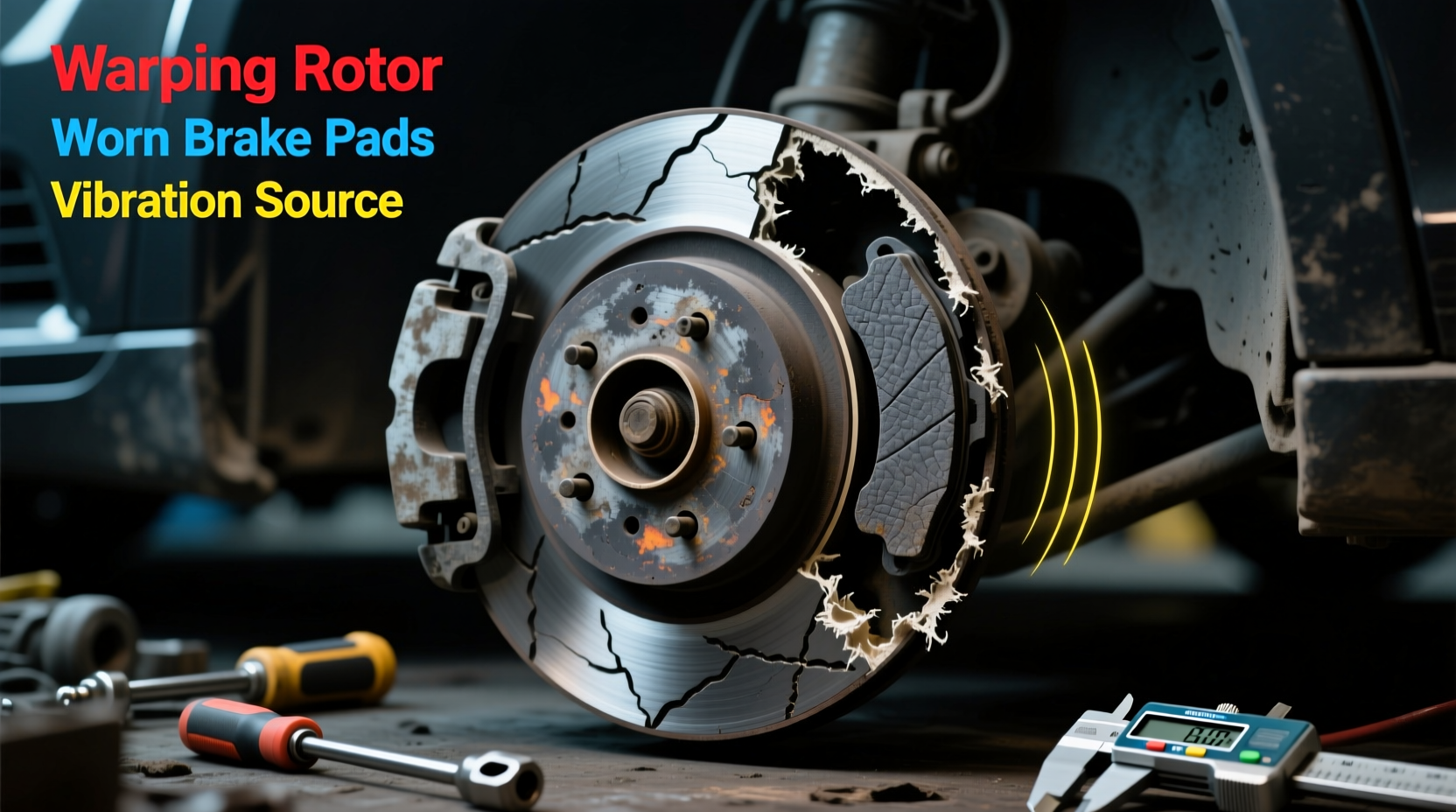
To understand why shaking occurs during braking, it's essential to know how disc brakes function. Most modern vehicles use a disc brake system at all four wheels (or at least on the front). When you press the brake pedal, hydraulic pressure forces the brake caliper to squeeze the brake pads against the rotor—a flat, circular metal disc attached to the wheel hub. The resulting friction slows the vehicle.
The effectiveness of this process depends on several factors:
- Even contact between pads and rotors
- Thermal stability of components under repeated stress
- Structural integrity of both rotors and pads
- Proper alignment and balance of rotating assemblies
When any part of this system becomes compromised—especially due to heat buildup, improper installation, or material fatigue—the result can be a noticeable shudder during deceleration.
Distinguishing Between Rotor and Pad Issues
Two common culprits behind brake shuddering are warped (or unevenly worn) rotors and degraded brake pads. Though they may produce similar symptoms, the nature of the vibration and associated clues differ significantly.
Symptoms of Warped Rotors
A \"warped\" rotor doesn’t necessarily mean it’s bent like a pretzel. Instead, thermal distortion leads to thickness variation across the surface—known as lateral runout. As the uneven rotor spins, each high spot contacts the pad differently, creating a rhythmic pulsing felt primarily in the brake pedal and sometimes through the steering wheel.
Key indicators include:
- Pulsation that increases with speed and disappears when not braking
- Vibration intensity tied directly to vehicle speed, not pedal pressure
- Noise such as squealing or scraping only during braking
- Visible blue tint or scoring on rotor surface (signs of overheating)
Symptoms of Worn or Glazed Brake Pads
Brake pads degrade over time. Excessive heat can cause them to glaze over, losing their friction coefficient. Alternatively, if the friction material wears unevenly or separates from the backing plate, inconsistent contact with the rotor creates judder.
Telltale signs of pad-related shaking:
- Shaking present even with light brake application
- Grinding or metallic scraping sounds independent of speed
- Reduced braking performance or longer stopping distances
- Asymmetric pad wear—one side thinner than the other
“Many customers come in convinced they need new rotors, but upon inspection, we find the real issue is seized calipers causing uneven pad wear.” — Carlos Mendez, ASE-Certified Master Technician
Step-by-Step Diagnosis Process
You don’t need a full mechanic’s garage to begin diagnosing brake issues. Follow this logical sequence to narrow down whether the problem stems from rotors, pads, or another component.
- Test Drive Under Controlled Conditions: Drive on a safe, straight road at 45–55 mph. Apply moderate brake pressure and note where the vibration is felt—steering wheel (front rotors), seat/floorboard (rear), or brake pedal (common with rotor runout).
- Inspect Brake Pedal Feedback: Is the pulsation rhythmic? Consistent with wheel rotation? If yes, suspect rotor thickness variation.
- Lift the Vehicle Safely: Use jack stands to raise each wheel. Spin the tire by hand and feel for resistance or wobble.
- Remove Caliper and Pad Assembly: With proper tools, dismount the caliper and remove the pads for visual inspection. Look for cracks, glazing, or uneven wear.
- Measure Rotor Thickness: Use a micrometer to check multiple points around the rotor. A variance exceeding 0.001 inches indicates excessive runout.
- Check for Runout with a Dial Indicator (if available): Mount the indicator to the suspension and rotate the rotor slowly. Any deviation over 0.002” suggests warping.
- Examine Caliper Slides and Pins: Sticky or corroded slides prevent even pad retraction, leading to drag and uneven wear.
Common Causes of Rotor Warping and Pad Degradation
Both rotors and pads fail prematurely due to avoidable conditions. Recognizing these triggers helps prevent recurrence after repair.
| Cause | Effect on Rotors | Effect on Pads |
|---|---|---|
| Aggressive Driving / Frequent Hard Braking | Heat buildup causes thermal stress and warping | Pads glaze over; friction layer degrades rapidly |
| Poor-Quality Replacement Parts | Thin castings warp easily under normal load | Inconsistent friction leads to grabbing and shudder |
| Improper Torque on Lug Nuts | Distorted mounting surface mimics warping | Indirect effect via rotor instability |
| Stuck Caliper Slide or Piston | Uneven pad contact causes hot spots and ridges | One pad drags, wears faster, creates imbalance |
| Driving Through Deep Water After Hot Brakes | Sudden cooling induces cracking or warping | Moisture reduces grip temporarily; long-term rusting |
Mini Case Study: Sarah’s Highway Shudder
Sarah, a daily commuter in Denver, began noticing a rhythmic throb in her steering wheel every time she braked above 40 mph. Initially mild, the shake worsened over three weeks. She visited a quick-lube shop that recommended replacing all four rotors and pads—costing nearly $800.
Unconvinced, she sought a second opinion. A trusted independent mechanic lifted the car and spun the front wheels. He found no visible damage to the rotors but noticed one front caliper wasn’t retracting properly. After cleaning and lubricating the slide pins, he measured rotor runout: just 0.0015”, within acceptable limits. The original pads still had 40% life left.
The fix? $35 in labor and a $12 grease kit. The vibration disappeared. This case highlights how misdiagnosis—often driven by upselling—is common without proper testing.
Do’s and Don’ts: Maintaining Brake Health
Prevention is always better than costly repairs. Use this checklist to extend the life of your braking system and avoid shaking issues before they start.
| Do’s | Don’ts |
|---|---|
| Rotate tires regularly and check lug nut torque | Never ignore early signs of vibration or noise |
| Use OEM or high-quality aftermarket rotors and pads | Don’t use impact wrenches to tighten lug nuts without a torque wrench follow-up |
| Allow brakes to cool after heavy use (e.g., mountain driving) | Avoid riding the brake downhill—use engine braking instead |
| Inspect brake components during oil changes | Don’t flush brake fluid only when problems arise—replace every 2 years |
| Lubricate caliper slides during pad replacements | Don’t mix different pad compounds on the same axle |
Frequently Asked Questions
Can new brake pads cause shaking?
Yes, improperly installed or low-quality pads can cause vibration. If pads aren’t seated correctly, or if the backing plate has adhesive failure, contact with the rotor becomes uneven. Additionally, some ceramic pads require a break-in period (typically 300–500 miles of varied braking) to achieve optimal performance.
Is it safe to drive with a shaking brake pedal?
While occasional minor pulsation may not indicate immediate danger, persistent shaking should never be ignored. It can point to significant rotor wear, caliper malfunction, or even suspension issues. Continued driving risks increased stopping distances, further component damage, and potential brake failure under emergency conditions.
Should I replace rotors and pads together?
It’s strongly recommended. New pads on old, grooved rotors will wear unevenly from day one. Conversely, reused pads on fresh rotors can transfer old wear patterns and reduce effectiveness. Replacing both ensures consistent contact, optimal performance, and longer service life.
Final Checklist Before Repair or Replacement
Before authorizing any brake work, complete this verification list to ensure accuracy and value:
- ✅ Confirm vibration occurs only during braking
- ✅ Identify location of shake: steering wheel (front), floorboard (rear)
- ✅ Measure rotor thickness and runout at multiple points
- ✅ Inspect pads for glazing, cracking, or uneven wear
- ✅ Check caliper movement and slide pin lubrication
- ✅ Verify lug nuts were torqued correctly with a calibrated tool
- ✅ Rule out tire imbalance or bent wheel as alternative causes
Conclusion: Take Control of Your Brake Safety
A shaky brake pedal isn’t something to adapt to—it’s a signal demanding attention. Whether the culprit is a warped rotor, glazed pad, or a seized caliper, early and accurate diagnosis saves money, improves safety, and preserves your vehicle’s performance. Don’t rely solely on generic service recommendations; ask questions, request measurements, and understand what’s being replaced and why.
Your brakes are your most critical safety system. By learning the difference between rotor and pad issues, you empower yourself to make smarter maintenance choices. Schedule a professional inspection today, or perform your own checks using the steps outlined here. Share your experience in the comments—your insight could help another driver avoid a costly mistake.




 浙公网安备
33010002000092号
浙公网安备
33010002000092号 浙B2-20120091-4
Comments
No comments yet. Why don't you start the discussion?