
If your steering wheel, brake pedal, or entire vehicle vibrates when you apply the brakes, it’s more than just an annoyance—it’s a warning sign. Brake-related shaking is one of the most frequently reported issues among drivers, and while it may seem minor at first, it can point to serious mechanical problems. Left unattended, these issues compromise stopping power, accelerate wear on critical components, and increase the risk of accidents.
Understanding why this happens allows you to respond quickly and appropriately. The root cause typically lies within the braking system, though in some cases, suspension or alignment issues contribute. This guide breaks down the most common reasons for brake-induced shaking, how to identify each one, and what steps you should take next.
Warped Brake Rotors: The Most Common Culprit
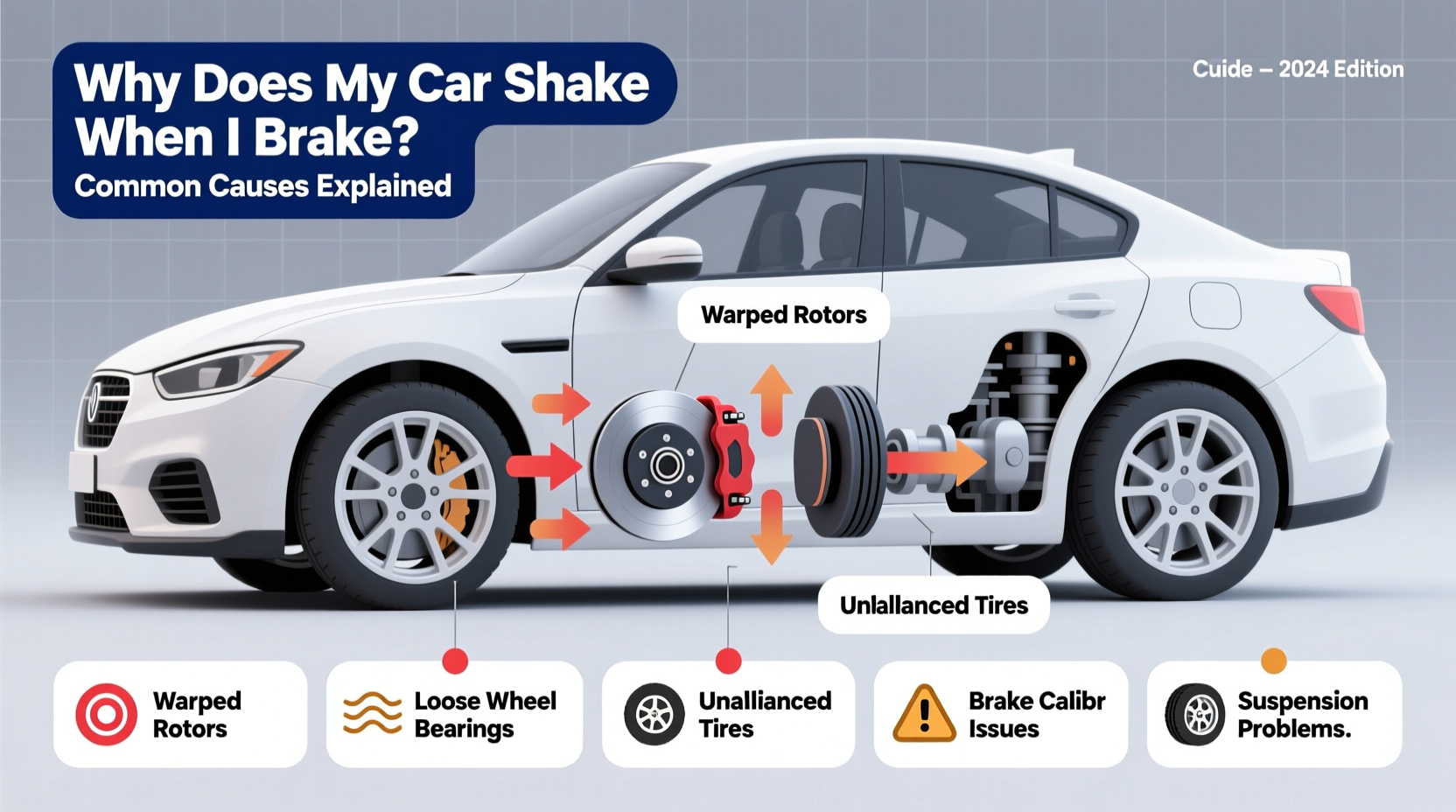
Brake rotors are smooth, flat metal discs that rotate with your wheels. When you press the brake pedal, the brake pads clamp down on these rotors to slow the vehicle. Over time, excessive heat from repeated braking—especially during aggressive driving or frequent highway use—can cause rotors to warp or become unevenly worn.
A warped rotor doesn’t make even contact with the brake pads. As the wheel spins, the uneven surface creates a pulsing sensation through the steering wheel (if front rotors are affected) or the seat and floorboard (if rear rotors are involved). This pulsation intensifies as speed increases and becomes most noticeable during moderate to heavy braking.
Contrary to popular belief, rotors don’t “warp” like a bent CD due to heat alone. Modern rotors are designed to withstand high temperatures. Instead, thickness variation—called rotor runout—develops from uneven wear, material transfer (from brake pads), or improper torque on lug nuts. Mechanics measure runout using a dial indicator; anything beyond 0.001 inches usually requires resurfacing or replacement.
Stuck Brake Calipers: When Brakes Stay Engaged
The brake caliper houses the piston and brake pads and slides over the rotor when braking. A stuck or seized caliper fails to release fully after you lift off the brake pedal, causing constant friction. This leads to overheating, accelerated pad and rotor wear, and vibration under braking.
Symptoms of a sticking caliper include:
- Shaking only when braking, but sometimes a lingering smell of burnt brakes
- Vehicle pulling to one side while braking
- Reduced fuel efficiency due to drag
- Discoloration or glazing on one rotor compared to others
Calipers stick due to corroded slide pins, damaged rubber boots, or internal piston seizure. In many cases, cleaning and lubricating the slide pins restores proper movement. However, if the piston is damaged or the caliper body is cracked, replacement is necessary.
“Over 30% of brake vibration complaints we see stem from binding calipers, not rotors. Always inspect caliper operation before assuming the rotors are bad.” — Mark Reynolds, ASE-Certified Master Technician
Uneven Brake Pad Wear or Glazing
Brake pads must wear evenly across their surface to maintain consistent contact with the rotor. If one section wears faster than another, or if the pad material hardens due to overheating (a condition known as glazing), it creates an inconsistent friction surface.
Glazed pads often result from prolonged braking on steep hills, towing heavy loads without downshifting, or repeatedly riding the brakes in traffic. The surface becomes shiny and glassy, reducing grip and creating judder during stops.
Similarly, contaminated pads—exposed to oil, grease, or brake fluid—can lead to uneven grabbing. This erratic contact causes the vehicle to shudder, particularly at lower speeds.
To check for pad issues, a visual inspection through the wheel spokes (on vehicles with open-wheel designs) can reveal uneven thickness or discoloration. For accurate assessment, the wheel must be removed.
What You Can Do: DIY Pad Inspection Checklist
- Lift and secure the vehicle safely using jack stands.
- Remove the wheel to access the brake assembly.
- Measure pad thickness with a ruler or caliper—replace if under 3mm.
- Look for cracks, glazing (shiny surface), or missing chunks.
- Check for oil or fluid contamination on the pad surface.
- Ensure both pads in the caliper are wearing evenly.
Tire and Wheel Issues That Mimic Brake Problems
Not all shaking during braking originates in the brake system. Tire imbalance, separated tread, bent wheels, or loose lug nuts can produce similar symptoms. These issues often cause vibration at certain speeds, which may worsen when braking due to increased load on the suspension.
For example, a slightly bent rim won’t wobble noticeably at low speeds, but under braking force, the deformation amplifies vibration. Similarly, a tire with internal belt separation may appear normal but create rhythmic shaking when decelerating.
To differentiate between brake and tire-related shaking:
- Brake-related vibration is directly tied to pressing the pedal and disappears when coasting.
- Tire/wheel vibration often persists regardless of braking and may increase steadily with speed.
- Steering wheel shake at 55–70 mph that improves when braking slightly suggests tire imbalance.
If the shake occurs only when braking, the brakes are likely the source. But if vibration happens while cruising and gets worse under braking, consider a tire or suspension issue.
Comparison Table: Brake Shake vs. Tire Vibration
| Symptom | Brake System Issue | Tire/Wheel Issue |
|---|---|---|
| Vibration only when braking | ✔️ Likely (warped rotor, stuck caliper) | ❌ Unlikely |
| Vibration at steady speed (e.g., 60 mph) | ❌ Rare | ✔️ Likely (imbalance, bent rim) |
| Pulsation felt in steering wheel | ✔️ Front brake problem | ✔️ Possible (front tire defect) |
| Shake felt in seat/floor | ✔️ Rear brake issue | ✔️ Rear tire or driveshaft problem |
| Noise during braking (squeal, grind) | ✔️ Common | ❌ Not typical |
Suspension and Alignment Factors
While less common, worn suspension components can amplify or contribute to brake vibration. Parts like control arm bushings, ball joints, and tie rod ends absorb road shock and stabilize the wheel. When they wear out, the wheel gains unwanted movement—called play—which disrupts consistent brake contact.
For instance, a loose ball joint may allow the rotor to tilt slightly during braking, creating intermittent contact with the pads. This irregular engagement mimics rotor warping. Similarly, misaligned wheels increase drag on one side, leading to uneven heating and premature rotor distortion.
A thorough diagnosis should include a suspension inspection, especially if brake service hasn’t resolved the shaking. Mechanics typically perform a “wiggle test” by lifting the vehicle and checking for wheel movement when tugging side-to-side and top-to-bottom.
Real-World Example: Sarah’s Highway Shudder
Sarah, a delivery driver in Colorado, began noticing her SUV vibrating at highway speeds when she slowed down. Initially, she assumed her tires were unbalanced. She had them rotated and balanced twice, but the issue returned within weeks.
She took the vehicle to a trusted mechanic, who discovered that the front rotors were severely worn and had developed significant runout—over 0.003 inches. Further inspection revealed that the right front caliper slide pin was seized due to dried-up lubricant and dirt buildup. The caliper wasn’t releasing fully, causing the rotor to overheat and warp asymmetrically.
After replacing both front rotors and pads, cleaning and lubricating the caliper slides, and performing a full front-end alignment, the vibration disappeared. Sarah now schedules brake inspections every 15,000 miles, recognizing that frequent stop-and-go driving accelerates wear.
Step-by-Step: How to Diagnose Brake Shaking at Home
You don’t need a garage to begin diagnosing brake vibration. Use this sequence to narrow down the cause before visiting a shop:
- Observe when the shake occurs: Does it happen only when braking? At specific speeds? Only under hard stops?
- Note where you feel it: Steering wheel = likely front brakes. Seat/floor = possibly rear brakes or drivetrain.
- Listen for noises: Grinding suggests worn pads; squealing may indicate glazed pads or debris.
- Inspect visually: Look through wheel spokes for obvious rotor rust, scoring, or uneven pad wear.
- Check tire condition: Look for bulges, uneven tread wear, or curb damage on rims.
- Test without braking: Drive at the problematic speed and release the accelerator. If vibration remains, suspect tires or bearings.
- Document findings: Take notes or photos to share with your mechanic—this saves diagnostic time and cost.
Frequently Asked Questions
Can I continue driving if my car shakes when braking?
Short-term driving is possible, but not advisable. Shaking indicates reduced braking efficiency and potential component failure. Continuing to drive risks damaging other parts (like calipers or wheel bearings) and compromises safety. Schedule an inspection as soon as possible.
How much does it cost to fix brake-related shaking?
Costs vary based on the cause:
- Rotors resurfaced: $50–$100 per axle
- Rotors replaced: $150–$300 per axle (parts + labor)
- Caliper repair/replacement: $200–$600 depending on model
- Full brake service (pads + rotors): $300–$700 average
Will new brake pads stop the shaking?
Not if the rotors are warped or uneven. New pads will simply conform to the flawed rotor surface, perpetuating the vibration. Always inspect rotors when replacing pads. Resurfacing or replacement is often required to restore smooth braking.
Final Thoughts: Don’t Ignore the Warning
Brake-induced shaking isn’t something to adapt to or ignore. It’s a clear signal that your vehicle’s stopping system needs attention. Whether it’s warped rotors, a seized caliper, or worn suspension, early intervention prevents escalation, saves money, and ensures your safety and that of others on the road.
Regular maintenance, proper driving habits (like avoiding riding the brakes downhill), and timely inspections go a long way in preventing these issues. If you’ve noticed vibration during braking, don’t wait for it to worsen. Take action now—your next stop could depend on it.




 浙公网安备
33010002000092号
浙公网安备
33010002000092号 浙B2-20120091-4
Comments
No comments yet. Why don't you start the discussion?