
If you’ve ever turned on your car’s air conditioning only to be greeted by a sour, vinegary odor, you’re not alone. This issue affects thousands of drivers every year and can make even short drives uncomfortable. While the smell may seem minor at first, it often signals an underlying problem with your vehicle’s HVAC system. Left unaddressed, it can lead to worsening odors, reduced air quality, and even health concerns for sensitive individuals.
The good news is that the vinegar-like smell is usually fixable without expensive repairs. Understanding the root cause—typically microbial growth in the AC evaporator—is the first step toward eliminating it. With proper maintenance and a few simple techniques, you can restore fresh, clean air to your cabin and keep it that way.
Why Your Car Smells Like Vinegar: The Science Behind the Stench
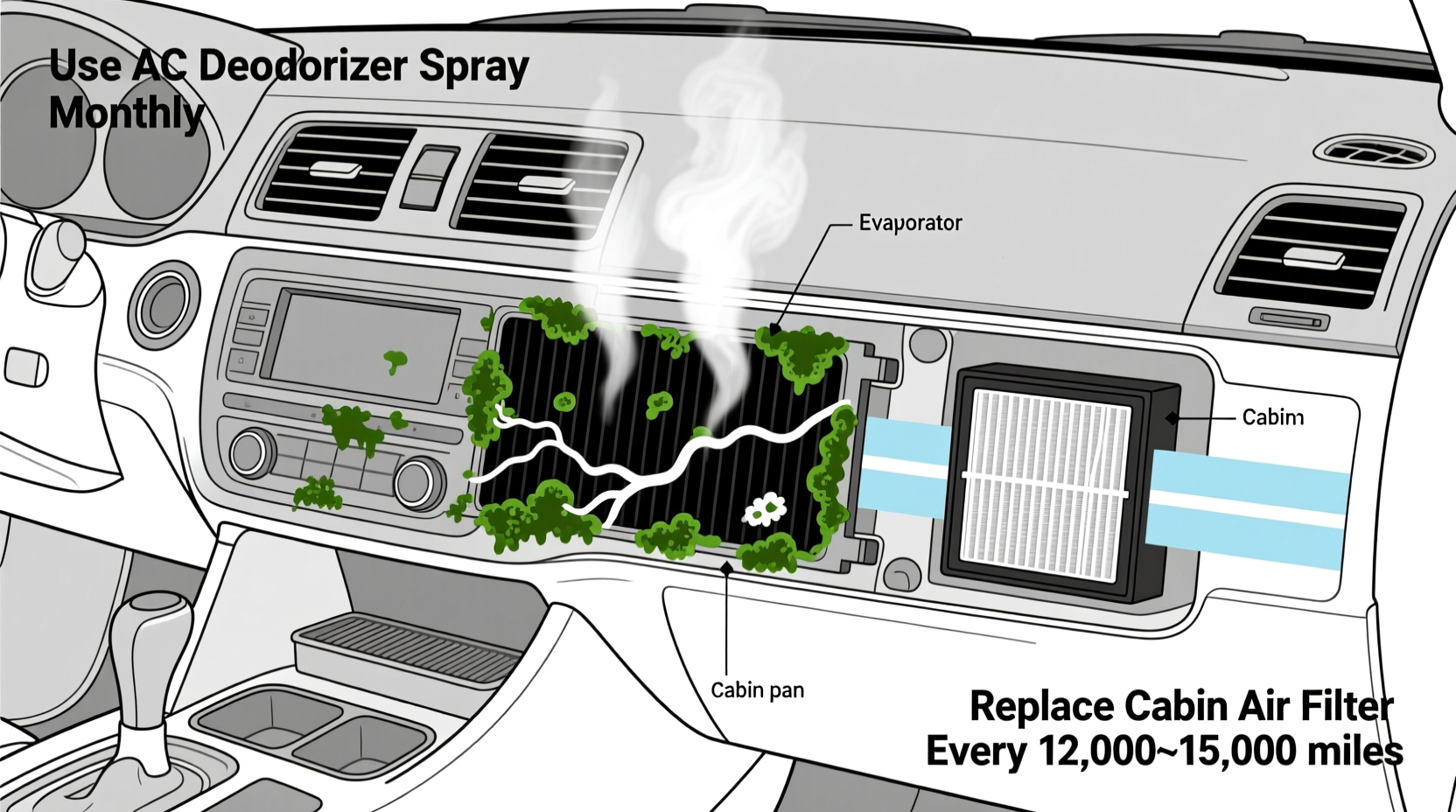
The most common reason for a vinegar-like odor when using your car’s AC is bacterial or fungal growth inside the evaporator core. As the AC runs, moisture condenses on the cold evaporator coils—this is normal. However, if the moisture doesn’t fully drain or dry out, it creates a damp environment ideal for mold, mildew, and bacteria to thrive.
These microorganisms break down organic matter (like dust, pollen, and skin cells) that enter through the cabin air filter. During this decomposition process, they release volatile organic compounds (VOCs), including acetic acid—the same compound responsible for the sharp smell of vinegar. That’s why you don’t just smell “mold,” but something distinctly sour and acidic.
Additional contributing factors include:
- Clogged drain tube: Prevents condensation from exiting the system, leading to standing water.
- Dirty cabin air filter: Allows more debris into the HVAC system, feeding microbial colonies.
- Infrequent AC use: Prolongs dampness inside the system, encouraging microbial growth.
- High humidity climates: Increase condensation and reduce drying time between uses.
“Microbial contamination in automotive HVAC systems is a widespread issue, especially in humid regions. The resulting odors are not just unpleasant—they can trigger allergies and respiratory irritation.” — Dr. Alan Pierce, Indoor Air Quality Researcher, National Automotive Health Institute
Step-by-Step Guide to Eliminate the Vinegar Smell
Removing the odor requires targeting both the visible symptoms and the hidden source within the AC system. Follow this detailed procedure to effectively clean and deodorize your vehicle’s HVAC components.
- Turn off the AC and run the fan on high with outside air mode. Do this for 5–10 minutes before turning off the engine. This helps dry out residual moisture in the evaporator case.
- Replace the cabin air filter. A clogged or dirty filter restricts airflow and traps contaminants. Locate the filter (usually behind the glovebox or under the dashboard) and install a new one according to your owner’s manual.
- Vacuum the interior vents. Use a soft brush attachment to remove surface dust and debris from dashboard and floor vents. This prevents loose particles from being drawn deeper during cleaning.
- Use an HVAC disinfectant spray. Purchase an ozone-safe, non-corrosive AC vent cleaner designed for automotive use. Start the engine, set the fan to high, and switch to recirculation mode. Spray the product into the exterior air intake (usually near the base of the windshield). Let the system distribute the solution for 5–10 minutes.
- Repeat the drying cycle. After treatment, turn off recirculation and run the fan on high with outside air for another 10 minutes to flush out residue and dry internal components.
- Inspect the AC drain tube. If the smell persists, locate the evaporator drain (a rubber hose typically protruding from the firewall or undercarriage). Check for blockages and clear it with compressed air or a thin wire.
Prevention Checklist: Keep Your AC Fresh Long-Term
Eliminating the smell is only half the battle. Preventing recurrence is key to maintaining a healthy, pleasant cabin environment. Use this checklist as a monthly or seasonal guide:
- ✅ Replace the cabin air filter every 12,000–15,000 miles (or annually)
- ✅ Run the fan on high with outside air for 5–10 minutes before shutting off the engine
- ✅ Clean interior vents quarterly with a damp cloth and mild detergent
- ✅ Avoid using recirculation mode excessively, especially in humid weather
- ✅ Park in shaded or covered areas when possible to reduce interior heat and moisture
- ✅ Use UV-C HVAC sanitizing tools twice a year for deep microbial control
- ✅ Inspect the AC drain tube annually for clogs or damage
When Cleaning Isn’t Enough: Mechanical Issues to Consider
Sometimes, persistent odors indicate a mechanical fault rather than just biological growth. These issues require professional diagnosis and repair:
| Issue | Symptoms | Action Required |
|---|---|---|
| Clogged evaporator drain | Puddles on passenger floor, musty smell even when AC is off | Flush drain line; inspect for cracks or disconnection |
| Failing evaporator core | Reduced cooling, visible corrosion, recurring leaks | Professional replacement required |
| Mold trapped in ductwork | Odor lingers after cleaning, worse in certain fan speeds | Deep HVAC system cleaning with fogging equipment |
| Contaminated blower motor housing | Smell present even without AC (fan-only mode) | Disassembly and manual cleaning by technician |
In some cases, especially with older vehicles or those stored in damp conditions, mold can embed deeply in plastic ducts or insulation. Surface sprays won’t reach these areas. A professional HVAC fogging service uses antimicrobial mist to penetrate hard-to-reach zones, offering a more thorough solution.
Real Example: How One Driver Fixed a Persistent AC Smell
Mark, a rideshare driver in Florida, noticed a strong vinegar smell every time he turned on his 2017 Honda Accord’s AC. He tried replacing the cabin filter and using store-bought sprays, but the odor returned within days. Frustrated, he took his car to a local auto AC specialist.
The technician inspected the drain tube and found it completely blocked by leaves and debris. After clearing the obstruction, he performed a deep HVAC disinfection using a hospital-grade biocide fogger. Mark was advised to run the fan without AC for 10 minutes each time he parked. Six months later, the smell hasn’t returned, and his passengers now comment on how fresh the car smells.
This case highlights that while DIY methods work for mild cases, persistent odors often require professional intervention—especially when drainage or structural issues are involved.
FAQ: Common Questions About AC Odors
Is a vinegar smell from the AC dangerous?
While not immediately hazardous, prolonged exposure to mold and bacterial byproducts in the cabin air can irritate eyes, nose, and throat. Individuals with asthma or allergies may experience worsened symptoms. It’s best to address the issue promptly for health and comfort reasons.
Can I use household cleaners like bleach in my car’s AC?
No. Bleach and other harsh chemicals can corrode aluminum evaporator fins, degrade rubber seals, and leave toxic residues in the air stream. Always use products specifically labeled for automotive HVAC systems.
Why does the smell only happen when I first turn on the AC?
The odor builds up when the system sits idle. When you start the AC, the fan blows air across the contaminated evaporator, releasing trapped gases. After a few minutes, the smell may fade as the system clears, but the source remains unless treated.
Expert-Backed Maintenance Tips for Long-Term Freshness
Preventing the vinegar smell is easier and cheaper than fixing it. Industry experts recommend integrating these habits into your regular car care routine:
- Switch off AC before turning off the engine. Leave the fan running on high with outside air for several minutes to dry the evaporator.
- Use AC regularly—even in winter. Running the system for 5–10 minutes weekly keeps seals lubricated and reduces stagnation.
- Upgrade to an activated carbon cabin filter. These filters trap more pollutants and have mild antimicrobial properties.
- Avoid eating in the car. Food crumbs and spills introduce organic material that feeds microbes in the HVAC system.
- Keep windows slightly cracked when safe. In humid climates, allowing airflow reduces overall cabin moisture levels.
Conclusion: Take Control of Your Car’s Air Quality
The vinegar smell from your car’s AC isn’t just annoying—it’s a signal that your HVAC system needs attention. By understanding the cause (microbial growth due to moisture retention) and taking proactive steps, you can eliminate the odor and prevent it from returning.
Start with simple fixes like replacing the cabin filter and running the fan to dry the system. If the smell persists, escalate to targeted disinfectants or professional cleaning. Most importantly, build prevention into your routine: dry the evaporator after each use, replace filters regularly, and avoid conditions that promote dampness.




 浙公网安备
33010002000092号
浙公网安备
33010002000092号 浙B2-20120091-4
Comments
No comments yet. Why don't you start the discussion?