
Cleaning your carpet should leave it fresh, soft, and inviting. But if you’re greeted with a musty, sour, or damp odor after shampooing, something has gone wrong. This frustrating issue affects many homeowners who expect cleanliness but end up with unpleasant smells instead. The truth is, improper cleaning techniques, moisture retention, or underlying contamination can turn a routine carpet wash into an olfactory nightmare. Understanding the root causes and knowing how to address them effectively is essential for restoring not just the appearance—but the scent—of your carpets.
Why Shampooing Can Make Your Carpet Smell Worse
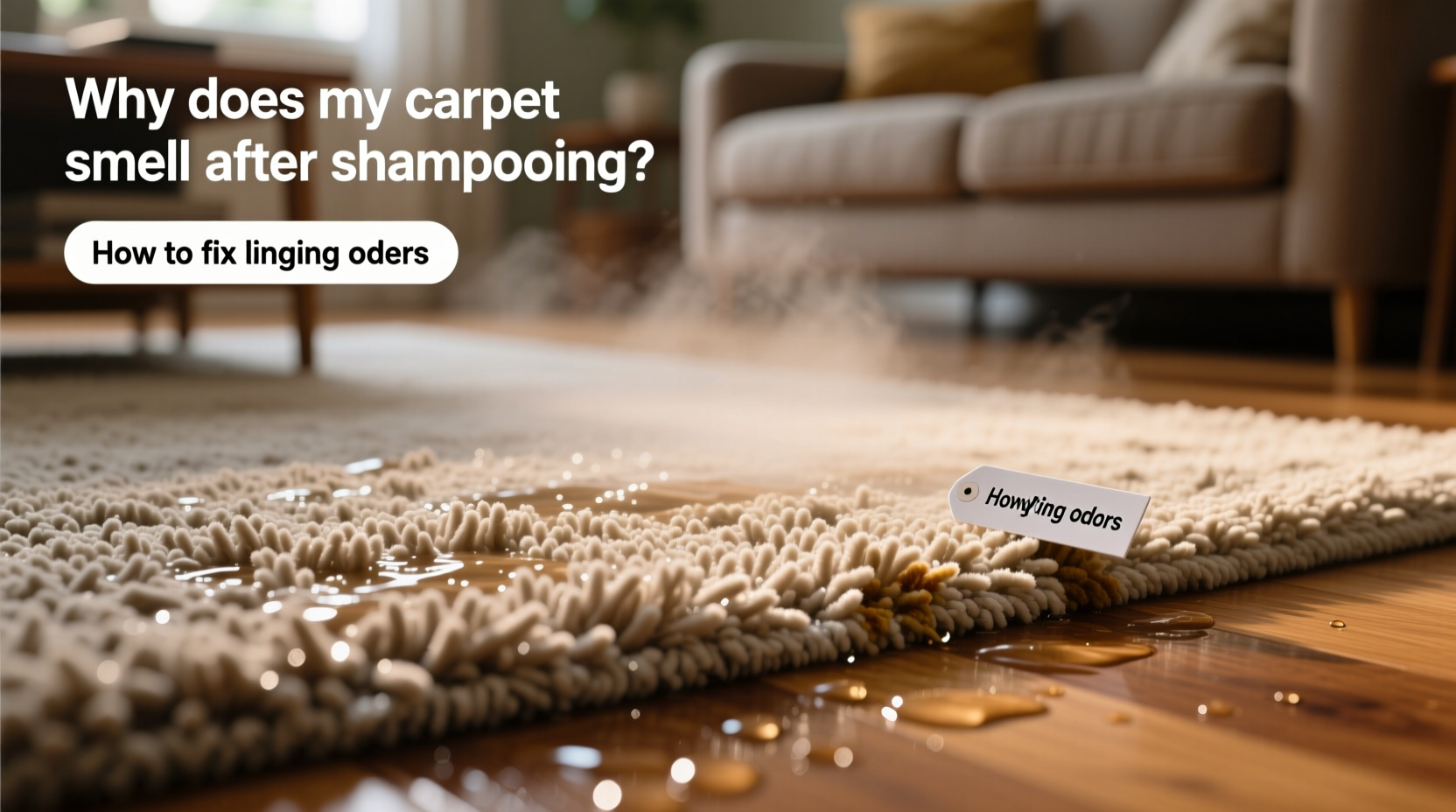
At first glance, shampooing seems like the ultimate solution for dirty carpets. However, the process involves deep wetting of fibers and padding, which creates ideal conditions for microbial growth if not managed correctly. When excess moisture lingers beneath the surface, it becomes a breeding ground for mold, mildew, and bacteria—all of which produce volatile organic compounds responsible for foul odors.
Another common culprit is residual detergent left behind in the carpet pile. Many commercial carpet shampoos contain foaming agents and fragrances designed to mask dirt. But when these chemicals aren’t fully extracted during rinsing, they trap moisture and attract more soil over time, creating a sticky layer that decomposes slowly and emits a rancid or sweet-sour smell.
In some cases, the source of the odor isn't the cleaning itself—but what was already hiding beneath the surface. Pet urine, food spills, or flood damage may have soaked into the backing or subfloor. Shampooing can rehydrate these contaminants, reactivating dormant enzymes and releasing trapped gases that were previously sealed off by dry fibers.
The Science Behind Lingering Carpet Odors
Odors from freshly cleaned carpets often stem from biological activity. Mold spores are naturally present in most indoor environments and require only three things to thrive: organic matter (like skin cells or food crumbs), warmth, and moisture. A poorly dried carpet provides all three.
Mildew, a surface-level fungus, typically produces a musty, earthy smell similar to old books or damp basements. It develops quickly in humid climates or rooms with poor ventilation. Bacterial colonies, on the other hand, can generate sulfurous or ammonia-like scents, especially when breaking down proteins found in pet urine or vomit.
Chemical off-gassing also plays a role. Some synthetic carpet backings or latex adhesives release odors when wet, particularly under high humidity. These smells are usually temporary but can be mistaken for biological contamination.
“Moisture trapped below the carpet surface is one of the most overlooked sources of persistent odors. If the pad stays wet for more than 24 hours, microbial colonization begins.” — Dr. Linda Chen, Indoor Air Quality Specialist
Step-by-Step Guide to Eliminate Post-Shampoo Odors
If your carpet still smells days after cleaning, follow this structured approach to identify and neutralize the problem at its core.
- Inspect and Dry Completely: Use fans and dehumidifiers to circulate air across the entire carpeted area. Lift a corner to check the padding underneath—if it feels damp, extend drying time. Open windows if outdoor humidity is low.
- Vacuum Thoroughly: Once dry, vacuum aggressively to remove any residual soap or loosened debris. Focus on high-traffic zones where buildup accumulates.
- Apply a Neutralizing Solution: Mix one part white vinegar with three parts lukewarm water in a spray bottle. Lightly mist the affected areas (avoid soaking). Vinegar helps break down alkaline residues and kills many odor-causing bacteria.
- Use Enzyme-Based Cleaners for Organic Stains: If pet accidents or food spills were involved, apply an enzyme cleaner according to label instructions. These products digest protein-based contaminants rather than masking them.
- Deodorize with Baking Soda: Sprinkle baking soda liberally over the carpet. Let it sit for at least 2–3 hours (overnight is better). Vacuum thoroughly afterward. For added freshness, mix in a few drops of essential oil like tea tree or eucalyptus.
- Consider Steam Cleaning with Hot Water Extraction: Professional-grade machines use higher temperatures and stronger suction to extract both moisture and contaminants more effectively than consumer rental units.
- Replace Saturated Padding (if necessary): In severe cases—especially after flooding or chronic pet issues—the underlay may need replacement. Wet padding cannot be adequately cleaned and will continue to harbor odors.
Common Mistakes That Worsen Carpet Smells
Even with good intentions, certain practices can exacerbate post-cleaning odors. Avoid these pitfalls:
- Over-wetting the carpet: Excessive water usage prevents proper drying and pushes contaminants deeper into the padding.
- Using too much shampoo: More foam doesn’t mean cleaner carpet. Leftover surfactants attract dirt and retain moisture.
- Skipping pre-vacuuming: Surface dust and hair act as a barrier, reducing cleaning efficiency and increasing residue retention.
- Ignoring ventilation: Closing doors and windows traps humidity, slowing evaporation and encouraging mold formation.
- Relying on fragranced sprays: Air fresheners only mask odors temporarily and may react with existing chemicals to create new, unpleasant smells.
| Do’s | Don’ts |
|---|---|
| Pre-vacuum before shampooing | Shampoo without removing loose debris |
| Use manufacturer-recommended detergent amounts | Pour extra shampoo for \"better clean\" |
| Dry carpet within 6–8 hours | Walk on or cover damp carpet |
| Test cleaning solutions in inconspicuous areas | Apply strong chemicals without patch testing |
| Hire professionals for recurring odor issues | Ignore signs of mold or structural moisture |
Mini Case Study: The Basement Family Room Reboot
Sarah from Columbus, Ohio, rented a steam cleaner to refresh her basement family room carpet after her dog had a stomach bug. Within two days, a sour, fermented smell emerged. She assumed the machine was broken, but further inspection revealed the issue: she’d used double the recommended shampoo dose and didn’t open vents during winter cleanup. The carpet stayed damp for nearly 48 hours.
After consulting a local restoration technician, Sarah learned that the padding had absorbed contaminated fluids and remained wet. She removed sections of the carpet, replaced the padding, and treated the subfloor with antimicrobial spray. By using proper drying equipment and switching to an eco-friendly, low-residue cleaner, she eliminated the odor permanently. Her experience underscores the importance of balanced cleaning and thorough drying—especially in below-grade spaces prone to humidity.
When to Call a Professional
While DIY methods work for mild cases, persistent or worsening odors may indicate deeper problems requiring expert intervention. Professionals bring industrial-grade tools such as moisture meters, thermal imaging cameras, and truck-mounted extraction systems capable of removing up to 95% of moisture—far beyond what portable units achieve.
They also have access to hospital-grade disinfectants and encapsulation technologies that lock in odors while lifting soils. For homes with allergy sufferers or respiratory conditions, professional remediation ensures safer indoor air quality.
Frequently Asked Questions
How long should carpet smell after shampooing?
A faint, soapy or damp scent should dissipate within 24 hours in a well-ventilated space. Lingering smells beyond 48 hours suggest incomplete drying, chemical residue, or biological contamination.
Can vinegar damage my carpet?
No, diluted vinegar is safe for most synthetic carpets and effective at pH-balancing residues. However, avoid using it on wool or natural fiber rugs, as acidity can weaken protein-based fibers over time.
Is it safe to walk on the carpet while it's drying?
Minimize foot traffic until the carpet is completely dry. Walking on damp fibers compacts them and transfers oils from shoes, which can lead to wicking stains and slower drying times.
Prevention Checklist: Keep Your Carpet Fresh Long-Term
- ✅ Vacuum weekly to reduce organic debris
- ✅ Address spills immediately with blotting and mild cleaners
- ✅ Use doormats to minimize tracked-in pollutants
- ✅ Maintain indoor humidity between 30–50%
- ✅ Schedule professional deep cleaning every 12–18 months
- ✅ Rotate furniture periodically to prevent compressed wear patterns
- ✅ Treat pet accidents with enzyme cleaners—not household bleach or ammonia
Conclusion: Turn Foul Into Fresh
A smelly carpet after shampooing doesn’t mean you’ve failed—it means you’ve uncovered a hidden challenge that many face. With the right knowledge, tools, and timing, you can transform that damp, sour mess into a truly clean, fresh-smelling floor covering. The key lies in managing moisture, choosing the right products, and understanding that true cleanliness goes beyond surface shine.




 浙公网安备
33010002000092号
浙公网安备
33010002000092号 浙B2-20120091-4
Comments
No comments yet. Why don't you start the discussion?