
It’s a common sight: your cat suddenly latches onto a blanket, kneading with claws out and gently biting the fabric as if it were prey or a nursing mother. While this behavior might seem odd or even concerning, it’s often rooted in instinct, comfort, and emotional regulation. Cats don’t act without reason, and blanket-biting is no exception. Understanding the underlying motivations can help you respond appropriately—whether that means encouraging the behavior, redirecting it, or addressing deeper issues.
The Instinctual Roots of Blanket Biting
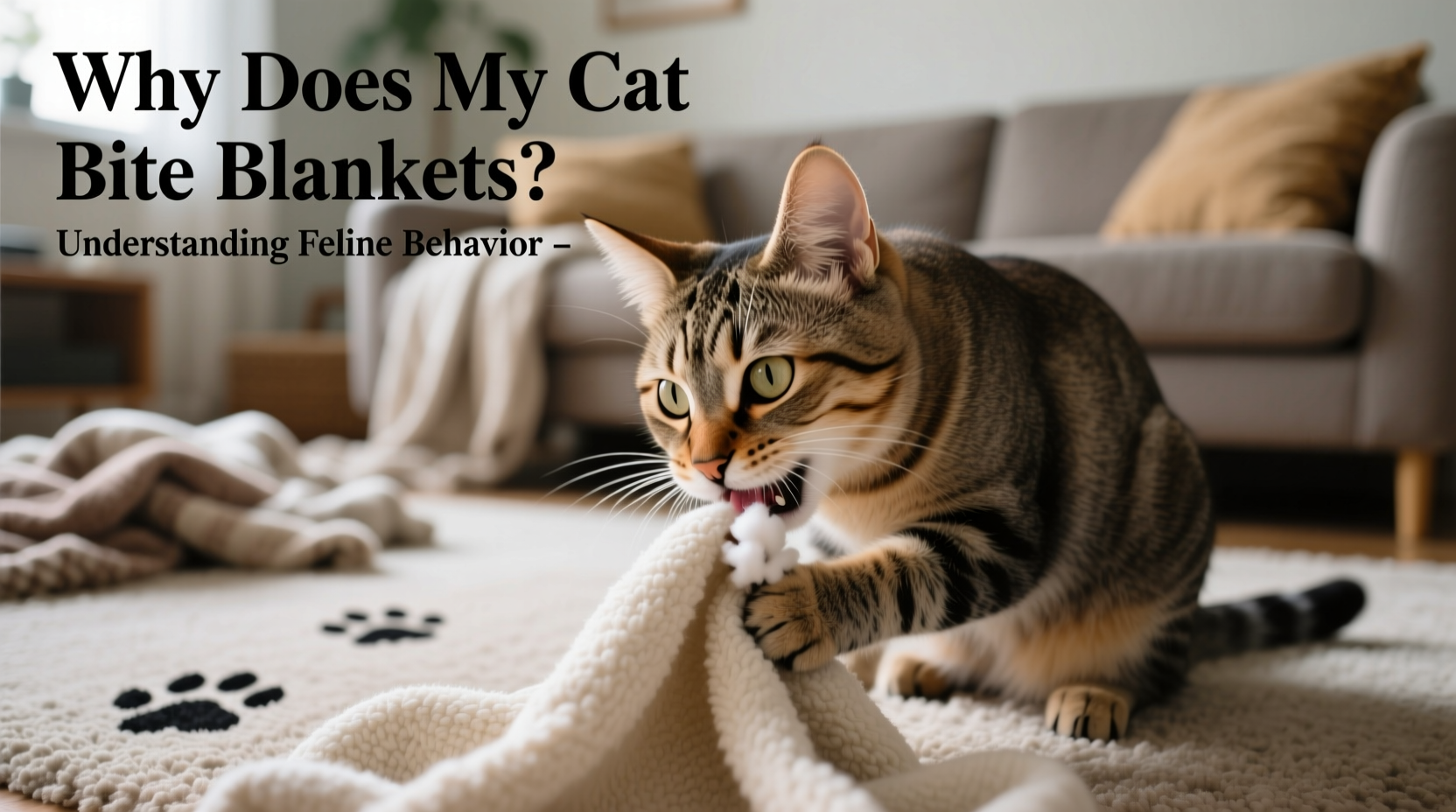
Kittens begin biting and kneading shortly after birth. These behaviors are essential for survival—they stimulate milk flow from their mother. Even after weaning, many cats retain these actions into adulthood, especially when they feel safe and content. The rhythmic motion of biting and kneading releases endorphins, creating a self-soothing effect similar to human habits like nail-biting or rocking.
This behavior, often called “making biscuits,” typically involves soft biting, drooling, and paw-pushing on soft materials. Blankets, towels, and plush bedding mimic the texture of a mother cat’s fur, triggering deep-seated memories of warmth and nourishment.
Common Reasons Cats Bite Blankets
While instinct plays a major role, several other factors can contribute to this behavior. Recognizing the cause helps determine whether intervention is necessary.
- Nursing nostalgia: Especially common in cats weaned early, this behavior mimics suckling and provides emotional comfort.
- Stress relief: Cats may turn to blanket biting during periods of change, such as moving homes or introducing new pets.
- Teething (in kittens): Young cats explore the world with their mouths, and soft fabrics offer soothing pressure on sore gums.
- Overstimulation: Some cats bite fabric when overexcited after play or petting.
- Medical concerns: In rare cases, excessive chewing could signal dental pain, nutritional deficiencies, or obsessive-compulsive disorder.
“Oral fixation in cats, especially involving fabric, often stems from early separation or lack of environmental enrichment.” — Dr. Lena Reyes, Feline Behavior Specialist
When Blanket Biting Becomes a Problem
Occasional blanket biting is normal. However, when it becomes compulsive—lasting hours, causing fabric destruction, or leading to ingestion—it may require intervention. Ingesting fibers can result in intestinal blockages, a serious medical emergency.
Signs that blanket biting has crossed into problematic territory include:
- Constant focus on fabric, ignoring toys or interaction
- Aggression when interrupted
- Bleeding gums or worn teeth from excessive chewing
- Swallowing pieces of fabric
Do’s and Don’ts of Managing the Behavior
| Do | Don't |
|---|---|
| Provide soft, washable chew toys made for cats | Punish your cat for biting blankets |
| Use bitter-tasting deterrent sprays on off-limits fabrics | Yank the blanket away abruptly |
| Increase interactive playtime to reduce stress | Ignore sudden changes in the behavior |
| Consult a vet if ingestion or obsession occurs | Assume it's always harmless without evaluation |
A Case Study: Bella and the Blue Blanket
Bella, a 3-year-old domestic shorthair adopted at eight weeks, had a habit of biting and carrying around a frayed blue fleece blanket. Her owner, Sarah, noticed she did this most at night or when left alone. Initially cute, the behavior escalated—Bella began unraveling the edges and occasionally swallowing small strands.
After a veterinary checkup ruled out medical causes, a feline behaviorist suggested environmental enrichment. Sarah introduced daily puzzle feeders, scheduled 15-minute play sessions with feather wands, and provided a soft cat cave sprayed with calming pheromones. She also replaced the old blanket with a designated “chew-safe” toy made of food-grade silicone.
Within three weeks, Bella’s attachment to the blue blanket diminished. She still kneaded occasionally but redirected her biting to appropriate items. The key was not elimination, but redirection and emotional support.
How to Respond: A Step-by-Step Guide
If your cat’s blanket biting worries you, follow this structured approach to assess and address the behavior.
- Observe the context: Note when and where the biting happens. Is it during relaxation, after play, or during stressful events?
- Check for medical issues: Schedule a vet visit to rule out oral pain, gastrointestinal discomfort, or nutrient imbalances.
- Assess environment: Evaluate recent changes—new people, pets, moves, or loud noises—that could trigger anxiety.
- Introduce alternatives: Offer chew-safe toys, cat grass, or textured mats designed for oral stimulation.
- Modify access: Use deterrent sprays on favorite blankets or keep them out of reach when unsupervised.
- Reinforce positive behavior: Praise or treat your cat when playing with appropriate items instead of fabric.
- Monitor progress: Keep a simple log for two weeks to track frequency and triggers.
FAQ: Common Questions About Cat Blanket Biting
Is it normal for adult cats to suck and bite blankets?
Yes, especially in cats separated from their mothers before 8 weeks. This behavior, known as wool-sucking, is more common in certain breeds like Siamese and Birman cats. As long as it’s mild and doesn’t lead to ingestion, it’s generally harmless.
Can blanket biting be a sign of anxiety?
Absolutely. Repetitive behaviors often serve as coping mechanisms. If your cat bites blankets only during thunderstorms, visits, or when left alone, it may be self-soothing due to stress. Addressing the root cause—through routine, hiding spots, or pheromone diffusers—can reduce reliance on the behavior.
Should I stop my cat from biting blankets entirely?
Not necessarily. If the behavior is gentle, infrequent, and doesn’t damage property or health, it may simply be a quirk. Focus on prevention only if it escalates or poses risks. Complete suppression without offering alternatives can increase frustration.
Conclusion: Understanding Leads to Better Care
Cat behaviors that seem strange often make perfect sense once you understand their origins. Blanket biting isn’t just a random habit—it’s a window into your cat’s emotional world. Whether rooted in kittenhood comfort, stress relief, or sensory needs, this action communicates something important.
By observing without judgment, responding with empathy, and making thoughtful adjustments, you can support your cat’s well-being while protecting your linens. Instead of discouraging the behavior outright, aim to understand it. Offer safe outlets, enrich their environment, and consult professionals when needed.




 浙公网安备
33010002000092号
浙公网安备
33010002000092号 浙B2-20120091-4
Comments
No comments yet. Why don't you start the discussion?