
Every holiday season brings joy, warmth, and festive decorations — but for many cat owners, it also brings a unique hazard: curious felines gnawing on Christmas light cords. What might seem like innocent play can quickly turn dangerous, posing risks of electric shock, burns, or even fire. Understanding why cats are drawn to these cords is the first step toward protecting both your pet and your home. More importantly, implementing practical, humane deterrents can prevent accidents before they happen.
Cats don’t chew electrical cords out of malice. Their behavior stems from natural instincts, curiosity, boredom, or sensory attraction. The good news? With the right strategies, you can enjoy a festive season without compromising your cat’s safety.
The Science Behind Why Cats Chew Cords
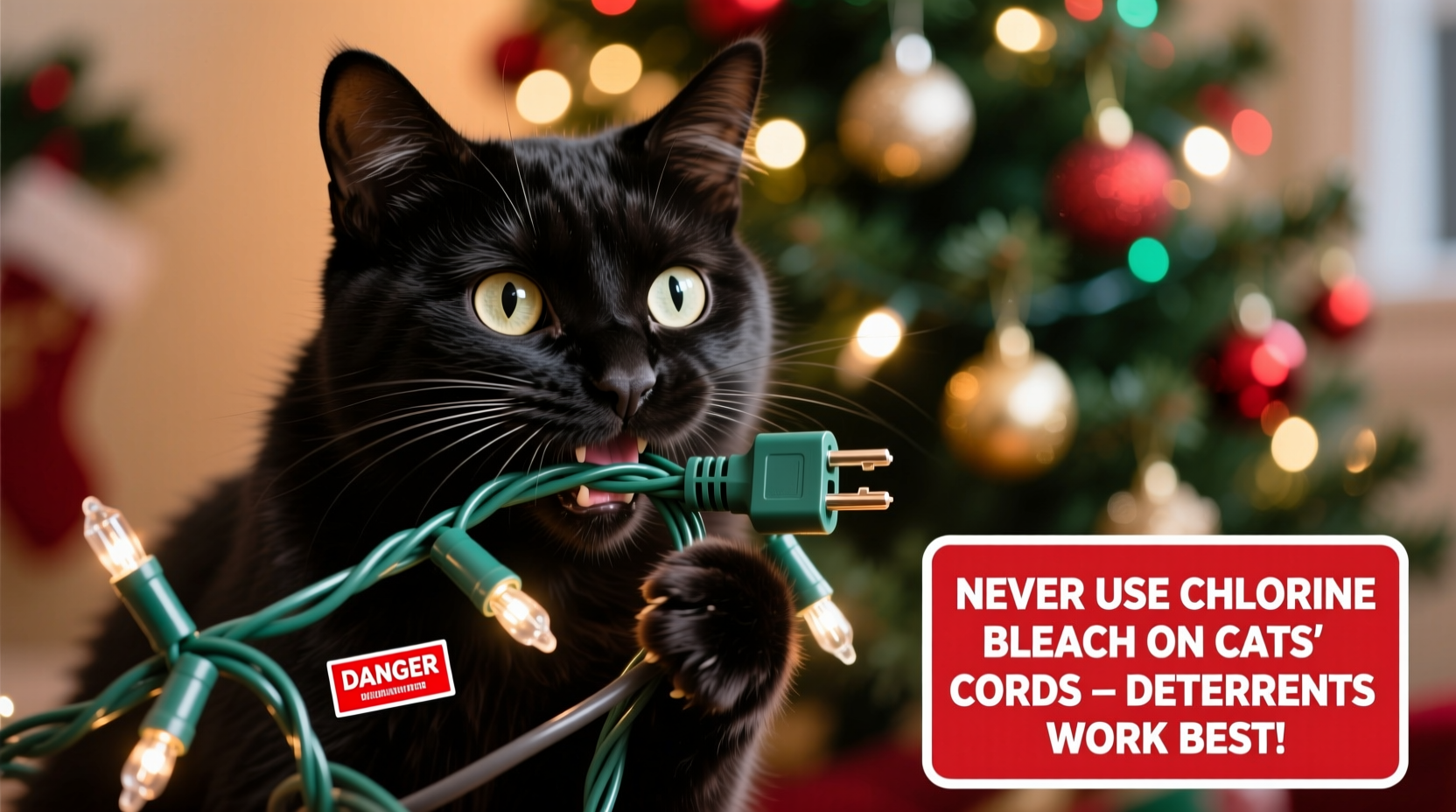
Cats are hardwired to explore their environment through touch, taste, and movement. Chewing or batting at cords often begins in kittenhood as part of normal oral exploration. Even adult cats may continue this behavior if not properly redirected. Several factors contribute to this seemingly risky habit:
- Sensory stimulation: Wires resemble vines or prey-like movement when swaying. The texture and slight vibration from current flow can intrigue sensitive whiskers and paws.
- Boredom or lack of enrichment: Indoor cats with limited toys or interaction may treat cords as entertainment substitutes.
- Teething (in kittens): Young cats between 3–7 months may chew to relieve gum discomfort, much like human babies.
- Mimicking hunting behavior: The back-and-forth motion of a dangling cord mimics small rodents or insects, triggering predatory instincts.
- Taste or smell: Some older PVC-coated cords emit odors that attract cats, especially if they’ve been stored in musty areas.
While occasional nibbling might appear harmless, the consequences can be severe. According to the American Veterinary Medical Association (AVMA), oral electrical burns from chewing live wires are among the most common household injuries in pets during December.
Effective Deterrent Solutions to Protect Your Cat
Preventing access and discouraging interest are key. A multi-layered approach works best: combine physical barriers, behavioral redirection, and taste-based repellents. Below are proven methods used by veterinarians and certified animal behaviorists.
1. Conceal or Encase Cords
The most reliable way to stop chewing is to remove temptation. Exposed cords should be hidden using one or more of these methods:
- Use cord covers (plastic raceways or braided sleeves) to enclose bundles safely.
- Route cords behind furniture or along baseboards where cats can’t reach.
- Secure lines with adhesive clips or cable ties mounted high off the floor.
- Place tree skirts or decorative screens around the base of the Christmas tree to block access.
2. Apply Bitter-Tasting Repellents
Cats have strong aversions to bitter flavors. Commercial sprays like Grannick’s Bitter Apple or My Bitters Spray can be applied directly to cord surfaces (ensure the product is non-toxic and pet-safe). Reapply every few days or after dusting.
“Taste deterrents are highly effective when combined with environmental management. They work because they target the cat’s natural preference to avoid unpleasant tastes.” — Dr. Lindsey Smith, DVM, Feline Behavior Consultant
3. Use Motion-Activated Devices
Devices such as motion-activated air sprayers (e.g., SSScat) release a quick puff of unscented air when a cat approaches. These don’t harm the animal but create a negative association with the area. Place them near the tree or power strip zones.
4. Provide Alternative Stimulation
Redirect your cat’s energy with appropriate outlets:
- Offer chew-safe toys made from food-grade silicone or hemp rope.
- Introduce puzzle feeders or interactive wands to increase daily engagement.
- Rotate toys weekly to maintain novelty and reduce boredom-related chewing.
Step-by-Step Guide: Making Your Home Holiday-Safe in 5 Days
You don’t need to dismantle your entire decor to protect your cat. Follow this realistic five-day plan to minimize risk efficiently.
- Day 1 – Assessment: Walk through each room on your hands and knees to spot accessible cords. Note all light strings, extension cords, and power strips within paw’s reach.
- Day 2 – Purchase Supplies: Buy cord organizers, bitter spray, protective tubing, and new toys. Prioritize products labeled “pet-safe” and non-toxic.
- Day 3 – Install Barriers: Cover or reroute cords. Use zip ties to bundle loose lines and mount them vertically behind sofas or bookshelves.
- Day 4 – Apply Deterrents: Spray bitter solution on any remaining exposed sections. Test on a small area first to ensure no discoloration.
- Day 5 – Enrich Environment: Introduce new toys near the tree zone to shift focus. Spend 10–15 minutes playing daily to reinforce positive habits.
Do’s and Don’ts: A Quick Reference Table
| Do | Don’t |
|---|---|
| Use cord covers or conduit tubing | Leave cords loose or draped across floors |
| Spray bitter apple on cords (reapply regularly) | Use citrus peels or vinegar — these can damage finishes and aren't consistently effective |
| Provide alternative chew toys | Scold or shout — this increases anxiety and worsens compulsive behaviors |
| Unplug lights when unsupervised | Assume LED lights are completely safe — they still carry current |
| Use baby gates to restrict access to decorated rooms | Rely solely on training — prevention is faster and safer |
Real Example: How One Household Prevented a Crisis
Sarah from Portland adopted a 6-month-old tabby named Milo just before Thanksgiving. When she set up her family’s heirloom Christmas tree, she noticed Milo batting at the twinkling lights. Within two days, he began chewing the lower strands.
Alarmed after finding frayed insulation, Sarah consulted her vet. She implemented a three-pronged strategy: installed snap-together cord channels along the wall, sprayed Grannick’s Bitter Apple twice daily, and introduced a crinkle tunnel toy near the living room. She also unplugged the tree at night and during work hours.
Within a week, Milo lost interest in the cords. By Christmas Eve, he was chasing feather toys instead. “It wasn’t about punishment,” Sarah said. “It was about giving him better options and making the bad ones less appealing.”
Checklist: Holiday Cord Safety Audit
Before turning on your lights, run through this checklist to ensure full protection:
- ✅ All cords are enclosed in protective raceways or tucked behind furniture
- ✅ No loose ends dangle within 12 inches of the floor
- ✅ Bitter-taste spray has been applied and dried on accessible sections
- ✅ Tree is secured against tipping; skirt blocks under-tree access
- ✅ Alternative toys are placed nearby to redirect attention
- ✅ Lights are unplugged when no one is in the room
- ✅ Smoke detectors are functional and batteries are fresh
- ✅ Emergency vet number is saved in your phone
Frequently Asked Questions
Can chewing cords cause long-term health issues?
Yes. Even minor chewing can lead to oral burns, which may result in scar tissue, difficulty eating, or secondary infections. Severe shocks can affect heart rhythm or lung function. Immediate veterinary care is crucial if you suspect electrocution — symptoms include coughing, breathing difficulty, or singed fur around the mouth.
Are wireless or battery-powered lights safer?
Absolutely. Battery-operated string lights eliminate electrical hazards entirely and are ideal for households with playful pets. Many modern versions offer timers, dimming, and warm-white LEDs that mimic traditional plug-in sets. Use them on trees, mantles, or stair railings for worry-free sparkle.
What if my cat only chews when I’m not home?
This typically indicates separation anxiety or understimulation. Consider confining your cat to a safe room with toys and a window perch when unattended. Alternatively, use automatic laser toys or treat dispensers to keep them engaged. A consistent routine reduces stress-related chewing.
Conclusion: A Safer, Happier Holiday Starts Now
Your love for festive decor doesn’t have to conflict with your commitment to your cat’s well-being. By understanding the reasons behind cord-chewing and applying thoughtful, evidence-based solutions, you can create a joyful and secure environment for everyone in your home. Prevention isn’t about restricting fun — it’s about being one step ahead.
Start today: inspect your setup, pick up supplies, and enrich your cat’s world with safe alternatives. Small changes now can prevent emergencies later. Celebrate the season with peace of mind, knowing your traditions are protected by care, not chance.




 浙公网安备
33010002000092号
浙公网安备
33010002000092号 浙B2-20120091-4
Comments
No comments yet. Why don't you start the discussion?