
It happens every December: you hang the lights with care, step back to admire the glow—and then hear the unmistakable crunch-snap of plastic insulation giving way beneath tiny, determined teeth. Your cat isn’t trying to sabotage the season. They’re responding to instinct, environment, and unmet needs—often in ways that pose real danger. Chewing on electrical cords isn’t just a nuisance; it’s a leading cause of feline oral injury, burns, and even fatal electrocution during the holidays. Yet most owners react with frustration or punishment—neither of which addresses the root cause or keeps their cat safe. This article cuts through myth and panic with science-backed explanations, veterinarian-vetted interventions, and realistic strategies that respect both feline behavior and human holiday realities.
The Real Reasons Behind the Chewing (It’s Not “Just Being Naughty”)
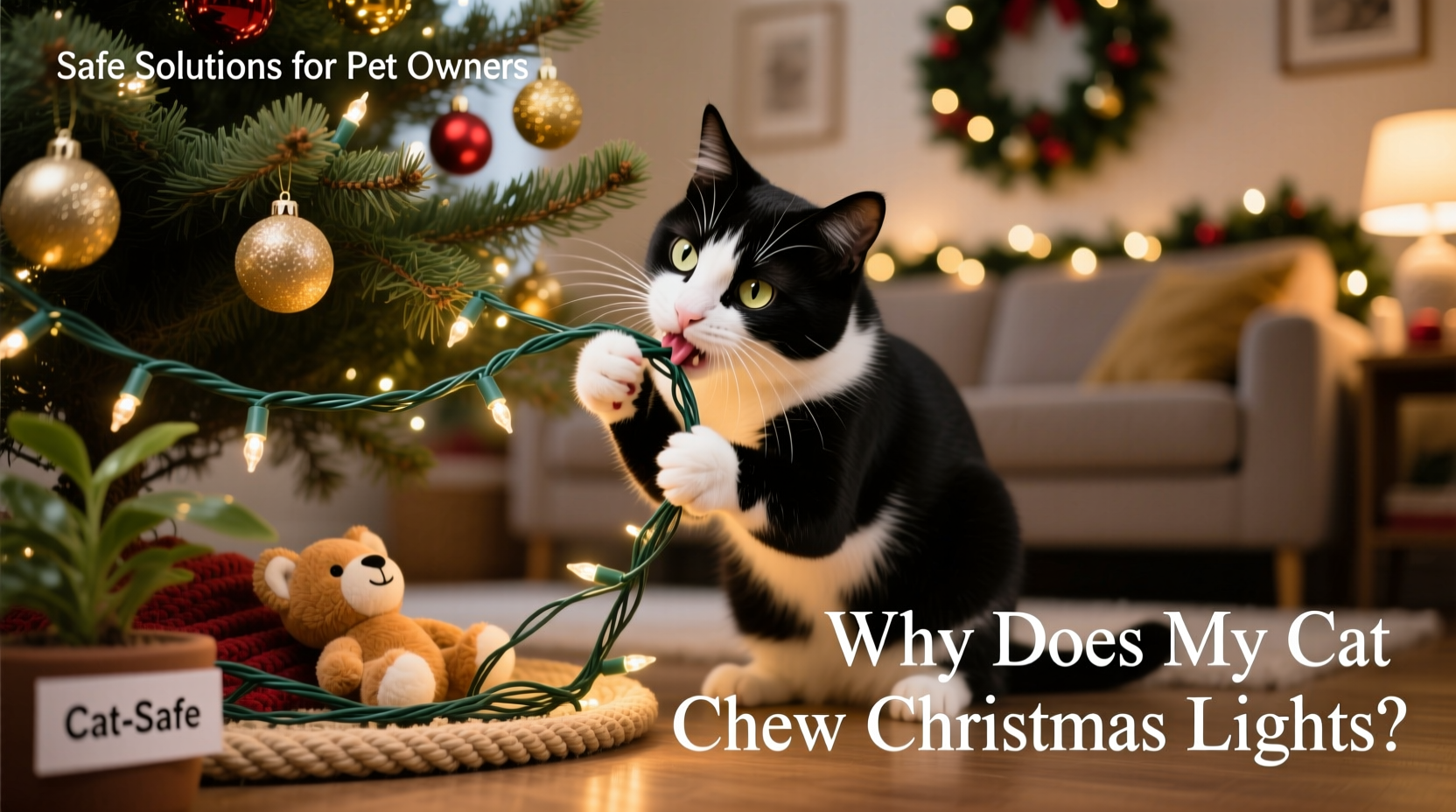
Cats don’t chew cords for attention, spite, or boredom alone. Their behavior is rooted in biological drives and environmental triggers:
- Teething & Oral Exploration: Kittens under 6 months experience intense gum discomfort as adult teeth erupt. Even adult cats retain strong oral exploration instincts—they use their mouths to investigate texture, temperature, and movement. Twinkling lights create visual stimulation that mimics prey movement, drawing paws and teeth alike.
- Sensory Appeal: Many cords emit faint warmth, subtle vibrations (especially older transformer-based sets), and high-frequency electromagnetic fields undetectable to humans but perceptible to cats’ sensitive nervous systems. The thin, flexible plastic offers satisfying resistance and crunch—similar to chewing grass or dry kibble.
- Stress & Overstimulation: Holiday changes—new decorations, visitors, altered routines, loud music—can elevate cortisol levels. Chewing releases endorphins, serving as a self-soothing coping mechanism. A 2022 study in the Journal of Feline Medicine and Surgery found that 68% of cats exhibiting destructive oral behaviors during holidays showed concurrent signs of environmental stress (excessive grooming, hiding, or vocalization).
- Lack of Appropriate Outlets: Indoor cats often receive insufficient species-appropriate enrichment. Without daily opportunities to stalk, bite, and “kill” simulated prey—or chew on safe, textured alternatives—their natural impulses redirect toward accessible, stimulating objects like dangling wires.
- Nutritional Deficiencies (Rare but Documented): In very few cases, persistent non-food chewing (pica) correlates with underlying conditions such as anemia, vitamin B12 deficiency, or gastrointestinal disease. While cord-chewing alone rarely indicates illness, it warrants veterinary evaluation if paired with weight loss, lethargy, or changes in appetite or litter box habits.
Veterinarian-Approved Safety Measures: What Works (and What Doesn’t)
Many popular “solutions” are ineffective—or actively harmful. Citrus sprays may deter some cats temporarily but can irritate eyes and respiratory tracts. Bitter apple sprays lose potency quickly and often fail on highly motivated chewers. Punishment (yelling, spraying water, tapping the nose) damages trust and increases anxiety, worsening the behavior long-term.
Instead, prioritize layered, proactive safety:
- Physical Barrier First: Use heavy-duty, pet-proof cord covers—rigid PVC conduits (not soft silicone sleeves) that fully encase wiring. Secure ends with cord clips screwed into baseboards or furniture legs. For floor-level strands, run them inside baseboard raceways or under rugs anchored at both ends.
- Strategic Placement: Hang lights *above* 3 feet—out of paw-reach—and avoid draping cords where they dangle within swiping distance. Keep trees away from walls and furniture that could serve as launchpads.
- Electrical Safeguards: Plug all light strings into GFCI (Ground Fault Circuit Interrupter) outlets or power strips with built-in surge protection and automatic shutoff. Test GFCIs monthly. Replace any cord with visible fraying, exposed copper, or melted plastic—even if your cat hasn’t touched it yet.
- Supervision Protocol: Treat lit Christmas lights like open medication: never leave them unattended with unsupervised cats. Use smart plugs to schedule lights only during waking hours when you’re present.
A Step-by-Step Behavior Intervention Plan (7 Days to Safer Holidays)
This plan combines immediate safety with lasting behavioral change. It’s designed for consistency—not perfection—and adapts to your cat’s age, temperament, and home layout.
- Day 1: Audit & Isolate
Unplug all lights. Identify every cord location your cat interacts with (e.g., tree base, mantle, stair rail). Remove or cover *all* non-essential cords immediately. Keep only one low-risk string (e.g., battery-operated LED garland on a high shelf) for observation. - Day 2: Introduce Safe Chew Alternatives
Offer 3–4 novel, textured items: frozen tuna water cubes in silicone molds, dried bonito flakes rolled in catnip, hemp rope toys soaked in salmon broth and air-dried, and cardboard tubes stuffed with crinkle paper. Rotate daily to maintain novelty. - Day 3: Redirect & Reward
When you catch your cat investigating a cord (even without chewing), calmly say “Leave it,” then immediately present a safe chew item. Reward engagement with gentle praise and a small treat (<5 kcal). Repeat 5x/day—consistency builds new neural pathways faster than punishment ever can. - Day 4: Enrichment Boost
Add two 10-minute interactive play sessions using wand toys that mimic erratic prey movement (e.g., feather teasers with erratic jerks and pauses). End each session with a food puzzle or lick mat smeared with wet food—this satisfies the “hunt-eat-groom-sleep” sequence. - Day 5: Stress Reduction
Install Feliway Classic diffusers in main living areas and near the tree. Play species-appropriate audio (e.g., “Cat Music” by Through a Cat’s Ear) at low volume during peak activity hours. Provide at least one elevated perch facing away from foot traffic—a cardboard box on a chair works perfectly. - Day 6: Gradual Reintroduction
Reinstall *one* covered, GFCI-protected light string in a low-risk zone. Observe closely for 2 hours. If no interest, add a second string the next day. If chewing occurs, revert to Day 2 and extend the safe-chew introduction period by 48 hours. - Day 7: Reinforce & Maintain
Continue daily play, rotating chew items weekly. Check cord covers for wear. Celebrate small wins—like your cat choosing a hemp rope over a cord—even if progress feels incremental.
Do’s and Don’ts: A Practical Decision Guide
| Action | Do | Don’t |
|---|---|---|
| Cord Protection | Use rigid PVC cord channels rated for indoor electrical use. Secure with screws—not tape. | Rely on soft silicone sleeves, masking tape, or rubber bands—they’re easily peeled off or chewed through. |
| Chew Substitutes | Offer chilled or frozen chewables (e.g., frozen broth cubes) — cold reduces gum inflammation and slows chewing speed. | Give rawhide, cooked bones, or nylon chews—these pose choking, splintering, or digestive obstruction risks. |
| Training Response | Use positive interruption (“Hey!”) + immediate redirection to appropriate item + reward. | Yell, clap, or use compressed air—these increase fear and erode your bond. |
| Veterinary Care | Schedule a wellness check if chewing persists beyond 2 weeks of consistent intervention—or if you notice drooling, red gums, or reluctance to eat. | Assume it’s “just a phase” without ruling out dental pain, oral tumors, or nutritional imbalances. |
Real-Life Example: Luna’s Story (A 3-Year-Old Domestic Shorthair)
Luna began chewing cords the week before Thanksgiving. Her owner, Maya, initially tried bitter apple spray and scolding—both escalated Luna’s avoidance behavior and led to nighttime chewing when unsupervised. At her veterinarian’s suggestion, Maya completed a behavior diary: she noted Luna chewed most often between 4–6 p.m., always near the front window where squirrels gathered, and exclusively on cords near the tree stand. With guidance from a certified feline behavior consultant, Maya implemented the 7-day plan—but added one key adjustment: she installed a bird feeder *outside* the window and placed Luna’s favorite perch directly in front of it. She also replaced the tree’s lower lights with battery-powered fiber-optic strands (no cord risk) and used PVC conduit for upper strands. Within five days, Luna’s chewing dropped by 90%. By Day 12, she’d chosen a crinkle ball over a cord three times in one afternoon. Maya’s insight? “She wasn’t attacking the lights—she was trying to ‘catch’ the flicker. Once I gave her a legal outlet for that impulse, the problem dissolved.”
Expert Insight: What Veterinary Behaviorists Emphasize
“Cord chewing is rarely about disobedience—it’s a communication. Your cat is saying, ‘I’m teething,’ ‘I’m stressed,’ or ‘I need more predatory outlets.’ Punishment silences that message and replaces it with fear. Effective intervention means listening first, then engineering the environment to support natural feline needs—not forcing cats to conform to human aesthetics.”
— Dr. Sarah Lin, DACVB, Board-Certified Veterinary Behaviorist, Cornell Feline Health Center
Frequently Asked Questions
Can I use aluminum foil around cords to deter chewing?
Some cats dislike the sound and texture of foil, making it a short-term deterrent—but it’s unreliable and potentially hazardous. Foil can tear, exposing sharp edges that cut gums or paws. If ingested (even in small pieces), it may cause intestinal blockage. Rigid cord covers are safer, more durable, and address the root cause instead of masking it.
My cat only chews when I’m not home. How do I stop it?
This points strongly to separation-related stress or under-stimulation. Install a pet camera with two-way audio to observe patterns. Often, chewing coincides with specific triggers (e.g., delivery trucks, neighborhood dogs barking). Pair cord protection with automatic feeders dispensing meals during your absence, and leave on calming audio. Most importantly: ensure your cat gets vigorous play *immediately before* you leave—this lowers baseline anxiety.
Are LED lights safer than traditional incandescent strings?
LEDs generate far less heat, reducing burn risk—but they’re *not* safer for chewing. Low-voltage LEDs still carry enough current (typically 12–24V DC) to cause painful shocks, oral burns, and muscle spasms. More critically, the plastic coating is often thinner and easier to puncture. Voltage doesn’t determine safety; accessibility and supervision do.
Conclusion: Protect What Matters Most—Without Sacrificing Joy
Your cat’s curiosity, energy, and instinctual drive aren’t flaws to be corrected—they’re the very qualities that make them beloved companions. Chewing on Christmas light cords isn’t a character defect; it’s a mismatch between your cat’s biology and their environment. By approaching this challenge with empathy, evidence, and practical tools—not blame or quick fixes—you do more than safeguard against electrocution. You deepen trust. You honor their nature. And you reclaim the quiet magic of the season: the soft glow of lights, the rustle of wrapping paper, the warm weight of a purring cat curled beside you—not in fear, but in shared, unhurried peace.
Start tonight. Choose one action from the 7-day plan. Cover one cord. Freeze one broth cube. Sit quietly with your cat and watch how they explore the world—not as a problem to manage, but as a life to understand.




 浙公网安备
33010002000092号
浙公网安备
33010002000092号 浙B2-20120091-4
Comments
No comments yet. Why don't you start the discussion?