
Many cat owners have experienced the sudden, rhythmic pressing of paws against their thighs—sometimes gentle, sometimes surprisingly forceful. When a cat sinks its claws into your leg while purring contentedly, it can be both endearing and painful. This behavior, known as kneading, is deeply rooted in feline biology and emotion. But when it turns aggressive—accompanied by intense claw extension, biting, or restlessness—it raises questions. Why does your cat do this? Is it a sign of stress, affection, or something else entirely?
Kneading isn’t random. It’s an instinct that begins in kittenhood and persists into adulthood for complex psychological and physiological reasons. Understanding the roots of aggressive kneading allows you to respond with empathy rather than frustration, and even turn the behavior into a more comfortable experience for both you and your cat.
The Origins of Kneading: A Survival Instinct
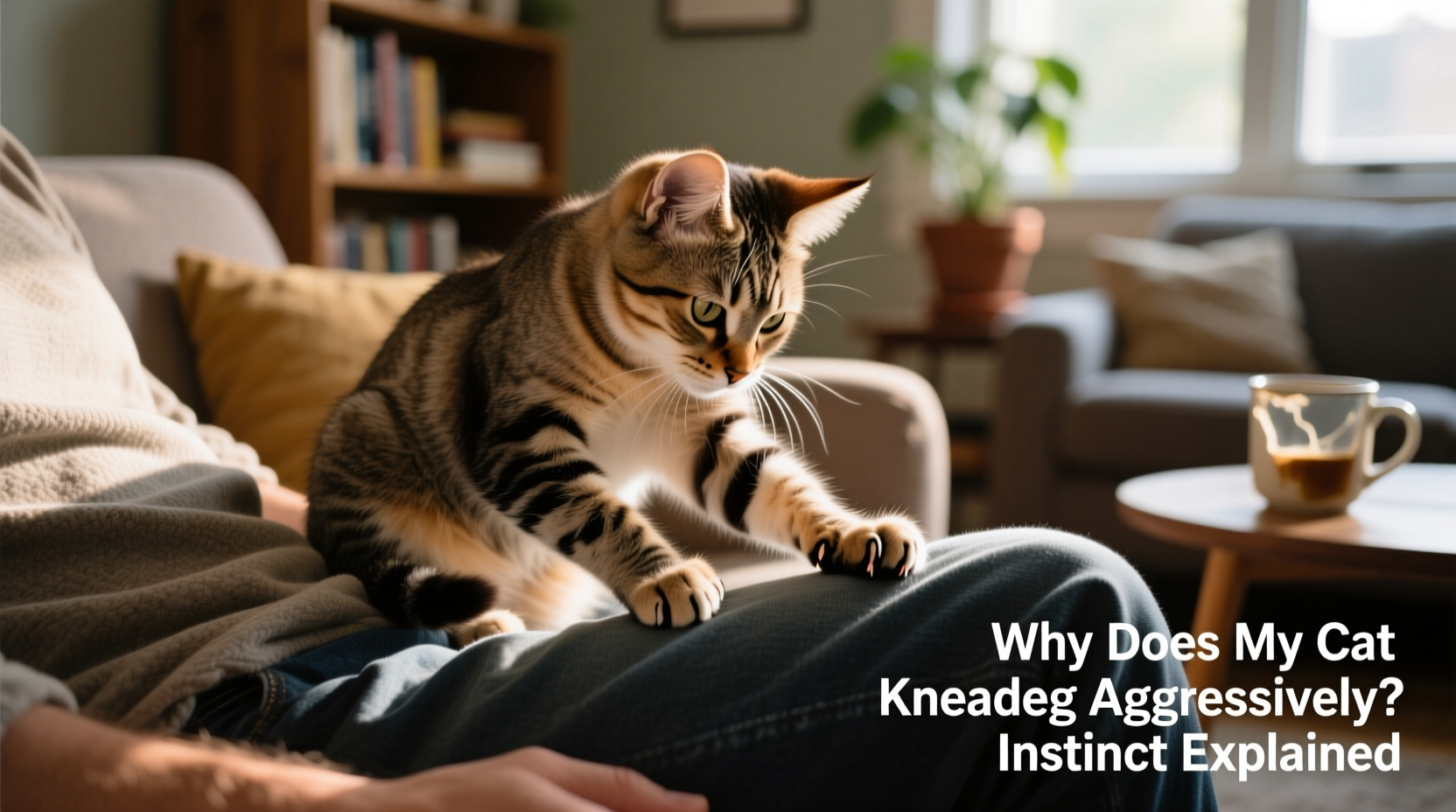
Kneading starts before a cat opens its eyes. Newborn kittens knead their mother’s belly to stimulate milk flow during nursing. The motion triggers oxytocin release in the queen (mother cat), increasing milk production. This early association between kneading and nourishment creates a powerful emotional imprint. Even as adults, cats link the action with comfort, safety, and sustenance.
This primal behavior doesn’t disappear with age. Instead, it evolves into a self-soothing mechanism. Adult cats often knead when they feel secure—on soft blankets, favorite cushions, or, most commonly, on their human companions. The act releases endorphins, creating a calming effect similar to how humans might rock or fidget when relaxed.
However, when kneading becomes aggressive—when claws dig deep or the rhythm turns urgent—it may reflect heightened emotional states. Overstimulation, anxiety, or territorial marking can amplify the intensity. Recognizing these shifts helps distinguish normal affectionate kneading from behaviors signaling deeper needs.
Why Does Kneading Turn Aggressive?
Not all kneading is created equal. While some cats gently press their paws like bakers folding dough, others attack your lap with vigor, extending claws fully and sometimes latching on with their teeth. Several factors contribute to this escalation:
- Overstimulation: Prolonged petting or excitement can push a cat past its tolerance threshold. What begins as relaxation spirals into sensory overload, manifesting as aggressive kneading or sudden biting.
- Territorial Marking: Cats have scent glands in their paw pads. Kneading deposits pheromones, claiming ownership. Aggressive kneading may intensify this signal, especially in multi-pet households or during environmental changes.
- Untrimmed Claws: Long claws increase discomfort during kneading, prompting defensive reactions from owners—which can stress the cat and escalate the behavior.
- Medical Discomfort: Arthritis or hyperesthesia (a neurological condition causing skin sensitivity) can make cats knead more forcefully as they seek relief.
- Breeding Behavior: Unspayed females may knead aggressively when in heat, mimicking nesting behaviors. Males may also display increased kneading due to hormonal surges.
“Kneading is one of the purest expressions of feline trust. When done aggressively, it often means the cat is seeking deeper reassurance or reacting to internal or external stressors.” — Dr. Lena Torres, Feline Behavioral Specialist
How to Manage Aggressive Kneading Safely
You don’t need to stop your cat from kneading—nor should you. It’s a natural, emotionally significant behavior. However, you can guide it toward safer, more comfortable expressions. The goal isn’t suppression but redirection and management.
Step-by-Step Guide to Reducing Painful Kneading
- Trim Claws Regularly: Use cat-specific clippers every 10–14 days. Avoid cutting the pink “quick” inside the claw. Smooth edges with a file to prevent snagging.
- Use Protective Barriers: Place a thick blanket, cushion, or denim pillow over your lap during cuddle sessions. This absorbs pressure and shields your skin without rejecting the cat.
- Redirect to Alternatives: Offer a plush toy or heated cat bed nearby. When your cat starts kneading aggressively, gently lift them and place them on the alternative surface, rewarding them with praise or treats.
- Monitor Body Language: Watch for signs of overstimulation—tail flicking, flattened ears, skin rippling. End petting sessions before these appear to prevent escalation.
- Desensitize Gradually: If your cat bites or growls during kneading, avoid punishment. Instead, use short, positive sessions where you touch briefly, then reward calm behavior with treats.
Do’s and Don’ts of Handling Aggressive Kneading
| Do’s | Don’ts |
|---|---|
| Provide scratching posts to help cats shed claw sheaths naturally | Yell at or punish your cat for kneading—it increases anxiety and damages trust |
| Encourage play before cuddle time to burn excess energy | Ignore signs of overstimulation; respect your cat’s limits |
| Use pheromone diffusers (like Feliway) if aggression spikes during stress | Allow claws to grow too long, increasing injury risk |
| Spay or neuter your cat if not already—this reduces hormonally driven kneading | Force your cat off your lap abruptly; instead, offer a better alternative |
Real Example: Managing Max’s Overstimulated Kneading
Sophie adopted Max, a 2-year-old tabby, six months ago. He loved sitting on her lap but would suddenly go from purring to aggressive kneading, claws digging in, followed by light biting. Concerned, Sophie consulted a veterinary behaviorist.
The expert observed Max’s routine. She noticed Sophie petted him continuously for 15 minutes, often stroking his lower back—a sensitive area for many cats. The behaviorist advised shorter petting sessions (3–5 minutes), avoiding the tail base, and introducing a padded mat next to the couch.
Sophie began placing the mat near her seat and rewarded Max with treats when he moved to it after kneading. Within three weeks, Max started shifting to the mat on his own. His aggressive episodes dropped by 80%. The key wasn’t stopping the kneading but giving him a safe outlet and respecting his sensory boundaries.
When Aggressive Kneading Signals Health Issues
While most kneading is behavioral, sudden changes warrant medical evaluation. Conditions such as:
- Feline Hyperesthesia Syndrome (FHS)
- Arthritis in older cats
- Dental pain affecting jaw tension during kneading-biting combos
- Neurological disorders impacting motor control
…can alter how a cat expresses kneading. FHS, for example, causes rippling skin along the back, frantic licking, and aggressive paw movements. If your cat appears disoriented, vocalizes during kneading, or attacks their own limbs, consult a veterinarian promptly.
A full physical exam, blood work, and possibly imaging can rule out underlying illness. Never assume aggressive kneading is purely behavioral without ruling out pain or disease first.
FAQ: Common Questions About Aggressive Kneading
Is aggressive kneading a sign of dominance?
No. Kneading is not about asserting dominance. It’s a self-soothing and marking behavior. Cats don’t operate on hierarchical dominance like dogs. Instead, they use scent and routine to establish security. Kneading marks you as safe and familiar—not subordinate.
Can I train my cat to stop kneading altogether?
It’s neither advisable nor practical to eliminate kneading. It’s a natural, comforting behavior tied to emotional well-being. Rather than stopping it, focus on managing the intensity through claw care, redirection, and environment design. Suppressing innate behaviors can lead to stress and compulsive disorders.
Why does my cat bite me while kneading?
Biting during kneading often stems from overstimulation. As arousal builds, some cats transition from purring to “petting-induced aggression.” Others may nibble gently as part of nesting behavior, mimicking how kittens nuzzle during nursing. If bites break skin, intervene early by ending the session calmly and offering a toy.
Checklist: How to Respond to Aggressive Kneading
- ✅ Trim your cat’s claws every two weeks
- ✅ Use a protective barrier (blanket, cushion) on your lap
- ✅ Watch for signs of overstimulation (tail flicking, ear twitching)
- ✅ Offer an alternative kneading surface nearby
- ✅ Schedule regular vet checkups to rule out pain or illness
- ✅ Avoid sudden movements or punishment during episodes
- ✅ Consider spaying/neutering if your cat is unaltered
- ✅ Use calming aids like Feliway during stressful transitions
Conclusion: Embrace the Quirks, Protect the Bond
Your cat’s aggressive kneading isn’t misbehavior—it’s communication. It speaks of deep-seated instincts, emotional attachment, and sometimes, unmet needs. By understanding the roots of this behavior, you transform discomfort into connection. You learn to read your cat’s rhythms, anticipate their limits, and provide outlets that honor their nature.
Instead of resisting the claws and the urgency, meet them with preparation and patience. A well-placed blanket, a trimmed claw, or a timely distraction can make all the difference. In doing so, you affirm your role not just as a caregiver, but as a trusted companion in your cat’s world.




 浙公网安备
33010002000092号
浙公网安备
33010002000092号 浙B2-20120091-4
Comments
No comments yet. Why don't you start the discussion?