
Cat owners often find themselves puzzled by their feline companions’ quirky behaviors—none more endearing or mystifying than kneading. You may have noticed your cat rhythmically pushing its paws into a soft blanket, cushion, or even your lap, only to realize that while they knead inanimate objects freely, they hesitate to do so with you. This selective behavior isn’t random; it’s deeply rooted in emotion, instinct, and individual personality. Understanding why your cat chooses one surface over another for this comforting ritual can deepen your connection and improve your shared environment.
Kneading—sometimes called “making biscuits”—is a behavior most cats retain from kittenhood. It originally served a vital purpose: stimulating milk flow from the mother during nursing. As adults, cats continue the motion not out of necessity, but because it brings psychological comfort. However, the choice of where they express this instinct reveals much about their emotional state, trust levels, and sensory preferences.
The Emotional Roots of Kneading Behavior
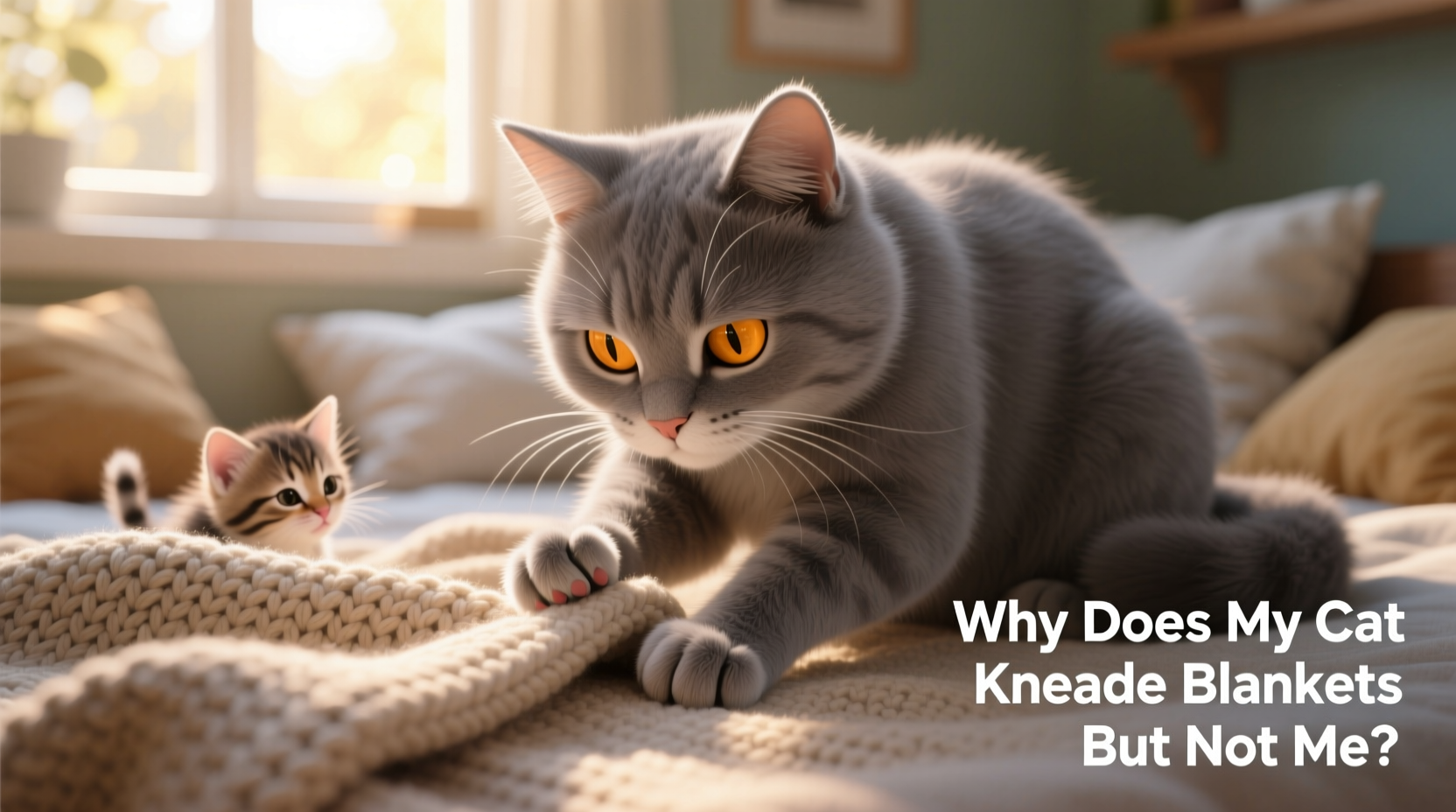
Kneading is far more than a physical habit—it’s an emotional release. When a cat kneads, it often enters a relaxed, almost trance-like state. The action triggers memories of early security, warmth, and nourishment. In behavioral terms, kneading functions as a self-soothing mechanism, similar to how humans might rock or fidget when stressed.
Studies in feline ethology suggest that kneading is associated with positive emotional states. Dr. Sarah Ellis, a renowned feline behavior expert at the University of Lincoln, notes:
“Kneading is one of the clearest indicators of contentment in adult cats. It’s a throwback to kittenhood, but when expressed in adulthood, it signals safety and emotional well-being.” — Dr. Sarah Ellis, Feline Behavior Scientist
Yet, despite this association with comfort, many cats avoid kneading their human caregivers. This isn’t rejection—it’s often a reflection of subtle environmental or relational factors that influence their sense of security.
Why Blankets Over Humans? Key Influencing Factors
The preference for kneading blankets instead of laps involves several interrelated elements: texture, temperature, scent, control, and learned associations. Let’s break these down.
- Texture and Surface Stability: Soft, yielding fabrics like fleece or knitted blankets mimic the feel of a mother cat’s belly, making them ideal for kneading. Human clothing, especially if made of denim or synthetic blends, may feel too rigid or slippery.
- Temperature Regulation: Blankets often retain heat better than skin covered by fabric. A warm, sunlit blanket can be more inviting than a cooler lap, particularly in air-conditioned rooms.
- Scent Familiarity: Cats are highly sensitive to smell. A blanket that carries your scent—and has been consistently used—becomes a familiar emotional anchor. Even if you’re nearby, your current scent profile (due to soap, sweat, or stress pheromones) might not match the cat’s internal “safe” signal.
- Control and Predictability: Unlike a living person who might move, shift, or react unexpectedly, a blanket remains passive. For cautious or anxious cats, this predictability reduces risk and increases comfort.
- Past Experiences: If a cat was once startled or accidentally hurt while on a lap (e.g., someone stood up suddenly), they may associate kneading on humans with unpredictability or discomfort.
Building Trust: Encouraging Kneading on Your Lap
If you’d like your cat to feel safe enough to knead on you, focus on gradual trust-building rather than forcing interaction. Sudden attempts to place a cat on your lap or expecting immediate affection can backfire, reinforcing avoidance.
A Step-by-Step Guide to Inviting Kneading
- Observe Your Cat’s Routine: Note when they typically knead—after meals, during naps, or when greeting you. These are moments of peak relaxation.
- Create a Safe Zone: Designate a quiet area with a soft blanket that carries your scent (use it while watching TV or napping).
- Invite, Don’t Force: Sit nearby and let your cat approach. Avoid direct eye contact, which can feel threatening.
- Use Positive Reinforcement: Offer gentle praise or a small treat after they sit near you—even if they don’t knead yet.
- Gradually Introduce Contact: Once comfortable sitting beside you, drape the familiar blanket over your lap and gently encourage them to climb on.
- Stay Still and Calm: Minimize movement. Deep breathing helps signal safety. Avoid petting unless your cat initiates it.
- Respect Boundaries: If they leave, don’t follow. Let them return on their own terms.
Consistency over weeks can yield results. Some cats begin kneading within days; others take months. Patience is essential.
Do’s and Don’ts When Responding to Kneading Behavior
| Do’s | Don’ts |
|---|---|
| Allow kneading without interruption when possible | Push the cat away mid-knead |
| Trim claws regularly to prevent discomfort | Reprimand or punish for natural behavior |
| Use a protective layer (like a thick blanket) on your lap | Yank your legs away abruptly |
| Observe body language for signs of overstimulation | Assume all kneading leads to biting or scratching |
| Provide multiple soft surfaces around the home | Force interaction if the cat seems tense |
Remember, a cat that kneads only on blankets isn’t emotionally detached—they’re simply expressing their needs in the safest way they know. Respecting their choices builds long-term trust.
Real-Life Example: Luna’s Journey to Lap Kneading
Luna, a 3-year-old rescue tabby, lived in a foster home for six months before being adopted by Maria. Though affectionate, Luna never sat on laps and exclusively kneaded a faded blue fleece blanket she’d had since arrival. Concerned about bonding, Maria consulted a certified cat behaviorist.
The expert suggested a slow integration plan: placing the blue blanket on Maria’s lap during evening reading time, offering tuna flakes when Luna approached, and avoiding any sudden movements. For two weeks, Luna merely sniffed and walked away. By week three, she began lying beside Maria with a paw on the blanket. One evening, she climbed onto the lap, nestled into the familiar fabric, and began kneading—her first time doing so on a human.
Maria shared: “It felt like a breakthrough. I didn’t change her—I just gave her the space and consistency she needed.”
This case illustrates that kneading on humans isn’t a universal expectation. It’s a privilege earned through patience and empathy.
When Kneading Stops: Emotional and Health Clues
Sudden changes in kneading behavior—whether increased, decreased, or redirected—can signal underlying issues. While occasional shifts are normal, persistent alterations warrant attention.
- Loss of Kneading: May indicate pain (especially in arthritic cats), anxiety, or environmental stress (e.g., new pet, move).
- Excessive Kneading: Could reflect obsessive-compulsive tendencies or heightened anxiety, especially if accompanied by suckling or drooling.
- Aggression During Kneading: Biting or swatting may indicate overstimulation. Cats have varying tolerance for touch, even during pleasurable activities.
If behavioral changes coincide with other symptoms—reduced appetite, hiding, litter box avoidance—consult a veterinarian. Physical discomfort can manifest through altered routines, including grooming and kneading habits.
Frequently Asked Questions
Is it normal for cats to only knead certain people?
Yes. Cats form strong attachments to specific individuals based on scent, voice, and past interactions. A cat may knead one family member but not another, even if both are kind. This reflects individual bonding dynamics, not favoritism or dislike.
Why does my cat purr while kneading blankets but not look at me?
Purring during kneading is a sign of deep contentment. Lack of eye contact doesn’t mean disengagement—many cats close their eyes or turn their head to remain vigilant while relaxing. It’s a balance between trust and instinctual awareness.
Can I train my cat to knead on me?
You can’t “train” kneading like a trick, but you can create conditions that make it more likely. Focus on building a secure environment, using familiar scents, and allowing the cat full control over proximity. Forced interaction will likely suppress the behavior further.
Conclusion: Respecting Your Cat’s Emotional Language
Kneading is a window into your cat’s emotional world. Whether your cat chooses a plush throw or your lap, the act itself is a testament to their sense of safety. The fact that your cat kneads at all—especially in your presence—is a quiet affirmation of trust.
Instead of wondering why your cat prefers blankets, consider what that preference reveals about their needs. Are they seeking consistency? Temperature? Control? Meeting those needs in thoughtful ways fosters deeper connection far more effectively than demanding physical closeness ever could.
Your cat isn’t rejecting you by choosing fabric over flesh. They’re communicating in the only way they know how. By listening—not with ears, but with observation and empathy—you honor their nature and nurture a relationship built on mutual respect.




 浙公网安备
33010002000092号
浙公网安备
33010002000092号 浙B2-20120091-4
Comments
No comments yet. Why don't you start the discussion?