
It’s a familiar scene: your cat curls up on your lap, settles into a soft blanket, and begins rhythmically pushing its paws in and out, alternating between front limbs like a baker working dough. This endearing behavior, affectionately known as “making biscuits,” is more than just a quirky habit—it’s deeply rooted in feline psychology, instinct, and emotional expression. While it may seem random or purely adorable, kneading serves multiple purposes that trace back to kittenhood and even wild ancestry. Understanding why cats knead offers insight into their emotional needs, comfort mechanisms, and bonding behaviors with humans.
The Origins of Kneading: A Behavior Born in Kittenhood
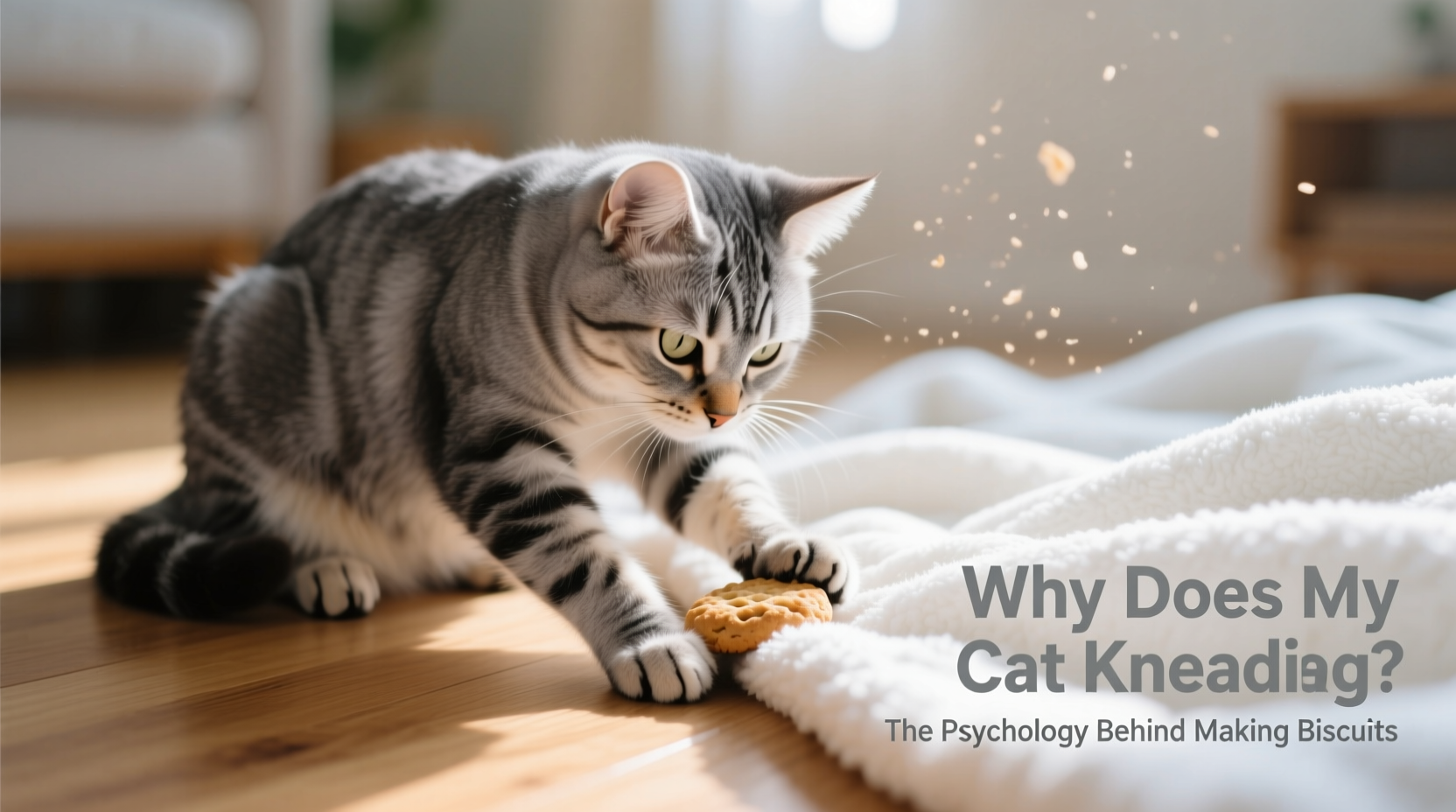
Kneading begins when a kitten is just days old. As newborns nurse, they use their tiny front paws to press against their mother’s mammary glands. This motion stimulates milk flow, ensuring they receive adequate nourishment. The action is both functional and soothing—the warmth, scent, and tactile feedback create a powerful association between kneading and feelings of safety, comfort, and sustenance.
As cats mature, this early-life behavior often persists into adulthood, even though the biological need for milk has long passed. The act becomes a self-soothing mechanism, triggered by positive stimuli such as relaxation, contentment, or affection. When your cat kneads a blanket—or your leg—it’s not just mimicking infancy; it’s reliving a primal sense of security.
“Kneading is one of the clearest examples of neonatal behavior persisting into adulthood in cats. It reflects deep-seated emotional memory tied to survival and bonding.” — Dr. Sarah Hartwell, Feline Behavior Researcher
Psychological Triggers Behind Adult Kneading
While the origin of kneading lies in nursing, adult cats continue the behavior for several psychological and environmental reasons:
- Emotional Comfort: Cats often knead when they feel safe and relaxed. The rhythmic motion can reduce stress and induce a meditative state similar to human repetitive calming behaviors (like rocking or fidgeting).
- Territory Marking: Cats have scent glands in the pads of their paws. Each time they press into a surface, they leave behind pheromones—chemical signals that mark the area as familiar and safe. In essence, your cat isn’t just enjoying the blanket; it’s claiming it.
- Nesting Instinct: Wild ancestors of domestic cats would trample down grass or leaves to create a soft, secure sleeping spot. Kneading may be a vestigial nesting behavior, preparing a surface for rest—even if the surface is already perfectly flat.
- Bonding with Humans: When a cat kneads on its owner, especially during petting or cuddling, it’s expressing deep trust and affection. This gesture signifies that the human is perceived as a caregiver or surrogate parent.
When Kneading Becomes Problematic: Managing Claws and Discomfort
Despite its emotional significance, kneading can sometimes lead to unintended consequences—particularly when claws are involved. Sharp nails digging into skin or furniture can cause discomfort or damage. However, this doesn’t mean the behavior should be discouraged entirely. Instead, focus on managing the side effects while preserving your cat’s ability to express natural instincts.
| Situation | Do | Avoid |
|---|---|---|
| Cat kneads on your lap with claws out | Place a thick blanket or cushion between you and the cat | Punishing or pushing the cat away abruptly |
| Frequent kneading on furniture | Provide designated soft surfaces like plush mats or cat beds | Using deterrent sprays without offering alternatives |
| Overzealous kneading causing stress | Gently redirect to a toy or activity after a few minutes | Ignoring signs of overstimulation (tail flicking, growling) |
Regular nail trimming can also reduce the risk of injury. Most veterinarians recommend trimming every 10–14 days. Alternatively, soft vinyl nail caps (like Soft Paws) offer a humane way to protect both skin and upholstery without interfering with natural scratching or kneading behaviors.
Mini Case Study: Luna and the Evening Ritual
Luna, a 4-year-old domestic shorthair, lives with her owner, Maria, in a quiet apartment. Every evening around 8 PM, Luna jumps onto the couch, circles three times, then begins kneading Maria’s wool blanket. She purrs loudly, half-closes her eyes, and often falls asleep mid-knead. Maria noticed this ritual intensified after she adopted Luna from a shelter, where the cat had spent two months in a high-stress environment.
Understanding that kneading was Luna’s way of self-soothing and establishing safety, Maria began placing a soft fleece throw specifically for her each night. She also started lightly brushing Luna’s fur during the session, reinforcing the experience with gentle touch. Over time, Luna’s overall anxiety decreased, and the kneading became less frantic—more rhythmic and peaceful. The behavior didn’t stop, but it evolved into a mutual moment of connection rather than a solitary coping mechanism.
Is Kneading a Sign of Happiness?
In most cases, yes. Kneading is widely regarded as a sign of contentment. A cat that feels secure in its environment is far more likely to engage in instinctive, vulnerable behaviors like purring, slow blinking, and kneading. These actions require a level of emotional openness that only emerges when threats are absent.
However, context matters. Some cats may knead excessively due to anxiety, especially if they were weaned too early or experienced early separation from their mother. In these instances, kneading might serve as a compulsive comfort-seeking behavior rather than pure joy. Signs of problematic over-kneading include:
- Kneading for hours at a time
- Obsessive focus on specific objects
- Self-injury from clawing
- Aggression when interrupted
If these patterns occur, consulting a veterinary behaviorist may help determine whether underlying stress or medical issues are contributing factors.
Step-by-Step Guide: Creating a Kneading-Friendly Environment
To support your cat’s natural instincts while minimizing household wear and tear, follow this practical sequence:
- Observe Patterns: Note when and where your cat typically kneads. Is it after meals? During naps? On certain fabrics?
- Designate a Kneading Zone: Choose a soft, washable blanket or mat and place it in your cat’s favorite resting area. Use materials that mimic the texture of fur or wool, which many cats prefer.
- Encourage Use: Gently place your cat on the mat when you notice pre-kneading behaviors (circling, paw stretching). Reward with affection or treats if they engage.
- Protect Furniture: Cover nearby upholstery with removable throws or textured fabric covers that discourage claw penetration.
- Maintain Hygiene: Wash the kneading surface regularly to remove accumulated oils and scents, preventing bacterial buildup or odor aversion.
- Monitor Claws: Keep nails trimmed or capped to prevent snagging or injury during vigorous sessions.
This approach respects your cat’s psychological needs while maintaining harmony in shared living spaces.
Frequently Asked Questions
Why does my cat drool when kneading?
Drooling during kneading is common and usually harmless. It’s another carryover from kittenhood, where sucking and swallowing accompanied nursing. Combined with deep relaxation, this reflex can reappear in adulthood. As long as the drool isn’t excessive or accompanied by illness symptoms, it’s a sign of extreme contentment.
Do all cats knead?
No, not all cats knead. Some never develop the habit, while others lose interest over time. Factors include early weaning age, individual temperament, and whether the kitten had siblings (who provide social stimulation). Even cats that don’t knead can still form strong bonds with humans—they simply express affection differently.
Can I train my cat to stop kneading?
You can redirect the behavior, but eliminating it entirely is neither necessary nor recommended. Kneading is a healthy, instinctive outlet. Instead of suppression, focus on management—providing appropriate surfaces and protecting delicate areas. Forcing a cat to stop can increase stress and erode trust.
Checklist: Supporting Healthy Kneading Behavior
- ✅ Provide a soft, dedicated surface for kneading
- ✅ Trim claws every 2–3 weeks
- ✅ Observe timing and triggers for kneading episodes
- ✅ Avoid punishment or negative reactions during kneading
- ✅ Use pheromone diffusers (e.g., Feliway) if anxiety is suspected
- ✅ Reinforce calm kneading with gentle petting or treats
- ✅ Monitor for signs of overstimulation or compulsive behavior
The Emotional Language of Cats: Beyond the Biscuits
Kneading is part of a broader spectrum of feline communication. Unlike dogs, who rely heavily on vocalizations and body posture, cats often express emotion through subtle, repetitive actions. Slow blinks signal trust. Tail twitches convey irritation. And kneading? It’s a tactile language of love and memory.
When your cat makes biscuits on your lap, it’s not just acting on instinct—it’s telling you, in the only way it knows how, that you are its source of comfort. That you represent safety. That, in some deep, unconscious corner of its mind, you are its mother, its den, its world.
Recognizing this transforms the experience from mere curiosity into a profound moment of interspecies connection. The next time your cat starts pressing into your thigh with needle-like claws, remember: it’s not trying to hurt you. It’s trying to say, “I’m home.”
Conclusion
Kneading blankets isn’t a random quirk—it’s a window into your cat’s inner life. Rooted in survival, shaped by emotion, and sustained by trust, this behavior bridges the gap between wild instinct and domestic affection. By understanding the psychology behind “making biscuits,” you gain deeper insight into your cat’s needs, fears, and ways of loving.




 浙公网安备
33010002000092号
浙公网安备
33010002000092号 浙B2-20120091-4
Comments
No comments yet. Why don't you start the discussion?