
There’s a quiet moment in the evening. You’re curled up on the couch, and your cat jumps into your lap. Without warning, she begins rhythmically pressing her paws into your thigh or a nearby blanket—alternating between front paws like a baker kneading dough. This soothing, repetitive motion is affectionately known as “making biscuits.” While it may seem whimsical, this behavior has deep biological roots, emotional significance, and even practical benefits for your feline companion. Understanding why cats knead blankets—and people—can deepen your bond and help you interpret your cat’s emotional state.
The Origins of Kneading: A Behavior Rooted in Kittenhood
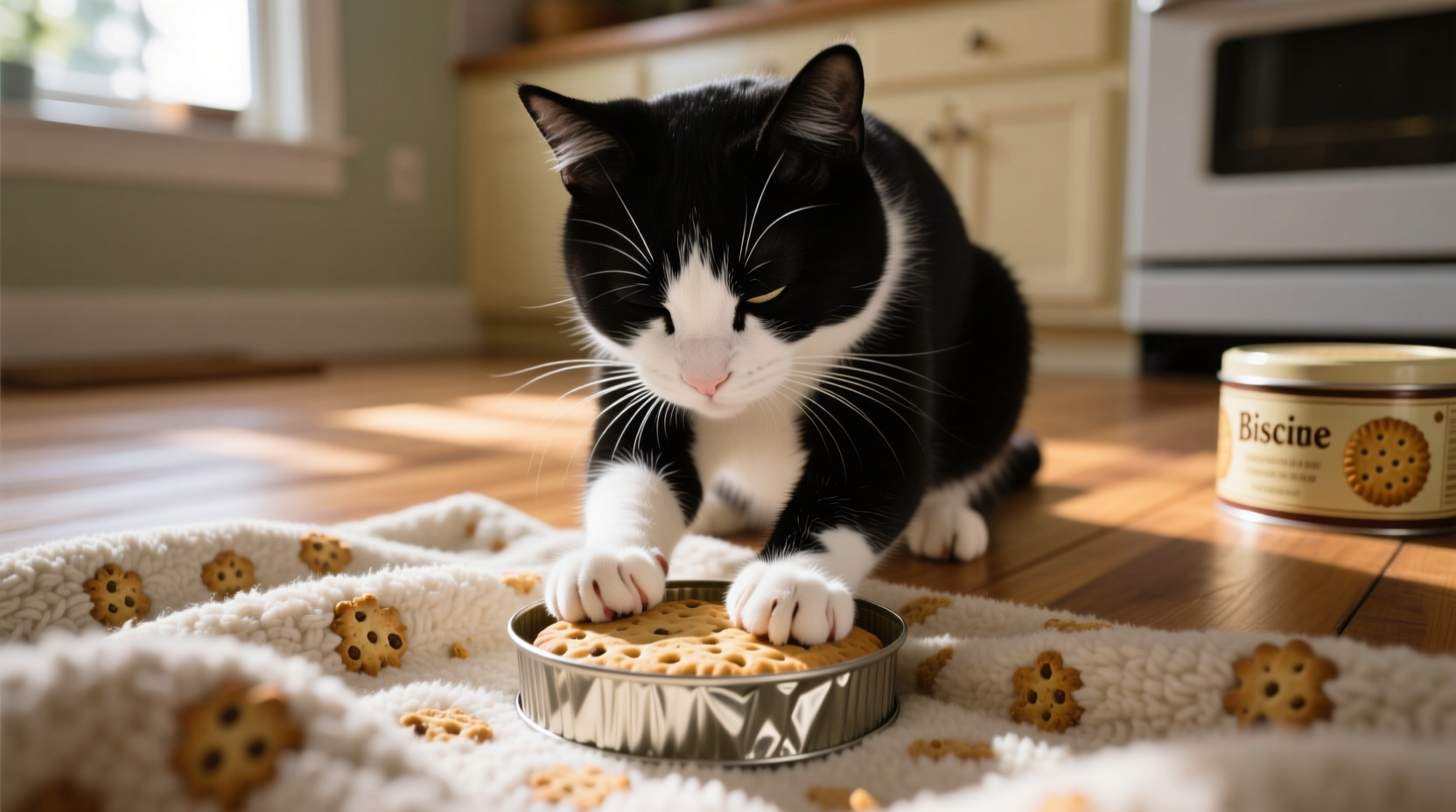
Kneading begins in the earliest days of a cat’s life. Newborn kittens instinctively press their tiny paws against their mother’s mammary glands to stimulate milk flow during nursing. This action is not random; it’s a survival mechanism hardwired into their nervous system. The rhythmic compression helps release oxytocin in the mother, promoting milk letdown and strengthening the maternal bond.
Even after weaning, many cats retain this comforting behavior into adulthood. When a grown cat kneads a soft surface—be it a blanket, pillow, or your leg—it often signals a return to feelings of safety, warmth, and nourishment associated with kittenhood. It's not just nostalgia; it's neurochemical. The act triggers the release of endorphins, creating a sense of calm and pleasure similar to what they experienced while nursing.
“Kneading is one of the clearest examples of neoteny in domestic cats—the retention of juvenile behaviors into adulthood. It reflects both comfort and trust.” — Dr. Sarah Ellis, Feline Behavior Researcher, University of Lincoln
Why Do Cats Knead Blankets? 5 Key Reasons
While the nursing instinct forms the foundation, adult cats knead for several interconnected reasons. These motivations can vary by individual, environment, and emotional context.
1. Comfort and Emotional Security
Cats are creatures of routine and sensory association. A soft blanket that smells like you may serve as a psychological anchor. Kneading transforms that object into a personal comfort zone. The motion itself becomes a self-soothing ritual, much like humans might rock or twirl their hair when relaxed.
2. Scent Marking Through Paw Glands
Cats have scent glands in the pads of their paws that release pheromones when pressed. By kneading a blanket—or your lap—they’re subtly marking the area as “theirs.” This isn’t territorial aggression; it’s affiliative marking, a way of saying, “This space feels safe because I belong here.”
3. Nesting Instinct
In the wild, cats prepare sleeping areas by pawing at leaves, grass, or soil to create a cozy, secure depression. Even indoor cats retain this nesting drive. Kneading fluffier materials mimics this preparation, helping them shape a comfortable resting spot. This is especially common before napping or settling down for the night.
4. Muscle Stretching and Physical Relief
The kneading motion engages muscles in the shoulders, forelegs, and paws. For cats who nap frequently, this serves as a gentle stretch—similar to how humans might flex their feet after sitting too long. Older cats may knead more frequently as a way to relieve stiffness or circulatory sluggishness.
5. Expression of Contentment
A cat that kneads while purring, half-closed eyes, and slow blinking is likely experiencing peak relaxation. This behavior rarely occurs under stress. Instead, it’s a visible indicator that your cat feels safe, loved, and emotionally fulfilled. In multicat households, observing which cats knead—and where—can offer insights into social hierarchies and preferred bonding zones.
When Kneading Becomes Problematic: Signs to Watch For
While generally harmless, kneading can occasionally indicate underlying issues—especially if it changes suddenly in frequency, intensity, or location.
- Excessive or frantic kneading: May signal anxiety, especially if paired with vocalization or restlessness.
- Kneading non-soft surfaces: Concrete, wood, or walls could suggest compulsive behavior or cognitive dysfunction in senior cats.
- Self-directed kneading: If a cat starts kneading its own body repeatedly, consult a veterinarian to rule out pain or neurological concerns.
Sudden onset of kneading in previously non-kneading cats may also point to environmental stressors, such as new pets, moves, or changes in routine. Monitor accompanying behaviors closely.
How to Manage Kneading: A Practical Guide
You don’t need to stop your cat from kneading—it’s natural and beneficial. However, sharp claws can make the experience less pleasant for human recipients. Here’s how to balance your cat’s needs with your comfort.
- Trim claws regularly: Keep front claws trimmed every 10–14 days to minimize discomfort without affecting your cat’s ability to scratch appropriately.
- Use protective barriers: Place a thick fleece blanket or cushion between your lap and the cat during kneading sessions.
- Redirect to designated spots: Encourage kneading on a specific bed or mat by placing it in favored lounging areas and rewarding use with treats or praise.
- Provide alternative textures: Some cats prefer wool, faux fur, or knitted fabrics. Experiment with different materials to see what satisfies their kneading urge.
- Introduce soft claw covers: Vinyl nail caps (like Soft Paws) are safe, temporary solutions that blunt claws without interfering with natural behavior.
Do’s and Don’ts of Responding to Kneading Behavior
| Do | Don’t |
|---|---|
| Allow kneading in safe, designated areas | Punish or scold your cat for kneading |
| Offer soft, washable surfaces for comfort | Yank your cat away mid-knead—it breaks their sense of security |
| Clip claws gently and consistently | Declaw your cat to stop kneading—this is inhumane and harmful |
| Observe patterns to understand emotional cues | Assume all kneading means the same thing—context matters |
| Enjoy the bonding moment—many cats only knead those they deeply trust | Force interaction if your cat seems overstimulated |
Mini Case Study: Luna and the Heirloom Quilt
Luna, a 4-year-old domestic shorthair, lived with her owner Maria in a small apartment. Every evening, Luna would seek out a hand-stitched quilt passed down from Maria’s grandmother. She’d circle it, sniff it, then begin kneading vigorously before curling up to sleep.
Maria initially worried about damage to the delicate fabric. After consulting a feline behaviorist, she learned that the quilt carried Maria’s scent and had a texture reminiscent of early kitten bedding. The act was not destructive but deeply emotional. Instead of discouraging it, Maria introduced a second quilt made of similar material and placed it beside the original. She rotated their use and added a few drops of lavender (safe for cats in moderation) to reinforce relaxation.
Within weeks, Luna began using both quilts interchangeably. The behavior continued, but the heirloom remained preserved. More importantly, Maria gained insight into how tactile memory shapes feline attachment.
Expert Insight: The Emotional Language of Kneading
“Cats don’t waste energy on meaningless actions. When a cat kneads, they’re communicating safety, ownership, and affection—all without a single meow. It’s one of the purest forms of feline emotional expression.” — Dr. Elizabeth Collinge, Veterinary Ethologist
This perspective reframes kneading not as a quirky habit but as a language. The speed, duration, and context of the motion can convey subtle shifts in mood. Slow, rhythmic kneading usually indicates deep relaxation. Rapid or sporadic pressing might reflect excitement or mild agitation. Observing these nuances allows owners to respond more empathetically.
Frequently Asked Questions
Is kneading a sign of dominance?
No. Unlike urine marking or aggressive posturing, kneading is affiliative, not dominant. It’s typically directed toward safe spaces and trusted individuals, indicating comfort rather than control.
My male cat kneads—does that mean he wasn’t neutered properly?
Not at all. Kneading is unrelated to reproductive status. Both neutered males and spayed females commonly knead. Hormonal changes from sterilization do not erase early behavioral imprints formed during kittenhood.
Can older cats start kneading later in life?
It’s rare but possible. Late-onset kneading may emerge due to increased anxiety, environmental changes, or cognitive decline. If accompanied by disorientation or vocalization at night, consult your vet to assess for feline cognitive dysfunction syndrome (CDS).
Conclusion: Embracing the Biscuit-Making Ritual
Kneading is far more than a cute quirk—it’s a window into your cat’s inner world. From primal instincts to emotional signaling, this behavior bridges biology and bond. When your cat makes biscuits on your favorite blanket, she’s not just pressing fabric; she’s weaving herself into the fabric of your shared life.
Instead of redirecting or resisting, consider embracing the ritual. Provide soft, washable surfaces. Keep claws managed humanely. Most of all, recognize the profound trust embedded in each push of the paw. In a world full of unpredictable stimuli, your cat has chosen *this* place, *this* blanket, *this* moment—to feel safe.




 浙公网安备
33010002000092号
浙公网安备
33010002000092号 浙B2-20120091-4
Comments
No comments yet. Why don't you start the discussion?