
Cat owners often find themselves both amused and puzzled when their feline companions rhythmically push their paws into soft surfaces—blankets, laps, pillows, or even arms. This rhythmic motion, known as kneading, is commonly referred to as “making biscuits.” While it may seem odd or even uncomfortable at times, this behavior is deeply rooted in biology, emotion, and instinct. Understanding why your cat kneads can deepen your bond and help you interpret your pet’s emotional state more accurately.
Kneading typically begins in kittenhood and often persists into adulthood. It’s not a sign of discomfort or behavioral issues but rather a natural, comforting action tied to early development, territorial marking, and emotional regulation. In this article, we’ll explore the evolutionary roots, psychological triggers, and physiological mechanisms behind this endearing habit—and what it truly means when your cat chooses *you* as their kneading surface.
The Origins of Kneading: A Survival Instinct from Kittenhood
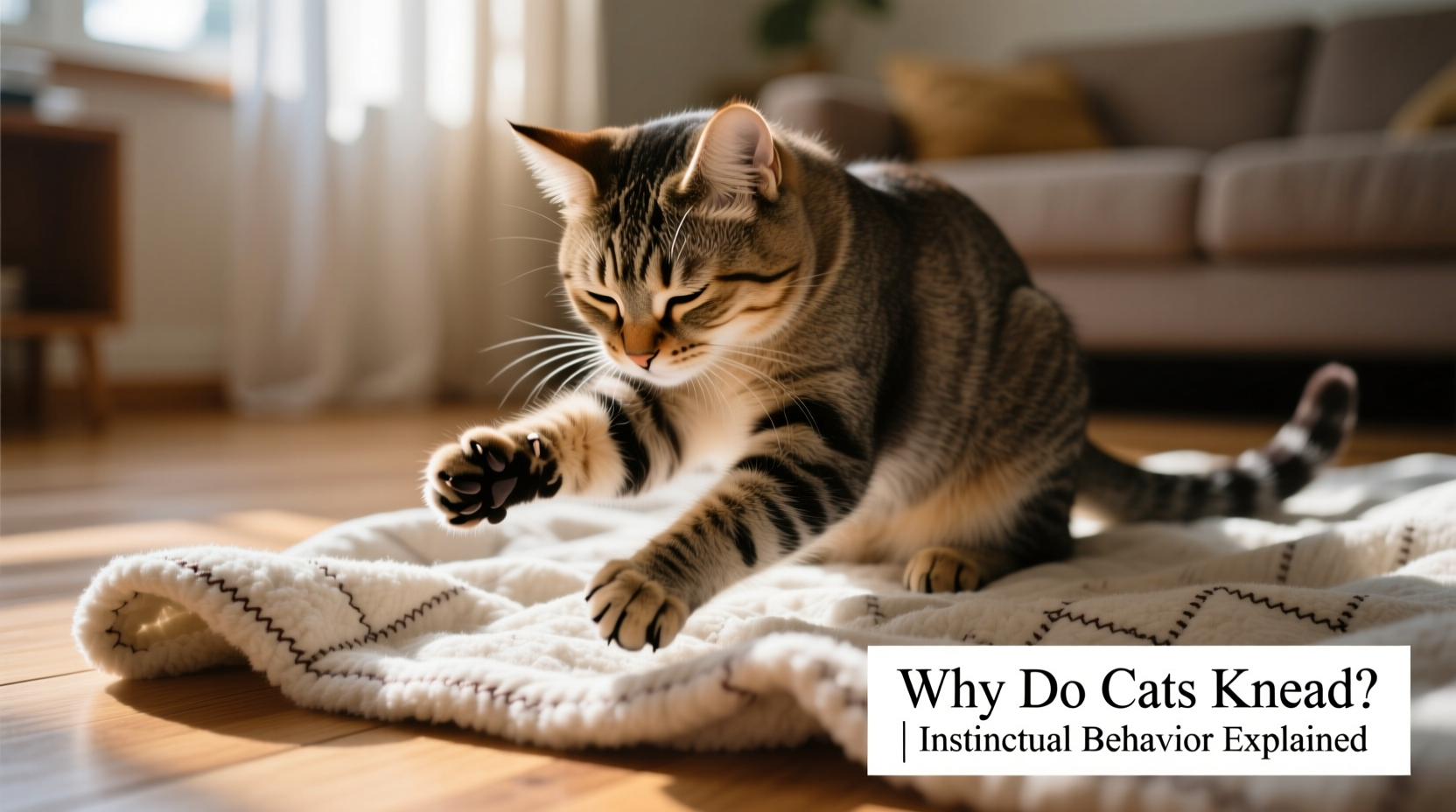
Kneading starts within days of birth. Newborn kittens instinctively press their tiny paws against their mother’s mammary glands to stimulate milk flow. This motion helps them feed effectively during a critical stage of development. The repetitive pushing increases blood circulation in the mother’s tissue, encouraging milk letdown through oxytocin release. For the kitten, success means nourishment and survival.
This early association between kneading and comfort, warmth, and food creates a powerful neural imprint. Even after weaning, adult cats retain this behavior—not because they believe they’re nursing, but because the motion evokes feelings of safety and contentment. When your cat kneads a blanket or your lap, they’re not confused; they’re reliving a deeply ingrained emotional memory.
“Kneading is one of the clearest examples of a fixed action pattern in cats—a behavior so hardwired that it persists long after its original purpose has passed.” — Dr. Sarah Ellis, Feline Behavior Scientist, University of Lincoln
Emotional Triggers Behind Adult Kneading
In adult cats, kneading is primarily an emotional behavior. It most often occurs when a cat feels relaxed, safe, or affectionate. Common triggers include:
- Sitting on their owner’s lap after being petted
- Settling into a favorite sleeping spot
- Smelling a familiar scent (like laundry with your fragrance)
- After eating or grooming
The act itself releases endorphins—natural brain chemicals linked to pleasure and stress reduction. This explains why many cats purr, half-close their eyes, or even drool while kneading. These are all signs of deep relaxation, similar to how humans might sigh or smile when settling into a warm bath.
Biological Functions Beyond Comfort
While emotional regulation is a major factor, kneading also serves several biological purposes:
1. Scent Marking Through Paw Glands
Cats have scent glands located in the soft pads of their paws. When they knead, these glands release pheromones—chemical signals that mark territory and communicate emotional states. By kneading your blanket or arm, your cat isn’t just relaxing—they’re claiming you as part of their secure zone. This is a form of non-verbal bonding, signaling trust and ownership.
2. Nesting and Surface Preparation
In the wild, cats knead tall grass or leaves to create a soft, level sleeping area. The motion flattens vegetation, checks for hidden threats, and warms the spot using body heat. Indoor cats transfer this nesting instinct to blankets, sofas, or your legs. It’s not random—it’s preparation for rest.
3. Muscle Memory and Physical Maintenance
The repetitive motion keeps paw muscles flexible and joints mobile. Older cats who knead regularly may experience better circulation in their limbs. Some veterinarians suggest that the stretching involved in kneading supports spinal health and coordination.
When Kneading Becomes Problematic: Managing Claws and Discomfort
While kneading is normal, sharp claws can make the experience painful for owners. Cats don’t intend to hurt anyone—it’s simply that their natural behavior clashes with human skin sensitivity. Fortunately, there are humane and effective ways to manage this.
| Issue | Solution | Avoid |
|---|---|---|
| Painful claw pressure | Place a thick blanket or pillow between cat and skin | Trimming too close to quick or yelling |
| Destructive fabric damage | Provide designated kneading mats made of durable fleece | Using sprays that punish natural behavior |
| Overstimulation leading to biting | Limit sessions; gently disengage before arousal peaks | Reinforcing with attention after aggressive signs |
“Never punish a cat for kneading. It’s a self-soothing behavior. Instead, redirect it appropriately.” — Dr. Elizabeth Collinge, Veterinary Ethologist
Step-by-Step Guide: Training Your Cat to Knead Safely
If kneading causes discomfort or damages furniture, follow this gentle training sequence:
- Observe patterns: Note when and where your cat tends to knead (e.g., after meals, on your lap).
- Introduce a substitute: Place a soft, washable blanket or padded mat nearby during typical kneading times.
- Encourage with scent: Rub the mat with a worn t-shirt so it carries your smell.
- Use positive reinforcement: Reward your cat with treats or praise when they use the mat.
- Redirect gently: If they start on your leg, lift them onto the mat without scolding.
- Maintain consistency: Repeat daily for 2–3 weeks until the habit shifts.
Real-Life Example: Bella and the Midnight Kneading Ritual
Sophie adopted Bella, a three-year-old domestic shorthair, after her previous owner moved abroad. At first, Bella was cautious—hiding under furniture and avoiding contact. But within two weeks, she began climbing onto Sophie’s lap each night around 10 PM. Without fail, she’d circle, settle, and begin kneading Sophie’s thigh vigorously, claws extended.
Sophie initially found it painful and tried discouraging the behavior by shifting away. But Bella became anxious, meowing and pacing. After consulting a feline behaviorist, Sophie learned that Bella associated kneading with security—a ritual likely performed with her original owner. Instead of stopping it, Sophie introduced a plush lap blanket. She rubbed it with her scent and rewarded Bella with a treat each time she used it.
Within a month, Bella kneaded exclusively on the blanket. Her overall confidence improved, and she began sleeping curled beside Sophie instead of hiding. The case illustrates how respecting natural behaviors—with smart adaptations—can accelerate bonding and reduce anxiety.
FAQ: Common Questions About Cat Kneading
Is kneading a sign that my cat wants food or attention?
Not usually. While kneading may occur near feeding time due to general contentment, it’s not a direct request. Cats use other signals—meowing, rubbing, or leading—to solicit food. Kneading is more about internal emotional regulation than external demands.
Why does my cat drool when kneading?
Drooling during kneading is common and generally harmless. It stems from extreme relaxation, often linked to kitten memories of nursing. As long as your cat is healthy, eats normally, and shows no signs of illness, drooling is just a quirky side effect of bliss.
Do all cats knead, or is it breed-specific?
Most cats knead to some degree, regardless of breed. However, it’s more frequently observed in breeds with strong maternal bonds or high affection levels, such as Ragdolls, Maine Coons, and Siamese. Early separation from the mother or trauma may reduce the likelihood, but many rescued cats relearn the behavior in safe environments.
Checklist: Is Your Cat’s Kneading Healthy?
Use this checklist to assess whether your cat’s kneading falls within normal range:
- ✅ Occurs during calm, relaxed moments
- ✅ Involves slow, rhythmic paw movements
- ✅ Accompanied by purring or half-closed eyes
- ✅ No signs of pain, limping, or favoring one paw
- ✅ Not obsessive or interfering with daily activities
- ❌ Stops abruptly or turns into biting? May indicate overstimulation.
- ❌ Only done on one side or with visible discomfort? Consult a vet.
Conclusion: Embracing the Quirks of Feline Affection
Kneading is far more than a leftover kitten habit—it’s a complex behavior woven from instinct, emotion, and communication. When your cat makes biscuits on your lap, they’re expressing trust, marking you as family, and soothing themselves in a world they perceive as safe because of you. Rather than suppress this natural gesture, consider how you can support it in a way that’s comfortable for both of you.
By providing soft surfaces, maintaining claw health, and understanding the deeper meaning behind the motion, you honor your cat’s nature while strengthening your connection. These small rituals are not inconveniences—they are quiet declarations of love in a language older than words.




 浙公网安备
33010002000092号
浙公网安备
33010002000092号 浙B2-20120091-4
Comments
No comments yet. Why don't you start the discussion?