
It’s a familiar scene: your cat settles onto your lap, nestles into a soft blanket, and begins rhythmically pushing its paws in and out—like a baker working dough. This behavior, known as kneading, is both endearing and puzzling. Why do cats engage in this repetitive motion long after they’ve left their mothers? The answer lies deep in feline biology, early development, and emotional expression. Far from being random, kneading is a complex behavior rooted in survival, comfort, and communication.
Understanding why cats knead isn’t just about satisfying curiosity—it can deepen the bond between you and your pet. Recognizing the instinctual and emotional drivers behind this action allows owners to respond with empathy rather than frustration, especially when claws are involved. More importantly, it reveals how much of a cat’s adult behavior is shaped by experiences in the first few weeks of life.
Kittenhood Origins: The Survival Instinct Behind Kneading
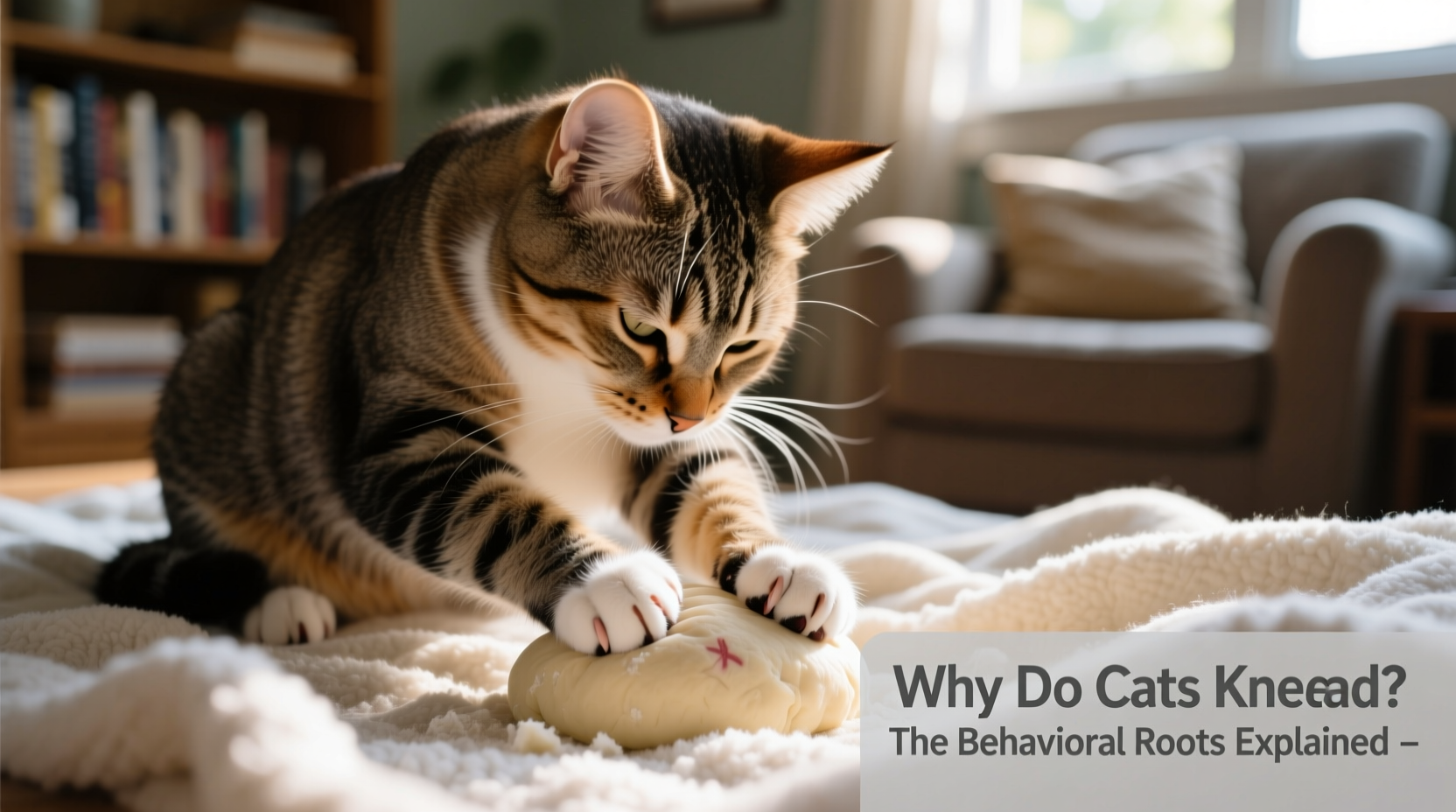
The foundation of kneading begins at birth. Newborn kittens are blind, deaf, and entirely dependent on their mother for nourishment and warmth. To stimulate milk flow from the queen’s mammary glands, kittens instinctively push their front paws against her belly. This rhythmic compression triggers the release of oxytocin, encouraging milk letdown. Over time, this motion becomes associated not only with feeding but with safety, warmth, and maternal connection.
Dr. Sarah Ellis, a feline behavior expert and co-author of *The Trainable Cat*, explains:
“Kneading is one of the earliest behaviors a kitten learns. It’s hardwired for survival—without it, they wouldn’t get enough milk. But even as adults, cats retain this reflex because it’s so deeply tied to feelings of security.”
Because this action is repeated dozens of times daily during the nursing period, it becomes imprinted in the cat’s behavioral repertoire. Even after weaning, many cats continue to knead when they feel content or seek comfort. It’s not that they “think” they’re nursing; rather, the physical sensation triggers a subconscious emotional state linked to early well-being.
Emotional Regulation and Territory Marking
While kneading originates in infancy, adult cats use it for additional purposes beyond nostalgia. One key function is emotional regulation. Cats often knead when they are relaxed, sleepy, or preparing to rest. The repetitive motion appears to have a self-soothing effect, similar to how humans might rock or twirl their hair when anxious or calm.
This behavior frequently occurs before napping or settling into a favorite spot, suggesting it helps transition into a state of deep relaxation. In multi-cat households, kneading may also serve as a way to manage social stress. A cat feeling uncertain or overstimulated may retreat to a safe surface and begin kneading to regain a sense of control and comfort.
Additionally, kneading plays a role in scent marking. Cats have scent glands located in the soft pads of their paws, which release pheromones when pressure is applied. As your cat pushes into a blanket, bed, or even your leg, they are subtly marking the area as “theirs”—a sign of trust and ownership. This is not aggression; it’s an olfactory declaration of belonging.
In the wild, such scent signals help establish secure zones within a territory. In domestic settings, these markings reinforce a sense of familiarity and reduce anxiety. A cat that kneads your sweater isn’t just showing affection—they’re integrating your scent into their personal safety network.
Why Some Cats Knead More Than Others
Not all cats knead, and among those that do, frequency and intensity vary widely. Several factors influence whether and how often a cat engages in this behavior:
- Early Weaning: Kittens separated from their mother too early may develop stronger kneading habits as a compensatory mechanism for lost comfort.
- Breed Tendencies: Certain breeds, particularly Siamese, Ragdolls, and Maine Coons, are more prone to persistent kitten-like behaviors (neoteny), including kneading.
- Personality: Affectionate, people-oriented cats are more likely to transfer their kneading behavior to human caregivers.
- Environment: Cats in stable, low-stress homes may knead more freely, while anxious cats may suppress the behavior or redirect it excessively.
A 2020 observational study published in *Applied Animal Behaviour Science* found that cats raised in enriched environments—with consistent human interaction and tactile stimulation—were more likely to retain positive tactile behaviors like kneading into adulthood. This suggests that early handling and gentle touch can reinforce the emotional benefits of the behavior.
When Kneading Becomes Problematic: Claws and Pain
While kneading is generally harmless, it can become uncomfortable when claws are involved. Many cats extend their claws during the motion, leading to snagged clothing, scratched skin, or damaged furniture. This doesn’t mean the cat is being aggressive—it’s simply following instinct without awareness of human sensitivity.
To manage this issue, consider the following practical steps:
- Trim your cat’s claws regularly using pet-safe clippers.
- Place a thick, washable blanket or pillow between your cat and your lap.
- Train your cat to associate kneading with designated surfaces, such as a soft cat bed.
- Use double-sided tape or deterrent sprays on off-limit areas to discourage inappropriate kneading.
- Redirect the behavior with toys or massage tools designed for cats.
| Situation | Recommended Action | Avoid |
|---|---|---|
| Cat kneads on bare legs | Slide a fleece blanket underneath | Pulling cat away abruptly |
| Furniture damage from claws | Provide alternative kneading zones | Spraying water as punishment |
| Excessive kneading with vocalization | Check for underlying stress or pain | Ignoring sudden behavioral changes |
Real-Life Example: Bella and the Anxiety Blanket
Bella, a 3-year-old domestic shorthair adopted from a shelter, arrived at her new home with a history of abandonment and limited socialization. Her owner, Maria, noticed that Bella would often freeze at sudden noises and avoid physical contact. However, within weeks of establishing a routine, Maria observed a change: Bella began climbing onto the living room couch every evening, circling three times before settling into a plush throw and beginning to knead vigorously.
At first, Maria worried the behavior indicated discomfort. But after consulting a veterinary behaviorist, she learned that Bella was using kneading as a self-regulation tool. The blanket had become a psychological anchor—a tactile reminder of safety. Over the next few months, as Bella grew more confident, the kneading decreased in intensity but remained a nightly ritual.
“It was her way of saying, ‘This is mine. I’m safe here,’” Maria said. “Once I stopped seeing it as odd and started seeing it as healing, everything shifted.”
Step-by-Step: Encouraging Healthy Kneading Habits
If you’d like to support your cat’s natural tendency to knead—while protecting your furniture and skin—follow this simple process:
- Observe Patterns: Note when and where your cat typically kneads. Is it before sleep? After petting? During quiet moments?
- Create a Designated Zone: Choose a soft, washable blanket or cat bed and place it in a favored resting area.
- Transfer the Behavior: Gently move your cat to the designated zone the next time they start kneading elsewhere.
- Reinforce with Routine: Place the blanket in the same spot daily and reward calm kneading with quiet praise or treats.
- Maintain Consistency: Repeat the redirection for several weeks until the association is strong.
This method works best when combined with environmental enrichment—such as vertical spaces, hiding spots, and interactive play—that reduce overall stress and increase confidence.
FAQ: Common Questions About Cat Kneading
Is kneading a sign of happiness?
Generally, yes. Most cats knead when they feel safe and content. If your cat purrs while kneading, it’s a strong indicator of emotional well-being. However, in rare cases, excessive or frantic kneading may signal anxiety or medical discomfort, especially if it’s a new behavior.
Do all cats knead?
No. While kneading is common, not all cats exhibit it. Some may never have developed the habit as kittens, while others may express comfort in different ways—such as head-bunting, slow blinking, or grooming. Absence of kneading does not indicate unhappiness.
Can neutering or spaying affect kneading?
There’s no direct link between reproductive status and kneading frequency. However, hormonal changes post-surgery can temporarily alter behavior, including increased clinginess or nesting, which may lead to more noticeable kneading in the short term.
Expert Insight: The Language of Touch
Dr. Karen Becker, a proactive pet care veterinarian, emphasizes the communicative power of feline touch behaviors:
“Cats don’t just live in a world of sight and sound—they navigate through scent and touch. Kneading is a multisensory language. When your cat does it on you, they’re speaking a dialect of trust, memory, and ownership. Responding with patience honors that dialogue.”
This perspective shifts kneading from a quirky habit to a meaningful form of nonverbal communication. By recognizing it as such, owners can build deeper emotional connections with their pets.
Conclusion: Embracing the Quirks of Feline Love
Kneading is more than a relic of kittenhood—it’s a living thread connecting past comfort to present security. Whether your cat presses into a sun-warmed blanket or rhythmically works your thigh, they’re expressing a fundamental need for safety, attachment, and identity. Rather than discouraging the behavior, consider how you can support it in ways that work for both of you.
Start today by creating a dedicated kneading space, trimming claws proactively, and observing when and why your cat seeks this comfort. These small actions foster mutual understanding and reinforce your role as a source of safety in your cat’s world.




 浙公网安备
33010002000092号
浙公网安备
33010002000092号 浙B2-20120091-4
Comments
No comments yet. Why don't you start the discussion?